Europe has officially banned the use of titanium dioxide (TiO2) as a food additive, a decision that has sent ripples through the food industry and left consumers with questions. This lengthy article delves into the specifics of this ban, its implications, and what consumers need to know to navigate the evolving landscape of food labeling.
The prohibition on titanium dioxide, also known by its European Union E-number E171, applies to its use as a food additive. This means it can no longer be intentionally added to food products sold within the EU. The ban comes into effect gradually, with a transitional period allowing businesses to adapt their formulations and supply chains. The European Food Safety Authority (EFSA) played a crucial role in assessing the safety of titanium dioxide, and its re-evaluation led to this significant regulatory change.
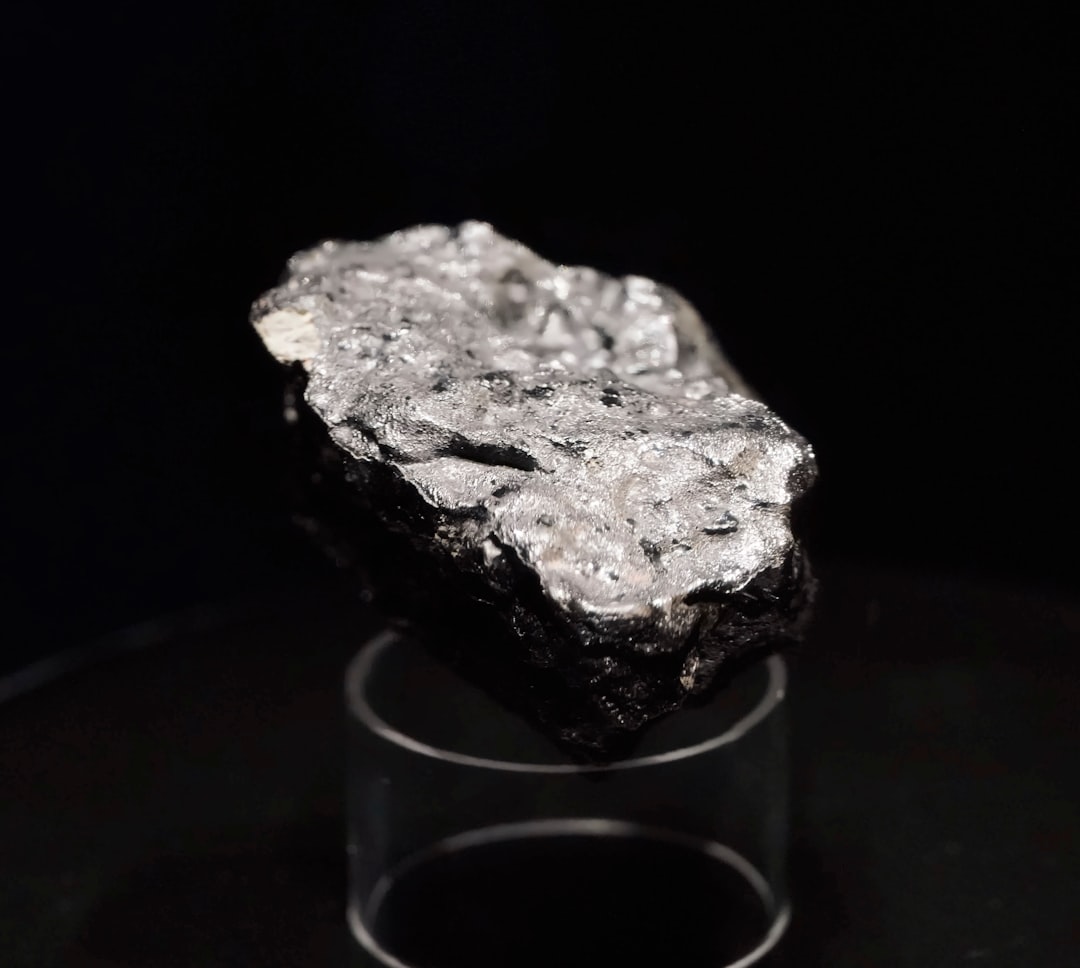
Titanium dioxide is a naturally occurring, white, powdered mineral. Its primary function in food products has been as a pigment, providing whiteness and opacity. Manufacturers have historically utilized E171 to enhance the visual appeal of a wide array of food items, from confectionery and baked goods to sauces and dairy products. Its inert nature and ability to scatter light effectively made it a cost-efficient and versatile ingredient for achieving a desired aesthetic.
The Chemical Composition and Properties of TiO2
Titanium dioxide exists in two main crystalline forms: anatase and rutile. Both forms share similar refractive properties, making them excellent at reflecting and scattering light, which is the basis of their whitening effect. In its nanoform, E171 consists of particles less than 100 nanometers in size, a characteristic that has been a focal point of safety concerns. The size of these particles influences how they interact with biological systems.
Historical Use in the Food Industry
For decades, titanium dioxide has been a silent workhorse in the food industry. Its presence, often unnoticeable to the consumer, contributed to the crisp white appearance of sugar coatings on candies, the opaque finish of chewing gum, and the bright white of certain baked goods. These properties served not only aesthetic purposes but also masked subtle color variations that might arise during processing or from inherent ingredient differences.
Applications Beyond Food
It is important to note that titanium dioxide is not exclusively used in food. It remains a widespread ingredient in other consumer products, including paints, sunscreens, cosmetics, and plastics. The ban specifically targets its use as a food additive, and its presence in these other applications is not affected by this new regulation. This distinction is crucial for understanding the scope of the E171 prohibition.
The recent ban on titanium dioxide in Europe has sparked significant discussions regarding its safety and implications for various industries. For a deeper understanding of the potential impacts of this regulation, you can read a related article that explores the broader context of chemical safety and regulatory measures in Europe. To learn more, visit this article.
The Scientific Basis for the European Ban
The decision to ban titanium dioxide as a food additive was not made in haste. It stemmed from a series of scientific assessments by the European Food Safety Authority (EFSA) that raised concerns about its safety, particularly regarding potential genotoxicity and adverse effects on the immune system. These scientific findings acted as the bedrock upon which the European Commission built its regulatory action.
EFSA’s Re-evaluation of E171 Safety
In 2016, EFSA initiated a re-evaluation of titanium dioxide as a food additive based on new scientific data and methodologies. Traditional safety assessments often focused on the bulk material, but emerging research began to highlight the potential unique behaviors of nanoparticles. This re-evaluation was a critical turning point. The authority concluded that the available data were insufficient to establish a safe daily intake for E171 when used as a food additive.
Concerns Regarding Nanoparticles and Genotoxicity
A significant driver for the ban was the concern that titanium dioxide, particularly in its nanoform, might not be inert within the human body. Studies suggested that nanoparticles could potentially cross biological barriers and accumulate in organs. More alarmingly, some research indicated a potential for genotoxicity – the ability to damage DNA. While the evidence was not definitively conclusive for all exposure levels and particle types, a lack of sufficient data to rule out such risks was enough to trigger precautionary measures in the EU. The scientific community considered these findings as a red flag, demanding further investigation and, in the interim, a more cautious approach.
Absorption and Distribution within the Body
The debate surrounding E171 also touched upon its potential for absorption and distribution within the gastrointestinal tract and beyond. While previously considered poorly absorbed, newer studies suggested that nanoparticles might exhibit different absorption profiles. The possibility of translocation to other tissues and organs, even if in small quantities, fueled the safety concerns and contributed to the decision to restrict its use. The precise pathways and extent of absorption remained a subject of ongoing scientific inquiry.
Impact on the Immune System
Further scientific scrutiny pointed towards potential adverse effects of titanium dioxide on the immune system. Some studies indicated that exposure to E171, particularly at higher concentrations or over prolonged periods, could trigger inflammatory responses or alter immune cell function. These findings added another layer of complexity to the safety assessment, leading regulators to question the long-term implications of widespread dietary exposure.
Implications for the Food Industry
The ban on titanium dioxide as a food additive presents significant challenges and opportunities for the food industry. Manufacturers must now reformulate their products, find alternative ingredients, and adapt their production processes to comply with the new regulations. This transition requires innovation, investment, and a thorough understanding of the available substitutes.
Reformulation of Existing Products
The immediate impact for the food industry is the necessity to reformulate a vast number of products. This is akin to a baker having to suddenly substitute their most trusted flour for a new, untested variety; the entire recipe and baking process might need adjustments. Companies must identify and source alternative white pigments that can provide similar aesthetic qualities without compromising taste, texture, or shelf-life. This reformulative effort is not a superficial cosmetic change; it requires a deep dive into ingredient interactions and processing parameters.
Sourcing Alternative White Pigments
The search for replacements for E171 is a key area of focus. Calcium carbonate (E170) and silicon dioxide (E551) are already being explored and used as potential alternatives, offering white coloring properties. However, each alternative comes with its own set of properties and limitations. Manufacturers must carefully evaluate these substitutes to ensure they can achieve the desired visual impact, are safe for consumption, and are cost-effective. The suitability of these alternatives can vary significantly depending on the specific food product and its manufacturing process.
Labeling Changes and Consumer Communication
With the removal of E171 from ingredient lists, food manufacturers will need to update their product labels. This presents an opportunity for clearer communication with consumers about the ingredients now present. Transparency in labeling is paramount to building trust and informing consumers about the changes they may observe in product appearance or ingredient composition. Companies need to be prepared to explain these shifts and address any consumer queries.
Impact on the Confectionery and Bakery Sectors
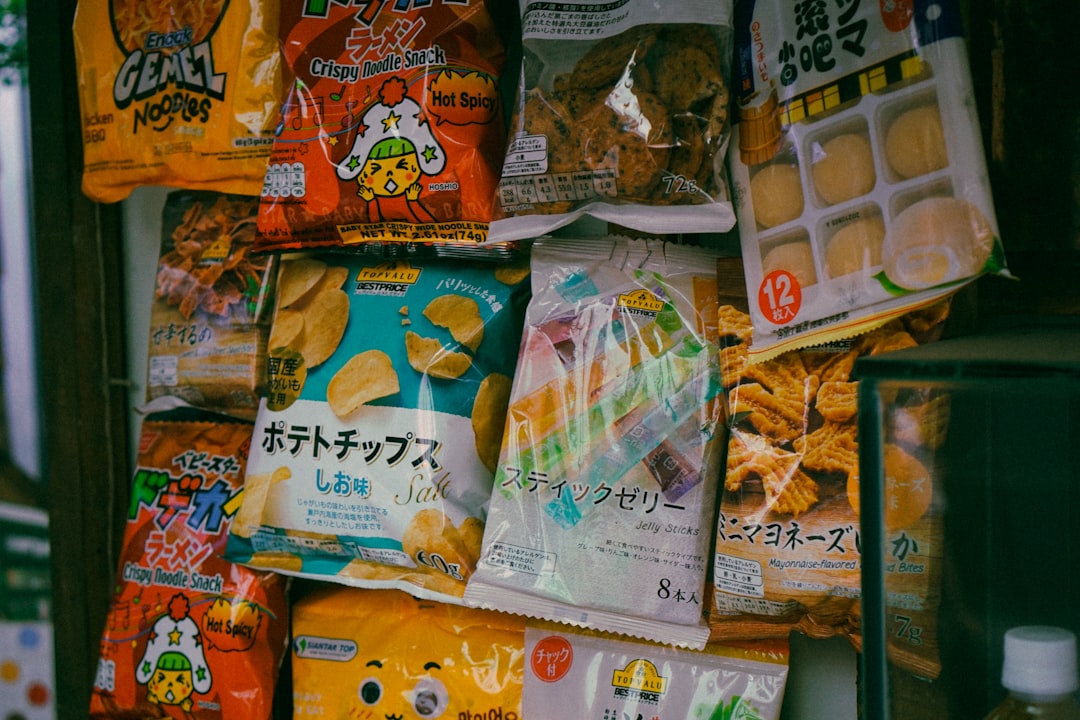
The confectionery and bakery sectors are particularly affected by the ban, as titanium dioxide has been extensively used in these industries for its whitening and opacifying properties. For instance, the bright white coatings on many candies and the uniform pale color of certain baked goods relied heavily on E171. Reformulating these products requires careful consideration of how to achieve similar visual appeal without the use of titanium dioxide, which could lead to subtle changes in product appearance that consumers may notice.
Challenges for Processed Foods
Beyond confectionery and baked goods, processed foods such as sauces, dressings, and dairy products also stand to be affected. Achieving consistent color and opacity in these products can be a complex undertaking. Manufacturers will need to invest in research and development to find suitable alternatives that integrate seamlessly into their existing production lines without negatively impacting the overall quality and acceptability of their products.
What Consumers Need to Know

For consumers, the European ban on titanium dioxide as a food additive means a shift in what they will find in their food and on ingredient labels. While the science behind the ban is complex, understanding the implications for everyday food choices is essential. The aim is to empower consumers to make informed decisions about the products they purchase and consume.
How to Identify Products Affected by the Ban
As E171 is removed from ingredient lists, consumers will no longer see “titanium dioxide” or “E171” on the labels of newly manufactured food products where it was previously used. Instead, they may find alternative ingredients listed. The absence of E171 from an ingredient list will signify compliance with the new regulation. It is important to note that existing products with a longer shelf-life might still contain E171 until they are sold out, so a gradual phasing out will be observed.
Potential Visual Changes in Food Products
Consumers might observe subtle visual differences in some food products. Without E171, some items that were previously a bright, opaque white may now appear slightly less so, or have a more natural off-white hue. These changes are a direct consequence of the ban and the use of alternative, and often naturally derived, coloring agents. Think of it as shifting from a starkly painted wall to one with a softer, more organic finish.
The Role of Ingredient Lists
Ingredient lists remain the consumer’s primary tool for understanding what is in their food. As manufacturers reformulate, these lists will evolve. Consumers are encouraged to read ingredient lists carefully to stay informed about the composition of their favorite products. This practice is akin to being a detective, piecing together the story of your food through its listed components.
Informed Purchasing Decisions
By understanding the ban and its implications, consumers can make more informed purchasing decisions. They can look for products that have transitioned to alternative ingredients, and if they have specific concerns about certain additives, they can use ingredient lists to guide their choices. The shift in European policy provides an opportunity for consumers to engage more actively with the food they eat.
The “Why” Behind the Change
It is important for consumers to understand that this ban is rooted in scientific assessments and a commitment to public health. The precautionary principle, a cornerstone of EU food safety policy, dictates that action can be taken to prevent potential harm even when scientific certainty is not complete. The ban on E171 reflects this principle, prioritizing consumer safety in the face of evolving scientific understanding.
The recent ban on titanium dioxide in Europe has sparked significant discussions about its implications for various industries, particularly in food and cosmetics. For those interested in exploring more about the potential health risks associated with this substance, a related article can provide valuable insights. You can read more about it in this informative piece on health concerns and regulatory changes by visiting this link.
Future Outlook and Regulatory Landscape
| Metric | Details |
|---|---|
| Substance | Titanium Dioxide (TiO2) |
| Regulatory Body | European Chemicals Agency (ECHA) |
| Ban Effective Date | August 7, 2022 |
| Scope of Ban | Use of Titanium Dioxide as a substance in powder form containing 1% or more particles with aerodynamic diameter ≤ 10 μm in mixtures and articles |
| Reason for Ban | Classified as suspected carcinogen by inhalation (Category 2) |
| Industries Affected | Paints, coatings, plastics, cosmetics, food additives, and other manufacturing sectors |
| Exemptions | Uses where exposure by inhalation is minimal or negligible |
| Alternatives Promoted | Other pigments and fillers such as calcium carbonate, zinc oxide, and organic pigments |
| Impact on Market | Increased research and development for safer alternatives; reformulation of products |
| Compliance Deadline | August 7, 2023 (one year after ban effective date) |
The European ban on titanium dioxide as a food additive is a significant development that may influence regulatory approaches in other regions. The ongoing scientific debate and the industry’s efforts to find and implement alternatives will continue to shape the food additive landscape. This situation is a dynamic one, with scientific understanding and regulatory responses constantly evolving.
Global Impact and Potential for Other Regions
While the ban is currently specific to the European Union, it sets a precedent that could influence regulatory decisions in other parts of the world. Other countries may closely monitor the scientific evidence and the implementation of the EU ban. It is plausible that similar re-evaluations and potential restrictions could emerge in other jurisdictions as scientific knowledge progresses.
Continued Research and Scientific Scrutiny
The scientific community will undoubtedly continue to research titanium dioxide, especially its nanoforms, and their potential impact on human health and the environment. Further studies will likely focus on long-term effects, diverse exposure pathways, and the safety of alternative ingredients. This ongoing scientific exploration is crucial for informing future regulatory decisions.
Innovation in Food Science and Technology
The ban acts as a catalyst for innovation within the food industry. Manufacturers are incentivized to invest in research and development for novel ingredients and processing techniques that can achieve desired product characteristics safely and sustainably. This could lead to the development of new generations of food additives and formulation strategies.
The Evolving Nature of Food Safety Standards
This regulatory shift underscores the dynamic nature of food safety standards. As scientific understanding advances and new technologies emerge, regulatory frameworks must adapt to ensure the highest level of consumer protection. The E171 ban is a testament to the EU’s commitment to a science-led approach to food safety, embracing change when necessary.
Consumer Engagement and Advocacy
Consumer awareness and engagement play a vital role in shaping food policy. As consumers become more informed about food ingredients and safety concerns, their voices can influence regulatory bodies and industry practices. Continued dialogue between consumers, scientists, and regulators will be essential in navigating the future of food additives.
WATCH NOW ▶️ Why 99% Of American Food Is Illegal Overseas
FAQs
What is titanium dioxide and where is it commonly used?
Titanium dioxide is a white pigment widely used in products such as paints, coatings, plastics, cosmetics, and food items to provide whiteness and opacity.
Why has Europe decided to ban titanium dioxide?
Europe has banned titanium dioxide primarily due to concerns about its potential health risks when inhaled as a powder, classifying it as a suspected carcinogen by inhalation.
When did the titanium dioxide ban come into effect in Europe?
The ban on titanium dioxide as a food additive in Europe came into effect on January 7, 2022, following regulatory decisions by the European Food Safety Authority (EFSA).
Does the ban affect all uses of titanium dioxide in Europe?
The ban specifically targets the use of titanium dioxide as a food additive (E171). Other industrial and cosmetic uses are subject to separate regulations and restrictions.
What alternatives are available to replace titanium dioxide in products?
Alternatives to titanium dioxide include other pigments and whitening agents such as calcium carbonate, zinc oxide, and certain natural or synthetic compounds, depending on the product application.