
The vibrant hues that color our food, from the ruby red of a preserved cherry to the sunshine yellow of a lemon drop, are often not purely natural phenomena. For centuries, humans have sought to enhance the visual appeal of their culinary creations, a practice that has evolved from crushing berries and roots to the sophisticated chemistry behind modern food dyes. This article delves into the ongoing debate between synthetic and natural food colorants, examining their origins, chemical compositions, applications, and the scientific literature surrounding their safety and consumer perception. The decision to use one over the other is not merely a matter of aesthetics; it is a complex interplay of regulatory frameworks, public health concerns, and economic considerations.
The human desire to imbue food with color is deeply ingrained. Long before the advent of industrial chemistry, cooks and confectioners utilized pigments derived directly from nature. This historical journey provides crucial context for understanding the current landscape of food coloring.
Ancient Pigments: From Roots to Riches
Early civilizations employed a diverse palette of natural sources. For instance, the ancient Egyptians used saffron and turmeric to dye food and textiles. The Romans famously valued cochineal, a vibrant red pigment extracted from an insect, for its intensity. These natural colorants were often labor-intensive to produce and their availability was seasonal and geographically limited. Their stability could also be an issue, fading under light or changing color with pH shifts.
The Dawn of Synthetic Dyes: A Chemical Revolution
The mid-19th century marked a paradigm shift with the accidental discovery of mauveine by William Henry Perkin in 1856. This breakthrough in synthetic dye chemistry opened the floodgates for a plethora of artificial colors. Suddenly, manufacturers could produce brilliant, consistent, and cost-effective colorants that were far more stable than their natural counterparts. This era was characterized by a rapid proliferation of synthetic dyes, some of which were later found to be toxic. Regulatory bodies, recognizing the potential health risks, began to implement controls and establish lists of approved food colors.
In the ongoing debate between synthetic food dyes and natural colors, a fascinating article explores the implications of these choices on health and the environment. For those interested in understanding the broader context of food coloring options, you can read more about it in this insightful piece: Synthetic Food Dyes vs. Natural Colors. This article delves into the benefits and drawbacks of each type, providing valuable information for consumers looking to make informed decisions about their food.
Synthetic Food Dyes: The Art of Chemical Engineering
Synthetic food dyes, often derived from petroleum, are chemically manufactured to achieve specific, highly stable colors. They represent a significant portion of the colorants used in the modern food industry.
Chemical Composition and Properties
These dyes are typically organic compounds, often belonging to classes such as azo dyes, triphenylmethane dyes, and xanthene dyes. Their chemical structures are designed to interact with light in a way that produces predictable and intense hues across a broad spectrum. Key characteristics of synthetic dyes include:
- High Tinting Strength: A small quantity can impart significant color.
- Excellent Stability: They resist fading from light, heat, and changes in pH, making them ideal for processed foods with long shelf lives.
- Predictable Color: Manufacturers can achieve precise and consistent shades batch after batch.
- Cost-Effectiveness: Production is generally more economical than extracting and purifying natural pigments on an industrial scale.
Common Synthetic Food Dyes and Their Applications
A select number of synthetic dyes are approved for use in food, with country-specific regulations dictating the exact list. Some of the most widely recognized include:
- Tartrazine (Yellow #5): A lemon-yellow azo dye used in beverages, snacks, and baked goods. Its association with allergic reactions in a small subset of the population has been a recurring point of discussion.
- Sunset Yellow FCF (Yellow #6): An orange-yellow azo dye found in soft drinks, confectionery, and desserts.
- Allura Red AC (Red #40): A widely used red azo dye in cereals, dairy products, and candies.
- Brilliant Blue FCF (Blue #1): A bright blue triphenylmethane dye used in beverages, ice cream, and frostings.
- Indigotine (Blue #2): A dark blue indigoid dye found in candies and baked goods.
These dyes are employed across a vast array of food products, from confectionery and baked goods to beverages and processed meats, often to compensate for color loss during processing or to enhance visual appeal.
Natural Food Dyes: A Return to Nature’s Palette
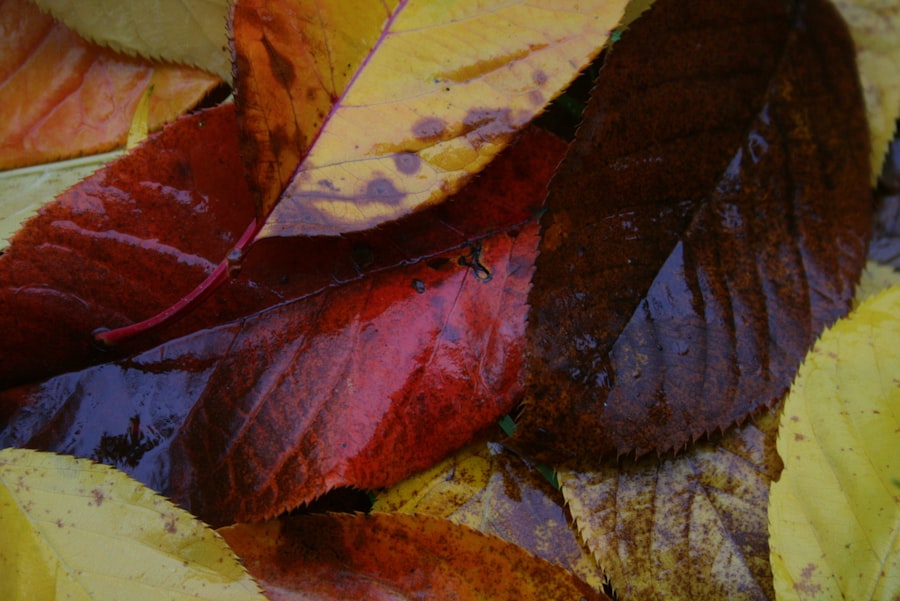
Fueled by consumer demand for more “natural” ingredients, the food industry has increasingly turned to natural colorants derived from plants, insects, and minerals.
Sources and Extraction Methods
Natural food dyes are diverse in origin and extraction. They represent a veritable garden of botanical and zoological abundance:
- Anthocyanins: Found in red cabbage, grapes, and berries, these pigments are responsible for red, purple, and blue hues. Their color is highly dependent on pH, shifting from red in acidic conditions to blue in alkaline.
- Carotenoids: Present in carrots, tomatoes, and marigolds, these pigments provide yellow, orange, and red colors. Beta-carotene, a well-known carotenoid, also serves as a precursor to Vitamin A.
- Chlorophyll: The green pigment in plants, chlorophyll can be extracted to color products like mint-flavored items. However, its stability is challenged by heat and acidity.
- Curcumin: Derived from turmeric, this brilliant yellow pigment is popular in Asian cuisine and increasingly used as a food colorant.
- Annatto: Extracted from the seeds of the achiote tree, annatto yields yellow and orange shades, commonly seen in cheese and butter.
- Cochineal Extract/Carminic Acid: A vibrant red pigment obtained from the cochineal insect. Despite its natural origin, its insect source has led to some controversy and a call for clear labeling.
The extraction of these pigments often involves crushing, solvent extraction, or fermentation processes, followed by purification and stabilization steps.
Challenges and Limitations of Natural Dyes
While appealing from a marketing standpoint, natural dyes present several hurdles:
- Lower Tinting Strength: Generally, larger quantities are needed to achieve the same color intensity as synthetic dyes.
- Poor Stability: Many natural pigments are sensitive to light, heat, pH changes, and oxidation, leading to fading or color shifts during processing and storage. This can be a “moving target” for manufacturers seeking consistent product appearance.
- Variable Consistency: The color intensity and shade can vary depending on the growing conditions of the source material, introducing inconsistency.
- Higher Cost: Extraction, purification, and stabilization of natural dyes are often more expensive than synthesizing artificial ones.
- Potential Allergens: While often perceived as inherently safer, some natural dyes, like cochineal, can trigger allergic reactions in susceptible individuals.
Safety and Regulation: The Watchdog’s Role
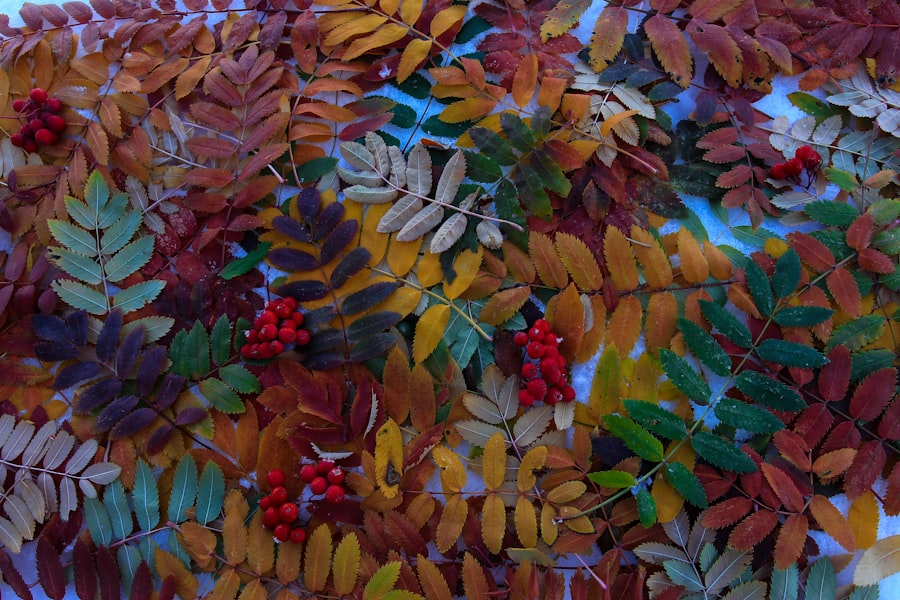
The safety of food colorants, both synthetic and natural, is a paramount concern for consumers and regulatory bodies worldwide. These agencies act as guardians at the gate, ensuring that what we consume is safe.
Regulatory Bodies and Approval Processes
Government agencies such as the Food and Drug Administration (FDA) in the United States, the European Food Safety Authority (EFSA), and equivalent bodies globally are responsible for evaluating the safety of food additives, including colorants. Their approval processes are rigorous and typically involve:
- Toxicological Testing: Extensive studies are conducted on animals to assess acute toxicity, chronic toxicity, carcinogenicity, mutagenicity, and reproductive toxicity.
- Exposure Assessment: Evaluating the potential daily intake of the colorant across different population groups.
- Specification of Purity: Establishing acceptable purity levels and limiting contaminant presence.
- Review of Scientific Literature: Continuous monitoring of new research and adverse event reports.
Only colorants that meet stringent safety criteria are approved for use, and often with specific limitations on permissible levels and applications.
The “Hyperactivity” Debate: A Closer Look at Synthetic Dyes
One of the most contentious aspects of synthetic food dyes revolves around their potential link to hyperactivity in children. This issue is not a new one, but it has gained significant traction in recent decades.
- The Southampton Study: A pivotal study published in The Lancet in 2007 by researchers at the University of Southampton found that mixtures of certain artificial food colors and sodium benzoate were associated with increased hyperactivity in children. This study, while not without its critics regarding methodology and generalizability, sparked a significant public health debate and led to renewed scrutiny of synthetic dyes.
- Mechanism of Action: The exact mechanisms by which these dyes might affect behavior are not fully understood, but hypotheses include direct neurotoxicity, exacerbation of allergic reactions, or interference with neurotransmitter systems.
- Regulatory Responses: In response to these concerns, the European Union has mandated labeling requirements for foods containing certain artificial colors, including the phrase “may have an adverse effect on activity and attention in children.” While the FDA has reviewed the evidence and concluded that there is insufficient data to warrant similar labeling requirements in the US or a ban, the public discourse continues.
It is crucial to understand that while a correlation has been observed in some studies, causation is more difficult to establish definitively within the complex context of human behavior and dietary intake. The scientific community continues to investigate this area.
In the ongoing debate about the safety and efficacy of synthetic food dyes versus natural colors, many consumers are seeking more information to make informed choices. A related article that delves deeper into this topic can be found at Hey Did You Know This, where the potential health implications and regulatory perspectives on food coloring are explored. Understanding the differences between these options can help individuals navigate their dietary preferences more effectively.
Consumer Perception and Market Trends: The Shifting Sands of Preference
| Aspect | Synthetic Food Dyes | Natural Colors |
|---|---|---|
| Source | Artificially manufactured chemicals | Extracted from plants, minerals, or animals |
| Color Intensity | High, vibrant and consistent | Generally less intense, can vary batch to batch |
| Stability | Stable under heat, light, and pH changes | Less stable, may fade or change color with heat or light |
| Common Examples | Tartrazine (Yellow 5), Allura Red (Red 40) | Beet juice, turmeric, spirulina |
| Health Concerns | Linked to hyperactivity in children, allergies in some cases | Generally recognized as safe, but some allergies possible |
| Regulatory Status | Approved with limits by FDA and EFSA; some banned in certain countries | Generally recognized as safe worldwide |
| Cost | Lower production cost | Higher production cost due to extraction process |
| Environmental Impact | Manufacturing can involve toxic chemicals and waste | More sustainable, biodegradable, but requires agricultural resources |
Consumer preferences are a powerful force shaping the food industry. In recent years, there has been a noticeable shift towards “clean label” products, a trend that significantly impacts the choice between synthetic and natural food dyes.
The Allure of “Natural”
The term “natural” often carries a positive connotation for consumers, implying healthiness, purity, and minimal processing. This perception, while not always scientifically accurate, drives demand for natural colorants. Consumers often equate natural ingredients with fewer artificial chemicals and therefore, a safer product. This psychological component is a strong motivator in purchasing decisions.
“Clean Label” Movement: A Call for Transparency
The “clean label” movement refers to the industry-wide effort to simplify ingredient lists, remove artificial additives, and prioritize ingredients that consumers recognize and perceive as whole or minimally processed. For food manufacturers, this often means:
- Replacing synthetic dyes with natural alternatives: This can be a challenging endeavor, given the technical limitations and cost implications of natural colorants.
- Transparency in Sourcing: Consumers are increasingly interested in the origin of their food and its ingredients.
- Reduced Allergenic Components: Avoiding common allergens.
This movement is not just a passing fad; it reflects a deeper societal trend towards transparency, health consciousness, and a desire for foods that align with a perceived sense of well-being.
The Future of Food Coloration: Blending Science and Nature
The trajectory of food coloration appears to be one of ongoing innovation, seeking to bridge the gap between the functional advantages of synthetic dyes and the consumer appeal of natural ones. This future is not a simple dichotomy but rather a complex tapestry woven from scientific advancements and market demands.
Advanced Extraction and Stabilization Technologies
Researchers are continually developing more efficient and sustainable methods for extracting natural pigments. This includes:
- Supercritical Fluid Extraction: A green chemistry technique that uses supercritical fluids (like CO2) to extract compounds, potentially leading to higher purity and fewer solvent residues.
- Microencapsulation: Encasing natural pigments in a protective matrix to improve their stability against light, heat, and oxygen, thereby extending their shelf life and efficacy. This is akin to building a tiny fortress around the delicate natural color.
- Enzymatic Modification: Using enzymes to alter the structure of natural pigments, potentially enhancing their stability, solubility, or color profile.
These advancements aim to overcome the inherent limitations of natural pigments, making them more competitive with their synthetic counterparts in terms of performance.
Genetically Engineered Colorants and Cellular Agriculture
Emerging technologies offer entirely new avenues for food coloration:
- Genetically Modified Organisms (GMOs): Scientists can engineer microorganisms (like yeast or bacteria) to produce specific pigments more efficiently and sustainably. This offers a controlled and scalable production method for complex natural colors that are difficult to extract from plants. Imagine yeast vats brewing vibrant crimson or sunny yellow without the need for vast agricultural land.
- Cellular Agriculture: While primarily focused on producing meat and dairy, cellular agriculture could potentially extend to producing edible pigments in a lab setting, independent of traditional agriculture.
These innovations, while promising, also raise complex ethical and regulatory questions that need to be addressed as they move from laboratory to market.
Hybrid Approaches and Blended Solutions
The future may also see a rise in hybrid approaches, utilizing a combination of natural and synthetic components to achieve desired effects. For example, a base of natural color might be enhanced with a small, carefully chosen synthetic dye to improve stability or intensity in specific applications. Blended solutions could offer the best of both worlds, balancing consumer appeal with functional performance.
In conclusion, the ‘Synthetic vs. Natural: Food Dyes Showdown’ is not a zero-sum game but rather an ongoing evolution driven by scientific discovery, regulatory scrutiny, and shifting consumer preferences. While synthetic dyes offer unparalleled stability and cost-effectiveness, the tide is undeniably turning towards natural alternatives due to health concerns and a desire for “cleaner” labels. The future of food coloration lies in sophisticated technologies that can unlock the full potential of natural pigments, ensuring both the visual appeal and perceived safety of our food. As consumers, our choices continue to shape this landscape, urging manufacturers to innovate and provide a palette that is both vibrant and wholesome.
WATCH NOW ▶️ Why 99% Of American Food Is Illegal Overseas
FAQs
What are synthetic food dyes?
Synthetic food dyes are artificially produced color additives used to enhance the appearance of food and beverages. They are typically derived from petroleum or coal tar and are designed to provide vibrant and consistent colors.
What are natural food colors?
Natural food colors are pigments extracted from natural sources such as fruits, vegetables, plants, and minerals. Examples include beet juice, turmeric, and paprika, which are used to color food without synthetic chemicals.
Are synthetic food dyes safe to consume?
Synthetic food dyes approved by regulatory agencies like the FDA are generally considered safe when consumed within established limits. However, some studies have raised concerns about potential allergic reactions and hyperactivity in sensitive individuals, leading to ongoing research and regulation.
Do natural colors have any advantages over synthetic dyes?
Natural colors are often perceived as healthier and more environmentally friendly since they come from renewable sources and typically contain fewer artificial chemicals. They may also provide additional nutrients or antioxidants, but they can be less stable and have a shorter shelf life compared to synthetic dyes.
Can natural colors replace synthetic dyes in all food products?
While natural colors are increasingly used, they may not always be suitable replacements for synthetic dyes due to differences in color intensity, stability, and cost. Some food products require the bright and consistent hues that synthetic dyes provide, making a complete replacement challenging in certain applications.