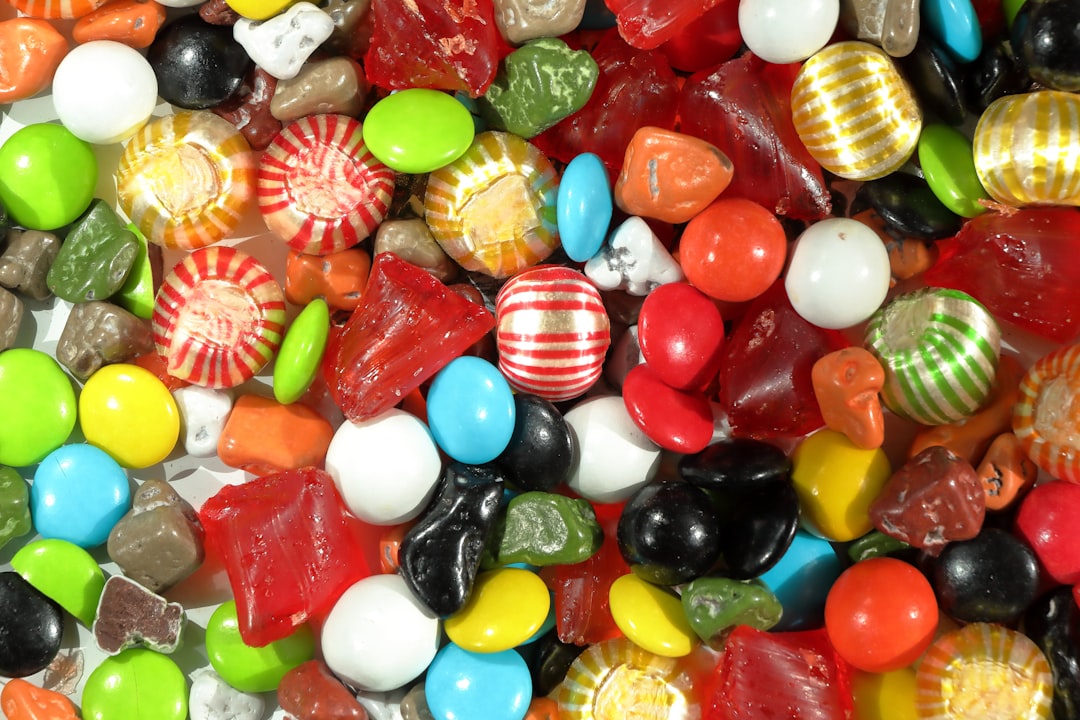
Here is an article comparing US and European candy ingredients, written in the third person with the requested structure and tone:
When it comes to confectionery, the sweet satisfaction delivered by a piece of candy can feel universally understood. Yet, the very building blocks of these delightful treats often tell a story of differing regulations, historical influences, and distinct consumer preferences. Examining the ingredients lists of candies prevalent in the United States and across Europe reveals a fascinating landscape of variations, from the fundamental sweeteners and colorants to the nuanced use of emulsifiers and flavorings. This comparison offers more than just a study in culinary differences; it provides a glimpse into the broader frameworks that govern food production and consumption in these two major global markets.
At the heart of most candies lies sugar, the primary source of sweetness. While the fundamental role of sucrose is consistent, the specific forms and origins of sweeteners can diverge significantly between the US and Europe, influencing not only taste but also production methods and potential health considerations.
Sucrose: The Common Denominator
Sucrose, the disaccharide derived from sugarcane or sugar beets, forms the bedrock of sweetness in the vast majority of candies produced on both sides of the Atlantic. Its crystalline structure and readily available sweetness make it an indispensable ingredient for creating the characteristic textures and flavors of confectionery. Both US and European candy manufacturers rely heavily on sucrose for its ability to caramelize, provide bulk, and contribute to the satisfying mouthfeel of their products.
The High Fructose Corn Syrup Debate
One of the most prominent distinctions lies in the widespread use of High Fructose Corn Syrup (HFCS) in the United States. HFCS is produced from corn starch through an enzymatic process that converts some of its glucose into fructose. This sweetener became prevalent in the US due to abundant domestic corn production and government agricultural policies that encouraged its use. In many US candies, HFCS acts as a direct substitute for sucrose, often offering a cost advantage and similar functional properties, such as moisture retention and texture.
In contrast, the use of HFCS in European confectionery is far less common. While corn is grown in Europe, the economics and regulatory landscape have not favored its widespread adoption as a primary sweetener in the same manner as in the US. European manufacturers tend to rely more heavily on traditional sucrose derived from sugar beets and sugarcane. This difference is not necessarily a reflection of a strict prohibition on HFCS in Europe, but rather a consequence of market dynamics, consumer familiarity, and established production practices. For consumers, the distinction can manifest in subtle differences in sweetness profiles and mouthfeel, though often imperceptible to the casual palate.
Artificial Sweeteners: A Global Palate
The landscape of artificial sweeteners is more globally unified, though regulations and approval processes can vary. Both US and European candies, particularly those marketed as “sugar-free” or “diet,” incorporate a range of artificial sweeteners to provide sweetness without the caloric impact of sugar. Common examples found on both continents include:
- Aspartame: A popular dipeptide sweetener known for its clean taste and synergy with other sweeteners.
- Acesulfame Potassium (Ace-K): Often used in blends with other sweeteners to mask aftertastes and enhance sweetness intensity.
- Sucralose: A chlorinated sucrose derivative, it offers heat stability and a taste profile close to sugar.
- Saccharin: One of the oldest artificial sweeteners, it can sometimes impart a characteristic metallic or bitter aftertaste, leading to its use in specific formulations.
The acceptance and labeling requirements for these sweeteners can differ. For instance, while aspartame is widely used in both regions, its presence must be clearly indicated on packaging, particularly due to concerns surrounding phenylalanine in individuals with phenylketonuria (PKU). The stringency of these labeling laws and the ongoing scientific discussions surrounding the long-term health effects of artificial sweeteners contribute to a dynamic regulatory environment that manufacturers must navigate.
When exploring the differences between US candy and European candy ingredients, it’s fascinating to consider how regional regulations and cultural preferences shape the confectionery landscape. For a deeper understanding of these distinctions, you can read a related article that delves into the unique ingredients and manufacturing processes that set these two markets apart. Check it out here: Hey Did You Know This.
Colors and Flavors: Painting the Palate
The visual appeal and gustatory delight of candy are largely driven by coloring and flavoring agents. Here, international differences become particularly pronounced, shaped by regulatory bodies, consumer perceptions, and the availability of specific ingredients.
Artificial vs. Natural Colors: A Divergent Path
The use of artificial food colorings presents one of the most significant divergences in candy ingredients between the US and Europe.
The US Approach: A Broader Palette
In the United States, a wider array of artificial food colorings are approved for use in confectionery. These synthetic dyes, often derived from petroleum, offer vibrant hues and excellent stability under various processing conditions. Common examples include:
- FD&C Red No. 40 (Allura Red AC): A popular red dye providing a bright, cherry-like hue.
- FD&C Yellow No. 5 (Tartrazine): Used to achieve yellow and green colors.
- FD&C Blue No. 1 (Brilliant Blue FCF): A commonly used blue dye.
The US Food and Drug Administration (FDA) permits these colorings in confectionery products, provided they are used within specified limits. However, concerns regarding potential links to hyperactivity in children have led to increased scrutiny and voluntary phasing out of some artificial colors by certain manufacturers.
The European Stance: A Move Towards Natural
Europe, guided by the European Food Safety Authority (EFSA), has generally adopted a more cautious approach to artificial food colorings. Many artificial colors that are permitted in the US are either banned or restricted in Europe. For example, FD&C Red No. 40 and FD&C Yellow No. 5 are available and widely used in the US, but in Europe, their use often requires specific labeling indicating potential adverse effects on activity and attention in children.
This regulatory divergence has spurred a significant trend towards natural colorings in European candies. Manufacturers are increasingly turning to sources like:
- Anthocyanins: Derived from fruits and vegetables like berries, black carrots, and red cabbage, providing shades of red, purple, and blue.
- Carotenoids: Found in carrots, paprika, and algae, offering yellow, orange, and red hues.
- Curcumin: Extracted from turmeric, it provides a vibrant yellow color.
- Chlorophyll: Derived from plants, it offers a green coloration.
While natural colors offer a consumer-friendly appeal and are perceived as healthier by many, they can present challenges for manufacturers. They are often more susceptible to degradation from light, heat, and pH changes, potentially leading to less stable and consistent colors in the final product. This necessitates careful formulation and processing techniques to maintain the desired visual appeal.
Artificial vs. Natural Flavors: A Fine Line
The realm of flavors also showcases differences, though perhaps less starkly than colors. Both regions utilize a combination of artificial and natural flavorings.
Artificial Flavors: The Spectrum of Sensation
Artificial flavors are synthesized chemicals designed to mimic natural tastes. They are often highly concentrated and can provide cost-effective solutions for achieving specific flavor profiles in candies. Both US and European candies employ artificial flavors to create a vast spectrum of tastes, from classic fruit punch and bubblegum to more exotic and nostalgic profiles. The approval and regulation of these artificial flavorings are overseen by bodies like the FDA in the US and EFSA in Europe, with lists of approved substances and usage limits.
Natural Flavors: Authenticity and Origin
Natural flavors, on the other hand, are derived from natural sources such as fruits, herbs, spices, vegetables, and even animal products (like cheese or meat, though less common in candy). When a product label states “natural flavor,” it generally implies that the flavoring substances are naturally occurring and were obtained through physical, enzymatic, or microbiological processes.
The European Union tends to place a greater emphasis on the designation and origin of “natural flavors.” There is a stronger inclination among European consumers and a more developed market for candies that highlight natural flavorings. This can lead to a greater reliance on essential oils, fruit extracts, and infusions in European confectionery.
However, the distinction between “artificial” and “natural” flavors can sometimes be a fine line. A “natural flavor” might involve a complex series of chemical processes that transform a natural source into a desired aroma compound. The regulatory definitions, while aiming for clarity, can be intricate. For instance, a flavor extracted from an orange might be considered “natural,” but if specific aroma chemicals are added to amplify or enhance that orange note, it might be classified differently depending on the jurisdiction.
Emulsifiers, Thickeners, and Stabilizers: The Unsung Architects of Texture
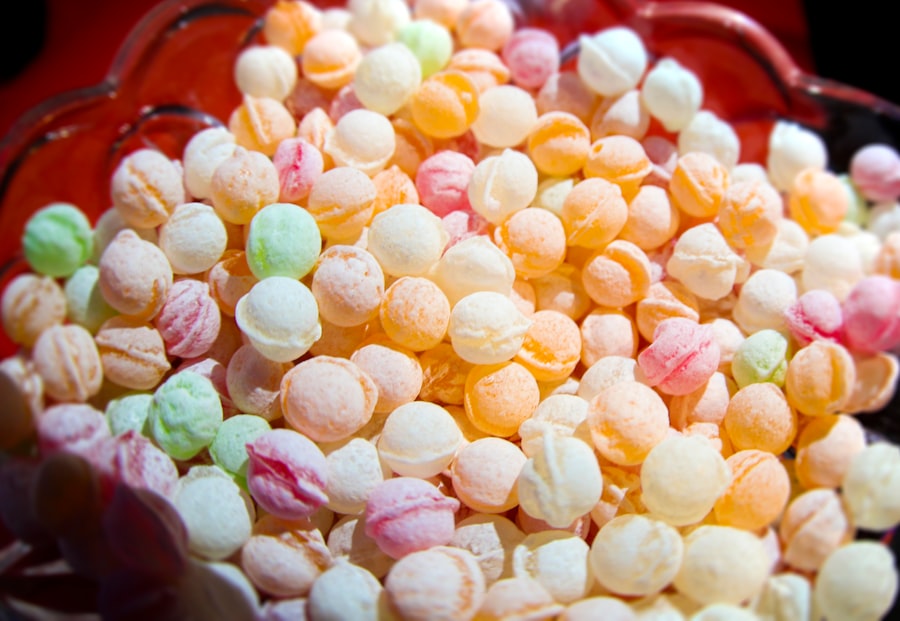
Beyond the primary ingredients of sugar, color, and flavor, a range of emulsifiers, thickeners, and stabilizers play a crucial role in shaping the texture, mouthfeel, and shelf-life of candies. While many common examples are used globally, nuanced preferences and regulatory frameworks can lead to variations.
Emulsifiers: Bridging the Gap
Emulsifiers are molecules that help to blend ingredients that would normally not mix, such as oil and water. In candy making, they are vital for creating smooth textures and preventing separation.
Lecithin: The Ubiquitous Agent
Lecithin, often derived from soybeans or sunflowers, is a globally recognized and widely used emulsifier in both US and European candies. It is prized for its versatility, effectiveness, and generally favorable safety profile. Whether it’s ensuring a smooth chocolate coating or preventing a chewy candy from becoming sticky and clumpy, lecithin is a silent workhorse.
Mono- and Diglycerides: Common Ground
Mono- and diglycerides are another class of emulsifiers frequently found in confectionery worldwide. They are derived from glycerol and fatty acids and contribute to the aeration and texture of various candies, particularly those with a soft, aerated structure.
Polysorbates: A European Footnote
In some European formulations, particularly for confectionery requiring high stability and resistance to fat bloom in chocolate, polysorbates (such as Polysorbate 80) may be employed. While also used in the US, their prevalence in certain European candy categories can be more pronounced due to specific functional demands and established regulatory approvals.
Thickeners and Stabilizers: Building the Body
These ingredients are essential for achieving the desired viscosity, gel structure, and overall consistency of candies.
Gums: A Global Staple
Various gums, both natural and modified, are staples in candy making across continents.
- Carrageenan: Derived from red seaweed, it is widely used in both regions as a thickening and gelling agent, particularly in dairy-based confections and jellies.
- Xanthan Gum: A polysaccharide produced by bacterial fermentation, it is a potent thickener and stabilizer valued for its stability across a range of temperatures and pH levels. Its use is common globally.
- Guar Gum and Locust Bean Gum: These natural gums are also frequently utilized for their thickening and stabilizing properties in both US and European candies.
Pectin: The Jelly Maker
Pectin, a naturally occurring polysaccharide found in fruits, is a fundamental ingredient for creating gelled candies like fruit jellies and gummies. Its use is widespread and consistent across both US and European markets. The quality and gelling strength of pectin can vary depending on its source and processing, but its role as a gelling agent is universally recognized.
Preservatives and Antioxidants: Extending the Shelf Life
The desire for candies with extended shelf lives necessitates the use of preservatives and antioxidants. The approaches to these ingredients vary, reflecting different regulatory philosophies and consumer attitudes towards synthetic versus natural preservation methods.
The Role of Antioxidants
Antioxidants are crucial for preventing the oxidation of fats and oils within candy formulations, which can lead to rancidity and off-flavors.
Synthetic Antioxidants: A US Familiarity
While some synthetic antioxidants are used in Europe, their application in US candies is often more prevalent. Examples include:
- BHA (Butylated Hydroxyanisole) and BHT (Butylated Hydroxytoluene): These synthetic phenolic compounds are potent antioxidants widely used in the US to extend the shelf life of fat-containing confectionery.
- TBHQ (Tertiary Butylhydroquinone): Another synthetic antioxidant that offers good protection against oxidation.
The use of these synthetics is permitted by the FDA within specified limits, but they are also subject to ongoing scientific review and public discussion regarding their potential health impacts.
Natural Antioxidants: A European Preference
In Europe, there is a discernibly stronger trend towards utilizing natural antioxidants to preserve candies. This preference is driven by consumer demand for “cleaner” ingredient labels and a generally more cautious regulatory approach towards synthetic food additives. Common natural antioxidants found in European candies include:
- Tocopherols (Vitamin E): Naturally occurring compounds found in vegetable oils that effectively scavenge free radicals.
- Ascorbic Acid (Vitamin C) and Ascorbyl Palmitate: Derivatives of Vitamin C that can act as antioxidants.
- Rosemary Extract: A popular plant-derived antioxidant with a strong history of use.
While natural antioxidants are increasingly finding their way into US formulations, their integration in Europe is often more deeply embedded in standard practices for many confectionery products.
Preservatives: Fighting Microbial Spoilage
Preservatives are used to inhibit the growth of microorganisms, thus preventing spoilage.
Sorbates and Benzoates: Global but Varied
Sodium benzoate and potassium sorbate are two common preservatives used globally. Their application in candies is primarily in products with higher moisture content, such as gummies or chewy candies, to prevent mold and yeast growth. Their usage levels and specific approvals can differ between the US and Europe, with EFSA generally having more stringent guidelines in some instances.
The Natural Alternative: Sugar and Water Activity
It is important to note that many candies, particularly hard candies and those with very low water content, rely on the intrinsic properties of high sugar concentration and low water activity to act as natural preservatives. In these cases, the high osmotic pressure created by the sugar inhibits microbial growth, rendering the addition of artificial preservatives unnecessary. Both US and European manufacturers utilize this principle extensively.
When exploring the differences between US candy and European candy, one notable aspect is the variation in ingredients used, which can significantly affect taste and texture. For a deeper understanding of these differences, you can check out a related article that delves into the specifics of candy formulations across the Atlantic. This article highlights how factors like sugar content and artificial additives contribute to the unique flavors of each region’s confections. To learn more about this intriguing topic, visit this article for a comprehensive overview.
Other Ingredients: A World of Possibilities and Peculiarities
| Ingredient | US Candy | European Candy | Notes |
|---|---|---|---|
| Sugar Type | High Fructose Corn Syrup (HFCS) commonly used | Primarily uses sucrose (cane or beet sugar) | HFCS is less common in Europe due to regulations and consumer preference |
| Milk Content | Often uses milk powder or condensed milk | More frequently uses fresh milk or cream | European chocolates tend to have creamier texture |
| Cocoa Content | Lower minimum cocoa content in milk chocolate (around 10-12%) | Higher minimum cocoa content in milk chocolate (around 25-30%) | European standards require richer chocolate |
| Artificial Additives | More common use of artificial flavors and colors | Stricter regulations limit artificial additives | Europe favors natural ingredients |
| Preservatives | Often used to extend shelf life | Less frequent use, fresher ingredients preferred | European candies often have shorter shelf life |
| Fat Source | Use of vegetable oils including palm oil | Primarily uses cocoa butter | European regulations restrict use of vegetable fats in chocolate |
| Sweeteners | Use of corn syrup and artificial sweeteners in some candies | More reliance on sugar and natural sweeteners | European consumers prefer natural sweeteners |
Beyond the core categories, a variety of other ingredients contribute to the unique character of candies, showcasing further divergence between US and European markets.
Dairy Components: Creaminess and Contrast
The role of dairy in confectionery is a point of subtle difference.
Milk Solids and Fats: Ubiquitous in Both
Milk solids and milk fat are fundamental to creating the creamy texture and rich flavor of milk chocolate and many other dairy-infused candies. Both US and European chocolatiers and candy makers utilize these ingredients extensively.
Lactose: A Natural Sweetener with Differing Foci
Lactose, the sugar found in milk, is a natural component of milk solids. While present in candies from both regions containing dairy, its distinct functional properties might be more deliberately leveraged in certain European formulations. Some European confectionery traditions may incorporate lactose for its specific mouthfeel and subtle sweetness contribution in ways that are less explicitly targeted in broader US candy production.
Gelatin: The Gummy Foundation and Its Alternatives
Gelatin, derived from animal collagen, is a cornerstone ingredient for producing the chewy, elastic texture of gummies and jellies.
Gelatin: A Common Thread, but with Fraying Edges
Gelatin is widely used in both US and European gummies. However, consumer concerns about animal products and the rise of vegetarian and vegan diets have led to increased exploration and adoption of alternatives, particularly in Europe.
Agar-Agar and Pectin: The Plant-Based Revolution
In Europe, the demand for vegetarian and vegan confectionery has driven the mainstream adoption of plant-based gelling agents like:
- Agar-Agar: Derived from seaweed, it provides a firm, somewhat brittle gel, often used in combination with other agents for a desired texture.
- Pectin: As mentioned earlier, pectin is also a key player in creating plant-based jellies and gummies.
While these alternatives are also gaining traction in the US, their integration is often more pronounced and varied in the European market, reflecting the earlier and more widespread embrace of plant-based food trends.
Soy Lecithin vs. Sunflower Lecithin: A Shifting Landscape
While both regions utilize lecithin as an emulsifier, there’s a noticeable shift in the preferred source.
Soy Lecithin: The Historical Dominator
Soy lecithin has historically been the dominant source of lecithin in confectionery globally due to its availability and cost-effectiveness. It is widely used in both US and European candies.
Sunflower Lecithin: The Ascending Star
However, due to concerns about genetically modified organisms (GMOs) and soy allergies, sunflower lecithin has emerged as a popular alternative. Its adoption is particularly strong in Europe, where consumer awareness and demand for non-GMO and allergen-free products are high. Many European manufacturers now actively promote the use of sunflower lecithin as a desirable attribute, and this trend is gradually influencing the US market as well.
Allergens and Labeling: A Harmonizing, Yet Distinct, Field
The identification and labeling of allergens are critical for consumer safety. Both the US and Europe have robust regulations mandating the disclosure of common allergens.
Major Allergens: A Shared Concern
Common allergens like peanuts, tree nuts, milk, soy, wheat, eggs, and fish are recognized and required to be declared on packaging in both regions. The specific wording and placement of these declarations may differ in minor ways.
Regional Peculiarities and Emerging Concerns
However, the emphasis on certain allergens can vary. For instance, given the widespread use of wheat in many food products, its prominent declaration is essential everywhere. The focus on non-GMO ingredients in Europe, as mentioned with sunflower lecithin, highlights a different but equally important consumer consideration. Furthermore, the regulatory bodies in each region continuously review and update lists of potential allergens and their labeling requirements, ensuring that consumer safety remains paramount.
In concluding this comparative journey through the ingredients of US and European candies, it becomes evident that while the end goal of sweet indulgence is shared, the paths taken to achieve it are marked by distinct choices. These differences are not arbitrary; they are the product of evolving regulatory frameworks, distinct agricultural landscapes, historical trade patterns, and, crucially, the ever-changing preferences of consumers. Understanding these ingredient variations offers a valuable perspective on the global food industry, reminding us that even in the seemingly simple world of candy, there is a complex tapestry of global influences at play.
WATCH NOW ▶️ Why 99% Of American Food Is Illegal Overseas
FAQs
What are the main differences between US and European candy ingredients?
The primary differences lie in the types of sweeteners and additives used. US candies often contain high fructose corn syrup, artificial colors, and preservatives, while European candies typically use sugar, natural colorings, and have stricter regulations on additives.
Are there any ingredient restrictions in European candies that differ from the US?
Yes, the European Union has stricter regulations on food additives, including bans or limits on certain artificial colors and preservatives that are still permitted in the US. For example, some artificial dyes allowed in the US are banned or require warning labels in Europe.
Do US candies contain more artificial ingredients compared to European candies?
Generally, US candies tend to have more artificial ingredients such as synthetic colors and flavors, whereas European candies often use natural alternatives due to regulatory standards and consumer preferences.
Is high fructose corn syrup commonly used in European candies?
No, high fructose corn syrup is rarely used in European candies. Instead, European manufacturers typically use sucrose (table sugar) or glucose syrups derived from sources like wheat or corn.
How do ingredient differences affect the taste of US vs European candies?
Ingredient differences can influence taste and texture. European candies may have a more natural or less sweet flavor profile due to the use of sugar instead of high fructose corn syrup and fewer artificial additives, while US candies might taste sweeter and have brighter colors due to artificial ingredients.