
The pervasive presence of ultra-processed foods in the modern dietary landscape has raised significant concerns regarding their impact on cardiovascular health. These foods, characterized by extensive industrial processing and the inclusion of numerous additives, represent a departure from minimally processed or whole foods, and their consumption patterns are increasingly linked to adverse health outcomes. Understanding the mechanisms and consequences of this relationship is crucial for public health initiatives and individual dietary choices.
To grasp the implications for cardiovascular health, one must first define what constitutes an ultra-processed food. These are not merely foods that have undergone some degree of cooking or preservation. Instead, they are typically manufactured products, often bearing little resemblance to their original ingredients. Their production involves a complex array of industrial techniques, including extrusion, hydrogenation, and fermentation aided by industrial enzymes, often resulting in formulations containing ingredients not typically found in a home kitchen.
Defining the Spectrum of Food Processing
The NOVA Classification System
The NOVA classification system, developed by researchers at the University of São Paulo, is a widely adopted framework for categorizing foods based on the extent and purpose of processing. It divides foods into four groups:
- Unprocessed or Minimally Processed Foods: These include fruits, vegetables, whole grains, legumes, nuts, seeds, and fresh meats or fish. They are consumed in their natural state or after simple preparations like washing, drying, or milling.
- Processed Culinary Ingredients: These are substances extracted from unprocessed foods, such as oils, butter, sugar, and salt. They are used in cooking to make processed foods.
- Processed Foods: These are typically made by adding ingredients like salt, sugar, or oil to unprocessed or minimally processed foods. Examples include canned vegetables, artisanal breads, and cheeses. They generally consist of a few ingredients and are recognizable as modified versions of whole foods.
- Ultra-Processed Foods (UPFs): This category encompasses industrial formulations typically made from substances derived from foods, or synthesized in laboratories, with little or no intact whole food. They often contain additives such as artificial flavors, colors, emulsifiers, sweeteners, and preservatives. UPFs are designed to be convenient, palatable, and often hyper-rewarding, meaning they can override natural satiety cues. Examples abound in commercial snacks, sugary beverages, ready-to-eat meals, and most fast food items.
Key Characteristics of Ultra-Processed Foods
The distinguishing features of UPFs are multipronged and contribute to their potential detrimental effects:
- Formulation-Based Nature: UPFs are assembled from processed ingredients and additives, rather than being directly derived from whole foods. This means that even if they contain some beneficial components from original ingredients, these are often present in altered forms or in insufficient quantities to confer significant health benefits.
- High Content of Added Sugars, Unhealthy Fats, and Sodium: This is a hallmark of many UPFs. These ingredients are often added to enhance palatability, extend shelf-life, and improve texture. The excessive intake of these macronutrients is a well-established risk factor for cardiovascular disease.
- Low Fiber and Micronutrient Density: In contrast to whole foods, UPFs are typically stripped of their natural fiber content and essential vitamins and minerals during processing. This lack of nutritional density means that consuming UPFs displaces more nutrient-rich foods from the diet, contributing to nutrient deficiencies and increasing the risk of chronic diseases.
- Presence of Food Additives: While regulatory bodies deem individual additives safe at specified levels, the cumulative effect of consuming a diet rich in a variety of additives is not fully understood. Some additives have been linked to inflammatory pathways, and their role in chronic disease development is an active area of research.
- Altered Food Structures: Industrial processing can significantly alter the physical structure of food. For example, grinding grains into flour or homogenizing fats can make nutrients more readily available for absorption, which can lead to rapid spikes in blood glucose. Conversely, complex food matrices that promote satiety are often broken down.
Recent studies have increasingly highlighted the impact of ultra-processed foods on cardiovascular health, revealing a concerning link between high consumption of these products and an increased risk of heart disease. For further insights into this topic, you can explore a related article that delves into the effects of dietary choices on heart health by visiting this link.
The Mechanistic Links Between UPFs and Cardiovascular Health
The relationship between ultra-processed food consumption and cardiovascular disease is not a simple one-to-one correlation. Instead, it is a complex interplay of biological pathways, nutritional imbalances, and behavioral factors that cumulatively place a strain on the cardiovascular system.
Inflammation as a Central Player
Chronic Low-Grade Inflammation
One of the primary mechanisms by which UPFs may negatively impact cardiovascular health is by promoting chronic low-grade inflammation. This systemic inflammation acts like a silent, persistent irritant to the body’s tissues, including the delicate lining of blood vessels, the endothelium.
- Role of Inflammatory Markers: UPF consumption has been associated with elevated levels of pro-inflammatory markers such as C-reactive protein (CRP), interleukins (e.g., IL-6), and tumor necrosis factor-alpha (TNF-α). These markers are key indicators of ongoing inflammatory processes within the body.
- Endothelial Dysfunction: Chronic inflammation can lead to endothelial dysfunction, a condition where the inner lining of blood vessels loses its ability to properly regulate blood flow, blood clotting, and the passage of molecules. This dysfunction is an early precursor to atherosclerosis, the hardening and narrowing of arteries.
- Oxidative Stress Amplification: UPFs can contribute to oxidative stress, an imbalance between free radicals and antioxidants in the body. The presence of certain additives, or the way nutrients are processed, can exacerbate this stress, further damaging cellular components and promoting inflammatory cascades.
Impact on Lipid Profiles
The composition of UPFs, particularly their high content of saturated and trans fats, and added sugars, directly influences blood lipid levels, a significant determinant of cardiovascular risk.
- Elevated LDL Cholesterol and Triglycerides: Consuming UPFs often results in an increased intake of unhealthy fats, leading to elevated levels of low-density lipoprotein (LDL) cholesterol – often referred to as “bad” cholesterol – and triglycerides. High levels of these lipids contribute to the buildup of plaque in the arteries.
- Reduced HDL Cholesterol: Conversely, diets high in UPFs can be associated with lower levels of high-density lipoprotein (HDL) cholesterol, the “good” cholesterol that helps remove excess cholesterol from the bloodstream.
- Atherogenic Particle Remodeling: The processing of fats in UPFs can lead to the formation of smaller, denser LDL particles. These particles are more prone to oxidation and penetration into the arterial wall, accelerating the atherosclerotic process.
Blood Pressure Dysregulation
The high sodium content in many UPFs is a direct driver of elevated blood pressure, a major risk factor for heart disease and stroke.
- Sodium and Fluid Retention: Sodium plays a crucial role in regulating fluid balance in the body. Excessive sodium intake causes the body to retain more water, increasing the volume of blood circulating through the arteries. This increased volume puts extra pressure on the arterial walls.
- Renin-Angiotensin-Aldosterone System Activation: High sodium intake can also trigger the activation of the renin-angiotensin-aldosterone system (RAAS), a hormonal cascade that further contributes to vasoconstriction (narrowing of blood vessels) and increased blood pressure.
- Impact on Arterial Stiffness: Over time, chronically elevated blood pressure can lead to stiffening of the arteries. Stiff arteries are less able to expand and contract with each heartbeat, further increasing the workload on the heart and contributing to cardiovascular damage.
Glucose Metabolism and Insulin Resistance
The rapid absorption of refined carbohydrates and added sugars from UPFs can overwhelm the body’s ability to regulate blood glucose levels, leading to insulin resistance and increasing the risk of type 2 diabetes, a significant comorbidity with cardiovascular disease.
- Glycemic Load and Peaks: UPFs often have a high glycemic load, meaning they cause a rapid and substantial rise in blood glucose levels after consumption. These frequent spikes of sugar in the bloodstream can, over time, desensitize the body’s cells to insulin.
- Insulin Resistance: When cells become resistant to insulin, the pancreas has to produce more insulin to try and keep blood sugar levels in check. This sustained high insulin demand can eventually lead to pancreatic burnout and the development of type 2 diabetes.
- Interactions with Lipids: Insulin resistance and type 2 diabetes are closely intertwined with dyslipidemia, creating a metabolic environment that is highly conducive to cardiovascular disease development.
Gut Microbiome Disruption
Emerging research highlights the profound impact of diet on the gut microbiome, the complex community of microorganisms residing in the digestive tract. UPFs can negatively alter the composition and function of this crucial ecosystem.
- Reduced Microbial Diversity: Diets rich in UPFs are often associated with a reduction in the diversity of gut bacteria. A diverse microbiome is generally considered more resilient and beneficial for overall health.
- Shift Towards Pro-Inflammatory Bacteria: Certain ingredients common in UPFs, such as artificial sweeteners and emulsifiers, have been shown in animal and some human studies to promote the growth of bacteria that are associated with inflammation and impaired gut barrier function.
- Production of Metabolites: The gut microbiome produces a variety of metabolites, some of which have beneficial effects on cardiovascular health (e.g., short-chain fatty acids). Disruption of the microbiome by UPFs can lead to a reduction in these beneficial metabolites and an increase in potentially harmful ones.
Epidemiological Evidence: The Observable Consequences
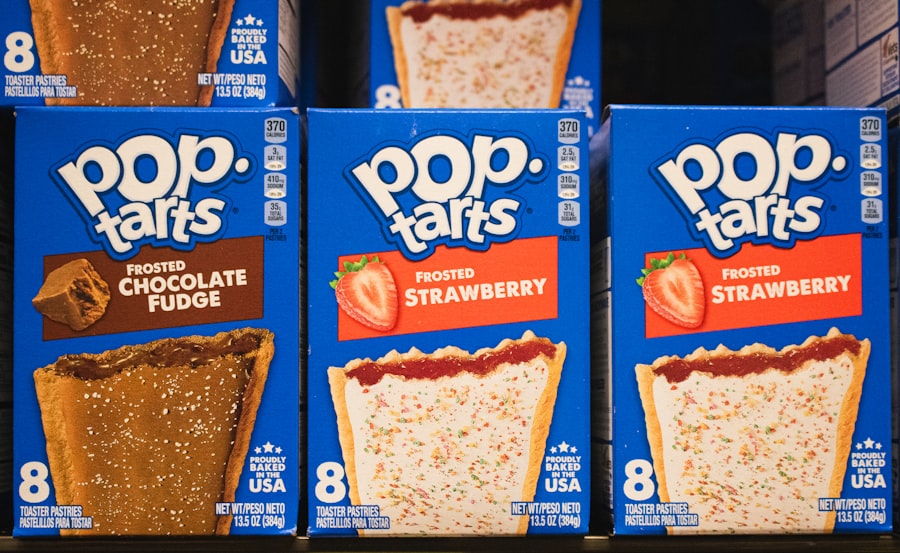
Beyond theoretical mechanisms, a growing body of epidemiological research provides compelling evidence linking higher consumption of ultra-processed foods to increased risks of various cardiovascular diseases. These studies, often large-scale and observational, act as a powerful mirror reflecting the real-world consequences of modern dietary habits.
Increased Risk of Cardiovascular Events
Coronary Heart Disease
Numerous observational studies have demonstrated a clear association between higher intake of UPFs and an increased incidence of coronary heart disease (CHD), the leading cause of death worldwide.
- Large Cohort Studies: Studies involving tens or even hundreds of thousands of participants have consistently found that individuals who consume the most UPFs have a significantly higher risk of developing CHD, experiencing heart attacks, or undergoing revascularization procedures.
- Dose-Response Relationship: Often, a dose-response relationship is observed, meaning that the risk of CHD increases as the proportion of UPFs in the diet increases. This strengthens the argument that UPFs are not simply markers of an unhealthy lifestyle but contribute independently to disease risk.
- Impact on Atherosclerosis Progression: The mechanisms discussed earlier – inflammation, dyslipidemia, and endothelial dysfunction – are all key drivers of atherosclerosis. Increased UPF consumption provides fertile ground for these processes to accelerate, leading to a greater likelihood of arterial blockages.
Stroke Incidence
The impact of UPFs extends beyond the heart to the brain, with strong associations found with an increased risk of stroke.
- Ischemic Stroke: The high sodium and unhealthy fat content in UPFs contribute to hypertension and atherosclerosis, both major risk factors for ischemic stroke, which occurs when blood flow to the brain is blocked.
- Hemorrhagic Stroke: While less directly linked, chronic hypertension driven by UPF consumption can also increase the risk of hemorrhagic stroke, caused by the rupture of a blood vessel in the brain.
- Global Burden of Stroke: Given the prevalence of stroke and its debilitating effects, understanding the dietary contributors like UPFs is crucial for public health strategies aimed at reducing this burden.
Heart Failure Development
Ultra-processed foods have also been implicated in the development and progression of heart failure, a chronic condition where the heart cannot pump blood effectively.
- Cardiomyopathy Mechanisms: Chronic exposure to inflammation, oxidative stress, and the metabolic derangements associated with UPF consumption can directly damage the heart muscle (cardiomyopathy), impairing its ability to contract and relax.
- Fluid and Electrolyte Imbalance: The high sodium content in UPFs can exacerbate fluid retention, placing an additional burden on an already compromised heart and potentially worsening heart failure symptoms.
- Compounding Risk Factors: For individuals with existing cardiovascular conditions, a diet high in UPFs can act as a significant accelerant, leading to a faster decline in heart function and an increased risk of hospitalization.
Beyond Direct Impact: Indirect Effects and Behavioral Considerations

The influence of ultra-processed foods on cardiovascular health is not solely confined to their direct biological effects. Their inherent characteristics often foster less healthy dietary patterns and lifestyle choices, creating a web of interconnected risk factors.
Displacement of Nutrient-Dense Foods
The Empty Calorie Phenomenon
One of the most insidious effects of UPF consumption is the displacement of nutrient-rich whole foods. When a significant portion of daily calorie intake comes from UPFs, it leaves less room for foods that provide essential vitamins, minerals, fiber, and beneficial phytonutrients.
- Nutrient Deficiencies: This displacement can lead to latent or overt nutrient deficiencies, weakening the body’s overall resilience and its ability to combat disease processes, including those that affect cardiovascular health.
- Reduced Satiety: UPFs are often engineered to be hyper-palatable but lack the fiber and complex structure of whole foods, leading to reduced satiety. This can result in overconsumption and increased overall calorie intake, contributing to weight gain and obesity, which are themselves major risk factors for cardiovascular disease.
- Feedback Loops of Unhealthy Eating: The cycle of consuming UPFs leading to reduced satiety and further cravings for more palatable, often processed, foods creates a difficult-to-break feedback loop of unhealthy eating patterns.
Contribution to Obesity and Metabolic Syndrome
The hyper-palatability and high caloric density of UPFs, combined with their tendency to be less satiating, contribute significantly to the global obesity epidemic. Obesity, in turn, is a powerful predictor of metabolic syndrome, a cluster of conditions that dramatically increases cardiovascular risk.
- Abdominal Obesity: UPF consumption is often associated with a higher accumulation of visceral fat, the dangerous fat that surrounds internal organs in the abdomen. Visceral fat is metabolically active and strongly linked to inflammation and insulin resistance.
- Metabolic Syndrome Components: Metabolic syndrome encompasses a constellation of issues including high blood pressure, high blood sugar, unhealthy cholesterol levels, and excess abdominal fat. UPFs contribute to nearly all of these components, creating a perfect storm for cardiovascular disease.
- Weight-Loss Resistance: The addictive nature of some UPF ingredients, coupled with the physiological changes induced by poor diet, can make weight loss particularly challenging, perpetuating the cycle of obesity and its associated health risks.
Alteration of Eating Behaviors and Food Preferences
The pervasive availability and marketing of UPFs can profoundly shape individual eating behaviors and preferences from a young age, creating long-term dietary habits that are detrimental to cardiovascular well-being.
- Early Exposure and Habit Formation: Children exposed to a high proportion of UPFs tend to develop a preference for these intensely flavored, sweet, and salty foods, making it more difficult for them to appreciate the subtler flavors of whole foods.
- Snacking Culture: UPFs are often marketed and designed for convenient snacking. This can foster a culture of frequent, often mindless, eating of calorie-dense, nutrient-poor foods throughout the day, rather than structured meals composed of whole ingredients.
- Emotional Eating and Comfort Foods: The hyper-palatability of UPFs can also make them appealing as “comfort foods” or for stress-related eating, further entrenching their role in a person’s diet and potentially exacerbating unhealthy coping mechanisms.
Recent studies have highlighted the concerning relationship between ultra-processed foods and cardiovascular health, suggesting that a diet high in these products may significantly increase the risk of heart disease. For a deeper understanding of this issue, you can explore a related article that discusses the impact of dietary choices on heart health. This informative piece provides valuable insights into how reducing the intake of ultra-processed foods can lead to better cardiovascular outcomes. To read more, visit this article.
Strategies for Mitigation and a Healthier Future
| Study | Population | Ultra-Processed Food Intake | Cardiovascular Outcome | Relative Risk (RR) / Hazard Ratio (HR) | Key Findings |
|---|---|---|---|---|---|
| Srour et al., 2019 (NutriNet-Santé) | 105,159 French adults | Highest vs. lowest quartile | Cardiovascular disease incidence | HR 1.12 (95% CI: 1.04–1.21) | Higher ultra-processed food consumption associated with increased CVD risk |
| Kim et al., 2019 (Nurses’ Health Study) | 31,546 US women | Top quintile vs. bottom quintile | Coronary heart disease | HR 1.29 (95% CI: 1.06–1.56) | Greater intake linked to higher CHD risk |
| Fiolet et al., 2018 (NutriNet-Santé) | 44,551 French adults | Per 10% increase in ultra-processed food intake | Overall cardiovascular disease | HR 1.12 (95% CI: 1.05–1.20) | Incremental increase in risk with higher consumption |
| Juul et al., 2021 (Danish cohort) | 55,000 adults | Highest vs. lowest quartile | Stroke incidence | RR 1.15 (95% CI: 1.02–1.30) | Modest increase in stroke risk with ultra-processed food |
| Meta-analysis (2022) | 7 studies, 200,000+ participants | Highest vs. lowest intake | Cardiovascular disease mortality | RR 1.18 (95% CI: 1.10–1.26) | Consistent association between ultra-processed food and CVD mortality |
The impact of ultra-processed foods on cardiovascular health is a complex challenge, but one that is not insurmountable. A multi-pronged approach involving individual dietary changes, public health initiatives, and policy interventions is essential to shift the tide towards healthier eating patterns.
Individual Dietary Modifications
Prioritizing Whole Foods
The cornerstone of mitigating the negative impact of UPFs is a conscious shift towards a diet centered on unprocessed and minimally processed foods. This means making whole fruits, vegetables, lean proteins, whole grains, legumes, nuts, and seeds the foundation of one’s meals.
- Reading Food Labels: Becoming a discerning consumer by carefully reading food labels is paramount. Understanding the ingredients list and looking for shorter lists composed of recognizable ingredients signals a less processed product.
- Home Cooking and Meal Preparation: Engaging in home cooking and preparing meals from scratch offers the greatest control over ingredients and processing. This allows for the avoidance of added sugars, unhealthy fats, sodium, and unwanted additives common in UPFs.
- Mindful Eating Practices: Cultivating mindful eating habits, paying attention to hunger and satiety cues, and savoring meals can help reduce overconsumption and foster a healthier relationship with food, making it less likely to reach for convenience UPFs.
Reducing Consumption of Specific UPF Categories
While a complete elimination of UPFs may be unrealistic for some, targeted reduction can yield significant benefits. Identifying and limiting intake of the most problematic categories is a practical starting point.
- Sugary Beverages: These are a major source of added sugars and empty calories. Replacing sodas, sweetened juices, and energy drinks with water, unsweetened tea, or coffee can have a substantial positive impact on cardiovascular health and weight management.
- Processed Meats: Sausages, bacon, and deli meats are often high in sodium and nitrates, which have been linked to increased cardiovascular risk. Opting for fresh, unprocessed meats or plant-based protein alternatives is a healthier choice.
- Packaged Snacks and Desserts: Many commercially available chips, crackers, cookies, and candies fall into the UPF category. Choosing fruits, nuts, or seeds as snack options can drastically improve the nutritional quality of the diet.
- Ready-to-Eat Meals and Fast Food: While convenient, these items are often laden with sodium, unhealthy fats, and preservatives. Gradually reducing reliance on these options and opting for home-prepared meals or healthier restaurant choices can be beneficial.
Public Health and Policy Interventions
Beyond individual choices, systemic changes are crucial for creating an environment that supports healthier diets.
- Front-of-Package Labeling: Implementing clear and easily understandable front-of-package labeling systems that highlight unhealthy ingredients like high sugar, salt, and saturated fat content can empower consumers to make more informed choices.
- Restrictions on Marketing to Children: Limiting the aggressive marketing of UPFs to children is essential to prevent the early establishment of unhealthy taste preferences and eating habits.
- Fiscal Policies (e.g., Sugar Taxes): Implementing taxes on sugar-sweetened beverages and other high-sugar UPFs can serve as a disincentive for consumption and generate revenue that can be reinvested in public health initiatives promoting healthy eating.
- Subsidies for Healthy Foods: Policies that make healthy, whole foods more affordable and accessible, particularly for low-income populations, can help to level the playing field and reduce disparities in dietary quality.
- Educating the Public: Comprehensive public health campaigns that educate individuals about the risks associated with UPFs and promote the benefits of whole foods are vital for driving broad dietary change. These campaigns should utilize accessible language and relatable messaging, avoiding the jargon that can alienate individuals.
The impact of ultra-processed foods on cardiovascular health is a stark reminder that what we eat is not merely a matter of personal preference but a profound determinant of our long-term well-being. By understanding the multifaceted nature of this relationship, from the biological mechanisms to the societal influences, we can empower ourselves and our communities to make informed choices that prioritize the health of our hearts and our futures. The journey towards a healthier cardiovascular system often begins on the plate, with a conscious choice to embrace the power of unprocessed nourishment.

WATCH NOW ▶️ Why 99% Of American Food Is Illegal Overseas
FAQs
What are ultra-processed foods?
Ultra-processed foods are industrial formulations typically made from substances extracted from foods or derived from food constituents, with little or no whole foods. They often contain additives such as preservatives, sweeteners, colorings, and flavor enhancers.
How do ultra-processed foods affect cardiovascular health?
Consumption of ultra-processed foods has been linked to an increased risk of cardiovascular diseases. These foods are often high in unhealthy fats, sugars, salt, and calories, which can contribute to obesity, high blood pressure, inflammation, and other risk factors for heart disease.
Are all processed foods harmful to heart health?
Not all processed foods are harmful. Minimally processed foods like frozen vegetables or canned beans can be part of a healthy diet. The concern primarily lies with ultra-processed foods that are heavily modified and contain unhealthy additives.
What dietary recommendations are suggested to reduce cardiovascular risk related to ultra-processed foods?
Health experts recommend limiting the intake of ultra-processed foods and focusing on a diet rich in whole, minimally processed foods such as fruits, vegetables, whole grains, lean proteins, and healthy fats to support cardiovascular health.
Can reducing ultra-processed food intake improve heart health?
Yes, reducing the consumption of ultra-processed foods can improve heart health by lowering risk factors such as high blood pressure, cholesterol levels, and obesity, thereby decreasing the likelihood of developing cardiovascular diseases.