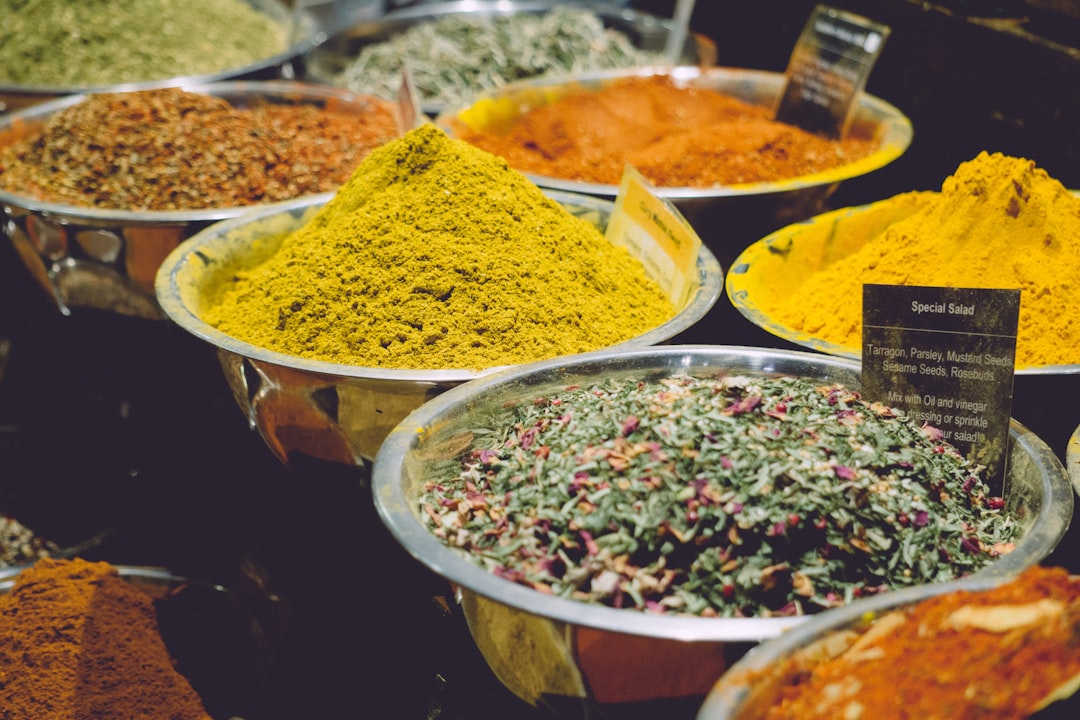
The persistent debate surrounding natural and artificial flavors often leaves consumers navigating a murky landscape of marketing claims and scientific jargon. Understanding the nuances of these flavorings requires a deep dive into their origins, chemical compositions, perceptions, and regulatory frameworks. This article aims to demystify these categories, providing a factual and comprehensive overview for the discerning reader.
Before dissecting the “natural” and “artificial” labels, it is crucial to understand what constitutes a flavor. Fundamentally, flavor is a complex sensory experience that combines taste (sweet, sour, salty, bitter, umami) with aroma, texture, and even visual cues. The human tongue possesses taste receptors that detect non-volatile compounds, while the olfactory system, located in the nose, identifies volatile aromatic compounds. These two systems work in concert, creating the rich tapestry of sensations we perceive as flavor.
Chemical Foundations of Flavor
At its core, flavor is a matter of chemistry. Every ingredient, from a fresh strawberry to a manufactured candy, derives its distinctive taste and aroma from a unique combination of chemical compounds. These compounds, often referred to as “flavor components” or “flavorants,” interact with our sensory receptors to elicit specific perceptions. For example, vanillin is a primary contributor to vanilla flavor, while ethyl butyrate is a key component in pineapple aroma. The complexity arises from the sheer number of these compounds; a single fruit can contain hundreds of different flavor compounds, each contributing a subtle note to the overall profile.
The Role of Perception and Expectations
Beyond the chemical reality, human perception plays a significant role in how flavors are experienced. Preconceived notions, branding, and even the color of a food or beverage can influence our perception of its taste. A red liquid, for instance, might be expected to taste like cherry or strawberry, even if its actual flavor profile is different. This phenomenon, often explored in sensory science, highlights the subjective nature of flavor and how easily it can be manipulated by external factors.
In the ongoing debate about the differences between natural and artificial flavors, a related article that delves deeper into this topic can be found at Hey Did You Know This. This article explores the origins, production processes, and health implications of both types of flavors, providing valuable insights for consumers looking to make informed choices about the food they eat. Understanding these distinctions can help demystify the labels often found on food packaging and clarify what we are truly consuming.
Dissecting “Natural” Flavors: A Closer Look
The term “natural flavor” often conjures images of pristine ingredients and wholesome origins. However, the regulatory definition, particularly in the United States and Europe, reveals a more nuanced reality.
Regulatory Definitions and Approved Sources
According to the U.S. Food and Drug Administration (FDA), a “natural flavor” is derived from a spice, fruit or fruit juice, vegetable or vegetable juice, edible yeast, herb, bark, bud, root, leaf or similar plant material, meat, seafood, poultry, eggs, dairy products, or fermentation products thereof, whose significant function in food is flavoring rather than nutrition. This definition is broad, encompassing extracts, essential oils, distillates, and products of roasting, heating, or enzymatic processes.
In the European Union, the definition is similar, stating that “natural flavoring substances” are obtained from plant, animal, or microbiological origin, either raw or processed, and prepared by traditional food preparation processes. The key takeaway is that the source material must be natural, even if the flavor compound itself has been extracted, concentrated, or modified through various physical, enzymatic, or microbiological means.
The Production Process of Natural Flavors
The journey from a natural source to a concentrated natural flavor is often a complex industrial process. Consider, for example, a natural strawberry flavor. While one might envision simply squeezing a strawberry, the reality involves sophisticated extraction techniques. Fruits might be crushed, fermented, distilled, or subjected to solvent extraction to isolate the desired flavor compounds. These individual compounds, or mixtures thereof, are then concentrated and blended to create a flavor profile that mimics the original fruit.
It is important to note that a “natural flavor” does not necessarily mean the flavor comes directly from the food it represents. A natural strawberry flavor, for instance, might be derived from other natural sources that contain similar flavor compounds, such as wood pulp or certain fungi. As long as the starting material is from the approved natural list, the resulting flavor can be labeled “natural.” This distinction can be a source of confusion for consumers who expect a direct provenance.
The Nuance of “Natural Identical” Flavors
While less common on ingredient labels today, the term “natural identical flavor” historically represented another category, particularly in Europe. These flavors were chemically identical to flavor compounds found in nature but were produced through synthetic means. For example, vanillin synthesized in a lab, if chemically indistinguishable from vanillin extracted from a vanilla bean, might have been labeled “natural identical.” The current trend in labeling laws often consolidates these into either “natural” (if derived from natural sources) or “artificial” (if synthetically produced and not derived from a natural source).
Unpacking “Artificial” Flavors: Chemical Innovation
In contrast to their natural counterparts, artificial flavors are largely products of chemical synthesis. Their existence often allows for greater control over flavor profiles, cost-effectiveness, and the replication of flavors that are difficult or impossible to extract naturally.
Chemical Synthesis and Novelty
Artificial flavors are synthesized in laboratories, using chemical reactions to create flavor compounds that may or may not exist in nature. The primary advantage of artificial flavors is their ability to produce a consistent and often more intense flavor profile. Consider the classic “banana” flavor in candies; this often owes its distinctive taste to isoamyl acetate, a compound that while present in bananas, is far more pronounced in artificial renditions. This intensity allows manufacturers to use smaller quantities of flavorings, which can reduce overall production costs.
Artificial flavors also enable the creation of completely novel flavor experiences, such as “blue raspberry” or “rainbow sherbet” flavors that do not have direct natural counterparts. These flavors are crafted by blending various synthetic compounds to achieve a desired sensory outcome.
Cost-Effectiveness and Stability
One of the significant drivers for the widespread use of artificial flavors is their cost-effectiveness. Synthetically produced compounds are often cheaper to manufacture in large quantities than extracting delicate flavor compounds from natural sources. This economic advantage translates into more affordable food products for consumers.
Furthermore, artificial flavors can offer superior stability compared to natural flavors. Many natural flavor compounds are volatile and degrade over time or under various processing conditions (heat, light, oxygen). Artificial flavors can be engineered to be more stable, maintaining their intensity and profile throughout a product’s shelf life, lessening the impact on taste over time for consumers.
Safety and Regulatory Scrutiny
All flavors, whether natural or artificial, undergo rigorous safety evaluations by regulatory bodies such as the FDA in the U.S. and the European Food Safety Authority (EFSA) in Europe. Components are generally evaluated as “Generally Recognized As Safe” (GRAS) by the FDA or authorized for use in the EU after a thorough assessment of their toxicological profile. This means that a compound is safe for its intended use at specified levels. The perception that “natural” inherently means “safer” is a common misconception; both categories are subject to strict scrutiny to ensure consumer safety.
The Blurring Lines: Overlap and Misconceptions
The distinction between natural and artificial flavors is not always as clear-cut as it might seem. There are common misunderstandings that complicate the consumer’s ability to make informed choices.
“Natural” Does Not Mean “Healthier” or “Organic”
A pervasive misconception is that “natural” flavors are inherently healthier or more nutritious than artificial ones. This is not supported by scientific evidence. Flavor compounds, whether natural or artificial, are typically present in such minute quantities that they contribute negligible nutritional value. The health impact of a food product is far more dependent on its macronutrient profile (sugars, fats, proteins) and micronutrients, rather than the origin of its flavor component.
Furthermore, a “natural flavor” does not automatically equate to an “organic” product. Organic certification has its own rigid standards encompassing farming practices, processing, and the complete absence of synthetic pesticides, herbicides, or genetically modified organisms. A food can contain natural flavors and still not be organic, and vice-versa. Consumers often conflate these terms, leading to misinformed purchasing decisions.
The Role of Solvents and Processing Aids
Both natural and artificial flavors often utilize a range of solvents and processing aids during their production. These can include ethanol, propylene glycol, and other chemicals necessary to extract, stabilize, or deliver the flavor compounds. While these substances are generally considered safe in the trace amounts found in final food products, their presence can sometimes surprise consumers who associate “natural” with minimal processing. The FDA generally does not require these processing aids to be listed on ingredient labels when they are used in minuscule amounts and do not serve a functional purpose in the final product.
Identical Molecules, Different Origins
A key aspect of the natural vs. artificial debate lies in the chemical identity of the flavor molecules themselves. Often, an artificial flavor is chemically identical to a flavor compound found in nature. For instance, both natural and artificial vanilla flavor rely heavily on the molecule vanillin. The taste experience from a natural vanillin molecule is indistinguishable from a synthetically produced vanillin molecule, provided they are pure. The difference lies solely in their genesis, not their core chemical structure. This reinforces the idea that “natural” is a legal and sourcing distinction rather than a fundamental chemical one.
When exploring the differences between natural and artificial flavors, it is essential to understand the implications of each on our health and the food industry. A related article that delves deeper into this topic can be found here, where it discusses the processes involved in creating these flavors and their potential effects on our well-being. This information can help consumers make informed choices about the products they consume and the ingredients they prefer. For more insights, you can check out the article at this link.
The Consumer’s Dilemma: Navigating the Flavor Landscape
| Aspect | Natural Flavor | Artificial Flavor | Notes |
|---|---|---|---|
| Source | Derived from natural sources such as fruits, vegetables, spices, herbs, or animal products | Synthesized chemically in a lab to mimic natural flavors | Both are regulated by food safety authorities |
| Composition | Contains complex mixtures of compounds extracted from natural ingredients | Contains one or more synthetic compounds designed to replicate flavor | Natural flavors can still contain additives and solvents |
| Cost | Generally more expensive due to extraction and sourcing | Usually less expensive to produce | Cost affects product pricing and availability |
| Flavor Consistency | May vary due to natural source variability | Highly consistent and controllable | Artificial flavors offer uniform taste |
| Health Impact | Generally recognized as safe; some consumers perceive as healthier | Also generally recognized as safe; some concerns about synthetic chemicals | No conclusive evidence that artificial flavors are harmful in regulated amounts |
| Labeling | Labeled as “Natural Flavor” or “Natural Flavoring” | Labeled as “Artificial Flavor” or “Artificial Flavoring” | Labeling regulations vary by country |
| Environmental Impact | May involve agricultural resource use and extraction processes | Manufacturing involves chemical synthesis and energy use | Impact depends on sourcing and production methods |
Given the complexities, how should consumers approach the choice between natural and artificial flavors? The answer lies in information and understanding personal priorities.
Prioritizing Transparency and Ingredient Awareness
For consumers who prioritize minimal processing and whole ingredients, choosing products with fewer and more recognizable ingredients, regardless of flavor origin, might be the preferred approach. Reading ingredient labels carefully and understanding the definitions provided by regulatory bodies is crucial. Websites of organizations like the FDA and EFSA offer detailed insights into their definitions and approved substances, empowering consumers to make informed decisions.
Health Implications: A Broader Perspective
From a nutritional standpoint, the choice between natural and artificial flavors is largely irrelevant. The primary determinants of a food’s healthfulness remain its overall nutritional composition, including sugar content, fat content, sodium levels, and the presence of essential vitamins and minerals. Focusing on the macro-nutritional profile of a food rather than solely on the origin of its flavor compounds is a more effective strategy for promoting personal health. Both types of flavors are often used in highly processed foods that may be high in sugar, unhealthy fats, and sodium, regardless of their flavor source.
The Role of Personal Preference and Ethical Considerations
Ultimately, the choice between natural and artificial flavors can boil down to personal preference and ethical considerations. Some individuals may simply prefer the taste profile of natural flavors, perceiving them as more nuanced or authentic. Others might be driven by environmental concerns related to the sourcing and production of natural ingredients, or they might object to synthetic processes on principle. These are valid personal choices that contribute to the diverse marketplace of food products available today. Manufacturers respond to these preferences by offering a range of options, allowing consumers to align their purchasing decisions with their values.
In conclusion, the distinction between natural and artificial flavors, while seemingly straightforward, is a tapestry woven with scientific definitions, industrial processes, and consumer perceptions. Both categories serve distinct purposes in the food industry, driven by factors such as cost, stability, and desired flavor profile. By understanding the chemical realities, regulatory frameworks, and common misconceptions, consumers can move beyond simplistic narratives and make truly informed choices about the foods they consume. The truth, as often is the case, is far more complex and nuanced than a simple dichotomy.
WATCH NOW ▶️ Why 99% Of American Food Is Illegal Overseas
FAQs
What is the difference between natural and artificial flavors?
Natural flavors are derived from real food sources such as fruits, vegetables, spices, or animal products through physical, enzymatic, or microbiological processes. Artificial flavors are chemically synthesized compounds designed to mimic natural flavors but are created in a lab.
Are natural flavors always healthier than artificial flavors?
Not necessarily. Natural flavors are derived from natural sources but can still contain additives or solvents. Artificial flavors are regulated for safety and are generally recognized as safe (GRAS) by food authorities. Health impacts depend on individual sensitivities and consumption levels rather than the source alone.
How are natural flavors made?
Natural flavors are extracted or isolated from plant or animal materials using methods like distillation, solvent extraction, fermentation, or enzymatic processes. The resulting compounds are then blended to create the desired flavor profile.
Are artificial flavors safe to consume?
Yes, artificial flavors undergo rigorous safety evaluations by regulatory agencies such as the FDA and EFSA before approval. They are considered safe for consumption within established limits.
Why do food labels sometimes list “natural flavors” without specifying the source?
The term “natural flavors” is a broad category that can include many different substances derived from natural sources. Manufacturers are not required to disclose the exact source or composition to protect proprietary formulas and because the flavor components are often complex mixtures.