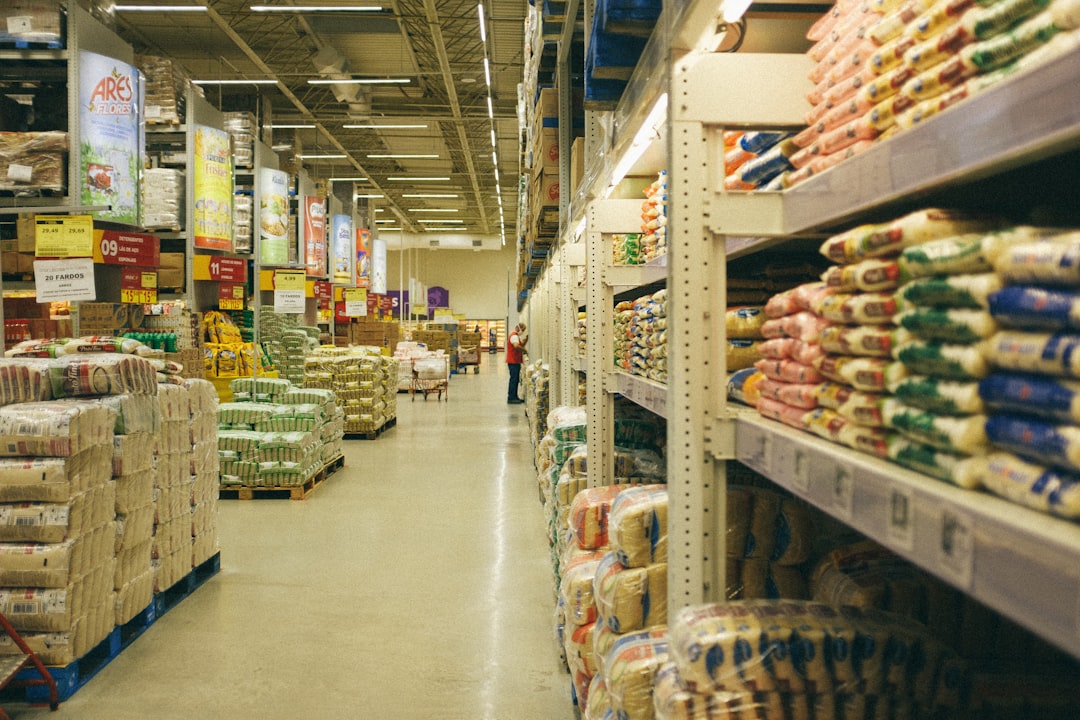
The modern grocery store, a seemingly straightforward emporium of edible goods, functions with a calculated complexity often unseen by the casual shopper. Beyond the brightly lit aisles and meticulously stacked produce lies a sophisticated system of psychological manipulation and strategic merchandising, designed to influence purchasing decisions and maximize profits. This article delves into these hidden mechanisms, revealing the subtle cues and intentional layouts employed by retailers, providing readers with a deeper understanding of the environment they navigate on a regular basis.
The design of a grocery store is far from arbitrary; it is a carefully orchestrated journey intended to guide the customer through a predefined path, maximizing exposure to various product categories. Retailers strategically position departments and products to encourage impulse buys and prolonged stays, turning the simple act of shopping into a prolonged exploration.
The Perimeter Strategy: Luring with Essentials
Upon entering most grocery stores, customers are often immediately met with departments like fresh produce, bakery, and dairy, typically situated along the store’s perimeter. This “perimeter strategy” is a cornerstone of grocery store design. These sections house frequently purchased, essential items. By placing them on the edges, shoppers are compelled to traverse a greater portion of the store to complete their core shopping list. This extended journey, akin to a winding river, exposes them to a wider array of products, increasing the likelihood of unplanned purchases. The vibrant colors and enticing aromas emanating from these fresh departments also create a positive initial impression, stimulating appetite and setting a pleasant tone for the shopping experience.
The Maze-Like Interior: Encouraging Exploration
Once past the perimeter, the interior aisles often present a more intricate, sometimes confusing, labyrinth. Unlike the clear pathways of the perimeter, the interior can feel less intuitive, requiring shoppers to navigate more deliberately. This deliberate “maze-like” quality serves several purposes. It slows down the shopping process, increasing the dwell time within the store. Moreover, the placement of complementary items in various aisles, rather than adjacent to each other, forces customers to search, incidentally encountering other products. For instance, while coffee may be in one aisle, sugar and creamers might be several aisles away, necessitating a broader sweep of the store.
The Impulse Buy Galleys: Strategic Placement for Spontaneous Purchases
Near checkout counters and at the ends of aisles, known as “end caps,” retailers strategically place alluring, smaller items designed for impulse purchasing. These “impulse buy galleys” are the store’s last opportunity to entice shoppers. Items like candy, magazines, batteries, and small gadgets capitalize on the shopper’s fatigue and potential momentary weakness at the culmination of their shopping journey. The perceived low cost of these items, combined with their immediate accessibility, makes them highly susceptible to unplanned additions to the cart. This placement is a finely tuned psychological play, preying on the consumer’s weakened resolve after a long shopping trip.
If you’re intrigued by the hidden strategies that grocery stores employ to influence your shopping habits, you might also find the article on “Grocery Store Secrets They Do Not Tell You” particularly enlightening. This article delves into various tactics that retailers use to maximize their profits, from store layouts to pricing strategies. To explore these insights further, you can read the full article here: Grocery Store Secrets They Do Not Tell You.
The Psychology of Pricing: More Than Just Numbers
Pricing in grocery stores is a sophisticated art, utilizing various psychological tactics to influence consumer perception of value and encourage higher spending. It’s not just about the absolute cost, but about how that cost is presented and contextualized.
The Charm Pricing Offensive: Ending in Nines
A ubiquitous pricing strategy, “charm pricing,” involves ending prices with the digit nine (e.g., $4.99 instead of $5.00). This seemingly minor difference has a significant psychological impact. Studies have consistently shown that consumers perceive items priced at $4.99 as significantly cheaper than those priced at $5.00, even though the actual difference is a mere cent. The brain interprets the left-most digit first, anchoring the perception of the price to the lower whole number. This trick, a subtle sleight of hand, subtly convinces shoppers they are getting a better deal than they truly are.
The Decoy Effect: Framing Value
The “decoy effect” is another sophisticated pricing tactic that exploits cognitive biases. This involves introducing a third, less attractive option to make another, more profitable option seem superior. Consider, for example, popcorn at a movie theater: a small for $4, a large for $8, and a medium for $7. The medium, in this case, acts as a decoy. While the small and large might seem like reasonable options, the medium, so close in price to the large but offering less, makes the large appear to be a much better value. This nudges consumers towards the more expensive, higher-margin option by subtly reframing their perception of value.
Anchoring and Adjustment: Setting the Price Benchmark
Retailers frequently employ “anchoring and adjustment” to influence price perceptions. This involves presenting a higher initial price (the anchor) before offering a discounted price. For example, a sign might proudly display “Was $15.00, Now only $10.00!” Even if the item was rarely sold at $15.00, the initial high price establishes a psychological benchmark, making the $10.00 price seem like an exceptional bargain. The consumer “adjusts” their perception of value based on this initial anchor, often without questioning the validity or regularity of the original price.
Sensory Seduction: Appealing to All Senses
The grocery store experience is a symphony of sensory stimuli, carefully orchestrated to enhance the appeal of products and encourage purchasing. Retailers leverage sight, smell, and even sound to create an environment conducive to increased spending.
The Allure of Aroma: Baking Bread and Fresh Coffee
The human sense of smell is powerfully evocative and intensely linked to memory and emotion. Grocery stores exploit this by deliberately introducing appealing aromas. The ubiquitous smell of freshly baked bread, often emanating from in-store bakeries, is a prime example. This warm, comforting scent evokes feelings of home and nostalgia, creating a positive emotional association with the store and its products. Similarly, the rich aroma of brewing coffee, strategically placed near coffee beans or a prepared beverage station, can stimulate cravings and encourage purchases. These olfactory cues bypass rational thought, directly influencing subconscious desires.
The Visual Feast: Color, Lighting, and Presentation
Visual merchandising is paramount in a grocery store. The vibrant colors of fresh produce, meticulously arranged in abundant displays, are designed to catch the eye and stimulate appetite. Strategic lighting is employed to highlight certain products, making them appear fresher and more appealing. For instance, a warmer spectrum of light often illuminates meat departments, enhancing the red color of cuts and making them look more desirable. The “pyramid stack” or “mountain display” of fruits and vegetables creates an illusion of abundance and freshness, suggesting a plentiful supply and high quality. Even subtle details, like the choice of packaging colors and the font used on price tags, are meticulously crafted to evoke specific emotions and perceptions.
The Soundscape: Music and Ambiance
While less overt than visual or olfactory cues, sound also plays a role in shaping the shopping experience. The background music played in grocery stores is not random; it is often carefully curated. Slower tempo music can encourage customers to linger longer, increasing their chances of making additional purchases. Upbeat, energetic music can create a more positive and hurried atmosphere, though this is less common in environments designed for extended browsing. The overall soundscape aims to foster a relaxed yet engaging atmosphere, subtly influencing the pace and mood of the shopper.
The Shelf-Level Scrimmage: Where Products Compete
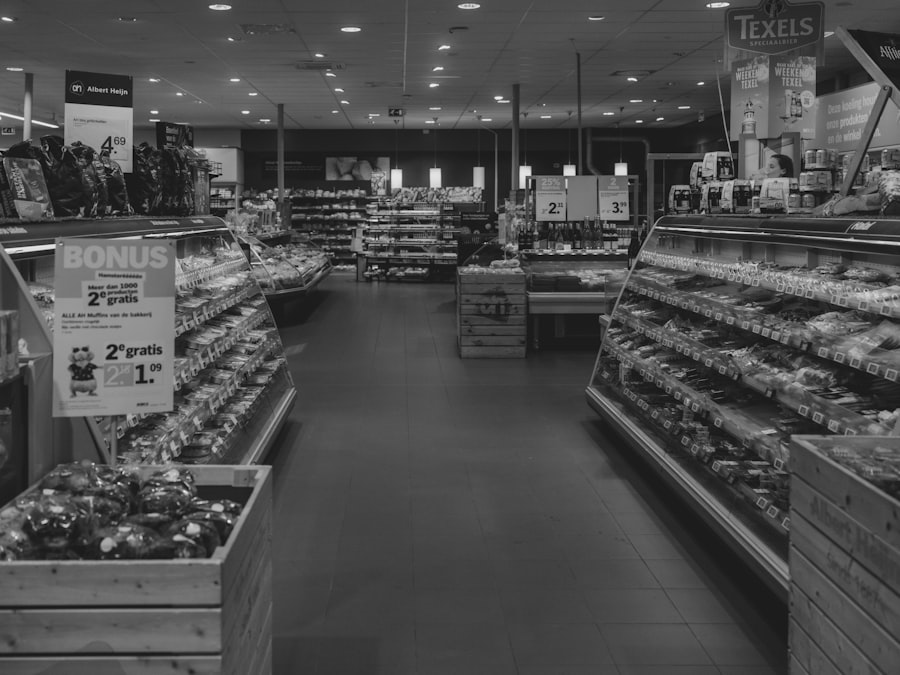
Within each aisle, products are not placed haphazardly. There’s a fierce competition for prime real estate, and companies pay handsomely to ensure their products grace the most visible and accessible shelf positions.
The “Eye-Level is Buy-Level” Axiom
A fundamental principle of shelf placement is “eye-level is buy-level.” Products placed at an average adult’s eye level tend to be the most visible and, consequently, the most purchased. This premium shelf space is often occupied by well-known brands or those that have paid “slotting fees” to the retailer. Conversely, less popular or store-brand items are frequently relegated to higher or lower shelves, requiring more effort for the shopper to locate and access. This seemingly innocuous placement has a profound impact on sales, as convenience and effortless access often trump deliberate choice.
The “Kids’ Eye Level” Advantage: Targeting Young Shoppers
Retailers are keenly aware of the influence of children on parental purchasing decisions. Consequently, items specifically marketed to children, such as sugary cereals, toys, and snacks, are often placed at a “kids’ eye level.” This strategic placement allows children to easily spot and request these products, turning them into effective, albeit pint-sized, sales agents. Parents, often under pressure during a shopping trip, are more likely to succumb to these requests, highlighting the sophisticated understanding retailers have of family dynamics within the shopping environment.
End Caps and Display Islands: High-Traffic Hotspots
Beyond the main shelves, “end caps” (the displays at the end of aisles) and “display islands” are highly coveted positions. These areas are high-traffic hotspots, offering maximum visibility due to their placement along primary customer pathways. Products featured on end caps often represent promotional items, seasonal offerings, or new arrivals that the store wants to push. The prominence of these displays implies a special offer or importance, drawing the shopper’s attention and nudging them towards an unplanned purchase. These are the store’s billboards, demanding immediate attention.
If you’re curious about the hidden strategies that grocery stores use to influence your shopping habits, you might find it interesting to explore a related article that delves into the psychology behind grocery shopping. This article reveals how stores design their layouts and product placements to maximize sales and keep customers coming back. To learn more about these intriguing tactics, check out this insightful piece on grocery store secrets at this link.
Understanding the “Loss Leader” and Loyalty Programs
| Secret | Explanation | Impact on Shopper |
|---|---|---|
| Product Placement | Essential items like milk and bread are placed at the back to make shoppers walk through aisles. | Increases impulse purchases and time spent in store. |
| Eye-Level Marketing | Products placed at eye level are often the most expensive or profitable. | Shoppers are more likely to buy these items. |
| End Cap Displays | End of aisle displays feature promotional or high-margin products. | Encourages impulse buying of featured products. |
| Fresh Produce Smell | Stores pump in fresh produce scents to create a fresh and inviting atmosphere. | Enhances mood and increases likelihood of buying fresh items. |
| Checkout Impulse Items | Small, inexpensive items placed near checkout to encourage last-minute purchases. | Boosts overall sales through impulse buys. |
| Pricing Tricks | Prices often end in .99 or .97 to make items seem cheaper. | Influences perception of value and affordability. |
| Stock Rotation | Older products are placed in front to sell first, but sometimes fresher items are hidden behind. | Shoppers may unknowingly buy older products. |
Beyond the direct visual and psychological manipulations, grocery stores employ broader business strategies to attract and retain customers, often involving what appear to be generous offers. These strategies, however, are carefully calculated to benefit the retailer in the long run.
The Loss Leader Lure: Enticing with Bargains
A “loss leader” is a product sold at a very low price, sometimes even below cost, to attract customers into the store. The intention is that once inside, customers will purchase other, more profitable items, compensating for the loss on the initial bargain. Staples like milk, bread, or eggs are common loss leaders. While the customer genuinely saves money on these specific items, the overall aim is to increase foot traffic and drive sales of higher-margin products. It’s a classic bait-and-switch, but one that is perfectly legal and effective. The loss leader acts as an open door, inviting shoppers inside with the promise of value, knowing they will likely wander further into the treasury of goods.
The Loyalty Program Loop: Data Collection and Personalized Marketing
Loyalty programs, often presented as a way for customers to save money through exclusive discounts and rewards, serve a dual purpose for grocery stores. While they do offer some benefits to the consumer, their primary function is to collect valuable data on purchasing habits. Every swipe of a loyalty card provides retailers with a detailed profile of a shopper’s preferences, purchasing frequency, and product choices. This data, a goldmine in the age of big data, allows stores to personalize their marketing efforts, sending targeted promotions and coupons that are highly likely to induce purchases. It’s a reciprocal relationship: customers receive discounts, and retailers gain insights that fuel more effective, data-driven sales strategies. This constant stream of information allows the store to understand its patrons as never before, predicting desires and shaping future encounters with uncanny accuracy.
In conclusion, the grocery store, while seemingly a simple marketplace, is in reality a masterclass in behavioral psychology and strategic marketing. From its layout design and pricing strategies to its sensory appeals and loyalty programs, every element is meticulously crafted to influence consumer decision-making. By understanding these subtle yet powerful mechanisms, consumers can navigate these environments with a more informed perspective, making more deliberate choices rather than merely reacting to the expertly placed cues. The curtains have been drawn back; now, the power of informed choice rests with the shopper.
WATCH NOW ▶️ Why 99% Of American Food Is Illegal Overseas
FAQs
1. Why do grocery stores place certain items at eye level?
Grocery stores often place higher-margin or popular products at eye level to increase the likelihood of purchase. This strategic placement is designed to catch shoppers’ attention and encourage impulse buying.
2. How do grocery stores use lighting and music to influence shopping behavior?
Stores use warm lighting and carefully selected music to create a pleasant atmosphere that encourages shoppers to spend more time inside. This can lead to increased purchases as customers feel more relaxed and comfortable.
3. Why are fresh produce sections usually located at the entrance of grocery stores?
Fresh produce is placed near the entrance to give a positive first impression and signal freshness and quality. This placement also encourages healthy shopping habits and can increase overall sales.
4. What is the purpose of placing essential items like milk and bread at the back of the store?
Essential items are often located at the back to draw customers through the store, exposing them to more products along the way. This increases the chances of impulse buys and higher overall spending.
5. How do grocery stores use pricing strategies like “charm pricing” to affect consumer perception?
Stores frequently use charm pricing, such as pricing items at $4.99 instead of $5.00, to make prices appear lower than they actually are. This psychological pricing tactic can encourage customers to perceive better value and increase sales.