
The food safety system, a cornerstone of public health and economic stability, is facing a crisis of confidence. While billions are invested annually in its machinery, a growing chorus of voices argues that this colossal expenditure is not delivering the promised security. This article will delve into the multifaceted challenges that have led to the perception of a “trillion-dollar food safety lie,” examining the systemic flaws, economic pressures, and the chasm between intention and impact.
This examination is not an indictment of every individual working within food safety. Rather, it is an objective analysis of a complex ecosystem where resources, regulations, and realities often diverge, leaving consumers exposed to risks they may not fully comprehend. It is akin to inspecting a grand cathedral; the architecture might be impressive, the pronouncements of sanctuary solemn, but cracks in the foundation can undermine the entire structure.
The sheer scale of investments in food safety globally is staggering. Estimates vary, but agricultural and food businesses worldwide pour hundreds of billions of dollars each year into ensuring the safety of their products. Governments, through regulatory bodies, also allocate substantial budgets to oversight, inspection, and research. The combined figure easily approaches or even surpasses half a trillion dollars annually, a figure that, when presented alongside the persistent and sometimes alarming reports of foodborne illnesses, raises critical questions.
Where Does the Money Go? A Dispersed Expenditure
The vast financial commitment to food safety is not channeled into a single, unified entity. Instead, it is a diffused investment across numerous sectors and governmental agencies. This dispersion, while seemingly practical, can lead to inefficiencies and a lack of cohesive strategy.
Private Sector Investments: A Patchwork of Prevention
Food manufacturers, processors, and retailers are the largest contributors to the food safety budget. These investments include:
- Internal Quality Control and Assurance Programs: Companies implement their own testing, monitoring, and traceability systems. This can range from basic ingredient checks to sophisticated laboratory analyses for pathogens, allergens, and contaminants. The cost of these programs is substantial, encompassing personnel, equipment, and external auditing services.
- Supply Chain Management and Auditing: Ensuring the safety of ingredients and products often involves scrutinizing suppliers, both domestic and international. This includes conducting site visits, reviewing supplier certifications, and implementing rigorous contracts that mandate specific safety standards. The global nature of food production means this vetting process can be incredibly complex and costly, as businesses navigate different regulatory landscapes and cultural practices.
- Technology Adoption: The chemical and microbiological analysis of food requires advanced technology. Investments in analytical equipment, such as PCR machines, mass spectrometers, and rapid detection kits, are essential. Furthermore, digitalization and data management systems for tracking product origin and safety records represent significant capital expenditures.
- Employee Training and Education: A crucial element of food safety is a well-trained workforce. Companies invest in educating their employees on hygiene protocols, allergen management, HACCP principles, and other critical safety procedures. The cost of developing training materials, conducting sessions, and ensuring ongoing competency adds to the overall expenditure.
- Product Recalls and Crisis Management: While not a preventative measure, the cost of dealing with a food safety incident, including recalls, customer communication, and potential legal liabilities, represents a significant financial consequence of safety failures. Companies budget for potential recall expenses, further inflating overall spending.
Public Sector Spending: The Regulatory Backbone
Governmental agencies at national, regional, and local levels are tasked with setting standards, enforcing regulations, and responding to outbreaks. Their budgets, while smaller than the private sector’s total outlay, are critical for establishing the framework for food safety. This spending includes:
- Regulatory Agency Operations: This funding supports the salaries of inspectors, scientists, and administrative staff within agencies like the U.S. Food and Drug Administration (FDA), the U.S. Department of Agriculture (USDA), the European Food Safety Authority (EFSA), and similar bodies worldwide.
- Inspection and Enforcement: Significant resources are dedicated to conducting inspections of food facilities, both routine and unannounced. This involves travel, equipment for sampling, and the legal processes associated with enforcement actions.
- Research and Development: Government agencies fund research into emerging foodborne pathogens, emerging contaminants, and innovative safety technologies. This is a long-term investment aimed at understanding and mitigating future risks.
- Surveillance and Outbreak Investigation: A critical public health function is the ability to detect, track, and respond to foodborne illness outbreaks. This requires sophisticated surveillance systems, laboratory capacity for pathogen identification, and trained epidemiologists to conduct investigations.
- Public Education and Outreach: Governments also play a role in educating consumers about food safety practices at home and informing them about potential risks and recalls.
The challenge lies in the fact that simply spending money does not automatically guarantee safety. The effectiveness of these investments is contingent on their allocation, the integrity of the systems they support, and the ability to adapt to an ever-evolving food landscape.
The Disconnect: Billions Spent, Yet Gaps Persist
Despite the immense financial resources dedicated to food safety, the frequency and impact of foodborne illnesses remain a persistent concern. Reports of large-scale outbreaks, contamination incidents, and international recalls paint a picture of a system that, while robust in intent, often falters in execution. This disconnect fuels the notion of a “trillion-dollar food safety lie,” suggesting that the perceived security is not aligned with the tangible outcomes.
In exploring the complexities of food safety and the economic implications surrounding it, a related article titled “The One Trillion Dollar Food Safety Lie” delves into the misconceptions that often cloud public understanding of food safety regulations and their enforcement. For further insights on this topic, you can read more in the article available at Hey Did You Know This. This resource provides a broader context on the challenges and realities of ensuring safe food practices in today’s market.
Systemic Vulnerabilities: Cracks in the Foundation
The complex, globalized nature of the modern food system creates inherent vulnerabilities that even the most well-intentioned and well-funded safety measures can struggle to overcome. These weaknesses are not necessarily malicious but are often systemic, arising from the very structure of how food is produced, processed, and distributed.
Globalization’s Double-Edged Sword: A Vast Network, A Thousand Points of Failure
The interconnectedness of the global food supply chain offers unprecedented choice and affordability but also introduces a multitude of potential failure points. Tracing a single product back to its origin can be an arduous task, with ingredients or components potentially originating from multiple continents.
The Long Haul: From Farm to Fork, A Journey Fraught with Peril
The journey of food from its initial point of production to the consumer’s plate can be incredibly long and complex. Each step in this journey represents an opportunity for contamination or compromise.
- Agricultural Production: Risks begin at the farm. Contaminated irrigation water, unsanitary animal husbandry practices, or the improper use of pesticides and fertilizers can introduce pathogens or harmful chemicals into raw ingredients. The vastness of agricultural landscapes makes comprehensive oversight challenging.
- Processing and Manufacturing: Once harvested or gathered, raw ingredients undergo various processing stages. This can include washing, cutting, cooking, packaging, and formulation. At each of these points, the risk of cross-contamination from equipment, personnel, or the environment is present. The sheer volume of food processed daily can overwhelm even diligent safety protocols.
- Distribution and Transportation: Movement of food from processing facilities to distribution centers and then to retail outlets introduces further risks. Temperature fluctuations during transport can allow bacteria to proliferate. Improper handling and storage can lead to physical damage and contamination. International shipping, with its long transit times and differing environmental controls, amplifies these concerns.
- Retail and Food Service: Supermarkets and restaurants are the final gateways to consumers. Inadequate refrigeration, improper food storage, poor hygiene practices among staff, and cross-contamination between raw and cooked foods are common issues that can lead to outbreaks.
The Domino Effect: One Failure, Widespread Impact
A single lapse in food safety at any point in this extensive supply chain can have a domino effect, potentially affecting millions of consumers. A contaminated batch of a widely consumed ingredient, for instance, can trigger recalls across numerous food products, creating a cascade of economic and public health consequences. The speed at which information travels today means that news of such an issue can spread globally within hours, further exacerbating the crisis.
Regulatory Gaps and Enforcement Challenges: Loopholes in the Net
While regulations provide a framework for food safety, their effectiveness is often hampered by inherent gaps and the practical challenges of enforcement. The sheer scale of the industry and the international nature of food production make comprehensive oversight a monumental task.
The Ever-Shifting Landscape: Adapting to New Threats
The food industry is dynamic, constantly evolving with new ingredients, processing methods, and global sourcing strategies. Regulatory frameworks, often designed to address known hazards, can struggle to keep pace with emerging threats. For example, the introduction of novel food ingredients or complex biotechnological processes may outpace the development of specific safety protocols. This creates a lag period where potential risks may exist without adequate regulatory oversight.
The Inspector Scarcity Paradox: Too Many Plates, Too Few Servers
Governmental food safety agencies often face the challenge of insufficient resources, particularly in terms of personnel. The number of facilities and products requiring inspection and oversight can vastly outnumber the available inspectors. This can lead to less frequent inspections, a greater reliance on self-reporting by industry, and a reduced capacity for thorough investigation when issues arise. The pressure to do more with less can strain even the most dedicated public servants.
The Shadow of Deregulation: A Push for Lighter Touches
In some jurisdictions, economic pressures or a philosophical shift towards less government intervention can lead to a relaxation of regulatory standards or a reduction in enforcement. While proponents may argue for reduced burdens on industry, critics contend that such measures can create an environment where shortcuts are taken, and food safety compromises are more likely to occur. This “race to the bottom” mentality, driven by cost-cutting, can be particularly detrimental.
International Harmonization Hurdles: A Babel of Standards
With a significant portion of food being traded internationally, the lack of consistent and harmonized food safety standards across different countries presents a significant challenge. What is considered safe in one nation may be a potential hazard in another. This necessitates complex import/export controls and can create opportunities for products that do not meet the highest safety benchmarks to enter the market. For consumers, this can lead to confusion and uncertainty.
The Economic Imperative: Profit Before Prevention?

The pursuit of profit is the engine of the food industry. While this drives innovation and efficiency, it can also create pressures that inadvertently or, in some cases, deliberately, compromise food safety. The delicate balance between economic viability and public health is often tested.
The Cost of Doing Business: Cutting Corners to Boost Margins
In a competitive market, the pressure to reduce costs can be immense. For some businesses, food safety measures, particularly those that are not strictly mandated, can be viewed as discretionary expenses rather than essential investments.
The “Good Enough” Mentality: A Slippery Slope
When faced with the choice between implementing a costly but robust safety protocol and a more economically feasible but less stringent alternative, the temptation to opt for the latter can be strong. This can manifest in various ways, such as:
- Reduced Testing Frequencies: Companies might decrease the frequency of laboratory testing for pathogens or contaminants, rationalizing that the risk is low or that previous tests have been negative. However, this can create blind spots, allowing issues to develop undetected.
- Less Stringent Supplier Vetting: While international suppliers can offer cost advantages, thoroughly vetting their food safety practices can be expensive and time-consuming. Businesses might rely on unverified certifications or less rigorous audits to save money, potentially importing ingredients with hidden risks.
- Understaffing Quality Control Departments: Investing in qualified quality control personnel and robust internal systems requires financial commitment. Understaffing these departments can lead to overworked employees, reduced oversight, and an increased likelihood of errors.
The Price of Recalls vs. Prevention: A Calculated Risk
The financial impact of a food safety recall can be substantial, encompassing lost product, logistics costs, marketing damage, and potential legal liabilities. However, for some businesses, the calculated risk of a recall, particularly if it’s infrequent or impacts a smaller segment of their product line, might still appear less costly than the continuous investment required for comprehensive prevention. This is a dangerous gamble where the stakes are ultimately consumer health.
The Lobbying Machine: Shaping Regulations to Fit Business Interests
The food industry, through powerful lobbying organizations, actively engages in the political process to influence food safety regulations. While this can lead to practical and informed policymaking, it can also result in regulations that are weakened, delayed, or designed to favor industry interests over the protection of public health.
The “Industry Knows Best” Argument: A Double-Edged Sword
Industry representatives often argue that they possess the most intimate understanding of their processes and are best equipped to develop and implement safety measures. While this expertise is valuable, it can also be used to resist external oversight or push for regulations that are less demanding. The inherent conflict of interest, where financial gain is pitted against public safety, necessitates a robust and independent regulatory framework.
The Regulatory Capture Phenomenon: When Watchdogs Become Lapdogs
A concern in many regulatory environments is the phenomenon of “regulatory capture,” where the agencies tasked with overseeing an industry become too closely aligned with the industry they are meant to regulate. This can lead to a reluctance to impose strict penalties, a prioritization of industry concerns over public health, and a general weakening of enforcement. The revolving door between industry positions and regulatory roles can exacerbate this issue.
The Globalization of Bargaining Power: Exploiting Labor and Environmental Standards
The global nature of food production also allows for the exploitation of varying labor and environmental standards. Countries with less stringent regulations and lower labor costs can become attractive production hubs, potentially leading to lower safety standards in pursuit of cost competitiveness.
The Race to the Bottom: A Global Competition for Cheap Production
When food is sourced from regions with weak labor rights, poor environmental controls, and limited food safety oversight, the overall safety of the global food supply can be compromised. Companies seeking the lowest production costs may inadvertently or deliberately engage with suppliers who are unable or unwilling to implement high safety standards. This creates a “race to the bottom” where the cheapest producers can gain an advantage, regardless of the implications for food safety.
The Transfer of Risk: Consumers Bear the Brunt
Ultimately, when food safety standards are lax in one part of the supply chain, the risk is transferred to the consumer, often far removed from the point of origin. This can manifest in the form of illnesses, allergies, or long-term health effects, all of which have significant societal costs that are not always factored into the initial production cost.
The Consumer’s Blind Spot: Trust, Ignorance, and the Illusion of Choice
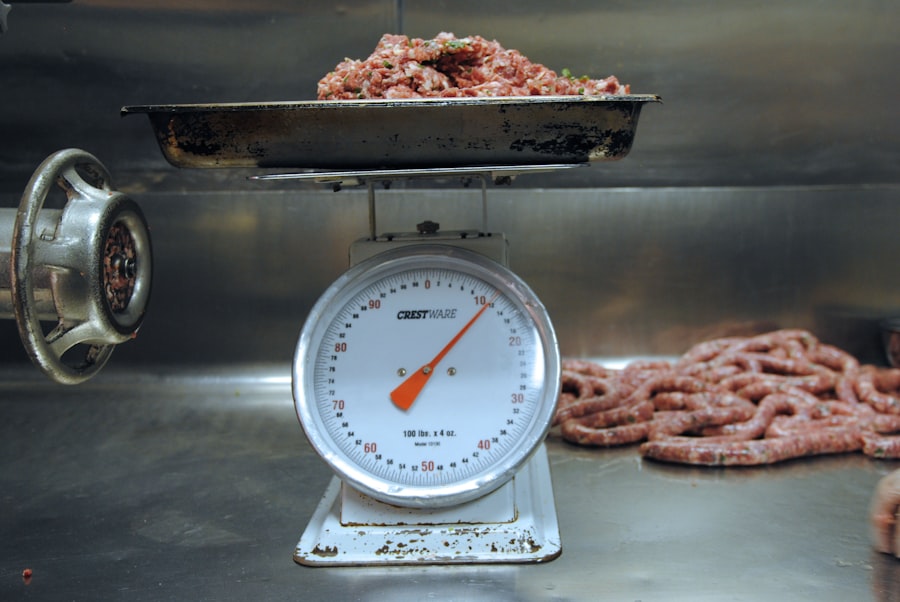
Consumers are the ultimate recipients of the food safety system’s successes and failures. However, they often operate with a significant “blind spot,” relying on a complex web of assurances that may not always be as robust as they appear.
The Weight of Trust: Relying on Labels and Assurances
Consumers are accustomed to placing a considerable amount of trust in the labels and assurances provided by food manufacturers and regulatory bodies. The expectation is that the food they purchase is safe for consumption, a fundamental premise upon which grocery shopping is based.
The Marketing Mirage: “Wholesome,” “Natural,” and “Safe”
Food product marketing often employs terms that evoke a sense of wholesomeness and safety. While these terms are not always regulated and can be purely aspirational, they contribute to a consumer’s perception of security. The absence of overt warnings or recalls can create a false sense of inherent safety.
The Invisibility of Prevention: You Don’t See What Works
A silent success in food safety is the absence of an outbreak. When food is safe, consumers rarely give it a second thought. They don’t see the rigorous testing, the meticulous hygiene protocols, or the complex traceability systems that likely prevented harm. This invisibility means that the actual work of food safety often goes unacknowledged, making it harder to appreciate the investments required.
The Information Deficit: Understanding the Complexities of Food Production
The intricate processes involved in modern food production are often opaque to the average consumer. Understanding the potential risks associated with different ingredients, farming practices, or processing methods requires a level of technical knowledge that most individuals do not possess.
The Deceptive Simplicity of the Grocery Aisle: A World Away from the Farm
The clean aisles of a supermarket, stocked with neatly packaged products, offer a stark contrast to the realities of food production, which can involve farms, processing plants, and complex logistical networks. This distance between the point of purchase and the origin of the food creates an information deficit, leaving consumers vulnerable to unseen risks.
The Challenge of Emerging Contaminants: The Unknown Unknowns
The food supply is constantly evolving, with new contaminants and risks emerging regularly. These can include novel allergens, endocrine disruptors, microplastics, or pesticide residues. Consumers are often unaware of these emerging threats until a major incident brings them to public attention, long after potential exposure has occurred.
The Illusion of Choice: Limited Recourse When Things Go Wrong
While consumers may believe they have an abundance of choice in the grocery store, when it comes to food safety, their recourse is often limited, especially before an incident occurs.
The Post-Outbreak Reality: Recalls and Repercussions
Consumers typically become aware of food safety issues only after an outbreak has been identified and a recall has been issued. At this point, the damage has already occurred, and consumers are left with the task of identifying potentially contaminated products, discarding them, and dealing with potential health consequences. The ability to proactively avoid such risks is often constrained by the information available.
The Long Road to Compensation: Justice Denied or Delayed
Seeking justice or compensation after a foodborne illness can be a protracted and challenging process. Proving direct causation can be difficult, and legal battles can be costly and time-consuming. This can leave victims of food contamination with significant medical expenses and lost wages, with limited recourse for immediate relief.
In exploring the complexities of food safety, one might find it interesting to read about the various challenges and misconceptions surrounding this critical issue. A related article discusses the hidden costs associated with food safety regulations and their impact on consumers. For more insights, you can check out this informative piece here. Understanding these factors can shed light on the broader implications of the trillion-dollar food safety lie and how it affects our daily lives.
The Path Forward: Rebuilding Trust and Strengthening the System
| Metric | Value | Description |
|---|---|---|
| Estimated Annual Cost | 1,000,000,000,000 | Alleged total economic impact of food safety issues globally |
| Reported Foodborne Illness Cases | 600,000,000 | Number of people affected by foodborne illnesses annually worldwide |
| Annual Deaths from Foodborne Illness | 420,000 | Estimated global deaths caused by unsafe food each year |
| Food Safety Inspection Coverage | 30% | Percentage of food production facilities regularly inspected |
| Reported Food Recalls | 5,000 | Number of food product recalls annually in major markets |
| Consumer Trust in Food Safety | 45% | Percentage of consumers who trust current food safety measures |
The perception of a “trillion-dollar food safety lie” is a serious indictment of the current system. Addressing these deep-seated issues requires a multi-pronged approach that reforms practices, enhances transparency, and reintegrates the economic imperative with the fundamental human right to safe food.
A Call for True Transparency: Illuminating the Supply Chain
The complexity and opacity of the modern food system are significant contributors to the trust deficit. True transparency is not merely a matter of labeling; it requires a fundamental shift in how information is shared and accessed.
Blockchain and Traceability: Mapping the Unseen Journey
Emerging technologies, such as blockchain, offer the potential to create immutable and verifiable records of a food product’s journey from farm to fork. This can allow for rapid tracing of contaminated products, identifying the root cause of issues, and providing consumers with detailed information about their food’s origin and safety history. Imagine a digital passport for every food item, detailing its every step.
Open Data Initiatives: Empowering Consumers and Researchers
Governments and industry should collaborate to make relevant food safety data more accessible to the public. This includes inspection reports, recall information, and data related to foodborne illness outbreaks. Open data can empower consumers to make more informed choices and enable researchers to identify systemic weaknesses and develop innovative solutions.
Clearer Labeling Standards: Beyond Buzzwords
Regulatory bodies should work towards establishing clearer, more standardized labeling requirements that go beyond marketing buzzwords. This could include clearer allergen warnings, information on pesticide residues, or even indicators of the transparency of a company’s supply chain practices.
Reinvesting for Impact: Smarter Spending, Not Just More Spending
The challenge is not necessarily about spending more money, but about spending it more effectively. Resources must be directed towards areas that yield the greatest impact on public health.
Prioritizing Proactive Prevention: Shifting from Reaction to Anticipation
Investments should increasingly focus on proactive measures rather than reactive responses. This includes enhanced surveillance systems to detect threats early, support for research into emerging hazards, and incentives for industries to adopt best-in-class safety practices. The goal is to build a robust preventive fortress, not just a fire department.
Strengthening Regulatory Capacity: Empowering the Watchdogs
Governments must prioritize adequate funding and resources for food safety regulatory agencies. This includes hiring and retaining qualified inspectors and scientists, investing in advanced laboratory capabilities, and ensuring that these agencies have the autonomy and authority to enforce regulations effectively.
Investing in Public Health Infrastructure: The Front Lines of Defense
Beyond industry-specific regulations, investments are needed in public health infrastructure that supports food safety. This includes robust epidemiological surveillance systems, rapid laboratory diagnostic capabilities, and trained personnel to respond to outbreaks swiftly and efficiently.
Fostering Global Collaboration: A Unified Front Against Shared Threats
Food safety is a global issue that requires global solutions. International cooperation is essential to harmonize standards, share best practices, and address cross-border contamination risks.
Harmonizing International Standards: A Common Language of Safety
International bodies should continue to work towards harmonizing food safety standards across different countries. This will reduce confusion, facilitate trade, and ensure that food entering the global market meets a consistently high level of safety.
Collaborative Surveillance and Response: Sharing is Caring, Especially for Safety
A more integrated global approach to surveillance and outbreak response can significantly enhance our ability to detect and contain foodborne illnesses. This involves real-time data sharing between countries and collaborative efforts to investigate and mitigate cross-border threats.
Addressing Environmental and Labor Standards: The Foundation of Food Safety
Recognizing that food safety is inextricably linked to environmental sustainability and fair labor practices is crucial. International agreements and initiatives should aim to promote responsible production methods that safeguard both human health and the environment.
The question of the “trillion-dollar food safety lie” is not about the absence of effort or investment, but about the efficacy and impact of those efforts. By fostering transparency, reinvesting strategically, and embracing global collaboration, the food safety system can begin to move beyond the perception of a well-intentioned but ultimately flawed edifice, towards a truly secure and trustworthy foundation for the food we eat. The journey ahead is long, but the destination—a world where every meal is a safe one—is worth every earnest endeavor.

WATCH NOW ▶️ Why 99% Of American Food Is Illegal Overseas
FAQs
What is the main claim of the article “The One Trillion Dollar Food Safety Lie”?
The article claims that the commonly accepted statistics and narratives about food safety risks and costs are misleading or exaggerated, suggesting that the actual impact may be significantly different from what is widely reported.
How does the article define the “one trillion dollar” figure related to food safety?
The “one trillion dollar” figure refers to the estimated economic cost attributed to foodborne illnesses, including healthcare expenses, lost productivity, and other related costs, which the article argues may be overstated or inaccurately calculated.
What evidence does the article present to support its argument about food safety statistics?
The article reviews data sources, critiques methodologies used in estimating foodborne illness costs, and highlights discrepancies or assumptions that may inflate the perceived risks and economic impact of food safety issues.
Why is it important to critically evaluate food safety data and statistics?
Critically evaluating food safety data ensures that policies, regulations, and public perceptions are based on accurate information, which helps allocate resources effectively and avoid unnecessary fear or economic burdens.
What implications does the article suggest if the food safety costs are indeed overstated?
If food safety costs are overstated, it could mean that current regulatory approaches and industry practices may be misaligned with actual risks, potentially leading to inefficient use of resources and misguided public health priorities.