
The presence of artificial food dyes in the diets of children is a topic that has garnered increasing attention from parents, educators, and health professionals. While these vibrant additives contribute to the visual appeal of many processed foods, a growing body of research suggests that eliminating them may yield a spectrum of benefits for young individuals. This article will explore those benefits in detail, examining how a dye-free approach can positively impact children’s behavior, overall health, and well-being.
The Purpose of Artificial Food Dyes in Modern Diets
Artificial food dyes are synthetic compounds created to impart color to food and beverages. Their primary function is to enhance visual attractiveness, making products such as candies, cereals, baked goods, fruit-flavored drinks, and even some medications more appealing. These dyes are synthesized from petroleum products and are subject to regulatory approval processes in various countries. The variety of colors available allows manufacturers to precisely match hues to brand identities or to mimic the natural appearance of ingredients that may be diminished during processing. For instance, a strawberry-flavored snack might be dyed red to signify its flavor, even if the actual strawberry content is minimal.
Prevalence in Children’s Food Consumption
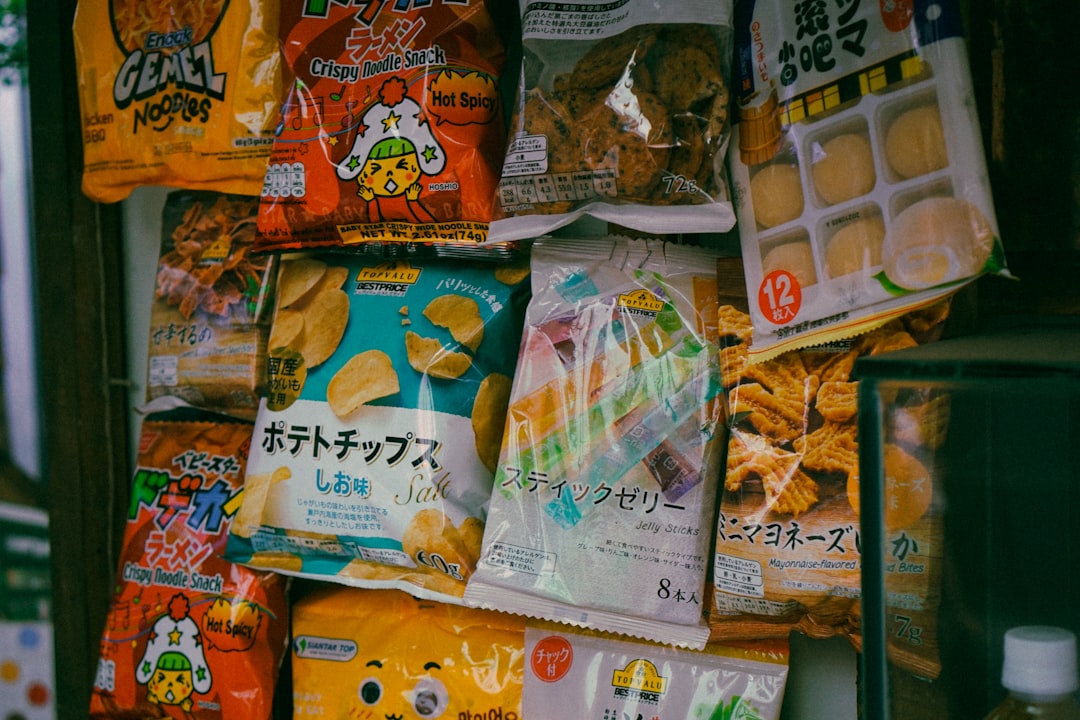
Children, due to their food preferences and the marketing strategies employed by the food industry, tend to be significant consumers of foods containing artificial colorings. Processed snacks, sugary cereals, and brightly colored beverages are staples in many young diets. It is estimated that a substantial percentage of children consume products containing artificial dyes on a regular basis. This widespread exposure means that a dye-free diet is not merely an alternative choice for a select few but a potential widespread dietary shift that could affect a large segment of the pediatric population. The brightly colored nature of these foods often acts as a siren song for young consumers, drawing them towards options that may lack significant nutritional value.
Regulatory Oversight and Safety Concerns
Regulatory bodies, such as the Food and Drug Administration (FDA) in the United States and the European Food Safety Authority (EFSA) in Europe, evaluate the safety of food additives, including artificial dyes. Acceptable Daily Intakes (ADIs) are established for each dye, representing the amount that can be consumed daily over a lifetime without posing an appreciable health risk. However, concerns have been raised regarding the cumulative effects of consuming multiple dyes, the impact on sensitive individuals, and the specific vulnerability of the developing child’s system. While these dyes are generally considered safe for the general population within established limits, the debate around their necessity and potential for adverse reactions, particularly in children, continues.
A dye-free diet for kids can offer numerous benefits, including improved behavior, reduced hyperactivity, and better overall health. By eliminating artificial colors and additives from their meals, parents may notice positive changes in their children’s mood and focus. For more insights on the advantages of a dye-free lifestyle for children, you can read a related article at Hey Did You Know This.
Behavioral Impacts: A Shift from Hyperactivity to Calmness
The Link Between Dyes and Hyperactivity: A Historical Perspective
The association between artificial food dyes and hyperactivity in children is not a recent discovery. Studies dating back to the 1970s began to explore this connection. Early research, such as the Feingold hypothesis, proposed that certain food additives, including artificial colors and flavors, could trigger behavioral issues in susceptible children. While the initial research faced challenges in replication and establishing definitive causality, subsequent studies have continued to investigate this area, providing more nuanced insights. The idea is not that dyes are inherently toxic in the way lead is, but rather that they may act as triggers for a cascade of physiological responses in some children, manifesting as behavioral changes.
Evidence Supporting Dye-Induced Behavioral Changes
More recent research, including meta-analyses of existing studies, has provided stronger evidence suggesting a link between the consumption of artificial food dyes and increased hyperactivity and attention problems in some children. These studies often employ double-blind, placebo-controlled designs, considered the gold standard for research. They involve observing children’s behavior after they have consumed foods containing artificial dyes versus foods that are dye-free. The findings from such studies indicate that a notable proportion of children exhibit a discernible increase in symptoms associated with attention-deficit/hyperactivity disorder (ADHD), such as impulsivity, restlessness, and difficulty concentrating, following the ingestion of artificial colorings. This phenomenon can be likened to a faulty circuit in a complex system, where an external stimulus (the dye) disrupts the normal flow of signals, leading to erratic output (behavior).
Anecdotal Evidence from Parents and Educators
Beyond scientific studies, countless anecdotal reports from parents and educators provide a compelling narrative. Many parents observe a distinct change in their child’s demeanor after consuming brightly colored treats. They report increased excitability, irritability, difficulty settling down, and a general inability to focus. Similarly, teachers in preschool and early elementary settings often note behavioral shifts in children who have consumed dyed foods, particularly around parties or special events where such items are common. While anecdotal evidence is not definitive proof, the widespread nature of these observations lends weight to the concerns surrounding artificial dyes. It is akin to many people reporting that a certain perfume triggers their allergies; even if the scientific mechanism is complex, the consistent pattern of reaction cannot be ignored.
Nutritional Benefits: More Than Just Color
Improving Nutrient Density of the Diet
When a child’s diet shifts away from highly processed, brightly colored foods, the natural inclination is often towards whole, unprocessed alternatives. This transition can lead to a significant increase in the nutrient density of their food intake. Artificial dyes are typically found in foods that are low in essential vitamins, minerals, and fiber, and high in sugar, unhealthy fats, and empty calories. By opting for dye-free options, parents are often guided towards fruits, vegetables, whole grains, and lean proteins – foods that are packed with the nutrients a growing body needs. This substitution is like trading a barren landscape for a fertile garden, where each component contributes to healthy growth.
Reducing Sugar and Processed Ingredient Intake
Many foods containing artificial dyes are also laden with added sugars and other processed ingredients. The vibrant colors are often used to mask the lack of natural appeal or flavor in these highly refined products. Eliminating artificial dyes naturally leads to a reduction in the consumption of these less healthy components. This can contribute to better weight management, improved dental health, and a more stable energy supply throughout the day, avoiding the sugar highs and subsequent crashes that can exacerbate behavioral issues. It is a virtuous cycle: by removing the artificial color, one also often removes the less wholesome companions that come with it.
Promoting Exploration of Natural Colors and Flavors
A dye-free diet encourages children to experience and appreciate the natural colors and flavors of foods. The rich, earthy tones of root vegetables, the vibrant hues of berries, and the subtle greens of leafy vegetables offer a different, yet equally appealing, visual spectrum. This exposure can foster a more adventurous palate, encouraging children to try a wider variety of fruits and vegetables. Instead of artificial reds and blues, children can discover the deep purples of blueberries, the brilliant oranges of carrots, and the lush greens of spinach, each representing a different nutritional treasure chest. This exploration opens up a world of natural tastes and textures.
Overall Health and Well-being: A Holistic Approach
Supporting a Healthy Gut Microbiome
The gut microbiome, the complex ecosystem of bacteria and other microorganisms residing in the digestive tract, plays a crucial role in overall health, including immune function, nutrient absorption, and even mood regulation. Research is increasingly highlighting the impact of diet on the composition and health of the gut microbiome. While direct links between artificial dyes and the microbiome are still being elucidated, it is known that highly processed foods, often containing these dyes, can negatively impact gut health by promoting the growth of less beneficial bacteria. A shift towards whole, unprocessed foods, common in a dye-free diet, can therefore support a more diverse and robust microbiome. A healthy gut acts as a central command center, and a balanced microbiome ensures its smooth operation, impacting various bodily functions.
Potential Reduction in Allergic Reactions and Sensitivities
While not universally experienced, some individuals, particularly children, may exhibit sensitivities or allergic-like reactions to artificial food dyes. These reactions can manifest in various ways, including skin rashes (hives), digestive upset, and exacerbation of respiratory conditions like asthma. For children who are prone to such sensitivities, eliminating artificial dyes from their diet can lead to a noticeable reduction in these adverse reactions. It is like clearing the air for someone with allergies; once the irritant is removed, breathing becomes easier and symptoms subside.
Long-Term Health Implications
While adverse effects of artificial dyes often manifest in the short term as behavioral changes, their long-term implications are a growing area of concern. Chronic consumption of processed foods high in artificial additives and low in nutrients may contribute to broader health issues over time. By promoting a diet centered on whole, natural foods and free from artificial colorings, a dye-free approach lays a foundation for healthier eating habits that can persist into adulthood. This long-term perspective is about cultivating healthy habits that will be a sturdy pillar throughout a person’s life, rather than a temporary fix.
A dye-free diet for kids has been gaining attention for its potential benefits, including improved behavior and reduced hyperactivity. Many parents are exploring this approach as they notice a correlation between artificial colors in food and their children’s mood swings. For those interested in learning more about the advantages of this dietary choice, you can read a related article that delves deeper into the subject. This informative piece highlights various aspects of a dye-free lifestyle and its impact on children’s health. To explore further, check out this insightful article here.
Practical Strategies for Implementing a Dye-Free Diet
| Benefit | Description | Potential Impact on Kids | Supporting Evidence |
|---|---|---|---|
| Reduced Hyperactivity | Eliminating artificial dyes can decrease symptoms of hyperactivity and improve attention span. | Improved focus and behavior in school and home settings. | Studies link certain dyes to increased ADHD symptoms in sensitive children. |
| Lower Allergy Risk | Dye-free diets reduce exposure to synthetic chemicals that may trigger allergic reactions. | Fewer skin rashes, hives, and respiratory issues. | Reports show some children experience fewer allergic symptoms when avoiding dyes. |
| Improved Gut Health | Artificial dyes can disrupt gut microbiota; removing them supports digestive health. | Better digestion and reduced stomach discomfort. | Emerging research suggests dyes may negatively affect gut bacteria balance. |
| Enhanced Nutritional Quality | Dye-free foods often contain fewer processed ingredients and more natural nutrients. | Improved overall nutrition and energy levels. | Whole foods without dyes tend to be richer in vitamins and minerals. |
| Decreased Risk of Behavioral Issues | Some children show fewer mood swings and irritability when dyes are removed. | More stable mood and better social interactions. | Clinical observations note behavioral improvements on dye-free diets. |
Reading Food Labels: Becoming a Savvy Consumer
Navigating the landscape of processed foods requires vigilance and an understanding of ingredient lists. Artificial food dyes are typically listed by their specific names, such as “Red 40,” “Yellow 5,” or “Blue 1,” or sometimes under generic descriptions like “artificial colors.” Learning to identify these ingredients is the first step. Many resources are available online and through health organizations to help parents decode ingredient labels. Becoming adept at reading labels is like acquiring a map to navigate a complex food terrain, allowing you to make informed choices.
Choosing Whole, Unprocessed Foods
The cornerstone of a dye-free diet is prioritizing whole, unprocessed foods. This includes fresh fruits and vegetables, lean meats, fish, eggs, legumes, nuts, seeds, and whole grains. These foods are naturally free of artificial colorings and are packed with essential nutrients. Planning meals around these staples simplifies the process and ensures that children are receiving a balanced and nutritious diet. Embracing whole foods is like building a strong foundation for a healthy house; it provides stability and nourishment from the ground up.
Finding Naturally Colored Alternatives
Fortunately, many processed foods now have naturally colored alternatives available. For example, some yogurts, cereals, and beverages are colored using fruit and vegetable extracts like beet juice, annatto, or turmeric. When purchasing processed items, actively seek out these options. This demonstrates that vibrant colors can be achieved through natural means, without the need for synthetic additives. It is a testament to nature’s own palette, offering a spectrum of healthy and appealing options.
Gradual Transition and Family Involvement
Implementing a dye-free diet does not have to be an all-or-nothing endeavor. A gradual transition can be more manageable for both parents and children. Start by identifying the highest-dye-containing foods in the child’s diet and gradually replace them with dye-free alternatives. Involving the child in the process by explaining the “why” in age-appropriate terms and allowing them to help choose naturally colored foods can foster a sense of ownership and cooperation. Making it a family effort transforms it from a restriction into a shared healthy adventure.
Conclusion: Cultivating a Healthier Childhood
The benefits of a dye-free diet for children are multifaceted, extending from observable behavioral improvements to broader impacts on physical health and long-term well-being. While the debate surrounding the absolute necessity of artificial dyes continues, the evidence suggesting a positive correlation between their elimination and improved child health is compelling. By making conscious choices to reduce or eliminate artificial food colorings, parents can empower their children to thrive, fostering a healthier foundation for their development and growth. This shift is not about deprivation but about creating a richer, more vibrant nutritional landscape for the next generation, allowing them to truly blossom.
WATCH NOW ▶️ Why 99% Of American Food Is Illegal Overseas
FAQs
What is a dye-free diet for kids?
A dye-free diet for kids involves avoiding foods and beverages that contain artificial color additives. These dyes are often found in processed snacks, candies, sodas, and some cereals. The diet focuses on natural, whole foods without synthetic coloring agents.
What are the potential benefits of a dye-free diet for children?
A dye-free diet may help reduce hyperactivity and behavioral issues in some children, particularly those sensitive to artificial colors. It can also decrease the risk of allergic reactions and improve overall nutrition by encouraging the consumption of whole, unprocessed foods.
Are artificial food dyes harmful to all children?
Not all children are affected by artificial food dyes. However, some children, especially those with ADHD or food sensitivities, may experience increased hyperactivity or allergic reactions. The effects vary depending on individual sensitivity and the amount of dye consumed.
How can parents identify foods with artificial dyes?
Parents can check ingredient labels for terms like Red 40, Yellow 5, Blue 1, and other color additives. Choosing products labeled as “dye-free,” “no artificial colors,” or “all natural” can help avoid artificial dyes. Opting for fresh fruits, vegetables, and whole foods is also effective.
Is a dye-free diet safe and nutritionally adequate for children?
Yes, a dye-free diet is safe and can be nutritionally adequate when well-planned. It encourages the consumption of natural, nutrient-rich foods. Parents should ensure children receive a balanced diet with sufficient vitamins, minerals, and calories to support healthy growth and development.