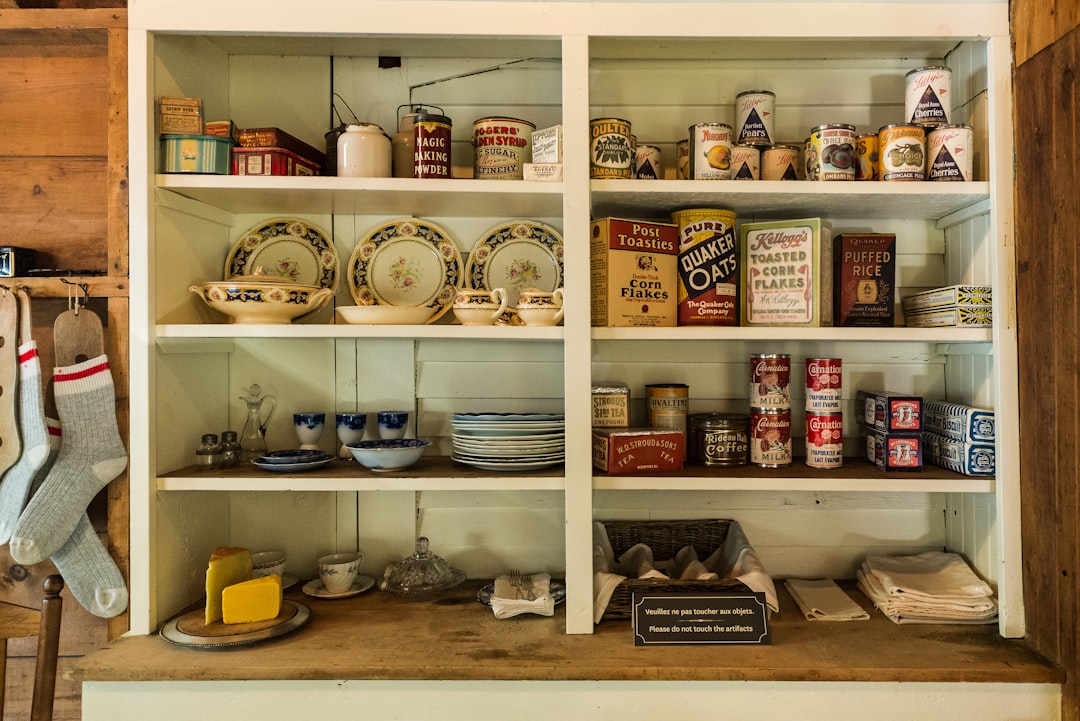
The European Union’s approach to food safety is a meticulously constructed edifice, designed to protect its citizens from the myriad dangers that can lurk within foodstuffs. While individuals in many other parts of the world may consider their home pantries a private sanctuary, a place where forgotten jars and experimental concoctions are stored without external oversight, this perception often clashes with the stringent reality of EU food safety legislation. The reasons why a typical personal pantry might, in fact, be “illegal” within the European Union are rooted in a comprehensive framework that prioritizes traceability, hygiene, and the prevention of foodborne illnesses on a scale far beyond individual household management. This article will delve into the underlying principles of EU food safety regulations and illuminate how common pantry practices can fall afoul of this robust system.
The European Union operates under a guiding principle that food placed on the market must be safe for consumption. This is not a loose guideline but a foundational tenet enshrined in extensive legislation, overseen by bodies like the European Food Safety Authority (EFSA). The Union’s food safety system is often described as a “farm-to-fork” approach, meaning that every stage of the food production and distribution chain is subject to regulation and scrutiny. This holistic perspective underscores the interconnectedness of food safety, recognizing that a lapse at any point can have cascading effects on public health.
The Objective: Consumer Protection and Public Health
At its core, EU food safety legislation is driven by an unwavering commitment to safeguarding the health of its citizens. The Union aims to prevent foodborne diseases, which can range from mild gastrointestinal upset to life-threatening conditions. Beyond immediate health concerns, the regulations also seek to ensure that consumers receive food that is accurately represented and free from fraudulent practices. This dual focus on protection and honesty creates a high bar for all food businesses operating within or importing into the EU.
The Regulatory Architecture: Laws and Agencies
The legislative framework governing food safety in the EU is complex and multi-layered. Key pieces of legislation, such as Regulation (EC) No 178/2002 (the General Food Law), lay down the general principles and requirements of food law. This regulation establishes the principle of traceability, a cornerstone of the EU’s system, which mandates that food businesses must be able to identify who supplied them with their food, who they supplied their food to, and at every stage of the chain. This “one step forward, one step back” principle is crucial for swift recall of unsafe products.
The EFSA’s Role: Scientific Expertise and Risk Assessment
The European Food Safety Authority (EFSA) plays a pivotal role in providing independent scientific advice and risk assessments to inform EU policy-makers. EFSA’s work is not about enforcement but about providing the scientific evidence base upon which legislative decisions are made. They analyze data on foodborne diseases, chemical contaminants, allergens, and other potential hazards to advise on safe levels and appropriate control measures. Their scientific opinions are instrumental in shaping the regulatory landscape.
National Enforcement Bodies: The Keepers of the Gates
While the EU sets the overarching legislation, the enforcement of these regulations is largely carried out by competent authorities in each Member State. These national bodies, such as the Food Standards Agency in the UK (prior to its departure, and similar bodies that continue to align with EU principles) or the Agence nationale de sécurité sanitaire de l’alimentation, de l’environnement et du travail (ANSES) in France, are responsible for inspections, audits, and taking action against non-compliant businesses. They are the ground troops in the battle for food safety.
If you’re curious about the implications of food regulations and the legality of certain pantry items in Europe, you might find the article “Why Your Pantry is Illegal in Europe” particularly enlightening. It delves into the strict food safety standards that govern what can be stored and sold in European countries. For further insights on related topics, check out this informative piece on food regulations and their impact on consumer choices at this link.
The Concept of “Food Business Operator” and its Implications
A fundamental distinction in EU food law is the definition of a “food business operator.” This term encompasses any undertaking, whether public or private, carrying out any of the activities related to any stage of the food production, processing, and distribution. This broad definition is critical because it means that even seemingly small-scale operations, or activities that might not be considered “commercial” in a traditional sense elsewhere, can fall under regulatory oversight if they involve placing food into the supply chain.
What Constitutes a “Food Business Operation”?
The definition is designed to be inclusive. If you are involved in preparing food for sale, even if it’s an occasional bake sale for charity in some contexts (though exceptions may apply), you could be considered a food business operator. This extends to farmers selling produce, restaurants, food manufacturers, retailers, and even caterers. The key differentiator is the intent to place food on the market, making it available to others.
Home Baking for Local Markets: A Regulatory Minefield
Consider the scenario of an individual who bakes cakes or preserves jams at home and sells them at a local farmers’ market. In many jurisdictions, this might be a straightforward, informal transaction. However, under EU regulations, if this activity is regular and aims to generate income or provide food to the public, the individual likely becomes a food business operator. This brings with it a host of responsibilities related to hygiene, ingredient sourcing, allergen labeling, and potentially even registration with local authorities.
Traceability: The Unseen Thread of Accountability
Traceability is perhaps one of the most impactful aspects of EU food safety legislation that renders many informal home pantry practices problematic. The regulation demands that a food business must be able to identify its suppliers and customers for every product. This creates a clear chain of accountability, allowing authorities to quickly identify the source of a contaminated product and prevent further distribution.
Your “Mystery Jar” vs. EU Traceability Requirements
Imagine a pantry filled with various homemade preserves. A jar of pickled onions, for instance, might have been made with onions from a garden, vinegar from a bulk purchase, and spices from an assortment of containers. If that jar were to be sold to a consumer and later found to be contaminated, an EU regulator would seek to know:
- Where did the onions come from?
- What was the source of the vinegar?
- What were the exact ingredients and their sources?
- Who purchased the jar?
Without detailed records, often not kept for personal consumption, this traceability is impossible to establish. This is a stark contrast to the informal nature of a home pantry where such provenance is rarely a concern. The EU sees this lack of traceability as a significant risk, a blind spot in the food chain that can allow dangerous products to proliferate unchecked.
The Role of Batch Numbers and Production Dates
For commercially produced food, batch numbers and production dates are essential for traceability. These identifiers allow for the precise tracking of specific production runs. In a home pantry, such meticulous record-keeping for individual jars or containers is practically unheard of.
Hygiene Standards: Beyond a Clean Kitchen Sink
EU food safety regulations place an immense emphasis on hygiene. These are not just suggestions but legally binding requirements designed to prevent the contamination of food with bacteria, viruses, allergens, and other harmful substances. The standards apply from the moment ingredients are acquired to the point of consumption.
The Microbiological Blueprint: Controlling Pathogens
Microbiological contamination is a primary concern. Regulations dictate strict requirements for handwashing, the use of clean equipment, proper food storage temperatures (both hot and cold), and the prevention of cross-contamination between raw and cooked foods. This requires a systematic approach to food handling that extends beyond the daily tidying of a kitchen.
Your Open Bag of Flour: A Potential Contaminant
Consider an open bag of flour left in a pantry. This flour is susceptible to absorbing moisture, which can encourage bacterial growth. It can also become contaminated with insects or dust. While a home cook might brush off such concerns for personal use, for a food business operator, this is a significant hygiene lapse. The flour could be a vehicle for pathogens if not stored in an airtight, pest-proof container.
Allergen Management: A Non-Negotiable Imperative
Allergen management is another area where EU regulations are particularly rigorous. Food businesses must accurately declare the presence of the 14 major allergens (e.g., gluten, crustaceans, eggs, fish, peanuts, soy, milk, nuts, celery, mustard, sesame seeds, sulphur dioxide and sulphites, lupin, molluscs) on their products. This extends to preventing cross-contamination from allergens during preparation and storage.
The “May Contain” Label: A Legal Shield
For commercially prepared foods, the ubiquitous “may contain” label is a vital legal disclosure. It alerts consumers to the potential presence of allergens due to shared production facilities or equipment. In a home pantry, the mixing of ingredients without rigorous attention to allergen segregation can lead to an accidental and potentially dangerous transfer of allergenic material, a risk that EU law aims to mitigate through mandated labeling and stringent controls.
Ingredients and Additives: A Fortress of Approved Substances
The types of ingredients and food additives that can be used in food are also tightly regulated within the EU. The aim is to ensure that only safe and approved substances are incorporated, and that they are used only at permitted levels.
The Permitted List: A Curated Selection of Ingredients
The EU maintains lists of permitted food additives, with specific regulations governing their use, purity criteria, and maximum levels in different food categories. These are not arbitrary choices but are based on extensive scientific evaluation of their safety. Many substances that might be commonplace in home kitchens in other regions may not be approved for use in food sold within the EU due to a lack of sufficient safety data or concerns about their potential impact on health.
Homemade Preservatives: A Risky Proposition
For instance, if you were to make preserves using a homemade preservative that is not on the EU’s approved list, or at a concentration that exceeds permitted levels, this would be a violation. The EU’s approach is conservative, requiring rigorous proof of safety before authorizing any substance for use in food.
Genetically Modified Organisms (GMOs): A Complex Regulatory Landscape
The use of Genetically Modified Organisms (GMOs) in food production is also subject to strict regulations. While some GMOs are approved for food use within the EU after rigorous safety assessments, their labeling is mandatory, and their importation is often heavily controlled. A pantry containing unpackaged ingredients whose GMO status is unknown or unverified would not meet EU standards for food placed on the market.
If you’re curious about the implications of food regulations across different regions, you might find the article on pantry legality in Europe particularly enlightening. It explores the reasons behind strict food safety laws and how they impact everyday consumers. For a deeper understanding of this topic, you can check out this related article here, which delves into various food regulations and their significance in ensuring public health.
Storage and Shelf Life: The Science of Preservation
| Issue | Description | European Regulation | Impact on Pantry Items |
|---|---|---|---|
| Food Safety Standards | Strict hygiene and safety requirements for food storage and handling. | EU Food Hygiene Package (Regulation (EC) No 852/2004) | Homemade or improperly stored foods may be banned or restricted. |
| Labeling Requirements | Mandatory ingredient lists, allergen information, and nutritional facts. | Regulation (EU) No 1169/2011 on food information to consumers | Unlabeled or homemade products may be illegal to sell or distribute. |
| Import Restrictions | Limits on bringing certain foods from non-EU countries. | EU Regulation 2019/1793 on import conditions for foodstuffs | Some pantry items from outside Europe may be prohibited. |
| Use of Additives and Preservatives | Only approved additives and preservatives allowed in food products. | Regulation (EC) No 1333/2008 on food additives | Homemade or imported items with unapproved additives are illegal. |
| Genetically Modified Organisms (GMOs) | Strict controls and labeling for GMO ingredients. | Directive 2001/18/EC on the deliberate release of GMOs | Pantry items containing unapproved GMOs are banned. |
Proper storage conditions and accurate shelf-life labeling are critical components of EU food safety. These measures are designed to prevent spoilage, the growth of harmful microorganisms, and the degradation of food quality.
Temperature Control: The Cold Chain and Beyond
The maintenance of correct temperatures is paramount. Refrigerated foods must be kept at or below a specified temperature (typically 5°C or below) to inhibit bacterial growth. Frozen foods must remain frozen. Hot holding temperatures for cooked foods are also regulated to prevent the multiplication of bacteria. A pantry that relies on ambient temperature for storing perishable items, or where the temperature fluctuates significantly, would be a concern from an EU regulatory perspective.
Your “Cool, Dark Place”: An Unscientific Sanctuary
While a “cool, dark place” is a common instruction for storing non-perishable goods, the EU’s requirements are more precise. For items that require refrigeration, an unregulated ambient space is simply insufficient. The “cool, dark place” needs to be a controlled environment, such as a refrigerator, maintained within specified temperature ranges to ensure food safety.
Best Before vs. Use By Dates: A Matter of Food Safety
The distinction between “best before” and “use by” dates is crucial. “Use by” dates are found on highly perishable foods that can cause illness if consumed after this date. “Best before” dates relate to quality; the food may still be safe to eat after this date, but its taste or texture may have diminished. Misrepresenting or ignoring these dates for food intended for market is a serious offense. In a home pantry, the casual disregard for these dates, particularly “use by” dates, for items that might eventually be sold or shared, poses a risk that EU regulations are designed to prevent.
In conclusion, the seemingly innocuous contents of a home pantry in many parts of the world can present a complex web of regulatory challenges when viewed through the lens of European Union food safety legislation. The EU’s comprehensive “farm-to-fork” approach, with its stringent requirements for traceability, hygiene, allergen management, approved ingredients, and proper storage, creates a food safety environment that prioritizes consumer protection above all else. While individual households are not typically subject to direct inspections, any activity that involves placing food into the broader supply chain, even on a small scale, brings with it the responsibilities and obligations of a food business operator. Understanding these principles is not about instilling fear, but about appreciating the intricate and essential framework that underpins the safety of the food consumed by millions across the European Union. It highlights that within the EU, the concept of a “pantry” as a private, unregulated space for food storage is, in practice, a privilege extended only to food that is not intended for wider consumption or market access.
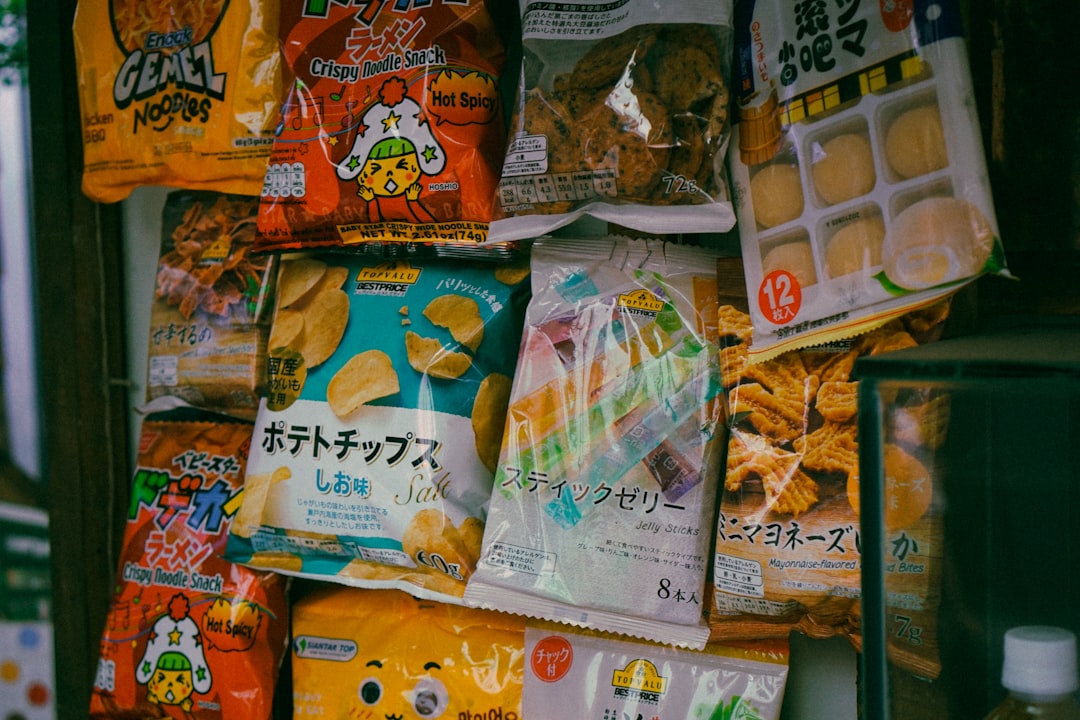
WATCH NOW ▶️ Why 99% Of American Food Is Illegal Overseas
FAQs
Why is my pantry considered illegal in Europe?
Certain items commonly stored in pantries, such as specific food products, supplements, or ingredients, may be restricted or banned under European Union regulations due to safety, health, or environmental concerns. This can make having these items in your pantry technically illegal.
Which pantry items are commonly restricted or banned in Europe?
Items like raw milk cheeses, certain types of cured meats, unpasteurized honey, some herbal supplements, and foods containing specific additives or preservatives may be restricted or banned in Europe. Regulations vary by country and product.
Are these pantry restrictions uniform across all European countries?
No, while the European Union sets many regulations, individual member countries can have additional rules or exceptions. Therefore, what is legal in one country might be restricted in another within Europe.
What are the reasons behind these pantry item restrictions in Europe?
Restrictions are typically in place to protect public health, ensure food safety, prevent the spread of diseases, and maintain environmental standards. They also aim to regulate food quality and prevent misleading labeling.
How can I ensure my pantry complies with European regulations?
To comply, check the specific food safety and import regulations of your country or the EU, avoid banned or restricted items, and purchase products from reputable sources that meet European standards. Consulting official government or EU websites can provide up-to-date information.