The modern food industry, a colossal global enterprise, faces persistent scrutiny regarding its practices. Beneath the veneer of vibrant packaging and enticing advertisements lies a complex landscape, often characterized by the strategic deployment of chemicals. This article endeavors to illuminate this “chemical war,” a battle waged not with overt force, but with the subtle power of molecular compounds to shape flavor, texture, shelf life, and, ultimately, consumer preferences. Understanding this landscape requires a journey into the science and economics that drive these pervasive applications.
The demands of a globalized food system necessitate solutions for preserving food over extended periods, transporting it across vast distances, and ensuring its availability regardless of seasonality. Chemical additives play a pivotal role in achieving these objectives, fundamentally altering the natural degradation processes of food.
The War Against Microbes: Preservatives and Antimicrobials
One of the most significant battles in the food chemical war is against microorganisms. Bacteria, yeasts, and molds are natural inhabitants of food products, leading to spoilage, off-flavors, and potentially harmful toxins. Preservatives are deployed as the first line of defense.
- Sodium Benzoate and Potassium Sorbate: These common antifungal agents are frequently found in acidic foods such as fruit juices, soft drinks, and salad dressings. They inhibit the growth of yeasts and molds, extending the usable life of these products. Their efficacy is pH-dependent, highlighting the precise chemical engineering involved.
- Nitrites and Nitrates: Crucial in cured meats like bacon, ham, and hot dogs, these compounds serve a dual purpose. They inhibit the growth of Clostridium botulinum, a dangerous bacterium, and contribute to the characteristic pink color and flavor profiles of cured products. However, concerns regarding their potential to form carcinogenic nitrosamines under certain conditions have led to ongoing research and regulatory oversight.
- Sulfites: Used as antioxidants and antimicrobials, sulfites prevent browning in fruits and vegetables and inhibit microbial growth in wines and some processed foods. While generally recognized as safe, they can trigger allergic reactions, particularly in asthmatics, leading to mandatory labeling requirements.
Battling Oxidation: Antioxidants and Rancidity Control
Beyond microbial spoilage, oxidation is another destructive force. Exposure to oxygen can lead to rancidity in fats, discoloration in fruits and vegetables, and degradation of essential vitamins. Antioxidants are the chemical soldiers deployed to mitigate these effects.
- BHA (Butylated Hydroxyanisole) and BHT (Butylated Hydroxytoluene): These synthetic phenolic antioxidants are widely used in fats, oils, cereals, and snack foods. They scavenge free radicals, delaying the onset of oxidative rancidity and preserving product freshness. While effective, their long-term health implications have been a subject of scientific debate.
- Ascorbic Acid (Vitamin C) and Tocopherols (Vitamin E): Naturally occurring antioxidants, these are also added to various food products. Ascorbic acid prevents enzymatic browning in cut fruits and vegetables, while tocopherols are effective in protecting fats and oils from oxidation. Their presence often enhances a product’s nutritional image, despite their primary role as preservatives.
In the ongoing discussion about the hidden dangers within our food supply, the article “Exposing the Food Industry Chemical War” sheds light on the various additives and preservatives that are often overlooked by consumers. For further insights into the implications of these chemicals on our health and the environment, you can read a related article at Hey Did You Know This, which explores the broader impact of food industry practices and offers tips for making healthier choices.
The Art of Sensation: Engineering Flavor, Texture, and Appearance
Beyond mere preservation, a significant portion of the chemical war is dedicated to enhancing the sensory attributes of food. Food manufacturers meticulously engineer products to appeal to specific tastes, textures, and visual preferences, often employing a sophisticated arsenal of additives to achieve these ends.
Orchestrating Taste: Flavor Enhancers and Artificial Sweeteners
Our perception of taste is complex, influenced by a delicate balance of chemical compounds. The food industry leverages this understanding to create highly palatable products.
- Monosodium Glutamate (MSG): Perhaps the most famous flavor enhancer, MSG is a sodium salt of glutamic acid, an amino acid naturally found in many foods. It intensifies the “umami” or savory taste, making processed foods more appealing. Despite past controversies, scientific consensus generally considers MSG safe for consumption.
- Artificial Sweeteners: As consumers increasingly seek to reduce sugar intake, artificial sweeteners have become ubiquitous. Compounds like aspartame, sucralose, saccharin, and acesulfame potassium provide sweetness without the caloric burden of sugar. Each possesses a unique chemical structure, sweetness intensity, and taste profile, leading to their selective application in various beverages, desserts, and processed foods. The long-term health effects of these compounds remain a subject of ongoing research and public debate.
Crafting Texture: Thickeners, Emulsifiers, and Stabilizers
Texture is a crucial, often underestimated, aspect of food enjoyment. From the creamy consistency of yogurt to the smooth mouthfeel of ice cream, texture is meticulously engineered using a range of chemical additives.
- Gums (e.g., Xanthan Gum, Guar Gum, Carrageenan): These hydrocolloids are derived from various natural sources and are widely used as thickeners, gelling agents, and stabilizers in products ranging from salad dressings to dairy alternatives. They prevent separation, create desirable mouthfeel, and contribute to product uniformity.
- Emulsifiers (e.g., Lecithin, Mono- and Diglycerides): Oil and water, by their nature, do not mix. Emulsifiers act as molecular mediators, allowing disparate phases to blend smoothly. They are essential in products like mayonnaise, margarine, and chocolate, preventing ingredient separation and ensuring a consistent texture. Without emulsifiers, many common food items would simply not exist in their familiar forms.
- Starches (Modified Starches): Native starches are often chemically or physically modified to enhance their functional properties, such as increased stability to heat, acid, or freezing. Modified starches contribute to thickening, gelling, and providing desirable textures in sauces, soups, and ready meals.
Painting the Palate: Colorants and Pigments
Visual appeal is paramount in food selection. Our eyes often “eat” before our mouths. Artificial and natural colorants are deployed to enhance or restore the color of food products, making them more attractive to the consumer.
- Artificial Food Dyes (e.g., Tartrazine, Sunset Yellow, Allura Red): These synthetic dyes provide vibrant, consistent colors and are highly stable. They are extensively used in confectionery, beverages, and processed snacks. Concerns regarding their potential link to hyperactivity in children have led to stricter regulations and voluntary removal by some manufacturers, particularly in Europe.
- Natural Colorants (e.g., Beta-Carotene, Carmine, Turmeric): Derived from plants, insects, or other natural sources, these colors are increasingly favored by consumers seeking “cleaner” labels. While often less stable and more expensive than their artificial counterparts, their natural origin is a significant marketing advantage.
Regulatory Labyrinth: Governing the Chemical Battlefield
The extensive use of chemicals in the food industry necessitates robust regulatory frameworks to ensure consumer safety. Governments worldwide employ agencies to evaluate, approve, and monitor food additives.
Decoding the Labels: Transparency and Information
Consumers are theoretically granted the power to make informed choices through food labeling. Legislation mandates the listing of ingredients, including additives, allowing individuals to identify substances they might wish to avoid.
- E-Numbers (European Union): In Europe, approved food additives are often denoted by a numerical code preceded by the letter ‘E’ (e.g., E102 for Tartrazine). This standardized system provides a shorthand for identifying additives, though understanding their individual implications still requires further research by the consumer.
- “Generally Recognized As Safe” (GRAS) (United States): In the United States, substances that are generally recognized by qualified experts as having been adequately shown to be safe under the conditions of their intended use are classified as GRAS. This designation can be based on extensive historical use or scientific evidence, and it allows for a less stringent approval process than for new food additives.
The Shifting Sands of Science and Public Perception
The regulatory landscape is not static. It evolves in response to new scientific findings, changing public health concerns, and shifts in consumer preferences. Substances once deemed safe may face re-evaluation, and public pressure can influence regulatory decisions.
- The Aspartame Debate: Aspartame, an artificial sweetener, has been the subject of numerous scientific studies and public health debates for decades. While major regulatory bodies consistently affirm its safety at current consumption levels, concerns periodically resurface, leading to ongoing monitoring and review.
- Trans Fats Regulation: Once ubiquitous in processed foods due to their functional properties, artificial trans fats were widely recognized as detrimental to cardiovascular health. Following significant scientific evidence and public health campaigns, many countries have implemented restrictions or outright bans on their use, demonstrating the responsiveness of regulations to emerging health data.
The Economic Drivers: Efficiency, Cost, and Consumer Demand

The pervasive use of chemical additives is not solely a matter of scientific ingenuity; it is deeply intertwined with economic realities. The food industry operates within highly competitive markets, where efficiency, cost-effectiveness, and meeting consumer demand are paramount.
Cost Reduction and Margin Protection
Employing chemical solutions can significantly reduce production costs. Preservatives extend shelf life, minimizing waste due to spoilage. Emulsifiers allow for the creation of stable products from more economical ingredients.
- Substituting Natural with Synthetic: Synthetic flavors and colors are often significantly cheaper and more consistent than their natural counterparts. This cost-effectiveness allows manufacturers to maintain product affordability, a key factor in mass-market appeal.
- Minimizing Spoilage Losses: The global food supply chain is vast and complex. Preventing spoilage during transportation and storage translates directly into reduced losses for manufacturers and retailers, ultimately influencing consumer prices.
Meeting the Demands of Modern Lifestyles
Contemporary lifestyles often prioritize convenience, speed, and readily available food options. Chemical additives facilitate the production of foods that align with these demands.
- Convenience Foods: Ready meals, packaged snacks, and instant products rely heavily on a combination of preservatives, texturizers, and flavor enhancers to deliver a consistent, palatable experience with minimal preparation.
- Globalized Palates: As consumers become exposed to a wider array of international cuisines, there is an increasing demand for diverse flavor profiles. Chemical flavors and enhancers assist in replicating these tastes consistently and at scale, fulfilling a broad spectrum of culinary desires.
In the ongoing discussion about the hidden dangers in our food supply, the article on food additives provides valuable insights into the various chemicals used by the food industry. This piece complements the themes explored in “Exposing the Food Industry Chemical War” by shedding light on how these additives can impact our health and well-being. Understanding the implications of these substances is crucial for making informed choices about what we consume daily.
Beyond the Battlefield: Reconsidering the Future of Food
| Chemical | Common Use in Food Industry | Health Concerns | Regulatory Status | Examples of Foods Containing Chemical |
|---|---|---|---|---|
| Bisphenol A (BPA) | Plastic packaging, can linings | Endocrine disruption, reproductive harm | Restricted in many countries | Canned vegetables, beverages |
| Glyphosate | Herbicide residue on crops | Possible carcinogen, kidney damage | Under review, some bans in place | Grains, soy products |
| Azodicarbonamide | Dough conditioner, bread improver | Respiratory issues, potential carcinogen | Banned in EU and Australia | Bread, baked goods |
| Potassium Bromate | Flour improver | Carcinogenic potential | Banned in many countries | Bread, rolls |
| Artificial Food Dyes (e.g., Red 40, Yellow 5) | Coloring agents | Hyperactivity in children, allergic reactions | Regulated with warning labels in some countries | Snacks, candies, beverages |
| Monosodium Glutamate (MSG) | Flavor enhancer | Headaches, allergic reactions in sensitive individuals | Generally recognized as safe (GRAS) | Processed foods, soups, snacks |
The “chemical war” within the food industry is a complex and multifaceted phenomenon. It represents a continuous effort to control, enhance, and optimize food products for preservation, sensory appeal, and economic viability. While many additives are deemed safe and play crucial roles in our modern food system, the ongoing debate surrounding their cumulative effects, long-term health implications, and ethical considerations continues to shape public perception and regulatory action.
As consumers, individuals are encouraged to critically examine product labels, to understand the motivations behind ingredient choices, and to advocate for transparency and responsible innovation in food production. The industry, in turn, faces the challenge of balancing technological advancement with public trust and evolving expectations for “cleaner” and more wholesome food options. The future of food will likely involve a continued dance between scientific progress, economic imperatives, and a growing societal imperative for health and sustainability.
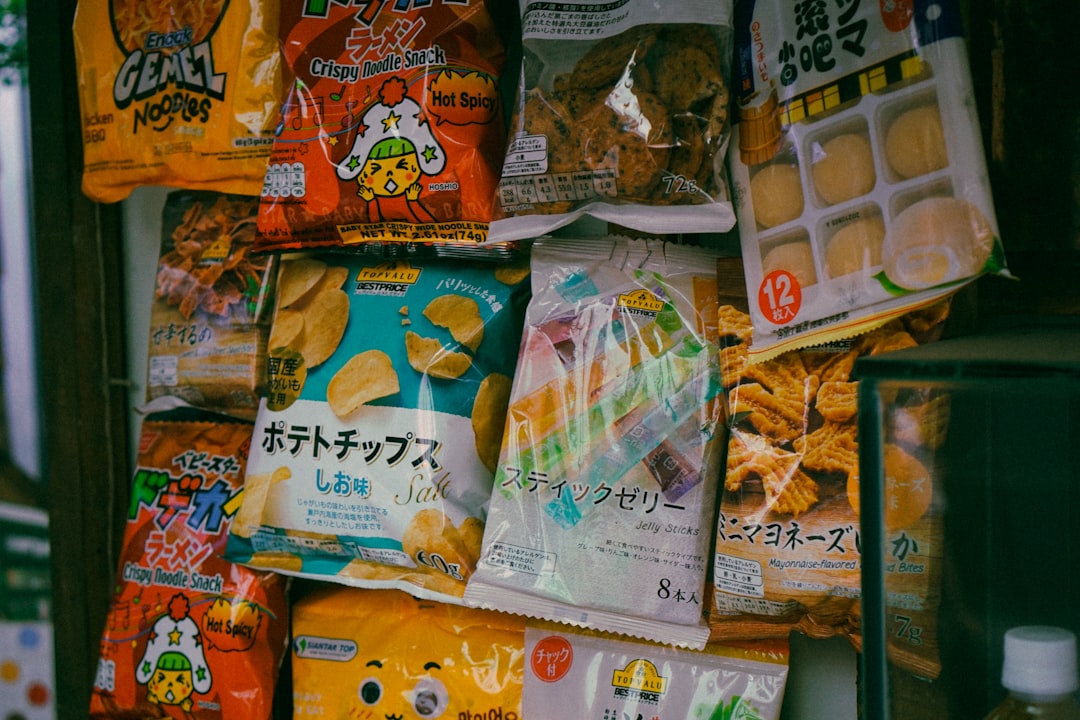
WATCH NOW ▶️ Why 99% Of American Food Is Illegal Overseas
FAQs
What is the main focus of the article “Exposing the Food Industry Chemical War”?
The article focuses on revealing the use and impact of various chemicals in the food industry, including additives, preservatives, and pesticides, and how they affect consumer health and safety.
Which chemicals are commonly used in the food industry that the article discusses?
The article discusses chemicals such as artificial preservatives, flavor enhancers, pesticides, herbicides, and other synthetic additives commonly used to extend shelf life, improve taste, and increase crop yields.
How do these chemicals affect consumer health according to the article?
The article highlights potential health risks associated with these chemicals, including allergic reactions, hormonal disruptions, increased risk of chronic diseases, and long-term toxicity concerns.
What regulations exist to control the use of chemicals in the food industry?
The article mentions that regulatory agencies like the FDA (Food and Drug Administration) and EPA (Environmental Protection Agency) set limits and guidelines for the safe use of chemicals in food production, but enforcement and standards can vary by country.
What can consumers do to reduce exposure to harmful food industry chemicals?
Consumers are advised to choose organic or minimally processed foods, read ingredient labels carefully, support transparent food producers, and stay informed about food safety issues to minimize exposure to potentially harmful chemicals.