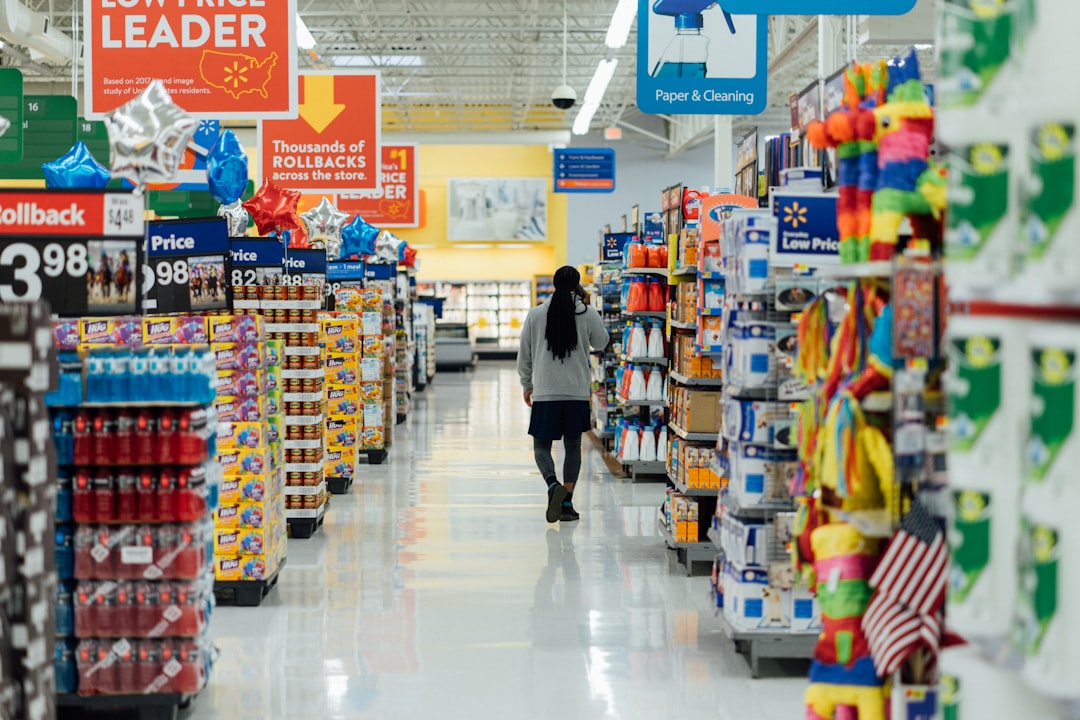
Navigating the modern grocery store often presents itself as a routine, almost mundane task. However, beneath the gleaming surfaces and carefully curated displays lies a complex ecosystem, meticulously designed and subtly manipulative. This subterranean layer, often overlooked by the casual shopper, exerts significant influence over purchasing decisions, dietary choices, and even financial well-being. Understanding these mechanisms is crucial for consumers seeking to maintain autonomy in their shopping experiences.
The layout of a grocery store is not accidental; it is a product of extensive psychological and marketing research. Every aisle, every shelf, and every product placement serves a specific purpose, primarily to prolong the shopper’s stay and maximize expenditure.
The Entrance Illusion: Freshness as a Welcome Mat
Upon entering, shoppers are typically greeted by vibrant displays of fresh produce and floral arrangements. This immediate exposure to natural colors and perceived healthfulness triggers a positive emotional response. Psychologically, this instills a sense of well-being and freshness, influencing the perception of the store as a whole. This tactic aims to disarm shoppers, making them more receptive to subsequent marketing strategies encountered deeper within the store. The illusion is that the entire enterprise shares the same inherent wholesomeness as a bushel of organic apples.
The Perimeter Preference: Essential Goods as Navigational Anchors
Essential items such as dairy, bread, and milk are almost universally located along the perimeter of the store. This strategic placement forces shoppers to traverse a significant portion of the interior to acquire these staples. This extended journey exposes them to a vast array of other products, many of which are impulse buys or heavily marketed. The perimeter acts as a magnetic field, drawing consumers across vast expanses of strategically positioned temptations.
The Center Aisle Conundrum: Processed Panoramas
The central aisles of a grocery store are often a vibrant, and sometimes overwhelming, panorama of processed foods, snacks, and sugary beverages. These aisles are frequently where the highest profit margins reside for retailers. The sheer volume and variety presented can lead to decision fatigue, making shoppers more susceptible to eye-level placements and promotional offers. The center aisles represent a dense forest of convenience and temptation, where the path of least resistance often leads to less healthy choices.
In exploring the complexities of consumer behavior and the hidden challenges within the grocery industry, you might find it insightful to read the article titled “The Dark Side of the Grocery Store.” This piece delves into the psychological tactics employed by retailers to influence purchasing decisions, revealing how marketing strategies can manipulate shoppers. For a broader understanding of related topics, check out this informative article on consumer habits and grocery shopping trends at Hey Did You Know This.
The Psychological Warfare of Pricing and Promotion
Pricing strategies in grocery stores are far more nuanced than simple cost-plus calculations. They involve a sophisticated understanding of consumer psychology, using perceived value, anchoring effects, and scarcity tactics to influence purchasing behavior.
Odd-Even Pricing: The Illusion of a Bargain
The ubiquitous use of prices ending in .99 or .97 is a classic psychological ploy. Consumers tend to round down, perceiving a price of $4.99 as significantly cheaper than $5.00, even though the difference is a mere penny. This “left-digit effect” exploits a cognitive bias, making products appear more affordable than they are. It’s a subtle whisper in the ear, suggesting greater value than reality dictates.
Decoy Pricing: Making Expensive Appear Reasonable
Decoy pricing involves introducing a third, less attractive option to make a target product seem more appealing. For instance, a small popcorn for $4, a large popcorn for $7, and a medium popcorn for $6. The medium, in this scenario, acts as a decoy. By making the medium appear only slightly less expensive than the large, it encourages consumers to choose the large, perceiving it as a better value. The decoy is a smoke screen, diverting attention while subtly nudging toward a specific outcome.
Bulk Buy Beguilement: More Isn’t Always Cheaper
Promotions like “2 for $5” or “buy one, get one free” often entice shoppers to purchase more than they need. While these offers can genuinely save money, they frequently lead to overconsumption or food waste if the items are perishable. Furthermore, consumers often assume that buying in bulk automatically equates to savings, without calculating the unit price. The allure of the “deal” can overshadow the actual need, leading to unintended surplus.
The Subtle Art of Product Placement
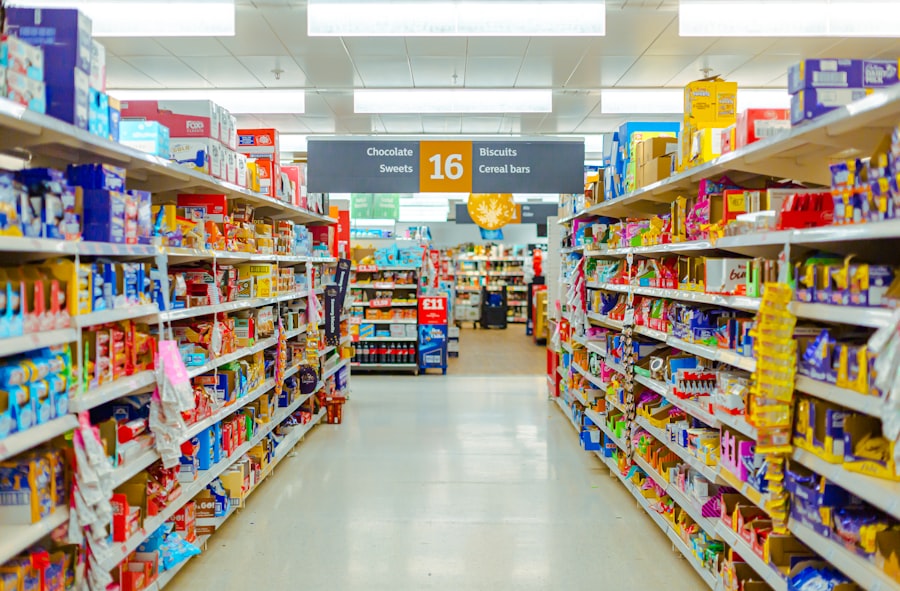
Product placement within the grocery store is a science, meticulously arranged to maximize visibility and encourage impulse purchases. This involves leveraging human attention patterns and established cognitive biases.
Eye-Level is Buy-Level: The Prime Real Estate
Shelves at eye level are considered prime real estate. Manufacturers often pay significant fees to have their products displayed prominently in these positions. These placements are designed to be effortless to spot, increasing the likelihood of an impulse purchase without conscious deliberation. The eye-level shelf is a spotlight, illuminating specific products for maximum impact.
Children’s Eye-Level: Tapping into Pester Power
Products aimed at children, often sugary cereals or toys, are strategically placed at a lower height, typically at children’s eye level. This tactic directly exploits “pester power,” encouraging children to nag their parents for desired items. This creates a challenging situation for parents, who are then pressured into purchasing items they might otherwise avoid. It’s a calculated appeal to a susceptible demographic.
End Cap Enticement: The Impulse Purchase Hotspot
End caps, the displays at the end of aisles, are powerful marketing tools. These locations often feature sale items, new products, or seasonal offerings. Their prominence and separation from the main aisle make them highly visible and encourage impulse purchases, as shoppers are more likely to notice items presented in an isolated and highlighted manner. The end cap functions as a mini-billboard, shouting its message to passersby.
The Sensory Manipulation: A Full-Spectrum Assault
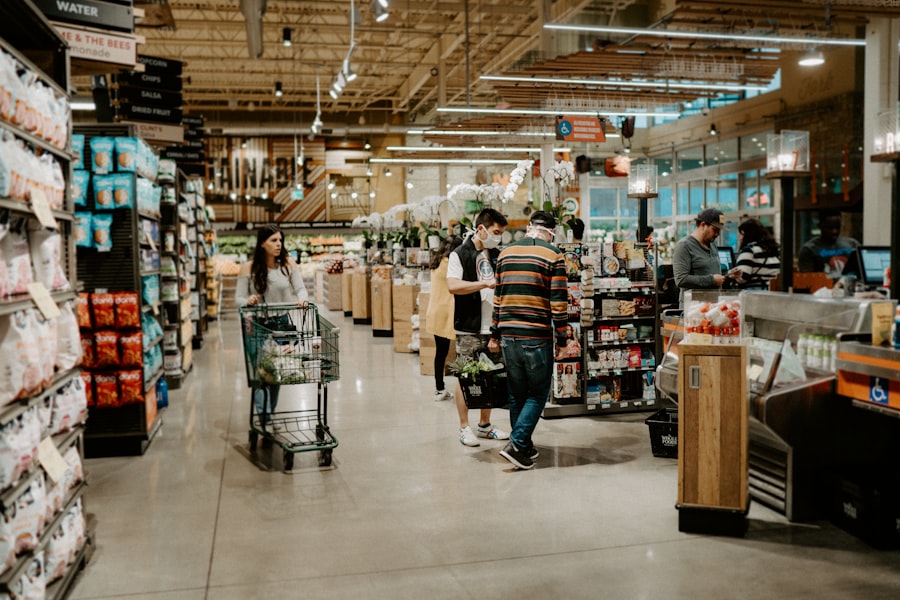
Grocery stores engage multiple senses to create a specific shopping environment, aiming to influence mood, evoke nostalgia, and stimulate appetite. This multi-sensory approach deepens the engagement and often bypasses rational decision-making.
The Aroma of Freshly Baked Goods: A Scent of Seduction
The intentional release of an appealing aroma, particularly that of freshly baked bread or roasted chicken, is a common tactic. These scents trigger positive associations, evoke feelings of comfort and home, and stimulate appetite, making shoppers more inclined to purchase food items, even if they were not on their original list. The baker’s scent is a siren song, luring shoppers with promises of warmth and comfort.
The Soundtrack of Shopping: Pacing and Mood Alteration
The background music played in grocery stores is not random. It is carefully curated to influence the pace of shopping and the overall mood of consumers. Upbeat tempo music can encourage faster shopping, while slower, more relaxed melodies can prompt shoppers to linger longer, increasing the likelihood of additional purchases. The background music is a subtle conductor, orchestrating the tempo of the shopping experience.
Lighting and Color Psychology: Setting the Scene
The lighting in a grocery store is meticulously designed to enhance the appeal of products. Bright, focused lighting on produce makes it appear fresher and more vibrant. Warm lighting in the bakery section creates a cozy, inviting atmosphere. Color psychology is also at play, with certain colors, like red and yellow, known to stimulate appetite and create a sense of urgency. The light creates a stage, highlighting certain actors in the shopping drama.
In exploring the complexities of modern shopping habits, one might find it interesting to read about the psychological tactics employed by grocery stores to influence consumer behavior. This topic is closely related to the article discussing the dark side of the grocery store, which highlights how marketing strategies can lead to unhealthy choices and overspending. For a deeper understanding of these tactics, you can check out this insightful piece on consumer psychology that delves into how our shopping experiences are carefully crafted to maximize sales.
The Digital and Data Dimension: Beyond the Physical Shelf
| Aspect | Metric | Description |
|---|---|---|
| Food Waste | 30-40% | Percentage of food produced that is wasted in grocery stores annually |
| Plastic Packaging | 60% | Percentage of grocery store products packaged in single-use plastics |
| Labor Conditions | High Turnover Rate | Many grocery stores experience turnover rates above 60% annually |
| Food Deserts | 23.5 million | Number of Americans living in areas with limited access to fresh groceries |
| Energy Consumption | 20-30% | Percentage of a grocery store’s operating costs attributed to refrigeration and lighting |
| Price Markups | Up to 50% | Typical markup on processed and packaged foods compared to wholesale prices |
The influence of the grocery store extends far beyond its physical walls, increasingly leveraging digital technologies and consumer data to personalize marketing and enhance predictive strategies.
Loyalty Programs: A Trove of Purchase Patterns
Loyalty programs, while offering apparent benefits like discounts and rewards, serve as invaluable data collection tools for retailers. Every scan of a loyalty card provides granular information about a shopper’s purchasing habits, preferences, and frequency of visits. This data is then used to tailor promotions, optimize product assortments, and personalize marketing messages, creating a feedback loop that continually refines manipulative strategies. The loyalty card is a digital magnifying glass, revealing intimate details of consumer behavior.
Online Shopping and Predictive Analytics: The Algorithm’s Gaze
The rise of online grocery shopping has opened new avenues for data collection and algorithmic influence. Every click, every search, and every item added to a cart contributes to a vast dataset. Predictive analytics uses this information to anticipate future purchases, suggest complementary items, and even pre-fill shopping carts with previously bought staples. This personalized experience, while convenient, further entrenches shopping habits and can limit exposure to new or different products. The digital cart is a crystal ball, predicting future desires before they are even fully formed.
Self-Checkout Challenges: Unpaid Labor and Data Capture
Self-checkout kiosks, while offering convenience, subtly shift labor from the retailer to the customer. Furthermore, these systems are designed to gather data on scanning efficiency and potential points of friction, refining the shopping experience while also providing opportunities for upselling through screen prompts and digital advertisements. The self-checkout is a Trojan horse, delivering convenience while silently acquiring information.
In conclusion, the grocery store is far more than a simple purveyor of goods. It is a carefully crafted environment designed to influence consumer behavior through a combination of spatial engineering, psychological manipulation, sensory bombardment, and increasingly, digital data exploitation. By understanding these subtle, yet powerful, tactics, consumers can develop a more critical and conscious approach to their shopping, empowering them to make choices based on genuine need and informed decision-making, rather than succumbing to the unseen forces at play within this ubiquitous institution. The journey through the aisles can transform from a passive experience into an active, informed navigation.
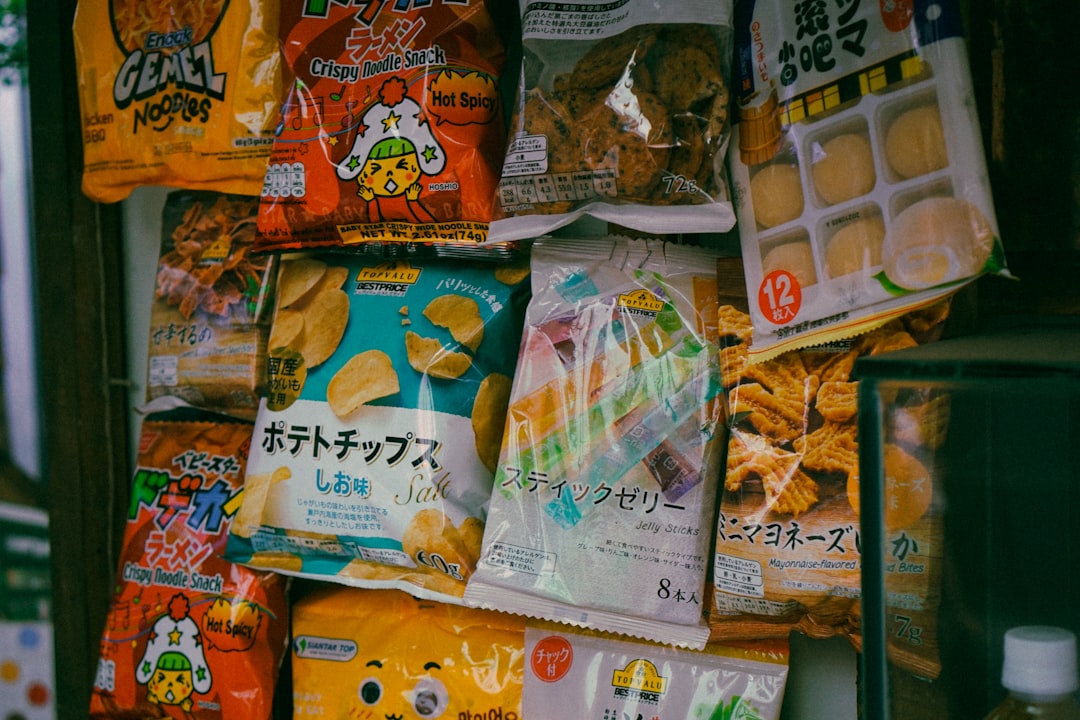
WATCH NOW ▶️ Why 99% Of American Food Is Illegal Overseas
FAQs
What does “The dark side of the grocery store” refer to?
“The dark side of the grocery store” typically refers to the hidden or less obvious negative aspects of grocery stores, such as unethical labor practices, food waste, environmental impact, and the promotion of unhealthy products.
How do grocery stores contribute to food waste?
Grocery stores contribute to food waste through overstocking, discarding unsold perishable items, and strict cosmetic standards that lead to the rejection of perfectly edible but visually imperfect produce.
Are there ethical concerns related to labor in grocery stores?
Yes, there are ethical concerns including low wages, inadequate benefits, and poor working conditions for many grocery store employees, especially those in lower-paying positions.
What environmental impacts are associated with grocery stores?
Grocery stores impact the environment through high energy consumption, excessive packaging waste, and the carbon footprint associated with transporting and storing large quantities of food products.
How do grocery stores influence consumer health?
Grocery stores often promote processed and high-sugar foods through strategic product placement and marketing, which can contribute to unhealthy eating habits among consumers.