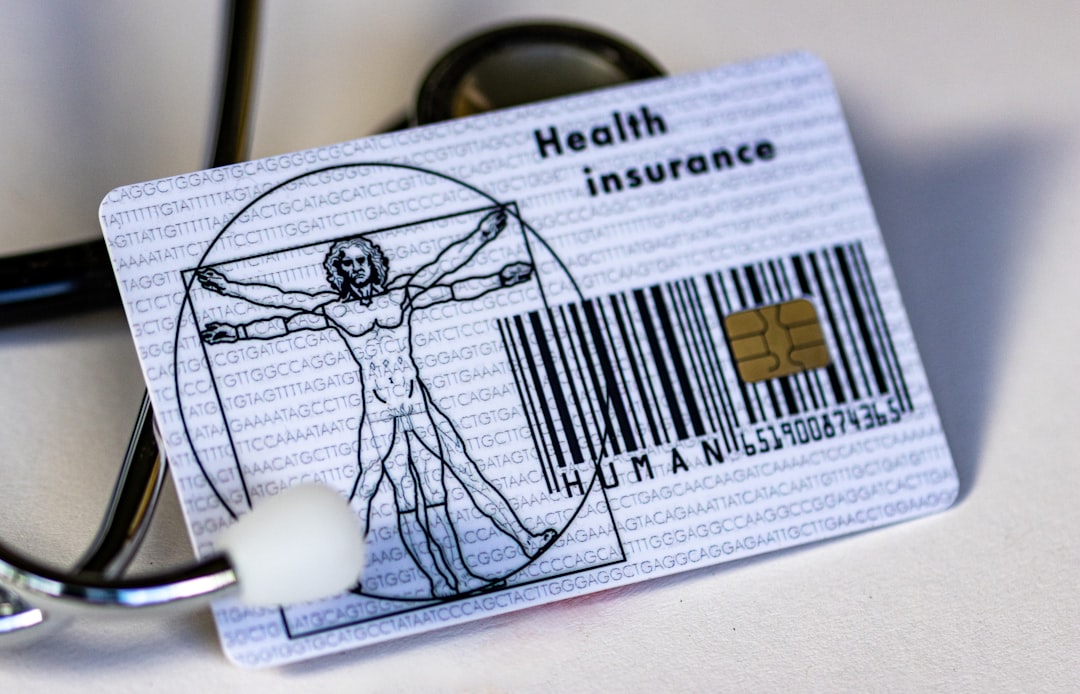
The United States healthcare system, a complex and often opaque leviathan, has long been susceptible to various forms of financial malfeasance. Recent investigations, however, have unveiled a scandal of unprecedented scale, colloquially termed the “Massive $500B Healthcare Scam.” This alleged fraud, estimated to have siphoned off half a trillion dollars, represents a significant hemorrhage of public and private funds, threatening the solvency of insurance programs and the affordability of care for millions of Americans. Understanding the intricacies of this intricate web of deceit requires a methodical dismantling of its components and a direct look at the systemic vulnerabilities it exploited.
The sheer magnitude of the alleged $500 billion healthcare scam did not materialize overnight. Instead, it was the culmination of converging factors, creating a fertile ground for illicit activities to flourish. Readers should consider these elements as foundational to comprehending the scam’s reach.
Vulnerabilities in a Fragmented System
The U.S. healthcare system, a patchwork of private insurers, government programs like Medicare and Medicaid, and various providers, inherently presents challenges for oversight. This fragmentation creates numerous points of entry for fraudulent schemes. Imagine a vast, sprawling city with countless back alleys and poorly lit corners – perfect for clandestine operations.
- Diverse Payer Landscape: The multiplicity of insurance companies, each with its own claim processing protocols and investigatory capabilities, makes it difficult to detect coordinated fraud across different payers. A scheme might defraud one insurer with a specific set of procedures, then move to another, flying under the radar of individual monitoring systems.
- Complex Billing Codes: The Current Procedural Terminology (CPT) and International Classification of Diseases (ICD) codes, essential for standardized billing, are also a double-edged sword. Their immense complexity, with tens of thousands of codes, offers opportunities for upcoding, unbundling, and billing for services never rendered. This is akin to a sculptor having an infinite array of tools, some of which can be re-purposed for illicit uses.
- Lack of Interoperability: A persistent issue within healthcare is the lack of seamless data sharing between providers, insurers, and government agencies. This absence of a unified data ecosystem hinders the ability to identify patterns of suspicious activity across different entities. It’s like trying to connect the dots in a constellation where half the stars are invisible.
Regulatory Lapses and Enforcement Gaps
While regulators undoubtedly strive to combat fraud, the speed and sophistication of criminal enterprises often outpace their efforts. The sheer volume of transactions within the healthcare industry presents a daunting challenge for oversight bodies.
- Understaffed Oversight Agencies: Agencies tasked with investigating healthcare fraud, such as the Office of Inspector General (OIG) within the Department of Health and Human Services, often operate with limited resources compared to the scale of the problem. They are effectively asked to bail out a constantly leaking ship with a teacup.
- Reactive vs. Proactive Measures: Historically, fraud detection has been largely reactive, responding to complaints or anomalies after they occur. Proactive strategies, utilizing advanced analytics and predictive modeling, are still evolving and not universally adopted.
- Political Influence and Lobbying: The healthcare industry is a powerful lobbying force, often influencing legislative and regulatory decisions. While not directly sanctioning fraud, this influence can sometimes create an environment where stricter regulations or enhanced enforcement face significant resistance.
The recent revelation of a staggering $500 billion healthcare scam has sent shockwaves through the industry, highlighting the urgent need for reform and oversight. For a deeper understanding of the implications of this scandal and its impact on healthcare systems, you can read a related article that discusses the broader context of fraud in the healthcare sector. Check it out here: Healthcare Fraud Insights.
Modus Operandi: The Mechanisms of Deception
The alleged $500 billion healthcare scam employed a diverse array of fraudulent tactics, ranging from straightforward false billing to sophisticated identity theft and kickback schemes. Recognizing these methodologies is crucial for developing effective countermeasures.
Billing Fraud: The Low-Hanging Fruit
Billing fraud represents a significant portion of healthcare scams, often exploiting the aforementioned complexity of coding and the high volume of claims.
- Upcoding: This involves billing for a more expensive service or procedure than was actually provided. For instance, a routine office visit might be billed as an extended, complex consultation. This is like a baker selling a plain loaf of bread but charging for a gourmet cake.
- Unbundling: This occurs when services that are typically grouped together and billed as one comprehensive procedure are instead billed separately. Each individual component is then charged, inflating the total cost. Consider a car repair where each individual bolt and washer is itemized and charged separately instead of the repair as a whole.
- Billing for Services Not Rendered: The most blatant form of billing fraud, this involves submitting claims for treatments, tests, or equipment that were never provided to the patient. This can range from phantom surgeries to billing for durable medical equipment that was never delivered.
Identity Theft and Patient Recruitment
A particularly insidious aspect of the scam involved exploiting vulnerable individuals and stealing their identities to generate fraudulent claims.
- “Patient Mills”: These operations involve recruiting individuals, often through deceptive advertising or small monetary incentives, to receive unnecessary medical treatments or services that are then billed to insurers. Think of it as a factory producing fake medical claims, with unwitting patients as the raw material.
- Stolen Identities: In more egregious cases, individuals’ personal information and insurance details are stolen and used to create entirely fabricated medical records and claims. Victims often remain unaware until receiving unexpected bills or discovering discrepancies in their medical histories.
- Coercion and Exploitation: Some schemes target individuals experiencing homelessness, addiction, or mental health issues, exploiting their vulnerabilities to secure their insurance information for fraudulent billing.
Kickbacks and Anti-Kickback Statute Violations
The federal Anti-Kickback Statute prohibits offering, paying, soliciting, or receiving anything of value to induce or reward referrals of services payable by federal healthcare programs. Violations of this statute often underpin larger fraudulent schemes.
- Referral Fees: Physicians or other providers might receive payments for referring patients to specific labs, imaging centers, or Durable Medical Equipment (DME) suppliers, even if those referrals are medically unnecessary or to subpar services. This is a corrosive exchange, prioritizing profit over patient well-being.
- Sham Consulting Agreements: Companies might enter into “consulting agreements” with physicians or hospitals that are merely a disguised form of payment for patient referrals. The “consulting” work is often minimal or nonexistent.
- Waiver of Co-Payments/Deductibles as Inducement: While sometimes permissible in genuine hardship cases, routinely waiving co-payments and deductibles can be a kickback if used to induce patients to utilize a provider’s services, especially when paired with aggressive marketing for unnecessary procedures.
The Human Cost: Beyond the Billions

While the dollar figure of $500 billion is staggering, the true impact of this alleged scam extends far beyond monetary losses. It erodes trust, compromises patient care, and exacerbates existing healthcare inequalities.
Erosion of Public Trust
When such massive schemes are exposed, public confidence in the healthcare system, already a fragile commodity, suffers immensely. People begin to question the motives of providers and institutions.
- Skepticism Towards Medical Advice: Patients might become hesitant to trust medical recommendations if they suspect the provider’s primary goal is financial gain rather than their health. This creates a dangerous chasm of distrust.
- Reduced Confidence in Insurance Programs: The viability of Medicare, Medicaid, and private insurance is directly threatened by such widespread fraud. When funds are siphoned off, premiums rise, benefits are cut, and the long-term sustainability of these essential programs is jeopardized.
- Damaged Reputation of Honest Providers: The actions of a few bad actors can cast a shadow over the vast majority of dedicated and ethical healthcare professionals, diminishing the public’s appreciation for their vital work.
Compromised Patient Care
Fraudulent practices frequently lead to substandard or entirely unnecessary medical care, directly endangering patients.
- Unnecessary Procedures and Tests: Patients might be subjected to invasive or risky procedures, expensive tests, or prescription medications they do not need, all for the purpose of generating fraudulent bills. This is not only a financial burden but a physical and emotional toll.
- Diversion of Resources: Funds that should be invested in legitimate patient care, research, and infrastructure are instead diverted into the pockets of criminals. This starves the genuine needs of the healthcare system.
- Patient Safety Risks: Receiving care from unqualified individuals, undergoing unnecessary treatments, or interacting with organizations driven by profit rather than medical ethics can directly harm patients, leading to complications, infections, and adverse outcomes.
Exacerbation of Healthcare Disparities
The victims of healthcare fraud are often the most vulnerable populations, further widening existing health equity gaps.
- Targeting of Underserved Communities: Schemes frequently pinpoint communities with limited access to healthcare, lower health literacy, or a higher proportion of individuals reliant on public insurance programs. These individuals are easier targets for deceptive recruitment.
- Increased Costs for Everyone: The financial burden of fraud is ultimately borne by all patients and taxpayers through higher premiums, increased deductibles, and reduced healthcare services. This acts as an invisible tax on everyone.
- Diminished Access to Legitimate Care: When fraudulent entities saturate a market, they can overwhelm legitimate providers, making it harder for honest facilities to operate and for patients to access genuine, quality care.
Combating the Leviathan: Strategies for Remediation and Prevention

Addressing a scam of this magnitude requires a multi-pronged approach, encompassing enhanced regulatory frameworks, technological innovation, and increased public awareness. The reader should understand that this is an ongoing battle requiring sustained effort.
Strengthening Regulatory Oversight and Enforcement
The first line of defense rests with robust regulatory bodies and aggressive enforcement.
- Increased Funding for Anti-Fraud Units: Investing more resources into agencies like the OIG, the FBI, and state Medicaid Fraud Control Units is paramount. These agencies need the financial and human capital to keep pace with sophisticated criminal networks.
- Enhanced Penalties for Fraud: Deterrents need to be strong enough to make the risk of engaging in fraud outweigh the potential financial rewards. This includes longer prison sentences and higher fines for convicted fraudsters.
- Interagency Collaboration: Fostering seamless communication and data sharing between federal, state, and local law enforcement agencies, as well as private insurers, can help identify and dismantle large-scale fraud operations more effectively. This is akin to connecting isolated islands into a unified continent.
Leveraging Technology for Detection and Prevention
Technology, often a tool for fraudsters, can also be a powerful weapon against them.
- Advanced Analytics and Artificial Intelligence (AI): Using AI and machine learning to analyze vast datasets of claims can identify suspicious patterns, anomalies, and potential fraud in real-time, moving from reactive to proactive detection. Imagine a digital bloodhound, sniffing out fraud before it fully materializes.
- Blockchain Technology: Exploring the potential of blockchain to create immutable records of medical services and claims could significantly reduce opportunities for manipulation and false billing. This could build an unassailable digital ledger.
- Biometric Authentication: Implementing stronger patient identification measures, such as biometric authentication, can help prevent identity theft and ensure that services are only billed for the individuals who receive them.
Promoting Transparency and Patient Empowerment
Informed patients are a crucial bulwark against fraud.
- Simplified Explanation of Benefits (EOBs): Making EOBs clearer and easier for patients to understand can help them identify discrepancies and report suspicious charges. The current system often feels like reading ancient hieroglyphs.
- Public Awareness Campaigns: Educating the public about common fraud schemes, how to protect their personal information, and whom to contact if they suspect fraud is essential. Empowering individuals to be vigilant observers.
- Whistleblower Protection: Robust protections and incentives for whistleblowers – individuals who report fraud from within an organization – can be invaluable in uncovering complex schemes that would otherwise remain hidden.
The alleged $500 billion healthcare scam serves as a stark reminder of the persistent and evolving threat of fraud within the United States healthcare system. While the scale of this particular exposure is breathtaking, it is likely but one manifestation of an ongoing struggle. Addressing this pervasive issue requires concerted effort from regulators, law enforcement, healthcare providers, insurers, and the public. Only through a sustained commitment to transparency, technological innovation, and uncompromising enforcement can the system hope to staunch this egregious financial bleeding and restore confidence in the integrity of healthcare delivery. The fight against healthcare fraud is not merely about recovering lost funds; it is about safeguarding the health and financial well-being of every American.
FAQs
What is the $500 billion healthcare scam?
The $500 billion healthcare scam refers to widespread fraudulent activities and systemic inefficiencies within the healthcare industry that result in excessive costs, billing fraud, and misuse of funds totaling approximately $500 billion annually.
Who is affected by the healthcare scam?
Patients, insurance companies, taxpayers, and government healthcare programs are all affected by the scam, as it leads to inflated medical bills, higher insurance premiums, and increased public healthcare spending.
What are common types of fraud involved in the healthcare scam?
Common types include billing for services not rendered, upcoding (charging for more expensive services than provided), kickbacks, unnecessary medical procedures, and falsifying patient diagnoses.
How is the $500 billion figure estimated?
The figure is derived from studies and reports by government agencies, healthcare watchdogs, and research organizations analyzing fraudulent claims, administrative waste, and inefficiencies in the healthcare system.
What measures are being taken to combat the healthcare scam?
Efforts include stricter regulations, enhanced auditing and monitoring systems, use of advanced data analytics to detect fraud, increased penalties for offenders, and promoting transparency in healthcare billing and pricing.