The ubiquitous presence of bottled water, often marketed as a pure and convenient alternative to tap water, conceals a less pristine reality. Beneath the label promising refreshment lies a hidden contaminant: microplastics. These tiny fragments of plastic, often invisible to the naked eye, have become a pervasive element in our environment, and the water we purchase in plastic bottles is no exception. Understanding the extent and implications of microplastic contamination in bottled water is crucial for informed consumer choices and for driving broader environmental action.
Microplastics, defined as plastic particles less than 5 millimeters in size, are the microscopic descendants of larger plastic items that have broken down. This degradation process is driven by various environmental factors, including sunlight, wave action, and friction. Imagine a once-mighty plastic bottle, tossed about by ocean waves or baking under the sun on a landfill. Over time, its structural integrity erodes, fragmenting into smaller and smaller pieces, each a tiny shard of its former self. These fragments, in turn, can further break down into nanoplastics, even smaller particles that pose even greater challenges for detection and removal. The prevalence of microplastics in the environment is undeniable; they are found in our oceans, rivers, soil, air, and even within the bodies of wildlife. Their journey into the bottled water we consume is a complex, multi-stage process, occurring at various points from production to consumption.
Sources of Microplastics in Bottled Water
The journey of microplastics into our bottled water is not a single event but a confluence of contributing factors. From the raw materials used in bottling to the very act of sealing and transporting the finished product, each stage presents an opportunity for these unwelcome guests to infiltrate.
The Manufacturing Process: A Breeding Ground for Contaminants
The facilities where bottled water is manufactured represent a significant nexus for microplastic introduction. The very equipment used in the bottling process, often made of plastics and rubbers, can shed tiny particles over time. Conveyor belts, filling nozzles, and machinery components are constantly in motion, subject to wear and tear that can release microscopic plastic fragments into the production environment. Think of a busy factory floor, where the constant hum of machinery and the movement of goods inevitably stir up unseen dust. In this case, the dust is often plastic. Cleaning processes within these facilities, while intended to maintain hygiene, can also inadvertently dislodge and distribute microplastic particles. The water itself, even before being bottled, can also be a source. While purified, it may have been transported through plastic pipes or stored in plastic containers, allowing for potential leaching of microplastics.
The Plastic Bottle Itself: A Paradoxical Contributor
The most apparent source of microplastics in bottled water is, paradoxically, the very container it is sold in. Whether the bottle is made of PET (polyethylene terephthalate) or other plastic formulations, the interaction between the plastic and the water can lead to microplastic shedding. As water sits in a plastic bottle, especially when exposed to temperature fluctuations or physical stress like shaking, the plastic material can degrade. This degradation releases tiny plastic particles into the water. Imagine a dry sponge, left out for too long, it becomes brittle and prone to crumbling. Similar, albeit on a microscopic scale, is the ongoing interaction between the plastic bottle and its contents. Even without significant damage, the plastic molecules themselves are not inert and can migrate into the water over time.
The Cap: A Small but Significant Culprit
The plastic cap that seals the bottle, a seemingly innocuous component, can also be a significant contributor to microplastic contamination. The manufacturing of these caps, the act of screwing them onto the bottles, and even the repeated opening and closing by consumers can cause the cap material to shed tiny plastic fragments. These fragments then readily mix with the water. The friction between the cap and the bottle rim during sealing, and the torsional forces applied by a consumer opening the bottle, are prime examples of how mechanical stress can lead to microplastic release.
Environmental Exposure During Storage and Transport
Once bottled, the journey of water from the factory to the consumer’s hands is fraught with opportunities for microplastic introduction. Storage facilities, often subject to varying temperatures, and the rigors of transportation – whether by truck, ship, or train – can all contribute to the release of microplastics. Bottles jostled together, exposed to sunlight on docks, or enduring temperature extremes, are all susceptible to plastic degradation. The rough handling during loading and unloading can further exacerbate this issue, creating vibrations and impacts that encourage microplastic shedding.
Recent studies have raised concerns about the presence of microplastics in bottled water, highlighting the potential health risks associated with their consumption. For a deeper understanding of this issue, you can explore a related article that delves into the sources and implications of microplastics in our drinking water. To read more, visit this informative article.
Quantifying the Unseen: The Science of Microplastic Detection
Determining the exact quantity of microplastics in bottled water is a complex scientific endeavor. Researchers employ sophisticated techniques to isolate, identify, and quantify these minuscule particles, revealing a concerning prevalence. The methods used are akin to forensic investigations, meticulously sifting through a sample to uncover evidence of its microscopic contamination.
Methodologies for Detection and Analysis
The process of detecting microplastics in bottled water is not as simple as looking through a microscope. It involves a series of delicate steps designed to extract and identify these particles from the water matrix.
Filtration and Sieving: Initial Separation
The first step in many analytical protocols involves physically separating the microplastics from the bulk of the water. This is typically achieved through filtration, where water is passed through filters with specific pore sizes designed to capture particles within the microplastic range. Sieving, using a series of progressively finer mesh screens, can also be employed to categorize microplastics by size. Consider a baker sifting flour to remove lumps; similarly, filtration separates the solid microplastic particles from the liquid water.
Chemical Digestion: Dissolving Organic Matter
To clearly identify the plastic particles, any organic matter – such as algae, bacteria, or other biological material – that may have adhered to them needs to be removed. This is accomplished through chemical digestion, using substances like hydrogen peroxide or strong acids that break down organic material while leaving the plastic intact. This step is crucial for ensuring that what is being analyzed is indeed plastic and not something else. Imagine cleaning a stained piece of jewelry; the cleaning solution removes the tarnish without damaging the precious metal.
Spectroscopic Analysis: Identifying Plastic Types
Once the microplastics are isolated and cleaned, their chemical composition needs to be determined to confirm they are plastic and to identify the type of polymer. Techniques such as Fourier-transform infrared (FTIR) spectroscopy or Raman spectroscopy are commonly used. These methods analyze how the plastic particles interact with light, generating a unique spectral fingerprint that allows scientists to identify the specific type of plastic (e.g., PET, polypropylene). This is like a detective using fingerprint analysis to identify an individual; each plastic has a unique spectral signature.
Findings from Major Studies
Numerous studies have been conducted globally to assess the levels of microplastics in bottled water, and their findings paint a consistent picture of widespread contamination. These investigations act as bellwethers, alerting us to the scale of the problem.
Global Prevalence Studies
Research conducted across different continents has consistently detected microplastics in bottled water from various brands and geographical regions. These studies often involve analyzing samples from multiple sources to provide a comprehensive overview of the issue. The sheer volume of research across diverse locations underscores that this is not an isolated problem but a global phenomenon.
Varying Levels and Types of Contamination
The concentration and types of microplastics found in bottled water can vary significantly depending on factors such as the brand, the origin of the water, and the manufacturing processes employed. Some studies have identified higher levels of contamination in certain regions or from specific types of plastic bottles. This variability highlights the need for continued research and for industry transparency regarding their production methods. It’s like observing different ecosystems; some are richer in certain species than others, and so it is with microplastic contamination.
The Potential Health Implications: What We Know and Don’t Know
The presence of microplastics in the water we drink raises legitimate concerns about their potential impact on human health. While research is ongoing, current scientific understanding suggests a multifaceted picture of potential risks and areas requiring further investigation. As we ingest these tiny plastic particles, we are, in essence, participating in an uncontrolled biological experiment.
Ingestion and Absorption Pathways
Once microplastics are present in bottled water, they become subject to ingestion. Our digestive system is designed to process food and liquids, and microplastics, being small enough, can pass through this pathway. The question then becomes what happens to them once they are inside.
The Digestive Tract: A Voyage of Microplastics
Upon consumption, microplastics enter the stomach and then the intestines. While much of the water is absorbed, the fate of the microplastics within the digestive tract is an active area of research. Some studies suggest that a portion of these particles may be expelled from the body, while others may reside within the gut or potentially be absorbed into the bloodstream. The journey through the digestive system is a chaotic one, with varying conditions that could influence the behavior of these microparticles.
Potential for Translocation into Tissues
A significant concern is the potential for microplastics to translocate from the digestive tract into other tissues and organs within the body. If microplastics are small enough, particularly nanoplastics, they may be able to cross the intestinal barrier and enter the circulatory system. This possibility raises concerns about potential accumulation in organs like the liver, kidneys, or even the brain. The intestinal lining, while a barrier, is not impermeable, and the microscopic nature of these particles presents a potential pathway for infiltration.
Known and Suspected Health Effects
The scientific community is still piecing together the full picture of how microplastics might affect human health. However, existing research, primarily from in vitro studies and animal models, points to several potential areas of concern.
Inflammation and Immune Response
One of the primary concerns is the body’s potential inflammatory and immune response to the presence of foreign particles. Microplastics can trigger inflammatory pathways within the gut, and there is concern that this chronic inflammation could contribute to various health issues. Imagine a splinter in your skin; your body reacts to it with inflammation. Microplastics in the gut are, in a sense, microscopic splinters.
Leaching of Chemical Additives
Plastic materials often contain chemical additives used during their manufacturing process, such as plasticizers, flame retardants, and stabilizers. When these additives leach from microplastics into the body, they can have endocrine-disrupting effects or other toxicological impacts. These chemicals, like hidden baggage accompanying the microplastics, can pose their own set of risks.
Physical Damage to Cells
There is also a theoretical concern that the physical jaggedness or sharp edges of some microplastic particles could cause microscopic damage to cells within the digestive tract or other tissues. While evidence for this in humans is limited, it remains a potential area of concern.
The Unanswered Questions: A Call for More Research
It is crucial to emphasize that the long-term health effects of microplastic ingestion in humans are not yet fully understood. Much of the current research is based on animal studies or laboratory experiments, and translating these findings directly to human health requires further investigation. The human body is a complex system, and the subtle, cumulative effects of microplastic exposure are challenging to model.
Beyond the Bottle: The Broader Environmental Context
The issue of microplastics in bottled water cannot be viewed in isolation. It is a symptom of a larger, systemic problem: our global reliance on single-use plastics and inadequate waste management practices. Understanding this broader context is essential for fostering effective solutions. The bottled water industry, while convenient, is a microcosm of our consumer culture’s plastic footprint.
The Plastic Pollution Crisis
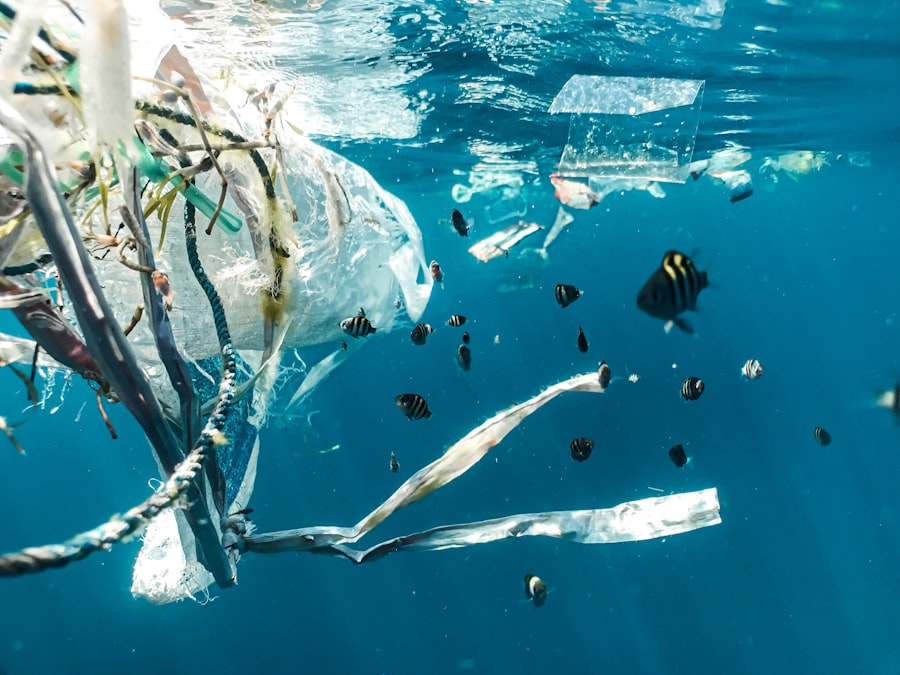
The world is drowning in plastic. Single-use plastic products, from packaging to disposable cutlery, are discarded in vast quantities, overwhelming landfills and polluting our oceans. Bottled water, with its single-use plastic containers, is a significant contributor to this crisis. The sheer volume of plastic produced and discarded annually is staggering, creating a persistent environmental burden.
Oceans, Rivers, and Ecosystems Under Threat
Plastic pollution, including microplastics, has devastating consequences for marine and freshwater ecosystems. Wildlife can ingest plastic debris, mistaking it for food, leading to starvation, internal injuries, and death. Microplastics can also accumulate in the food chain, potentially posing risks to larger predators, including humans who consume seafood. The delicate balance of these ecosystems is being disrupted by this persistent pollutant.
The Lifecycle of a Plastic Bottle
The journey of a plastic bottle rarely ends with recycling. While recycling rates are improving in some regions, a significant proportion of plastic bottles still end up in landfills or as litter. The energy and resources required to produce and transport these bottles further contribute to their environmental impact. Each bottle, from its inception to its eventual disposal, carries an environmental cost.
The Role of Industry and Consumer Behavior
Addressing the microplastic problem requires a multifaceted approach involving both industry responsibility and conscious consumer choices. The producers of bottled water have a role to play in minimizing microplastic shedding in their products, while consumers can make informed decisions about their water consumption.
Industry Innovation and Responsibility
The bottled water industry can invest in research and development to create more resilient plastic materials, improve manufacturing processes to reduce shedding, and explore alternative packaging solutions. Greater transparency about their microplastic testing and mitigation efforts would also be beneficial. The industry holds a key to unlocking more sustainable practices.
Empowering Informed Consumer Choices
As consumers, understanding the issue of microplastics in bottled water empowers us to make informed decisions. This might include reducing our reliance on bottled water when safe tap water is available, opting for reusable water bottles, and supporting brands that demonstrate a commitment to reducing plastic pollution. Every choice, however small, contributes to a larger shift.
Recent studies have raised concerns about the presence of microplastics in bottled water, highlighting the potential health risks associated with their consumption. For a deeper understanding of this issue, you can explore a related article that discusses the sources and implications of microplastic contamination in various beverages. This informative piece sheds light on the broader environmental impact and offers insights into how consumers can make more informed choices. To read more about this topic, visit this article.
Moving Forward: Solutions and Sustainable Alternatives
| Study/Source | Microplastic Concentration (particles/L) | Common Microplastic Types | Health Concerns | Notes |
|---|---|---|---|---|
| Orb Media (2018) | 10.4 (average) | Polypropylene, Nylon, PET | Potential ingestion, unknown long-term effects | Tested 259 bottles from 11 brands worldwide |
| World Health Organization (2019) | Varies, no specific limit set | Various | Currently no evidence of health risk, recommends further research | Review of microplastics in drinking water |
| University of Minnesota (2020) | Average 325 particles per liter | Polyethylene, Polypropylene | Potential for chemical exposure and physical harm | Smaller particles ( |
| European Food Safety Authority (EFSA, 2021) | Data insufficient for risk assessment | Various | Calls for standardized testing methods | Focus on ingestion through food and water |
| Environmental Science & Technology (2022) | Range: 0 to 1000+ particles/L | Polyethylene terephthalate (PET), Polypropylene | Potential for bioaccumulation and toxicity | Variation depends on brand and packaging |
The pervasive nature of microplastics in bottled water is a call to action. While the problem is complex, viable solutions and sustainable alternatives exist that can mitigate this issue and foster a healthier relationship with our environment. The path forward requires innovation, a shift in consumer habits, and a collective commitment to a more sustainable future.
Reducing Plastic Reliance
The most effective way to combat microplastic contamination from bottled water is to reduce our reliance on single-use plastic bottles altogether.
The Power of Reusable Water Bottles
Investing in a high-quality, reusable water bottle is a simple yet impactful step. This immediately eliminates the need for single-use plastic and significantly reduces your personal contribution to plastic waste and microplastic shedding. Furthermore, it can often be a more cost-effective solution in the long run.
Ensuring Safe and Accessible Tap Water
Promoting and ensuring access to safe, clean, and palatable tap water is paramount. Governments and municipalities play a crucial role in maintaining and upgrading water infrastructure to guarantee the quality of our public water supply. When tap water is perceived as unsafe or unpleasant, the appeal of bottled water, and by extension, microplastic contamination, grows.
Innovations in Packaging and Filtration
The future may hold innovative solutions in both packaging materials and water treatment.
Biodegradable and Compostable Packaging
The development and widespread adoption of truly biodegradable and compostable packaging materials offer a promising alternative to traditional plastics. However, it is crucial that these materials are genuinely sustainable and do not create new environmental challenges. The lifecycle assessment of such materials is critical.
Advanced Water Filtration Technologies
Improvements in water filtration technologies, both at the municipal level and for personal use, can help remove microplastics from drinking water. Research into advanced filtration membranes and other innovative methods is ongoing and could offer a crucial tool in combating this contamination. These technologies act as microscopic sieves, catching the invaders before they reach our glasses.
Advocacy and Policy Change
Driving systemic change requires advocacy for stronger regulations and policies that address plastic production and pollution.
Government Regulation and Legislation
Governments can implement policies that incentivize the reduction of single-use plastics, promote the use of sustainable alternatives, and hold industries accountable for their environmental impact. Bans on certain types of single-use plastics and mandates for recycled content are examples of such measures. Policy plays a vital role in steering industries toward more responsible practices.
Raising Public Awareness and Education
Continued public awareness campaigns are essential to educate consumers about the issue of microplastics and empower them to make informed choices. By understanding the problem, individuals can become powerful agents of change, demanding better products and more sustainable practices from the industries that serve them. Knowledge is the first step towards unlocking a cleaner future.
FAQs
What are microplastics and how do they get into bottled water?
Microplastics are tiny plastic particles less than 5 millimeters in size. They can enter bottled water through contamination during the bottling process, from the plastic packaging itself, or from environmental pollution affecting the water source.
Are microplastics in bottled water harmful to human health?
Currently, there is no conclusive evidence that microplastics in bottled water pose a direct health risk to humans. Research is ongoing to understand potential long-term effects, but the levels found are generally considered low.
How common are microplastics in bottled water compared to tap water?
Studies have found microplastics in both bottled and tap water. Some research indicates bottled water may contain higher concentrations, but contamination can vary widely depending on the brand and source.
Can filtering bottled water remove microplastics?
Certain filtration methods, such as reverse osmosis and nanofiltration, can reduce microplastic content. However, standard home filters may not effectively remove all microplastics from bottled water.
What steps are being taken to reduce microplastics in bottled water?
Manufacturers are exploring improved packaging materials and stricter quality controls to minimize microplastic contamination. Additionally, regulatory agencies are increasing monitoring and research to better understand and manage microplastic pollution.