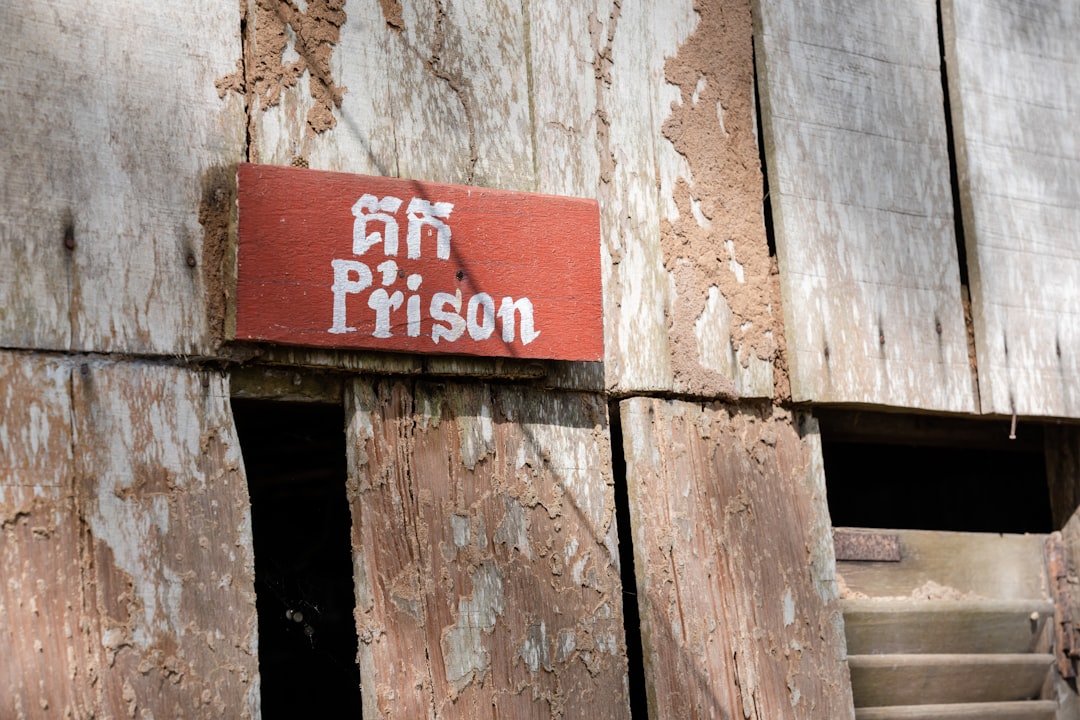
The discourse surrounding private prisons often centers on a fundamental tension: the pursuit of profit intertwined with the imperative of criminal justice. This article delves into the complexities of privately operated correctional facilities, examining their historical development, operational models, and documented impacts on inmates, staff, and the broader justice system. The aim is to present a factual overview, allowing readers to form their own informed conclusions about the efficacy and ethical implications of this controversial industry.
The concept of private entities managing correctional facilities is not entirely new, with historical precedents existing in various forms. However, the modern resurgence and significant growth of the private prison industry in the United States, and subsequently in other nations, can be traced to specific socio-political and economic factors.
The Rise of Mass Incarceration
The latter half of the 20th century witnessed a dramatic increase in incarceration rates, particularly in the United States. This surge was fueled by toughened sentencing laws, the “War on Drugs,” and a general shift in public policy towards more punitive approaches to crime. As public correctional systems struggled to cope with burgeoning inmate populations, private companies began to offer themselves as a solution, promising cost-effectiveness and operational efficiency.
Fiscal Pressures and Budgetary Constraints
Government agencies, facing escalating costs associated with building and maintaining public prisons, found the prospect of outsourcing attractive. Private companies often presented themselves as capable of constructing facilities more quickly and operating them at a lower per-inmate cost, thereby alleviating immediate budgetary pressures. This appeal was particularly strong during periods of economic austerity.
Ideological Shifts Supporting Privatization
Beyond purely economic considerations, a broader ideological movement favoring privatization of public services gained traction. Proponents argued that private enterprises, driven by market forces, were inherently more innovative and efficient than government bureaucracies. This philosophical underpinning provided fertile ground for the expansion of private corrections.
The private prison industry has long been a topic of intense debate, with many questioning the ethics and implications of profiting from incarceration. For a deeper understanding of this complex issue, you can read a related article that explores the various facets of the private prison system and its impact on society. To learn more, visit this insightful article.
Operational Models and Financial Incentives
The core of the debate surrounding private prisons often lies in their operational structure, which fundamentally links inmate populations to revenue generation. Understanding these models is crucial to grasping the incentives that drive the industry.
Per Diem Contracts and Occupancy Guarantees
The most common financial arrangement between private prison companies and contracting governments involves “per diem” payments. This means the government pays a fixed amount per inmate, per day, for each individual housed in the facility. Crucially, many contracts include “occupancy guarantees” or “bed mandates,” which require the government to maintain a certain percentage of beds filled, or pay for them regardless. These clauses have drawn significant criticism as they appear to create a direct financial incentive for higher incarceration rates. Imagine a restaurant that gets paid for every seat filled, whether or not a customer is actually served – the incentive to keep those seats occupied is strong.
Cost-Cutting Measures and Their Consequences
To maximize profits within the per diem model, private prison companies often implement aggressive cost-cutting measures. These can manifest in various ways, directly impacting the quality of life within these institutions.
Staffing Levels and Training Deficiencies
One of the most frequently cited areas for cost reduction is staffing. Private prisons often employ fewer correctional officers per inmate compared to publicly run facilities. Furthermore, the training provided to these officers may be less comprehensive, and salaries and benefits are often lower, leading to higher turnover rates. This can create a challenging and potentially dangerous environment for both inmates and staff.
Reduced Inmate Services and Programs
Opportunities for rehabilitation, education, vocational training, and mental health services are often scaled back in private facilities to minimize expenses. While rehabilitation is a stated goal of the correctional system, the economic model of private prisons can inadvertently deprioritize these crucial components. This can create a vicious cycle where individuals are released without adequate support, increasing the likelihood of reoffending.
Quality of Facilities and Maintenance
Maintenance schedules and investment in facility upkeep can also be compromised in the pursuit of profit. Dilapidated infrastructure, inadequate sanitation, and poorly maintained facilities can exacerbate already difficult living conditions for inmates.
Documented Impacts on Inmates and Staff
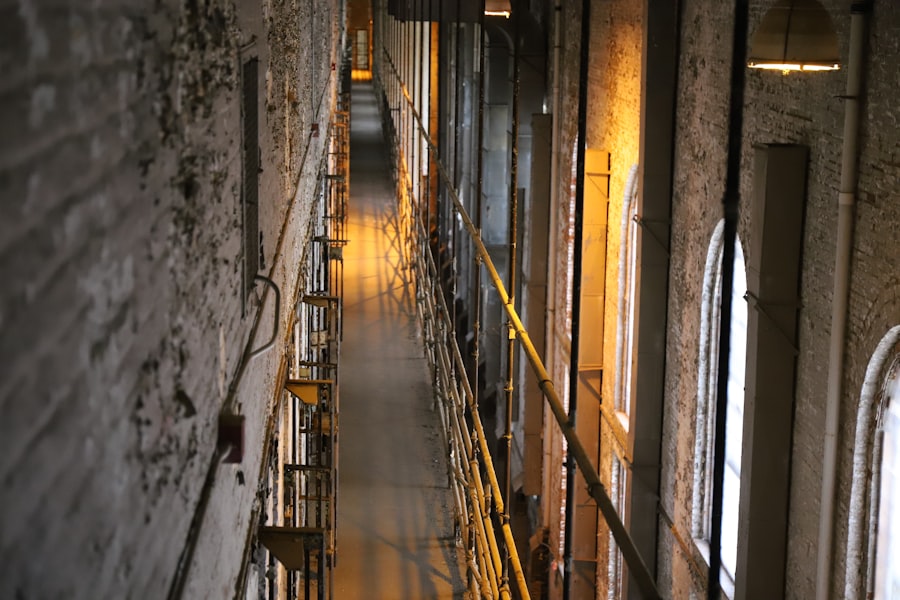
The operational choices made within private prisons have tangible and often severe consequences for those living and working within their walls. Numerous studies and reports have highlighted these impacts.
Increased Incidents of Violence and Misconduct
Research consistently suggests a higher incidence of violence, assaults, and other forms of misconduct in private prisons compared to public institutions. This can be attributed to factors such as understaffing, inadequate training, and a lack of robust oversight mechanisms. When fewer eyes are watching, and those eyes are less experienced, the potential for escalation increases.
Decreased Quality of Life and Access to Care
Inmates in private facilities frequently report poorer living conditions, less access to educational and rehabilitative programs, and inferior medical and mental health care. The pursuit of profit can lead to a rationing of essential services, turning a difficult situation into a truly inhumane one. Imagine a leaky boat with fewer bucket-wielding crew members; the struggle to stay afloat intensifies for everyone aboard.
High Staff Turnover and Occupational Hazards
The lower pay, poorer benefits, and often more dangerous working conditions in private prisons contribute to high staff turnover. This constant churn of personnel can destabilize the environment, make it difficult to build consistent relationships with inmates, and hinder effective supervision. Correctional officers in these facilities face significant occupational hazards, both physical and psychological.
The Argument for Public Oversight and Accountability
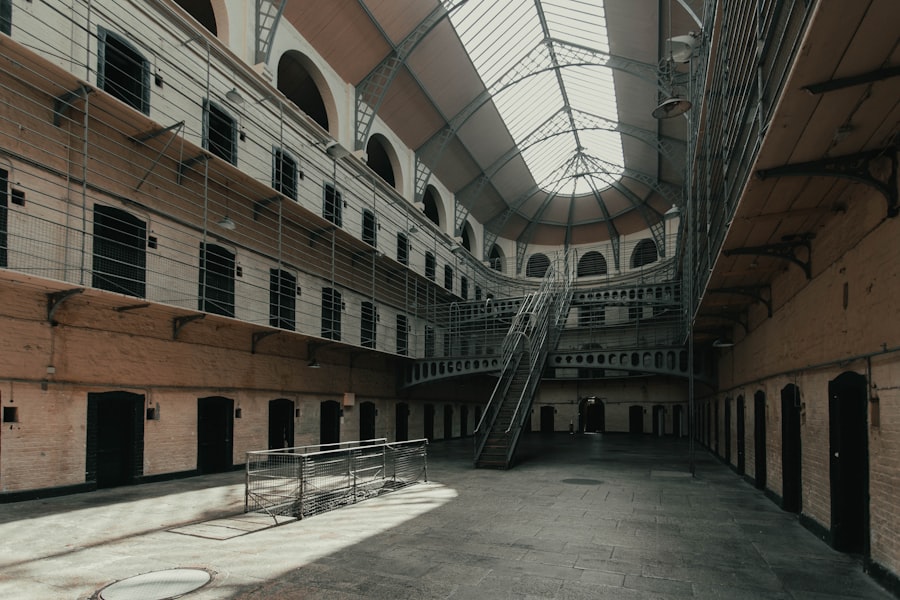
The inherent conflict between profit motives and public safety mandates necessitates a robust framework of oversight and accountability for private correctional facilities.
Challenges in Monitoring and Transparency
One of the persistent criticisms of private prisons is the difficulty in exercising effective governmental oversight. Contracts are often complex, and private companies may resist full transparency regarding their operations, staffing levels, and incident reports. This opacity can make it challenging for the public and policymakers to assess the true costs and benefits of privatization.
The Role of Government Contracts and Regulation
Robust contracts, clearly defining performance standards, staffing requirements, and consequences for non-compliance, are essential. Governments must act as vigilant stewards, ensuring that profit incentives do not compromise human rights or public safety. Without stringent regulation, the system risks becoming a runaway train, with profit as its sole conductor.
Public Reporting and Independent Audits
Regular, independent audits of private prison operations, with findings made publicly available, are crucial for accountability. These audits should not only focus on financial metrics but also on inmate welfare, staff safety, and adherence to established correctional standards.
The private prison industry has long been a topic of heated debate, with many questioning its impact on justice and rehabilitation. A related article that delves deeper into this issue can be found at Hey Did You Know This, where it explores the financial incentives behind privatization and its consequences for inmates and society as a whole. Understanding these dynamics is crucial for anyone interested in the future of criminal justice reform and the ethical implications of incarceration.
The Shifting Landscape: Trends and Future Outlook
| Metric | Private Prisons | Public Prisons | Notes |
|---|---|---|---|
| Percentage of U.S. Prison Population | 8% | 92% | Private prisons hold a small fraction of the total incarcerated population. |
| Average Annual Cost per Inmate | Lower than public prisons by approximately 10-15% | Higher | Cost savings often come from reduced staffing and services. |
| Recidivism Rate | Similar or slightly higher than public prisons | Similar or slightly lower | Private prisons have not demonstrated better rehabilitation outcomes. |
| Staffing Levels | Lower staff-to-inmate ratio | Higher staff-to-inmate ratio | Lower staffing can impact safety and inmate treatment. |
| Incidents of Violence | Higher reported incidents | Lower reported incidents | Private prisons often report more violence and safety issues. |
| Lobbying Expenditure | Significant spending to influence policy | Minimal or none | Private prison companies actively lobby for policies increasing incarceration. |
| Contract Length | Typically 5-10 years | Not applicable | Contracts can incentivize maintaining high incarceration rates. |
The debate surrounding private prisons is dynamic, with ongoing policy shifts and evolving public perceptions.
Divestment and Decarceration Movements
Increasingly, financial institutions, investment funds, and even entire states are divesting from private prison companies, citing ethical concerns and a desire to reduce incarceration rates. The “decarceration” movement, which advocates for reducing the number of people in prison, poses a direct challenge to the private prison industry’s business model. As fewer people are incarcerated, the demand for private beds diminishes.
Policy Changes and Legislative Actions
Some jurisdictions have taken legislative steps to limit or ban the use of private prisons. These policy changes reflect a growing recognition of the potential downsides of correctional privatization and a commitment to reasserting public control over the justice system.
The Ongoing Ethical Debate
The fundamental ethical questions about profiting from incarceration remain at the heart of the discourse. Can a system designed to generate revenue truly prioritize rehabilitation and justice? This question continues to be a central point of contention, shaping public opinion and policy decisions in the years to come. The metaphor here is powerful: a profit motive in incarceration is like a doctor who profits more when patients remain sick – it creates a fundamental misalignment of interests.
In conclusion, the operation of private prisons presents a complex interplay of economic incentives, correctional philosophy, and human rights considerations. While proponents argue for efficiency and cost savings, critics point to a pattern of reduced services, compromised safety, and a fundamental conflict of interest inherent in profiting from incarceration. Readers are encouraged to weigh the factual evidence and consider the broader societal implications of a system where justice is, in part, a commodity.
FAQs
What is the private prison industry?
The private prison industry consists of companies that operate correctional facilities under contract with government agencies. These companies manage prisons and detention centers, often aiming to reduce costs and increase efficiency compared to publicly run institutions.
How prevalent are private prisons in the United States?
Private prisons house a significant but minority portion of the U.S. incarcerated population. As of recent data, approximately 8% of federal and state prisoners are held in privately operated facilities.
What are common criticisms of private prisons?
Critics argue that private prisons prioritize profit over inmate welfare, leading to cost-cutting measures that may affect safety, rehabilitation programs, and living conditions. There are also concerns about incentives to maintain high incarceration rates.
Do private prisons save money compared to public prisons?
Studies on cost savings are mixed. Some reports suggest modest savings, while others find little to no difference or higher costs when accounting for quality and outcomes. The effectiveness of cost reduction varies by facility and contract terms.
How are private prisons regulated and monitored?
Private prisons are subject to government oversight through contracts that specify standards for operation, safety, and inmate treatment. Monitoring is conducted by government agencies, but the level of transparency and enforcement can vary widely.