
When you stand in the beauty aisle, bombarded by a kaleidoscope of products, the phrase “dermatologist tested” often acts as a beacon of reassurance. It’s a promise whispered in your ear: “This formulation has been vetted by scientific minds, ensuring safety and efficacy for your precious skin.” But what exactly does this seemingly straightforward claim entail? Like deciphering an ancient script, understanding the nuances behind “dermatologist tested” requires a closer look. You’re not just buying a product; you’re investing in the health of your skin, and it’s wise to know the language of its caretakers.
At its core, “dermatologist tested” signifies that a product has undergone some form of evaluation by a dermatologist or under their supervision. This isn’t a legally mandated certification process with a universally agreed-upon set of criteria, nor is it a stamp of approval that guarantees every single person will have a flawless experience with the product. Instead, it’s an indication that a brand has taken a step to demonstrate that their formulation has been assessed for potential irritancy, allergenicity, or other adverse reactions. Think of it as a preliminary health check-up for your skincare. It’s a signal that someone with medical expertise in skin health has examined the product, offering a layer of confidence that generic, unverified claims lack.
The Definition: A Spectrum of Scrutiny
It’s crucial to understand that “dermatologist tested” exists on a spectrum. It’s not a monolithic entity. The depth and breadth of the testing can vary significantly from one brand to another. This is where the art of decoding truly begins. A brand might have a single dermatologist glance at the ingredient list, or they might commission rigorous clinical trials involving hundreds of participants over several months. Without further clarification from the brand itself, you are essentially navigating a landscape with varying degrees of oversight. The claim itself is a starting point, a clue, not the entire solution.
The Implication: Beyond the Surface
The implication of “dermatologist tested” is that the product is less likely to cause harm. This is a critical differentiator, especially if you have sensitive skin or a history of adverse reactions to cosmetics. It suggests that the formulation has been considered through the lens of skin biology, aiming to minimize common pitfalls like ingredient combinations that are known irritants or allergens. It’s akin to choosing a restaurant that has a good health inspection rating – it doesn’t guarantee a perfect meal, but it significantly reduces the likelihood of food poisoning.
When exploring the meaning behind “dermatologist tested,” it’s essential to understand the implications of such claims in the skincare industry. For a deeper insight into this topic, you can read a related article that discusses the significance of dermatologist testing and what consumers should look for when choosing skincare products. Check it out here: What Does Dermatologist Tested Actually Mean?.
The Nuances of Testing: Beyond a Single Stamp
Understanding what “dermatologist tested” entails requires delving into the methodologies, the standards, and the limitations of such assessments. It’s not a simple handshake between a brand and a doctor; it’s a process with inherent variables that you, the consumer, need to be aware of to make informed decisions.
Clinical Testing: The Gold Standard (With Caveats)
When a product is “clinically tested” and includes “dermatologist tested” as part of that claim, it often implies a more robust evaluation. This typically involves a panel of individuals, often with varying skin types and sensitivities, who use the product under controlled conditions. Dermatologists then assess the skin for signs of irritation, redness, dryness, breakouts, or allergic reactions. The duration of these tests can range from a few days to several weeks, providing a more comprehensive picture of the product’s potential impact.
The Panel Diversity: A Crucial Factor
The diversity of the testing panel is paramount. A product tested on only a handful of individuals with uniformly ‘normal’ skin may not accurately reflect how it will behave on skin that is oily, dry, acne-prone, sensitive, or mature. Look for brands that specify the number of participants and, if possible, the diversity of their skin types. A broader panel acts as a more accurate microcosm of the general population, offering a more reliable prediction of widespread tolerability.
The Patch Test: A Common Screening Method
One common method employed is the patch test. This involves applying a small amount of the product to a discreet area of skin, often the forearm or behind the ear, for a set period. The dermatologist then monitors the area for any adverse reactions. While effective for identifying immediate sensitivities, patch tests don’t always predict long-term effects or reactions that might occur with regular, widespread use.
In-Vitro Testing: Lab-Based Insights
Some brands may also utilize in-vitro (laboratory-based) testing. This involves testing ingredients or formulations on cell cultures or reconstructed human skin models rather than on living subjects. In-vitro testing can be valuable for screening out potentially harmful ingredients early in the development process and for understanding how certain ingredients might interact with skin cells. However, it’s not a direct substitute for in-vivo testing, as it doesn’t fully replicate the complex biological environment of living skin.
Ingredient Scrutiny: A Defensive Line
In-vitro testing can act as a strong defensive line, identifying and eliminating ingredients with known issues before they even reach your skin. It’s like a pre-flight check of the aircraft’s components; crucial for safety but not the entire flight simulation.
Limited Scope: What “Tested” Doesn’t Guarantee
It’s vital to remember that “dermatologist tested” does not equate to “hypoallergenic” or “non-comedogenic.” These are distinct claims with their own testing protocols. A product can be dermatologist tested and still contain ingredients that, for some individuals, might trigger a reaction or lead to breakouts. The testing is a measure of general tolerability, not a universal guarantee against every possible skin concern.
Label Deception: Navigating the Fine Print and Grey Areas
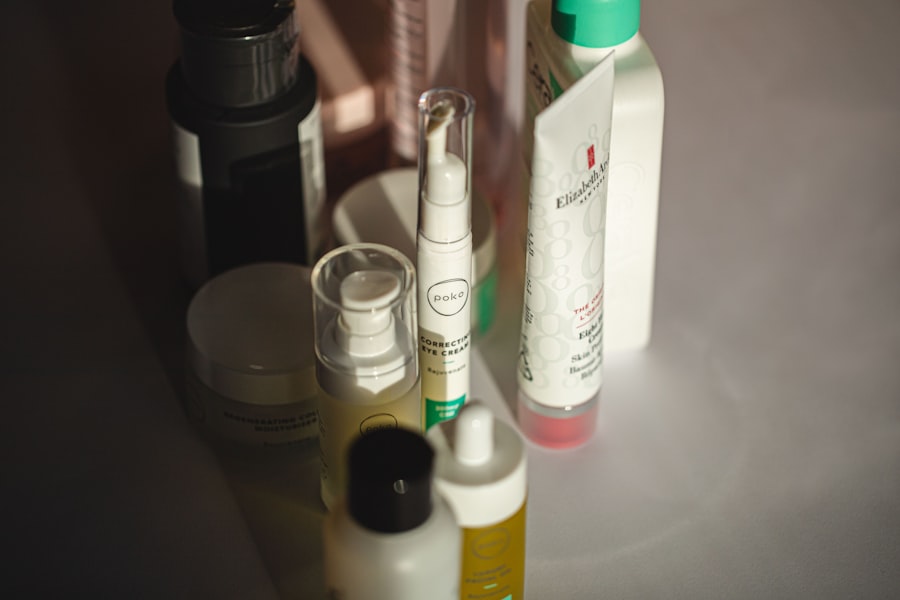
The beauty industry is a fertile ground for creative marketing, and “dermatologist tested” is no exception. You, the consumer, must become a keen observer, able to distinguish genuine claims from those that are merely a whisper in the wind.
The “Tested On” Ambiguity: Who Performed the Test?
Just because a product is labeled “dermatologist tested” doesn’t automatically mean a board-certified dermatologist conducted the tests. The claim could be based on tests conducted by the brand’s internal scientific team, or by a third-party laboratory where a dermatologist may have consulted or overseen as opposed to directly performing the tests. This is where the ambiguity can lie, like a poorly lit path where you can’t quite see what’s ahead.
Independent vs. In-House: A Tale of Two Laboratories
Brands that engage independent, accredited testing facilities often provide more transparency. These facilities operate under strict scientific protocols and can offer more objective results. In-house testing, while not inherently invalid, may carry a perception of bias, as the brand has a vested interest in a positive outcome.
The Absence of Specifics: A Vagueness Warning
If a brand uses the “dermatologist tested” claim without providing any details about the testing methodology, the number of participants, or the duration of the study, it should raise a red flag. This lack of transparency suggests a superficial application of the claim, possibly to capitalize on consumer trust without substantive backing. It’s like being told a meal is “home-cooked” without any indication of who cooked it or what ingredients were used.
The Missing Data Points: What to Look For
When evaluating a product, look for additional information. Does the brand mention independent clinical studies? Do they specify the criteria for the testing panel? A brand that is proud of its testing will likely be more forthcoming with this information.
The “Dermatologist Recommended” Distinction: A Subtle Shift
Interestingly, “dermatologist recommended” is not the same as “dermatologist tested.” While both imply expert endorsement, “dermatologist recommended” often signifies that a dermatologist, in their professional opinion, believes the product is suitable for certain skin concerns or types, often based on their own experience with it or its known ingredient profile. It’s a more personal endorsement, whereas “tested” implies a more formal evaluation process.
When “Dermatologist Tested” Isn’t Enough: Your Skin’s Unique Language

Even with a “dermatologist tested” label, you are still the ultimate arbiter of what works for your skin. Your skin has its own unique dialect, and you are its most attentive listener.
Your Skin’s History: A Personal Dossier
Your skin is a living testament to your genetic makeup, your lifestyle, your environment, and your past experiences. A product that is “dermatologist tested” on a general population may still not be compatible with your specific skin history. If you have a known sensitivity to a particular ingredient, even if it’s deemed safe by external testing, your skin will likely tell you so.
The Ingredient List: Your Personal Decoder Ring
You are your own best advocate. Become comfortable reading ingredient lists. If you know you react to fragrance, alcohol, or certain preservatives, these are red flags, regardless of a “dermatologist tested” claim. The ingredient list is your personal decoder ring, allowing you to decipher the product’s composition beyond the marketing jargon.
The Period After Opening (PAO): A Time-Sensitive Factor
Even the most rigorously tested products have a shelf life once opened. The “period after opening” (PAO) symbol, often depicted as an open jar with a number and “M” (e.g., 12M for twelve months), is critical. After this period, the product’s integrity may degrade, and its effectiveness or safety could be compromised, irrespective of its initial testing. This is like a food expiration date; the ingredients might be good, but time can change their composition and safety.
Preservatives at Play: The Battle Against Contamination
The presence and type of preservatives in a formula also play a role in its longevity and potential for irritation. Some preservatives, while effective at preventing bacterial growth, can be sensitizing for certain individuals.
The Subjectivity of Skin Response: A Personal Trial
Ultimately, how your skin reacts to a product is a subjective experience. What one person tolerates might be an irritant for another. “Dermatologist tested” is a helpful guide, a tool in your arsenal, but it is not an infallible predictor of your personal outcome. You are the final judge and jury in the court of your skin.
When exploring the meaning of “dermatologist tested,” it’s essential to understand the implications behind this label and what it signifies for skincare products. Many consumers may wonder if this designation guarantees safety or efficacy, and for a deeper dive into this topic, you can check out a related article that discusses various skincare claims and their validity. This resource provides valuable insights into the testing processes and standards that products undergo. For more information, you can read the article here.
Beyond the Label: Empowering Your Skincare Choices
| Aspect | Description | Common Tests Involved | Implications for Consumers |
|---|---|---|---|
| Definition | Indicates that a product has been evaluated by a dermatologist for skin safety. | Patch testing, irritation tests, allergy tests | Suggests product is less likely to cause skin irritation or allergic reactions |
| Testing Standards | No universal standard; varies by brand and region | Varies; some use clinical trials, others use in vitro tests | Consumers should look for additional certifications or clinical data |
| Scope of Testing | Usually focuses on skin irritation and allergic potential | Repeated application on volunteers, skin patch tests | Does not guarantee product is suitable for all skin types or conditions |
| Regulatory Oversight | Generally not regulated by government agencies | Depends on country; some require safety data submission | Label claims may not be independently verified |
| Consumer Considerations | Look for additional labels like “hypoallergenic” or “clinically tested” | N/A | Consult dermatologist if you have sensitive or problematic skin |
Decoding “dermatologist tested” is not about being cynical; it’s about being an informed consumer. It’s about equipping yourself with the knowledge to navigate the complex world of skincare with confidence and to make choices that genuinely benefit your skin.
Research the Brand: Digging Deeper Than the Surface
Reputable brands often make their testing methodologies readily available on their websites or through customer service. Look for brands that are transparent about their processes, the ingredients they use, and any independent certifications they may hold. This deeper dive is like exploring the foundations of a building; it reveals its structural integrity.
The Transparency Trail: Brands That Share the Secrets
Brands that openly discuss their commitment to safety and efficacy through rigorous testing are often the ones to trust. They aren’t hiding behind vague claims; they are showcasing their efforts.
Consult Your Own Dermatologist: The Personal Expert
The most reliable way to ensure a product is right for your skin is to consult with your own dermatologist. They know your skin’s unique history, its tendencies, and its sensitivities. They can offer personalized recommendations based on your specific needs, acting as your personal skin navigator.
Your Dermatologist: The Compass for Your Skin Journey
Your dermatologist is your most valuable resource. They can interpret ingredient lists, explain potential irritants, and guide you toward products that align with your skin’s individual requirements.
Understanding Ingredient Functions: Becoming Your Own Alchemist
Educate yourself about common skincare ingredients. Understand what actives do, what emollients provide, and which ingredients are known irritants. This knowledge empowers you to make more conscious choices, moving beyond reliance on generalized claims.
This journey of decoding “dermatologist tested” is an ongoing process, much like caring for your skin itself. By understanding the nuances, being critical of vague claims, and prioritizing your skin’s individual needs, you can confidently navigate the beauty landscape and make choices that truly lead to healthier, happier skin.
FAQs
What does “dermatologist tested” mean on skincare products?
“Dermatologist tested” means that a product has been evaluated by a dermatologist, a medical expert in skin health, to assess its safety and potential effects on the skin. However, it does not guarantee that the product is completely safe or effective for all users.
Does “dermatologist tested” ensure a product is hypoallergenic?
Not necessarily. While a dermatologist may test the product for skin reactions, “dermatologist tested” does not automatically mean the product is hypoallergenic or free from allergens. Additional labeling or testing is required to confirm hypoallergenic status.
Is “dermatologist tested” the same as “dermatologist recommended”?
No. “Dermatologist tested” indicates that a dermatologist has tested the product, whereas “dermatologist recommended” means that dermatologists endorse or suggest the product based on their professional opinion. These terms have different implications and standards.
Are there regulations governing the use of “dermatologist tested” on product labels?
There are no strict regulatory definitions for “dermatologist tested” in many countries, including the United States. This means companies can use the term without standardized testing protocols, so consumers should interpret the claim with caution.
Should consumers rely solely on “dermatologist tested” when choosing skincare products?
No. While “dermatologist tested” can be a helpful indicator, consumers should also consider other factors such as ingredient lists, product reviews, personal skin type, and consult with a healthcare professional if needed before choosing skincare products.