
You’re likely here because you’ve spotted phenoxyethanol on the ingredient list of a favorite moisturizer, serum, or sunscreen, and a little voice in your head is asking, “Is this safe for me to put on my skin, day after day?” It’s a perfectly natural question. The world of skincare ingredients can sometimes feel like a minefield, a dense jungle where understanding which plants offer nourishment and which might cause a rash is a constant challenge. You’re not alone in this exploration; many discerning consumers are seeking clarity on the safety of the very products they trust to care for their skin.
Phenoxyethanol is a common ingredient, acting as a preservative – the silent guardian of your lotions and potions, preventing them from becoming breeding grounds for bacteria and mold. But like any guardian, its presence raises questions about its own nature. Is it a benevolent protector, or is there a hidden side effect you should be aware of? This article aims to untangle the facts surrounding phenoxyethanol’s use in leave-on products, presenting you with information to make an informed decision about what you apply to your body. We’ll delve into what it is, how it works, and the scientific consensus on its safety, so you can navigate your skincare choices with confidence.
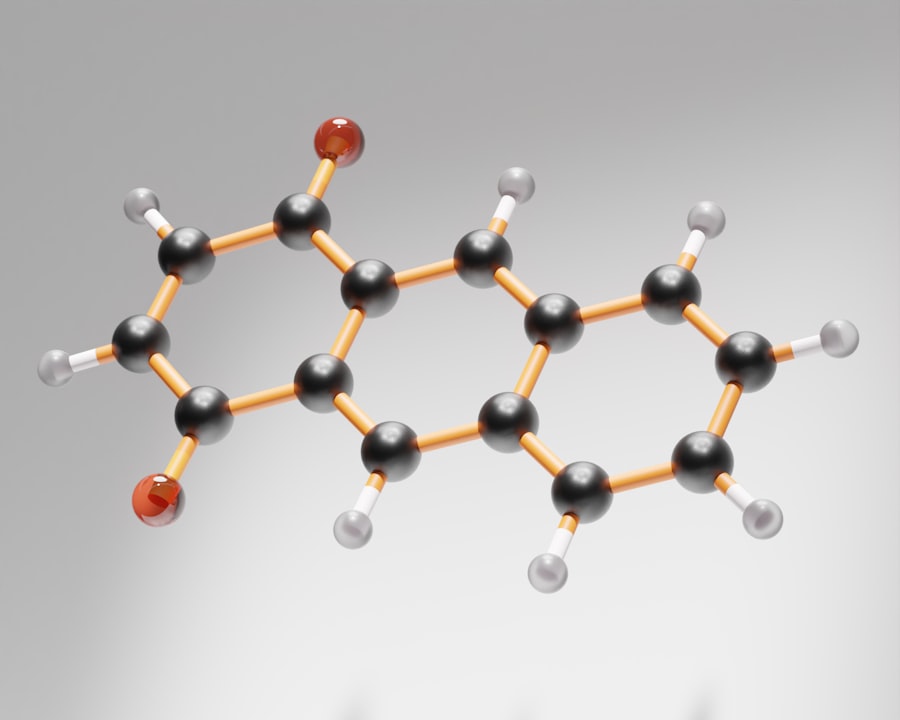
When you encounter phenoxyethanol on an ingredient label, you’re looking at a synthetic compound. It’s a glycol ether, a type of organic chemical compound that possesses both an ether and an alcohol functional group.
Origin and Production
Phenoxyethanol is not something plucked from a rare botanical garden. It is synthetically manufactured. The primary method involves the reaction of ethylene oxide with phenol. This chemical process creates a clear, slightly viscous liquid with a faint, rose-like odor. While its origins are industrial, its application in cosmetics and personal care products is strictly regulated and tested for consumer safety. Think of it like a finely crafted tool made in a workshop; its value lies in its precision and effectiveness, not necessarily in its natural derivation.
Its Role as a Preservative
The primary reason phenoxyethanol finds its way into your skincare is its potent antimicrobial properties. In the world of cosmetics, water is a crucial ingredient, providing hydration and texture. However, water also creates an environment where microorganisms can thrive. Without proper preservation, your creams, lotions, and serums would quickly spoil, becoming ineffective and potentially harmful.
Preventing Microbial Growth
Phenoxyethanol acts as a broad-spectrum preservative, meaning it is effective against a wide range of bacteria, yeasts, and molds. It essentially creates an inhospitable environment for these unwelcome guests, preventing them from multiplying and contaminating your product. This is crucial for maintaining product integrity and ensuring that what you apply to your skin is clean and safe. Imagine your product as a carefully tended garden; phenoxyethanol is like the diligent gardener who diligently removes any weeds that threaten to choke out the desired blooms, ensuring the health and vitality of the entire patch.
Extending Product Shelf Life
By keeping microorganisms at bay, phenoxyethanol significantly extends the shelf life of your cosmetic products. This means you can safely use your favorite serum or moisturizer for a longer period without worrying about it becoming compromised. This is not just a matter of convenience; it’s also an economic and environmental consideration. Products that spoil quickly lead to waste.
When considering the safety of phenoxyethanol in leave-on products, it’s essential to explore various perspectives and research findings on the topic. A related article that delves into the safety and efficacy of this common preservative can be found at Hey Did You Know This. This resource provides valuable insights into the use of phenoxyethanol in cosmetics and personal care items, helping consumers make informed choices about the products they use on their skin.
How Does Phenoxyethanol Work?
Understanding the mechanism behind phenoxyethanol’s preservative action helps demystify its presence in your products. It’s not magic; it’s chemistry at work.
Disrupting Cell Membranes
Phenoxyethanol’s primary method of action is by disrupting the cell membranes of microorganisms. These membranes are essential for the survival of bacteria and fungi, acting as the cell’s outer barrier.
Interfering with Nutrient Transport
By damaging the cell membrane, phenoxyethanol interferes with the transport of essential nutrients into the microbial cell and the expulsion of waste products. This disruption effectively starves the microorganism and impairs its ability to perform vital cellular functions. It’s like a microscopic blockade, preventing the delivery of vital supplies and the removal of harmful waste, crippling the organism’s ability to sustain itself.
Inhibiting Enzyme Activity
Furthermore, phenoxyethanol can also penetrate the cell and inhibit the activity of critical enzymes that microorganisms rely on for survival and reproduction. Enzymes are the workhorses of cellular processes, and their inactivation grinds the microbial machinery to a halt.
Synergistic Effects with Other Preservatives
Often, phenoxyethanol is not used in isolation. It’s frequently combined with other preservatives to create a more robust and effective preservation system. This synergistic approach means that a lower concentration of each individual preservative can be used, potentially reducing the risk of irritation while maintaining strong antimicrobial protection.
Enhancing Overall Efficacy
When combined, phenoxyethanol can work in tandem with other antimicrobials, such as parabens or organic acids, to tackle a broader spectrum of microbes or to overcome resistance mechanisms that some microorganisms might develop. This collaborative effort makes the overall preservation system more potent. It’s like a well-coordinated team, where each member brings a unique skill to the table, collectively achieving a goal that none could accomplish alone.
Reducing Concentration of Individual Preservatives
A key benefit of using phenoxyethanol in combination is the ability to reduce the overall concentration of individual preservatives. This is important because while phenoxyethanol is generally considered safe, lower concentrations are always preferred when effective. This strategy aims to achieve maximum protection with minimal ingredient presence.
Scientific Scrutiny and Safety Assessments
The cosmetic industry is a heavily regulated landscape, and ingredients like phenoxyethanol undergo rigorous scientific evaluation before they are deemed safe for consumer use. This scrutiny is not a one-time event; it’s an ongoing process as scientific understanding evolves.
Regulatory Body Approvals
Major regulatory bodies around the world have reviewed phenoxyethanol and established guidelines for its safe use in cosmetic products. These include:
The U.S. Food and Drug Administration (FDA)
The FDA in the United States considers phenoxyethanol a safe ingredient for use in cosmetics at concentrations up to 1%. This concentration limit is based on extensive safety reviews.
The European Union’s Scientific Committee on Consumer Safety (SCCS)
Similarly, the SCCS in Europe has also evaluated phenoxyethanol. They have concluded that it is safe for use as a preservative in cosmetic products at a maximum concentration of 1%. This consistent global approval from leading scientific and regulatory bodies provides a strong foundation of trust.
International Standards and Guidelines
Beyond these major bodies, various international organizations and scientific panels also contribute to the evaluation and understanding of cosmetic ingredients, generally aligning with the safety profiles established by the FDA and SCCS.
Independent Research and Studies
Numerous independent scientific studies have been conducted to assess the safety of phenoxyethanol, particularly concerning its potential for skin irritation and sensitization.
Low Potential for Irritation
The vast majority of studies indicate that phenoxyethanol has a low potential for skin irritation when used at the permitted concentrations in leave-on products. Skin irritation is a temporary inflammation that can occur when the skin encounters a substance it reacts unfavorably to. For phenoxyethanol, this threshold for adverse reaction is quite high.
Low Potential for Sensitization
Allergic sensitization, or contact dermatitis, is a more significant concern where the immune system develops a heightened response to an ingredient over time. Research suggests that phenoxyethanol has a low potential to cause allergic sensitization, meaning it’s unlikely to trigger a widespread allergic reaction in most individuals. This is a critical factor for leave-on products, which are in prolonged contact with the skin.
Concerns and Controversies Surrounding Phenoxyethanol
Despite a generally favorable safety profile, like any ingredient used by millions, phenoxyethanol has been the subject of some debate and concern. Understanding these discussions is part of forming a complete picture.
Misinformation and Misinterpretations
A significant portion of the concern surrounding phenoxyethanol stems from misinformation or misinterpretations of scientific data, often amplified on the internet.
Confusion with Ethylene Glycol Ethers
Sometimes, phenoxyethanol is confused with other, more toxic ethylene glycol ethers. While they share a structural similarity with the “ethylene glycol” part of their name, phenoxyethanol is chemically distinct and has a vastly different safety profile. It’s like confusing a garden hoe with a chainsaw; both are tools, but their power and potential for harm are worlds apart.
Outdated or Misapplied Studies
Certain studies, perhaps not relevant to topical cosmetic use or involving much higher exposure levels, may be cited out of context, leading to unwarranted alarm. Regulatory bodies carefully review all available scientific literature when setting safety guidelines.
Concentration Limits and “Safe Levels”
The established concentration limits for phenoxyethanol are not arbitrary. They are derived from scientific assessments of “no observable adverse effect levels” (NOAELs), meaning the highest dose at which no harm is detected. Regulatory bodies then apply safety factors to these levels to ensure consumer protection.
The 1% Guideline
The commonly cited 1% maximum concentration for phenoxyethanol in cosmetic products is a guideline established by regulatory bodies based on extensive safety data. This limit is designed to ensure that even with regular, long-term use, the risk of adverse effects for the general population remains negligible.
Impact of Leave-On Versus Rinse-Off Products
It’s important to note that the allowed concentrations can sometimes differ between leave-on products (like moisturizers) and rinse-off products (like cleansers). Leave-on products have the potential for longer and more consistent skin exposure, so stricter limits are often applied. Phenoxyethanol’s safety profile remains robust even within these limitations for leave-on applications.
When considering the safety of phenoxyethanol in leave-on products, it’s important to explore various perspectives and research findings. A related article that delves into this topic can provide valuable insights into the potential effects and regulations surrounding this ingredient. For more information, you can read about it in detail here. Understanding the implications of using phenoxyethanol can help consumers make informed choices about the products they apply to their skin.
Phenoxyethanol in Leave-On Products: A Balanced Perspective
| Metric | Value | Notes |
|---|---|---|
| Maximum Concentration Allowed | 1% | According to the Cosmetic Ingredient Review (CIR) and European Commission |
| Common Usage | 0.5% – 1% | Typical concentration in leave-on cosmetic products |
| Safety Assessment | Generally Recognized as Safe | By CIR and FDA for use in cosmetics at recommended levels |
| Potential Irritation | Low to Moderate | May cause irritation in sensitive skin at higher concentrations |
| Allergic Reactions | Rare | Some cases of contact dermatitis reported |
| Regulatory Status | Approved | Permitted in leave-on products by FDA, EU, and other regulatory bodies |
| Use in Baby Products | Limited | Recommended to use with caution or avoid in infant leave-on products |
When considering phenoxyethanol for your leave-on skincare, it’s essential to weigh the scientific evidence and regulatory approvals against the concerns that may arise.
Balancing Preservation Needs with Skin Health
The inclusion of phenoxyethanol in leave-on products is a carefully considered decision by formulators. It’s a trade-off that prioritizes the safety and integrity of the product you use daily.
Ensuring Product Stability
Without effective preservation, leave-on products would be susceptible to microbial contamination, leading to spoilage and potential skin infections. Phenoxyethanol reliably fulfills this crucial role, acting as a steadfast protector of your skincare.
The Importance of Formulation
The overall safety and efficacy of a leave-on product containing phenoxyethanol also depend on the entire formulation. The interaction of phenoxyethanol with other ingredients, as well as the concentration used, are meticulously considered by manufacturers to ensure a safe and beneficial product for your skin. It’s like a chef carefully choosing each spice and ingredient to create a delicious and balanced dish; the success lies in the harmonious combination.
Your Personal Choice and Patch Testing
Ultimately, the decision of whether to use products containing phenoxyethanol is a personal one. While scientific consensus points to its safety when used as directed, individual sensitivities can exist.
Recognizing Individual Sensitivities
Although phenoxyethanol has a low sensitization potential, no ingredient is completely risk-free for every single person. If you have particularly sensitive skin or a history of allergies, you might want to approach new products with caution.
The Value of Patch Testing
A simple patch test can be your best friend when introducing new skincare products. Apply a small amount of the product to a discreet area of your skin, such as your inner forearm or behind your ear, and wait 24-48 hours. If any redness, itching, or irritation occurs, it’s a signal that the product might not be the right fit for you. This proactive step can save you from potential discomfort.
In conclusion, phenoxyethanol serves a vital purpose as a preservative in your leave-on skincare products, crucial for their safety and longevity. The scientific community and regulatory bodies worldwide have extensively reviewed its use, consistently deeming it safe at the concentrations typically found in cosmetics. While concerns may arise, they are often based on misinformation or misinterpretations. By understanding its function, the scientific backing for its safety, and the importance of formulation, you can make informed decisions about the products you choose to nurture your skin, confident in the knowledge provided to you.
FAQs
What is phenoxyethanol?
Phenoxyethanol is a common preservative used in cosmetics and personal care products to prevent the growth of bacteria and extend shelf life. It is often found in both rinse-off and leave-on products.
Is phenoxyethanol safe to use in leave-on products?
Yes, phenoxyethanol is generally considered safe for use in leave-on products at concentrations up to 1%, according to regulatory agencies such as the U.S. Food and Drug Administration (FDA) and the European Scientific Committee on Consumer Safety (SCCS).
Are there any known side effects of phenoxyethanol in skincare?
Phenoxyethanol is well-tolerated by most people, but in rare cases, it can cause skin irritation or allergic reactions, especially in individuals with sensitive skin or allergies.
How does phenoxyethanol compare to other preservatives?
Phenoxyethanol is favored for its broad-spectrum antimicrobial properties and relatively low toxicity compared to some other preservatives like parabens. It is often used as an alternative or in combination with other preservatives.
Can phenoxyethanol be harmful if ingested or used improperly?
Yes, phenoxyethanol can be toxic if ingested in large amounts. However, when used as directed in cosmetic products at recommended concentrations, it is safe for topical application and poses minimal risk.