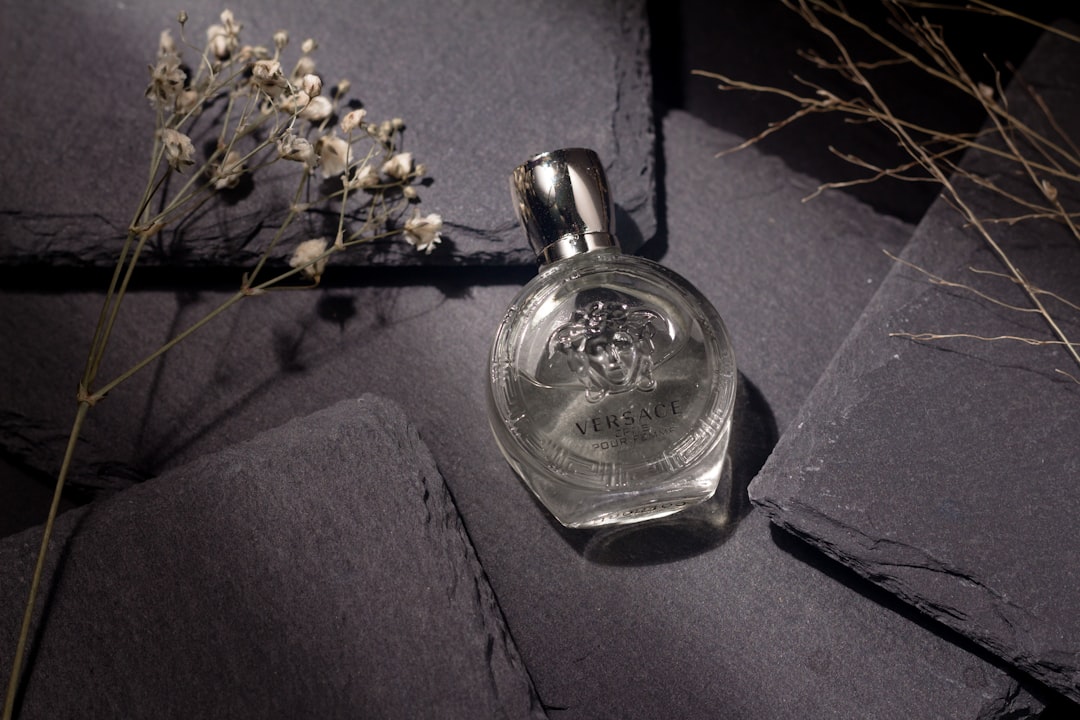
You stand at the precipice of a olfactory journey, a world invisible yet profoundly impactful. The aroma that graces your skin, perfumes your home, or lingers in the air around you is no mere whimsy, no accidental concoction. It is the result of intricate design, a chemical symphony played out by skilled artisans and advanced scientific principles. You are about to delve into the very essence of fragrant creation, unraveling the ‘secret ingredients’ that form the bedrock of every perfumer’s art. This exploration is not about romanticizing scent, but dissecting its factual underpinnings.
Before you can appreciate the final blend, you must comprehend the building blocks. Fragrance creation begins with raw materials, a vast and diverse library of scents categorized by their origin and chemical structure. Think of these as the individual instruments in an orchestra, each with its own unique timbre and range.
Natural Extracts: The Earth’s Olfactory Bounty
You are likely already familiar with the romanticized notion of natural extracts. These are derived directly from botanical sources or, less commonly, animal products. Their complexity is their strength, offering nuances difficult to replicate synthetically.
Essential Oils
Essential oils are highly concentrated hydrophobic liquids containing volatile chemical compounds extracted from plants. You encounter them frequently. Consider the bright burst of citrus from bergamot, steam-distilled from its peel, or the warm, spicy depth of clove bud oil, extracted from the flower buds. Their extraction methods, such as steam distillation or cold pressing, are crucial to maintaining their integrity and desired aroma profile. You might notice subtle variations in aroma based on harvest location, climate, and extraction techniques. This natural variability adds a unique character, but also a challenge, to consistent fragrance formulation.
Absolutes
Absolutes are highly concentrated, aromatic, oily liquids extracted from plants using solvent extraction. Unlike essential oils, which are typically steam-distilled, absolutes capture a wider spectrum of a plant’s aromatic compounds, often resulting in a richer, more faithful representation of the natural scent. Think of the intensely floral and honeyed aroma of jasmine absolute, a complex scent molecule. The process involves treating plant material with a volatile solvent, then removing the solvent to obtain a “concrete,” which is then further processed with alcohol to yield the absolute. This method is particularly useful for delicate flowers that are damaged by steam distillation.
Resinoids and Balms
These viscous, often sticky substances are extracted from natural oleoresins, gums, or balsams. You’ll find them contributing warm, balsamic, and sometimes smoky notes to a composition. Benzoin resinoid, with its sweet, vanilla-like aroma, is a prime example. Myrrh resinoid offers a drier, more spiritual depth. They often serve as fixatives, helping to anchor lighter, more volatile notes and extend the overall longevity of a fragrance. Their complex molecular structures allow them to retard the evaporation of other components.
Synthetic Aroma Chemicals: The Chemist’s Palette
Beyond the realm of nature lies a universe of precisely engineered molecules. Synthetic aroma chemicals are not mere imitations; they are often novel creations or pure isolates of natural components, offering consistency, cost-effectiveness, and an expanded creative palette. You might initially associate “synthetic” with inferiority, but in perfumery, this is a misconception.
Nature-Identical Synthetics
These molecules are chemically identical to compounds found in nature but are produced in a laboratory. Consider vanillin, the primary aromatic component of vanilla pods. You can extract it from vanilla beans, or synthesize it with identical chemical structure and aroma profile. This provides a consistent and often more sustainable source. You encounter these every day, often without realizing it. Their purity allows for precise control over the fragrant profile.
Novel Synthetics
These are molecules that do not exist naturally but possess desirable aromatic qualities. They are the true innovations of perfumery, opening up entirely new scent territories. Calone, for instance, introduced a revolutionary marine, ozonic note in the 1990s, reminiscent of sea breeze and watermelon. Ambroxan, a powerful, long-lasting ambergris substitute, provides a warm, woody, and musky character. These molecules demonstrate the creative potential unleashed by chemical synthesis, allowing for scents that defy natural categorization.
Isolation from Naturals
Sometimes, a specific, highly desired aroma molecule can be isolated from a natural source. Eugenol, for example, can be isolated from clove oil. While still “natural” in origin, its isolation allows for its pure application and control as a specific ingredient, much like a synthetic. You are, in essence, extracting a single, pure musical note from a complex chord.
In the world of perfumery, the use of hidden ingredients often raises questions about transparency and consumer safety. A related article that delves deeper into the fragrance industry’s trade secrets and the implications of undisclosed components can be found at Hey Did You Know This. This resource explores the complexities of fragrance formulation and the potential impact on health, shedding light on why many brands choose to keep certain ingredients a secret.
The Architectonics of Aroma: Fragrance Structure
A fragrance is not a mere jumble of ingredients. It is a carefully constructed architecture, designed to unfold over time, revealing different facets of its character. This is where you, the observer, experience the narrative of the scent.
The Olfactory Pyramid: A Journey Through Time
You’ve likely heard of top, middle, and base notes. This “olfactory pyramid” is a widely adopted but somewhat simplistic concept for describing the temporal evolution of a fragrance. Think of it as a play with three acts, each revealing new performers.
Top Notes (Head Notes)
These are the most volatile components, the first impression you receive. They are light, fresh, and often sharp, designed to capture your immediate attention. Citrus notes like lemon, bergamot, and orange, or light herbal notes like lavender and mint, are common top notes. They are fleeting, dissipating quickly, like the opening flourish of a musical piece. Your initial judgment of a fragrance is heavily influenced by these notes.
Middle Notes (Heart Notes)
As the top notes evaporate, the heart notes emerge. These form the core character of the fragrance, providing depth and dimension. Floral notes like rose, jasmine, and lily of the valley, or spicy notes like cinnamon and nutmeg, often reside here. They are less volatile than top notes and last longer, representing the main theme of the olfactory narrative. You spend the most time with these notes, as they define the fragrance’s primary personality.
Base Notes (Soul Notes)
These are the least volatile and longest-lasting components, forming the foundation upon which the entire fragrance rests. They emerge fully as the middle notes fade, often lingering for hours or even days. Woody notes like sandalwood and cedarwood, musks, ambers, and balsamic resins are typical base notes. They provide depth, warmth, and fixation, anchoring the entire composition, much like the deep bass notes in an orchestra. These are the notes that create a lasting impression and contribute to the fragrance’s longevity.
Harmonization and Contrast: The Art of Balance
A great fragrance isn’t just a collection of pleasant smells; it’s a careful balance of harmonization and contrast. You, the wearer, experience this as a seamless evolution rather than a disjointed collection of aromas.
Blending Techniques
This involves the careful dosage and combination of various raw materials. Perfumers use sophisticated software and human expertise to predict the interactions of molecules. Think of a painter meticulously mixing colors to achieve a specific hue and texture. The ratio of each ingredient is critical; even a slight alteration can drastically change the final odor profile.
Fixatives and Modifiers
Fixatives, typically found in the base notes, slow down the evaporation of other, more volatile ingredients, thereby extending the fragrance’s longevity. Resinoids, musks, and certain synthetic molecules excel in this role. Modifiers are ingredients that, while not central to the main accord, subtly alter or enhance existing notes, adding complexity and refinement. They are like subtle seasonings in a culinary dish, enhancing the overall flavor without dominating it.
The Science of Scent: Molecular Interactions

The magic of fragrance isn’t just about what you smell; it’s about how those molecules interact with your olfactory system. You are experiencing a complex chemical dance.
Olfactory Receptors: The Gatekeepers of Perception
Your nose contains millions of olfactory receptor neurons, each responding to specific molecular shapes. When an aroma molecule reaches these receptors, it binds to them, initiating a cascade of electrical signals that your brain interprets as a scent. You are literally “smelling” molecular geometry. The sensitivity and specificity of these receptors vary from person to person, which explains why two individuals might perceive the same fragrance slightly differently.
Volatility and Diffusion: The Journey Through Air
Fragrance molecules must be volatile – able to evaporate and become airborne – to be smelled. The rate at which they evaporate, their volatility, dictates their position in the olfactory pyramid. Diffusion refers to how far and wide these molecules spread in the air. A highly diffusive molecule, even in small quantities, can be perceived from a distance. You have experienced this with powerful top notes that announce their presence almost immediately.
Chemical Stability: The Lifespan of a Scent
The stability of individual aroma chemicals and the overall fragrance formula is paramount. Exposure to light, heat, and oxygen can cause molecules to degrade, altering the scent profile. Perfumers select ingredients with known stability profiles and formulate with antioxidants and UV stabilizers to prolong the life of the fragrance. You notice this when an old fragrance begins to smell “off” or diminishes in intensity.
The Art of Articulation: Fragrance Families and Accords

To structure this vast world of scents, perfumers use classification systems. You will often encounter terms that categorize fragrances, helping to navigate the myriad of options.
Fragrance Families: Broad Categorizations
These are broad groups of scents that share common characteristics. Think of them as genres in music – each with its own defining sound.
Floral
You’ll find these dominated by flower notes. From single floral soliflores (like a pure rose or jasmine) to complex floral bouquets, this family is incredibly diverse. Examples include blooming gardenias or sweet honeysuckle. Many commercial fragrances fall into this category due to its widely appealing nature.
Woody
Characterized by warm, earthy, and often dry notes derived from trees and resins. Sandalwood, cedarwood, vetiver, and patchouli are prominent players here. You associate these with richness and grounding. Often used in base notes to provide depth and longevity.
Oriental
These are rich, warm, and often spicy fragrances with notes like vanilla, amber, resins, and exotic spices. They often evoke a sense of mystique and opulence. You experience their warmth and intensity, often with a hint of sweetness.
Chypre
Defined by a distinctive accord of bergamot, oakmoss, and labdanum. These fragrances are often sophisticated, earthy, and sometimes fruity or floral. They possess a characteristic contrast between fresh top notes and a rich, mossy base. You might perceive them as elegant and complex.
Fougère
A classic family, centered around notes of lavender, coumarin (a synthetic with a hay-like, sweet aroma), and oakmoss. Often found in men’s fragrances, they possess a fresh, green, and slightly barbershop-like quality. You will recognize their herbaceous and invigorating character.
Citrus
Bright, zesty, and refreshing, dominated by notes like lemon, bergamot, orange, and grapefruit. These are typically top notes due to their high volatility and uplifting qualities. You associate them with energy and cleanliness.
Accords: The Blended Harmony
An accord is a balanced blend of three or more individual notes that create a completely new, harmonious scent. It’s more than just a mixture; it’s a synergistic creation where the combined effect surpasses the sum of its parts. You hear a musical chord, not just individual notes.
The Amber Accord
A classic accord often featuring labdanum, benzoin, vanilla, and various resins, resulting in a warm, sweet, and somewhat powdery aroma. It forms the backbone of many oriental fragrances.
The White Floral Accord
Combining notes like jasmine, tuberose, gardenia, and orange blossom to create a opulent, heady, and sometimes indolic (animalic) floral experience. This accord is powerful and evocative.
The Leather Accord
Created through a combination of materials like birch tar, castoreum (often simulated), and various smoky or woody synthetics to evoke the scent of fine leather. You sense its distinct animalic and smoky facets.
In the world of perfumery, the allure of fragrances often masks the hidden ingredients that contribute to their captivating scents. Many consumers are unaware that the fragrance industry is shrouded in trade secrets, making it challenging to discern what exactly goes into their favorite products. For those interested in exploring this topic further, a related article delves into the complexities of these hidden ingredients and their implications for both consumers and manufacturers. You can read more about it in this insightful piece on hidden fragrance trade secrets found here.
The Manufacturing Process: From Formula to Flacon
| Hidden Ingredient | Common Use | Effect on Fragrance | Typical Concentration (%) | Reason for Secrecy |
|---|---|---|---|---|
| Iso E Super | Woody, ambergris-like note | Enhances longevity and adds a velvety smoothness | 1-5 | Unique scent profile and proprietary blend |
| Cashmeran | Musky, woody, spicy note | Adds warmth and complexity | 0.5-3 | Exclusive ingredient for signature scent character |
| Ambroxan | Ambergris substitute | Provides a long-lasting, musky amber note | 0.5-4 | Cost-effective alternative and trade secret formulation |
| Calone | Marine, watery note | Gives freshness and aquatic character | 0.1-2 | Signature freshness in many modern fragrances |
| Galaxolide | Musky note | Enhances softness and longevity | 1-6 | Widely used but proprietary blends vary |
The journey from a perfumer’s vision to the bottle you hold involves meticulous steps, ensuring quality and consistency. You are not just buying a formula, but a carefully executed product.
Weighing and Blending: Precision in Proportion
Each raw material in a fragrance formula is precisely weighed to the milligram. This is a critical step, as even slight deviations can alter the final scent profile. The raw materials are then carefully mixed according to the formula, often in temperature-controlled environments to prevent degradation. Think of a pharmaceutical compounder, meticulously measuring each component.
Maturation (Aging): The Symphony Settles
Once blended, the fragrance concentrate (the “juice” before dilution) often undergoes a maturation period, typically for several weeks or even months. During this time, the various aroma molecules in the blend interact and “marry,” allowing the scent to soften, deepen, and fully develop its intended character. You will find that freshly blended fragrances can sometimes smell harsh or incomplete, lacking the desired harmony.
Dilution and Filtration: Achieving the Final Product
After maturation, the concentrated fragrance is diluted with a solvent, usually ethanol, to achieve the desired product type (e.g., Eau de Parfum, Eau de Toilette). This dilution process is carefully controlled. The diluted fragrance is then typically filtered to remove any impurities or precipitates, ensuring a clear and stable liquid. This purification enhances clarity and prevents particulate matter from forming.
Packaging: Presenting the Olfactory Message
The final step involves bottling and packaging the fragrance. This seemingly simple step is crucial for protecting the fragrance from light and air, which can cause degradation. The design of the bottle and packaging also plays a significant role in conveying the brand’s image and the fragrance’s intended message, often serving as your first visual introduction to the olfactory experience within. You judge a book by its cover, and often a fragrance by its flacon.
You now possess a deeper understanding of the intricate science and artistry behind every fragrance. The “secret ingredients” are less about hidden potions and more about the meticulous selection, careful blending, and scientific understanding of a vast array of natural and synthetic molecules. From the earth’s bounty to the chemist’s lab, each component plays a vital role in crafting the invisible masterpiece you perceive as scent. You are now equipped to truly appreciate the complex symphony that unfolds with every spray.
FAQs
What are hidden ingredients in fragrance trade secrets?
Hidden ingredients in fragrance trade secrets refer to specific components or formulations used by perfume manufacturers that are not disclosed to the public. These ingredients are often proprietary blends or rare materials that give a fragrance its unique scent and are protected to maintain competitive advantage.
Why do fragrance companies keep certain ingredients secret?
Fragrance companies keep certain ingredients secret to protect their intellectual property and maintain a competitive edge in the market. Revealing these ingredients could allow competitors to replicate their scents, reducing the uniqueness and value of their products.
Are hidden fragrance ingredients safe for consumers?
Yes, hidden fragrance ingredients are generally safe for consumers. Fragrance manufacturers must comply with regulations set by organizations such as the International Fragrance Association (IFRA) and government agencies, which ensure that all ingredients used in perfumes meet safety standards.
Can hidden ingredients in fragrances cause allergic reactions?
While most fragrance ingredients are tested for safety, some individuals may still experience allergic reactions or sensitivities to certain components, including those that are undisclosed. It is advisable for consumers with known allergies to perform patch tests or consult with a dermatologist before using new fragrances.
How can consumers learn about the ingredients in their fragrances?
Consumers can learn about fragrance ingredients by checking product labels, although many components are listed simply as “fragrance” or “parfum.” For more detailed information, they can contact the manufacturer directly or refer to safety data sheets and regulatory disclosures when available. However, complete ingredient lists are often proprietary and not fully disclosed.