
Your relationship with food is about to get a whole lot richer, and it all starts with a humble yet powerful nutrient: fiber. You might have heard whispers about it, perhaps associated with digestive regularity, but its role in a diet built on actual, unadulterated foods extends far beyond that. Embracing a real food diet is essentially a commitment to nourishing your body with what it was designed to process, and fiber acts as a crucial architect and engineer in this complex biological symphony. Think of your body as a meticulously crafted machine, and fiber as the essential oil and the skilled mechanic that keeps every part running smoothly, efficiently, and for the long haul. Without it, even the most high-quality fuel can lead to friction and wear.
Fiber is a carbohydrate that your body cannot digest. While this might sound counterintuitive – why consume something your body doesn’t break down? – its indigestibility is precisely where its immense value lies. In a real food diet, where the emphasis is on whole, unprocessed ingredients like fruits, vegetables, legumes, and whole grains, fiber is naturally abundant. These foods are the building blocks of a healthy lifestyle, and fiber is the mortar that binds them together, not just physically within your digestive tract, but also biochemically within your body’s intricate systems.
Different Flavors of the Same Substance: Soluble vs. Insoluble Fiber
Fiber isn’t a monolithic entity. It presents itself in two primary forms, each with distinct yet complementary functions:
Soluble Fiber: The Gel-Forming Water-Lover
Soluble fiber dissolves in water, forming a gel-like substance. This viscous quality is key to many of its health benefits. Think of it as a gentle sponge, soaking up excess water and slowing down the passage of food through your digestive system. This characteristic is particularly important when you’re consuming a real food diet, as it helps to moderate the absorption of nutrients.
Impact on Nutrient Absorption
In a real food diet, you’re naturally taking in a wider array of micronutrients. Soluble fiber, by creating a more viscous environment in your intestines, can help to regulate the rate at which these nutrients are absorbed. This prevents rapid spikes and crashes in blood sugar, offering sustained energy throughout your day. Imagine a slow-release fertilizer for your body, delivering goodness gradually rather than in a flood.
Blood Sugar Regulation’s Silent Guardian
One of the most celebrated roles of soluble fiber is its effect on blood glucose levels. By slowing down digestion and carbohydrate absorption, it prevents sharp increases in blood sugar after meals. This is particularly beneficial for individuals managing or seeking to prevent type 2 diabetes. It’s like a traffic controller for your bloodstream, ensuring a smooth and unhurried flow of glucose.
Insoluble Fiber: The Digestive Brush
Insoluble fiber does not dissolve in water. Instead, it passes through your digestive system largely intact, acting as a bulk-forming agent. Imagine it as a natural broom, sweeping through your intestines, helping to move waste along. This is critical for maintaining regular bowel movements and preventing constipation, a common concern that can detract from the overall enjoyment and effectiveness of a healthy diet.
Promoting Gut Motility
The physical presence of insoluble fiber stimulates the muscles in your intestinal walls, promoting peristalsis – the wave-like contractions that move food and waste through your digestive tract. Without adequate insoluble fiber, this process can become sluggish, leading to discomfort and potential health issues. It’s the rhythm section of your digestive orchestra, keeping everything moving in time.
A Shield Against Digestive Discomfort
By adding bulk to your stool, insoluble fiber makes it softer and easier to pass. This is a direct antagonist to constipation and can significantly improve your overall comfort and well-being. Think of it as adding cushioning to a rough road, making the journey smoother.
Fiber plays a crucial role in maintaining a healthy diet, particularly when it comes to real foods. It aids in digestion, helps regulate blood sugar levels, and contributes to a feeling of fullness, which can assist in weight management. For more insights on the importance of fiber and how to incorporate it into your meals, you can check out this informative article: The Role of Fiber in a Real Food Diet.
Fiber’s Orchestration of Gut Health: A Symphony of Microbes
Your gut is not a sterile empty chamber; it’s a thriving ecosystem, a bustling metropolis of trillions of bacteria, collectively known as your gut microbiome. A real food diet, rich in fiber, is the ultimate buffet for these beneficial inhabitants.
Feeding the Faithful: Prebiotic Power
Many types of soluble fiber act as prebiotics. These are substances that our bodies can’t digest, but which serve as food for the beneficial bacteria in our gut. When you eat fiber-rich real foods, you’re essentially providing a feast for your gut allies.
Nourishing the Good Guys
Think of your gut bacteria as tiny, hardworking laborers. Prebiotic fiber is their fuel. When these bacteria ferment the fiber, they produce short-chain fatty acids (SCFAs), such as butyrate. These SCFAs are not just byproducts; they are potent signaling molecules that have far-reaching benefits for your health.
The Crucial Role of Short-Chain Fatty Acids (SCFAs)
Butyrate, in particular, is a primary energy source for the cells lining your colon. It plays a vital role in maintaining the integrity of your gut barrier, preventing “leaky gut,” and reducing inflammation. SCFAs also have systemic effects, influencing immune function, metabolism, and even brain health. You’re not just eating for yourself; you’re feeding an entire community that, in turn, supports you.
Building a Resilient Gut Barrier
The lining of your intestines is a critical barrier, separating the contents of your gut from your bloodstream. A compromised gut barrier can allow undigested food particles, toxins, and pathogens to enter your circulation, leading to inflammation and a cascade of health problems. Fiber is a guardian of this barrier.
The Protective Embrace of Fiber
By promoting the growth of beneficial bacteria that produce SCFAs, fiber strengthens and repairs the gut lining. This creates a more robust and less permeable barrier, effectively keeping unwanted substances out. It’s like reinforcing the walls of your city, making it more secure against external threats.
Combating Inflammation at Its Source
Chronic inflammation is at the root of many modern diseases. By strengthening the gut barrier and promoting the production of anti-inflammatory SCFAs, fiber-rich real foods help to quell inflammation from within. This is a proactive approach to health, addressing the problem at its source rather than simply treating its symptoms.
Beyond Digestion: Fiber’s Impact on Satiety and Weight Management

The connection between fiber and weight management is profound, and it’s a key reason why a real food diet is so effective for achieving and maintaining a healthy weight. Fiber isn’t just about feeling full; it’s about intelligent fullness.
The Illusion of Emptiness
When you fill your plate with fiber-rich real foods, you’re consuming foods that naturally expand in your stomach. This physical presence signals to your brain that you’ve eaten a substantial meal, thereby promoting a feeling of satiety.
The Stomach’s Wise Companion
Soluble fiber, in particular, absorbs water and swells, taking up space in your stomach. This prolonged feeling of fullness can significantly reduce the urge to overeat or snack on less healthy options between meals. It’s like having a built-in satiety alarm system that prevents you from overfilling your fuel tank.
A Balanced Approach to Appetite Control
Fiber’s influence on appetite isn’t solely about physical fullness. It also plays a role in regulating hormones that control hunger and satiety.
Hormonal Harmony and Your Appetite
By slowing down digestion and nutrient absorption, fiber helps to stabilize blood sugar levels. This prevents the dramatic dips in blood sugar that can trigger intense hunger pangs and cravings for sugary or high-fat foods. It’s about achieving a steady equilibrium in your hunger signals, rather than riding a rollercoaster.
The Role of Ghrelin and Leptin
Fiber can influence the secretion of ghrelin, the “hunger hormone,” and leptin, the “satiety hormone.” By promoting satiety, it can help to keep ghrelin levels in check and enhance the effectiveness of leptin. This creates a more balanced hormonal environment that supports healthy eating patterns.
Fiber’s Long-Term Investment: Disease Prevention and Longevity
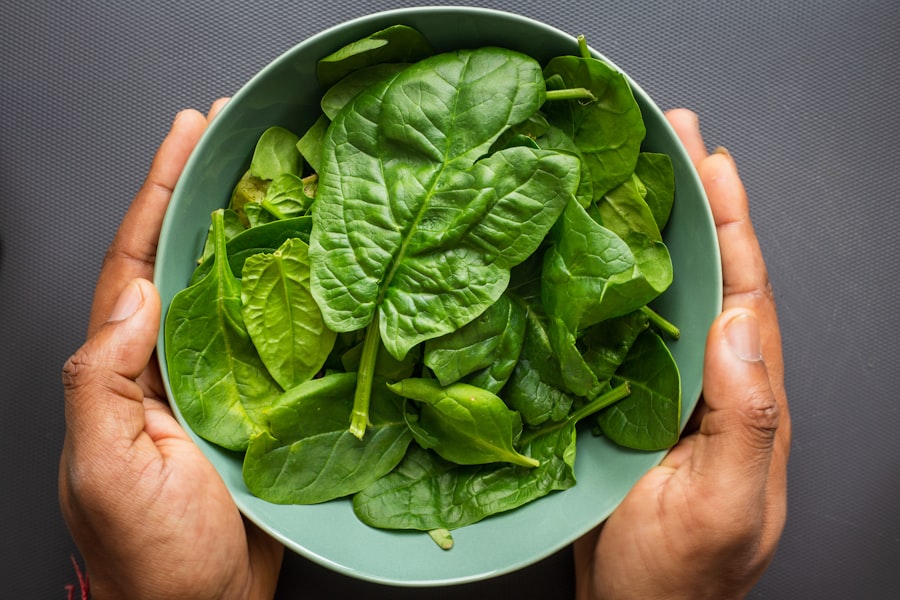
The cumulative effect of a fiber-rich real food diet offers significant advantages in terms of long-term health and disease prevention. It’s not just about feeling good today, but about building a resilient body for the future.
A Sentinel Against Chronic Diseases
The evidence is robust: diets high in dietary fiber are associated with a significantly reduced risk of several major chronic diseases. This is a testament to the multifaceted protective effects of fiber.
Cardiovascular Health’s Unsung Hero
A wealth of research links adequate fiber intake to improved cardiovascular health. Soluble fiber, in particular, has been shown to lower LDL (“bad”) cholesterol levels by binding to cholesterol in the digestive tract and preventing its absorption.
Cholesterol Management: A Gentle Reduction
By forming that gel-like matrix, soluble fiber can effectively sweep away cholesterol, preventing it from entering your bloodstream. This is a non-pharmacological method of managing cholesterol that can have a profound impact on heart health. It’s like having a diligent cleaner in your circulatory system, keeping the pipes clear.
Blood Pressure’s Steady Hand
While the mechanisms are complex, diets rich in fiber have also been associated with lower blood pressure. This further contributes to a reduced risk of heart disease and stroke.
The Bowel Cancer Defense
Perhaps one of the most well-documented benefits of fiber is its role in reducing the risk of colorectal cancer. As discussed earlier, insoluble fiber adds bulk to stool, promoting faster transit time through the colon.
Reducing Transit Time, Reducing Risk
A shorter transit time means that potential carcinogens in the digestive tract have less contact with the colon wall, thus lowering the opportunity for damage to occur. In essence, fiber acts as a carcinogen’s worst nightmare, giving them little time to do their damage.
Prebiotic’s Protective Influence
Furthermore, the SCFAs produced by the fermentation of fiber can have direct anti-cancer effects on colon cells. They can promote cell differentiation, inhibit cancer cell proliferation, and induce apoptosis (programmed cell death) in cancerous cells.
Beyond the Gut: Systemic Benefits
Fiber’s influence extends beyond the digestive and cardiovascular systems, impacting your body in numerous other ways.
A Boost for Immunity
A healthy gut microbiome, fostered by fiber, is intrinsically linked to a robust immune system. A significant portion of your immune cells reside in your gut, and the signals from your gut bacteria play a crucial role in their development and function.
Metabolic Health’s Steady Course
As we’ve touched upon with blood sugar regulation, fiber plays a critical role in maintaining metabolic health. By preventing spikes and crashes, it contributes to better insulin sensitivity and can help reduce the risk of developing metabolic syndrome.
The Brain-Gut Connection: A Growing Frontier
The intricate communication pathway between the brain and the gut is a rapidly evolving area of research. The SCFAs produced by fiber fermentation can cross the blood-brain barrier and influence neurotransmitter production and function, potentially impacting mood, cognition, and even mental health.
Incorporating fiber into your diet is essential for maintaining digestive health and overall well-being. A recent article highlights the importance of fiber-rich foods and their role in promoting a balanced diet, emphasizing how real foods can significantly improve your health. For more insights on this topic, you can read the full article here. By understanding the benefits of fiber, you can make informed choices that enhance your nutrition and support a healthier lifestyle.
Practical Integration: Making Fiber a Cornerstone of Your Real Food Diet
| Metric | Description | Recommended Daily Intake | Role in Real Food Diet |
|---|---|---|---|
| Total Fiber Intake | Amount of dietary fiber consumed daily | 25-30 grams | Supports digestive health and regularity |
| Soluble Fiber | Fiber that dissolves in water to form a gel-like substance | 5-10 grams | Helps lower cholesterol and stabilize blood sugar |
| Insoluble Fiber | Fiber that does not dissolve in water | 15-20 grams | Promotes bowel regularity and prevents constipation |
| Sources of Fiber | Whole grains, fruits, vegetables, nuts, and seeds | N/A | Provides essential nutrients and supports satiety |
| Impact on Gut Microbiota | Fiber acts as a prebiotic to feed beneficial gut bacteria | N/A | Enhances immune function and overall gut health |
| Fiber and Weight Management | High fiber intake linked to reduced calorie intake | N/A | Increases fullness and reduces overeating |
Embracing the importance of fiber in a real food diet isn’t an abstract concept; it’s a practical and delicious endeavor. The good news is that most people can significantly increase their fiber intake without drastic changes.
Embrace the Rainbow: Fruits and Vegetables as Fiber Powerhouses
Your plate should be a vibrant canvas, and fruits and vegetables are the paint. They are naturally brimming with both soluble and insoluble fiber, along with a treasure trove of vitamins, minerals, and phytonutrients.
Strategic Snacking and Meal Additions
- Breakfast: Add berries, sliced apples, or pears to your oatmeal or plain yogurt. Incorporate spinach or kale into scrambled eggs or omelets.
- Lunch and Dinner: Bulk up salads with a variety of vegetables. Add extra vegetables to soups, stews, and curries. Top pizzas and pasta dishes with a generous serving of vegetables.
- Snacks: Reach for fresh fruit, raw vegetables with hummus, or a handful of unsalted nuts and seeds.
Legumes: The Humble yet Mighty Fiber Champions
Beans, lentils, and peas are nutritional titans, packing a serious fiber punch. They are incredibly versatile, affordable, and can be incorporated into countless dishes.
Clever Ways to Incorporate Legumes
- Soups and Stews: Add a can of drained and rinsed beans or lentils to your favorite soup or stew.
- Salads: Toss chickpeas, black beans, or kidney beans into your green salads for added protein and fiber.
- Dips and Spreads: Hummus, made from chickpeas, is a fantastic fiber-rich spread. Lentil dips are also a delicious option.
- Main Courses: Prepare chili, lentil shepherd’s pie, or bean burgers as flavorful and filling meals.
Whole Grains: The Unprocessed Power of Nature
When you choose whole grains over refined grains, you are choosing the complete package – including the bran and germ, where most of the fiber resides.
Decoding Whole Grain Choices
- Oats: Opt for rolled oats or steel-cut oats over instant varieties.
- Barley: A fantastic addition to soups and stews, barley offers a satisfying chew.
- Quinoa: A complete protein and a good source of fiber, quinoa is a versatile grain.
- Brown Rice: Choose brown rice over white rice for a significant fiber upgrade.
Seeds and Nuts: Tiny but Mighty Fiber Sources
While nuts and seeds are often praised for their healthy fats, they are also excellent sources of dietary fiber.
Mindful Munching
A small handful of almonds, walnuts, chia seeds, or flaxseeds can provide a significant fiber boost. Consider adding them to smoothies, yogurt, salads, or simply enjoy them as a satisfying snack.
The Importance of Hydration: A Crucial Partnership
As you increase your fiber intake, it is paramount to also increase your water consumption. Fiber absorbs water, and without sufficient fluid, it can lead to constipation rather than alleviate it. Think of fiber as the bricks in your digestive wall, and water as the cement that allows them to be laid effectively. Your digestive system needs fluid to keep things moving smoothly.
In conclusion, fiber is not just another nutrient; it is a foundational pillar of a real food diet. Its multifaceted roles, from nurturing your gut microbiome to regulating your blood sugar and promoting satiety, make it an indispensable ally in your pursuit of optimal health. By consciously incorporating fiber-rich, whole foods into your daily meals, you are not merely eating; you are actively investing in your well-being, building a resilient body, and laying the groundwork for a vibrant and long life. Your journey to a healthier you is paved with fiber, and it’s a path worth embracing.
FAQs
What is dietary fiber and why is it important in a real food diet?
Dietary fiber is the indigestible part of plant foods that passes through the digestive system largely intact. It is important in a real food diet because it supports digestive health, helps regulate blood sugar levels, promotes satiety, and can reduce the risk of chronic diseases such as heart disease and type 2 diabetes.
What are the main types of fiber found in real foods?
The two main types of dietary fiber are soluble fiber and insoluble fiber. Soluble fiber dissolves in water and can help lower cholesterol and blood sugar levels. Insoluble fiber does not dissolve in water and aids in adding bulk to stool, promoting regular bowel movements.
Which real foods are good sources of fiber?
Good sources of fiber in a real food diet include fruits, vegetables, whole grains, legumes (such as beans and lentils), nuts, and seeds. These foods provide a mix of both soluble and insoluble fiber.
How does fiber contribute to digestive health?
Fiber contributes to digestive health by adding bulk to stool, which helps prevent constipation and promotes regular bowel movements. It also supports a healthy gut microbiome by serving as food for beneficial gut bacteria.
Can increasing fiber intake help with weight management?
Yes, increasing fiber intake can aid in weight management because fiber-rich foods tend to be more filling, which can reduce overall calorie intake. Fiber slows digestion and promotes a feeling of fullness, helping to control appetite.