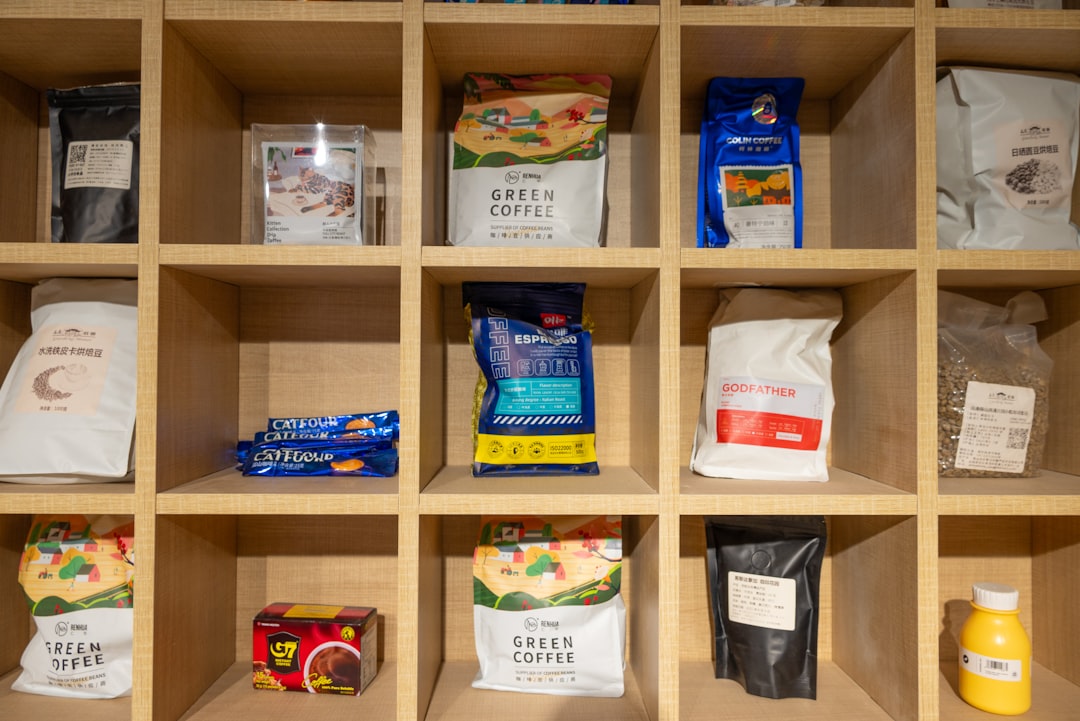
Establishing a robust “real food” pantry is a foundational step towards improving nutritional intake and enhancing household food security. This article outlines a systematic approach to stocking a pantry with whole, unprocessed foods, emphasizing long-term storage, versatility, and nutrient density. The objective is to equip you with the knowledge to build a sustainable food reserve that supports a healthful diet.
The term “real food” refers to edible items that are minimally processed, close to their natural state, and free from artificial ingredients, excessive added sugars, and unhealthy fats. This contrasts with heavily processed or “ultra-processed” foods, which often contain numerous additives, preservatives, and refined components. Building a real food pantry involves a deliberate shift away from convenience items towards ingredients that form the basis of home-cooked meals.
What Constitutes Real Food?
Real foods are generally identifiable by their short ingredient lists, often comprising a single item. Examples include whole grains, legumes, fresh or frozen fruits and vegetables, lean proteins, and healthy fats. These foods are rich in essential vitamins, minerals, fiber, and phytonutrients, which are crucial for optimal bodily function and disease prevention.
Benefits of a Real Food Pantry
A well-stocked real food pantry offers numerous advantages. It provides a buffer against unexpected events, such as grocery store closures or economic fluctuations. It facilitates healthier eating habits by making nutritious ingredients readily available. Furthermore, cooking from scratch using real foods can be more cost-effective in the long run than relying on pre-packaged meals. It also empowers you with greater control over the quality and composition of your diet, acting as a bulwark against the nutritional compromise often found in commercially prepared goods.
Building a real food pantry is an essential step towards creating a sustainable and healthy kitchen. For those looking for more tips and insights on this topic, you can check out a related article that offers practical advice on stocking your pantry with nutritious foods and organizing them effectively. To learn more, visit this helpful resource.
Phase 1: Assessment and Planning
Before you begin acquiring food, a thorough assessment of your current resources and an informed planning phase are essential. This initial groundwork will prevent waste and ensure your pantry meets your specific needs. Think of this as laying the groundwork for a solid structure; without a strong foundation, the entire endeavor is compromised.
Inventorying Your Current Stock
Begin by taking a comprehensive inventory of your existing pantry, refrigerator, and freezer. Note expiration dates, quantities, and items that are frequently used or rarely consumed. This audit provides a clear picture of what you already possess, preventing redundant purchases and highlighting areas that require immediate attention. It’s a literal and figurative stocktake of your gastronomic assets.
Defining Your Dietary Needs and Preferences
Your pantry should reflect your household’s unique dietary requirements, including any allergies, intolerances, or specific dietary patterns (e.g., vegetarian, gluten-free, low-carb). Consider the types of meals you typically prepare and the ingredients those meals demand. If your family enjoys pasta dishes, ensure you have a variety of whole-grain pasta and canned tomatoes. If stir-fries are a staple, stock up on rice, sauces, and frozen vegetables. This personalization ensures the pantry isn’t a museum of unused items but a vibrant workshop for your culinary creations.
Budgeting for Your Pantry
Establishing a realistic budget is crucial. Building a comprehensive real food pantry can be an investment, and staggering your purchases over time can make it more manageable. Prioritize staple items with longer shelf lives and look for sales or bulk purchasing opportunities to maximize your budget. A phased approach allows for gradual accumulation without overwhelming your finances, much like building a house brick by brick.
Phase 2: Essential Categories and Staple Foods
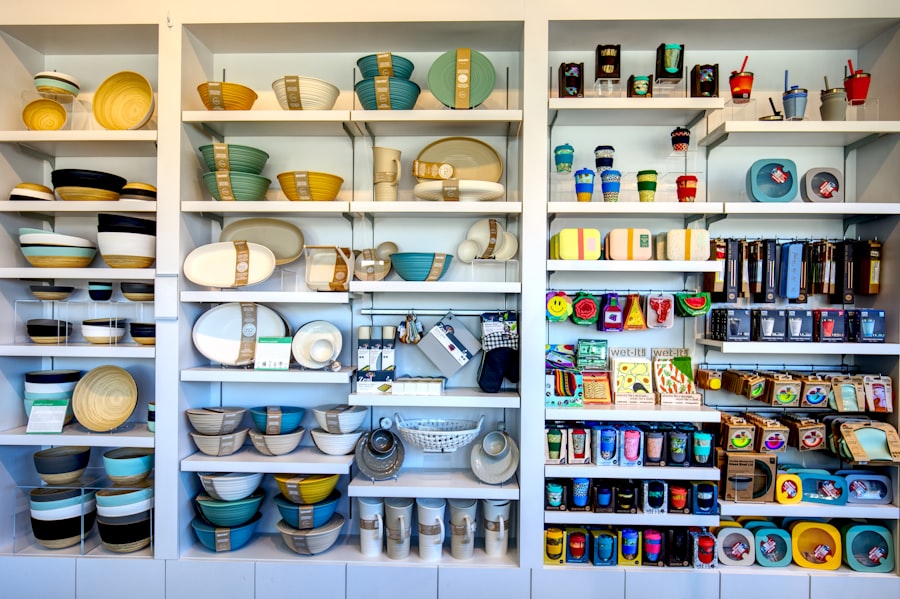
Once planning is complete, you can begin populating your pantry. Focus on core categories that form the backbone of a real food diet. These are not merely ingredients; they are the building blocks of sustenance.
Whole Grains
Whole grains are a cornerstone of a healthy diet, providing complex carbohydrates, fiber, and essential nutrients. They offer sustained energy and contribute to digestive health.
Rice Varieties
Prioritize brown rice, wild rice, and other less-processed varieties over white rice due to their higher nutritional content. These have longer cooking times but also a more robust nutritional profile.
Oats
Rolled oats or steel-cut oats are versatile for breakfasts, baking, and even as a thickener for stews. Their high fiber content makes them an excellent choice for satiety.
Quinoa and Other Grains
Quinoa is a complete protein and an excellent gluten-free option. Consider other grains like barley, farro, and bulgur for variety and their distinct nutritional benefits.
Legumes
Legumes are an economical and protein-rich food source, offering fiber, iron, and various minerals. They are highly versatile and can be incorporated into numerous dishes.
Dried Beans
Black beans, kidney beans, chickpeas, and lentils are excellent choices. They are more cost-effective when purchased dried and can be stored indefinitely if kept in a cool, dry place. Soaking and cooking dried beans yourself also allows you to control the sodium content.
Canned Beans
While dried beans are preferred for long-term storage and cost-effectiveness, canned beans offer convenience. Opt for low-sodium varieties and rinse them thoroughly before use to further reduce sodium.
Healthy Fats and Oils
Healthy fats are essential for nutrient absorption, hormone production, and overall health. They are the lubricants in your body’s complex machinery.
Olive Oil
Extra virgin olive oil is ideal for dressings and low-heat cooking. Store it in a dark, cool place to prevent degradation.
Coconut Oil and Avocado Oil
Coconut oil is stable at higher temperatures and can be used for various cooking methods. Avocado oil also has a high smoke point and a neutral flavor, making it versatile.
Nuts and Seeds
Almonds, walnuts, chia seeds, flax seeds, and sunflower seeds provide healthy fats, protein, and fiber. Store them in airtight containers, preferably in the refrigerator or freezer, to prevent rancidity.
Canned and Jarred Goods
Canned and jarred items are invaluable for convenience and extending the shelf life of perishable foods. They are the time capsules of your pantry.
Tomatoes
Canned diced tomatoes, crushed tomatoes, and tomato paste are fundamental for sauces, soups, and stews. Look for varieties with minimal added ingredients.
Vegetables and Fruits
Canned vegetables like green beans, corn, and peas, and canned fruits (in water or their own juice) offer nutritional value when fresh options are unavailable.
Fish and Meat
Canned tuna, salmon, and chicken provide convenient protein sources for quick meals or emergencies. Opt for options packed in water or olive oil.
Phase 3: Fresh and Frozen Components
While the pantry focuses on shelf-stable goods, a real food pantry extends to your refrigerator and freezer, which house items with shorter shelf lives but significant nutritional value. These are the dynamic, living elements of your food supply.
Produce: Refrigerated Staples
Stock your refrigerator with commonly used fresh produce that has a reasonable shelf life.
Root Vegetables
Carrots, potatoes, onions, and garlic are durable and form the base of many recipes. Store them appropriately to maximize their freshness.
Hardier Fruits and Vegetables
Apples, oranges, cabbage, and bell peppers can last longer than more delicate produce items.
Freezer Fundamentals
The freezer is your ally in preserving seasonality and preventing food waste. It’s a cryogenic chamber for future meals.
Frozen Fruits and Vegetables
Frozen berries, spinach, broccoli, and mixed vegetables are picked at peak ripeness and retain most of their nutritional value. They are excellent for smoothies, stir-fries, and side dishes.
Proteins
Buy poultry, meat, and fish in bulk when on sale and freeze individual portions. This guarantees a supply of protein for various meals.
Batch-Cooked Meals
Prepare large batches of soups, stews, or casseroles and freeze them in single-serving or family-sized portions for convenient, nutritious meals on busy days.
Building a real food pantry can be an enriching experience that not only supports your family’s nutritional needs but also encourages sustainable living. To enhance your understanding of this process, you might find it helpful to read a related article that offers valuable insights and tips. For more information on creating a well-stocked pantry, check out this informative piece on how to build a real food pantry here. By following these guidelines, you can ensure that your pantry is filled with wholesome ingredients that promote health and well-being.
Phase 4: Seasonings, Condiments, and Baking Essentials
| Step | Action | Key Considerations | Estimated Time | Resources Needed |
|---|---|---|---|---|
| 1 | Assess Community Needs | Identify target population and dietary preferences | 1-2 weeks | Surveys, community meetings |
| 2 | Secure Location | Accessible, adequate storage space, refrigeration if needed | 2-4 weeks | Facility rental or donation |
| 3 | Develop Partnerships | Local farms, grocery stores, food co-ops for fresh produce | Ongoing | Networking, agreements |
| 4 | Stock Real Food Items | Whole grains, fresh fruits & vegetables, legumes, nuts, seeds | Ongoing | Donations, purchases, volunteer support |
| 5 | Organize Storage | Labeling, rotation system to ensure freshness | 1 week setup, ongoing maintenance | Shelves, bins, labels |
| 6 | Implement Distribution System | Scheduled pick-ups, equitable access, client choice model | 1-2 weeks setup, ongoing | Volunteers, scheduling tools |
| 7 | Educate Clients | Nutrition info, cooking demos, recipe sharing | Ongoing | Educational materials, staff or volunteers |
| 8 | Monitor & Evaluate | Track usage, client feedback, food waste | Monthly reviews | Data collection tools |
These items, though often used in smaller quantities, are critical for flavoring your dishes and enabling home baking, fostering creative and enjoyable cooking experiences. They are the alchemists of flavor.
Spices and Herbs
A comprehensive collection of dried spices and herbs is essential for adding flavor and depth to your cooking without relying on artificial seasonings.
Common Spices
Salt, black pepper, garlic powder, onion powder, paprika, cumin, chili powder, and oregano are fundamental. Ground spices typically have a shelf life of 2-3 years, while whole spices can last longer.
Flavor Enhancers
Nutritional yeast, tamari or soy sauce (low sodium), apple cider vinegar, and various hot sauces can add complexity and richness to dishes.
Natural Sweeteners
Minimize reliance on refined sugars by stocking natural alternatives for occasional use.
Honey and Maple Syrup
These natural sweeteners can be used in baking, dressings, or as a topping for oats and yogurt. They offer more nuanced flavors than refined sugar.
Dates and Other Dried Fruits
Dates, raisins, and prunes can be used to sweeten dishes naturally and provide fiber and nutrients. Ensure they are free from added sugars or excessive preservatives.
Baking Staples (Real Food Style)
For those who enjoy baking, opt for less refined ingredients to align with the real food philosophy.
Whole Wheat Flour and Alternatives
Instead of white flour, consider whole wheat flour, oat flour, almond flour, or coconut flour for their higher nutritional content and diverse applications.
Leavening Agents
Baking soda and baking powder are essential for many recipes. Ensure they are fresh for optimal leavening power.
Phase 5: Storage and Maintenance
A crucial aspect of building a real food pantry is proper storage and ongoing maintenance. This ensures food safety, preserves quality, and prevents waste. Your pantry is a living system that requires periodic attention.
Appropriate Storage Containers
Invest in airtight containers made of glass, stainless steel, or BPA-free plastic. These protect food from moisture, pests, and oxidation, which can degrade quality and nutritional value. Mason jars are particularly effective for dry goods.
FIFO Method
Employ the “First In, First Out” (FIFO) method. When stocking new items, place them behind older ones so that foods with earlier expiration or “best by” dates are consumed first. This system minimizes waste and ensures freshness.
Regular Inventory and Rotation
Periodically review your pantry contents, noting anything nearing its expiration date. Plan meals around these items to ensure they are used. Rotate items and check for any signs of spoilage or pest infestation. A bi-monthly or quarterly check-up can prevent significant issues.
Pest Control
Maintain a clean pantry and inspect regularly for signs of pests. Store dry goods in sealed containers to create a barrier. Bay leaves placed in containers of grains and legumes are a traditional, non-toxic pest deterrent.
Temperature and Light Control
Store your pantry items in a cool, dark, and dry environment. Extreme temperatures and exposure to direct sunlight can degrade food quality, flavor, and nutritional content. This is particularly important for oils, spices, and whole grains.
By following these comprehensive guidelines, you can systematically construct a real food pantry that serves as a cornerstone for healthy eating, offers resilience against unforeseen circumstances, and empowers you to take agency over your dietary choices. This is not merely storing food; it is an investment in your well-being.
FAQs
What is a real food pantry?
A real food pantry is a storage area stocked with whole, unprocessed foods such as grains, beans, nuts, seeds, dried fruits, and canned or frozen vegetables and meats. It focuses on nutritious, long-lasting ingredients that can be used to prepare healthy meals.
What are the essential items to include in a real food pantry?
Essential items include whole grains (like rice, quinoa, oats), dried or canned beans and legumes, nuts and seeds, canned tomatoes and vegetables, natural sweeteners (such as honey or maple syrup), cooking oils, herbs and spices, and shelf-stable proteins like canned fish or powdered milk.
How should I store foods in a real food pantry to maximize shelf life?
Store foods in airtight containers in a cool, dry, and dark place to prevent spoilage and insect infestation. Use glass jars, food-grade plastic containers, or vacuum-sealed bags. Label items with purchase or expiration dates and rotate stock regularly to use older items first.
How can I build a real food pantry on a budget?
Start by purchasing staple items in bulk, shop sales and discounts, and prioritize versatile ingredients that can be used in multiple recipes. Gradually add specialty items over time and consider growing some fresh produce at home to supplement your pantry.
How often should I check and update my real food pantry?
It is recommended to review your pantry every 3 to 6 months. Check for expired or spoiled items, reorganize for easy access, and replenish staples as needed to ensure your pantry remains well-stocked and fresh.