
You often hear about fats in hushed tones, burdened with a stigma that suggests they are the sole architects of ill health. However, a scientific perspective reveals a far more intricate and indispensable role for these macronutrients, particularly when examining their profound interplay with your body’s hormonal systems. To understand your physiology and optimize your well-being, you must dissect the complex relationship between natural fats and hormones.
Before delving into their hormonal connections, you must first grasp the fundamental nature of natural fats themselves. You encounter a diverse array of fatty acids in your diet, each with a unique molecular structure that dictates its biological actions within your body. Think of these structures as different keys, each designed to unlock specific cellular processes.
Types of Dietary Fats
Your knowledge of fat categories is crucial. You’ll primarily encounter saturated, monounsaturated, polyunsaturated fats, and a less desirable category, trans fats.
Saturated Fatty Acids (SFAs)
You’ll find SFAs primarily in animal products like red meat, butter, and full-fat dairy, as well as some plant-based sources like coconut oil and palm oil. Their molecular structure is characterized by the absence of double bonds between carbon atoms, making them “saturated” with hydrogen atoms. Historically, SFAs have been scapegoated for cardiovascular disease. However, contemporary research suggests a more nuanced picture. While excessive intake of certain SFAs (e.g., myristic and palmitic acid) can elevate LDL cholesterol levels, other SFAs (e.g., stearic acid) appear to have a neutral or even beneficial effect. Your body readily uses SFAs as an energy source and incorporates them into cell membranes, providing structural integrity.
Monounsaturated Fatty Acids (MUFAs)
You encounter MUFAs abundantly in olive oil, avocados, and nuts. These fats possess one double bond in their carbon chain. This single double bond gives them a characteristic “kink” in their structure, influencing their physical properties and biological roles. MUFAs are widely recognized for their heart-healthy benefits, including their ability to lower LDL (bad) cholesterol and increase HDL (good) cholesterol. They also contribute to insulin sensitivity and possess anti-inflammatory properties, serving as a vital component of a balanced dietary pattern for your metabolic health.
Polyunsaturated Fatty Acids (PUFAs)
PUFAs are characterized by two or more double bonds in their carbon chain. You categorize them into two essential families: omega-3 and omega-6 fatty acids. Your body cannot synthesize these essential fats, meaning you must obtain them through your diet.
Omega-3 Fatty Acids
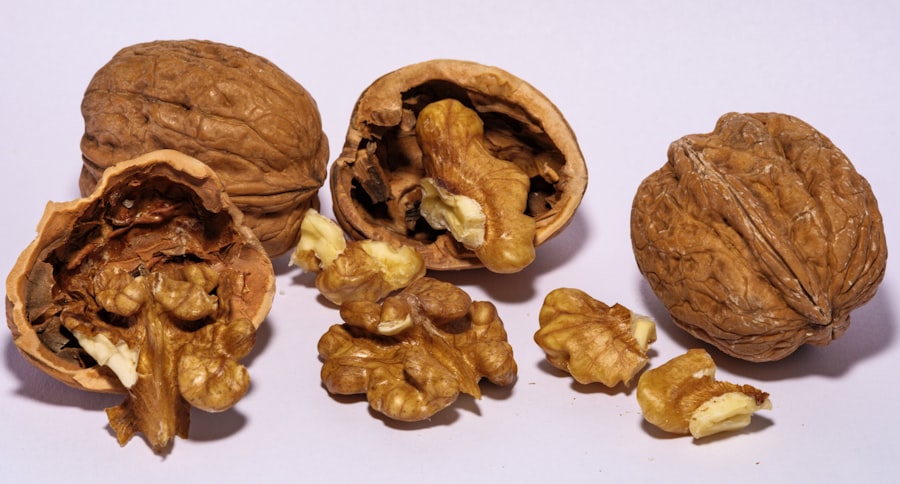
Sources like fatty fish (salmon, mackerel), flaxseeds, and walnuts provide you with omega-3s. The principal omega-3s are alpha-linolenic acid (ALA), eicosapentaenoic acid (EPA), and docosahexaenoic acid (DHA). EPA and DHA are particularly crucial for brain health, vision, and anti-inflammatory processes. They act as “gatekeepers” at the cellular level, modulating inflammation and signaling pathways. For instance, DHA is a major structural component of your brain and retina.
Omega-6 Fatty Acids
You primarily find omega-6s in vegetable oils such as corn oil, soybean oil, and sunflower oil, as well as nuts and seeds. Linoleic acid (LA) is the most common omega-6. While essential for health, an imbalanced ratio of omega-6 to omega-3 fatty acids in your diet is a concern. A high omega-6 to omega-3 ratio is often associated with pro-inflammatory states, acting as a “lit fuse” for various chronic diseases. Optimal health necessitates bringing this ratio back into equilibrium.
Trans Fatty Acids
You should actively avoid artificial trans fats, which are created through an industrial process called hydrogenation. These fats are structurally distinct from naturally occurring fats and have no known physiological benefits. They act as “saboteurs” within your system, increasing LDL cholesterol, decreasing HDL cholesterol, and promoting systemic inflammation. Though naturally occurring trans fats exist in small amounts in some animal products, the primary concern lies with their artificial counterparts.
Natural fats play a crucial role in hormone production and regulation within the body, influencing everything from metabolism to mood. For a deeper understanding of how these fats interact with our hormonal systems, you can explore the article titled “The Connection Between Natural Fats and Hormonal Balance.” This resource provides valuable insights into the science behind dietary fats and their impact on health. To read more, visit this article.
The Hormonal Crossroads: Fat as a Precursor
Your body utilizes fats not merely as a fuel source or structural component but also as direct building blocks for some of your most vital hormones. This makes dietary fat intake a critical determinant of your endocrine health. Think of fats as the raw materials in a sophisticated hormonal factory.
Steroid Hormone Synthesis
You may be surprised to learn that cholesterol, a type of fat, is the master precursor for all steroid hormones. This includes a broad spectrum of hormones essential for various bodily functions.
Sex Hormones
Cholesterol is the starting point for testosterone, estrogen, and progesterone. These hormones orchestrate your reproductive health, sexual development, and numerous other physiological processes. For example, in men, adequate cholesterol is necessary for testosterone production, which influences muscle mass, bone density, and libido. In women, estrogen, also derived from cholesterol, plays a pivotal role in the menstrual cycle, bone health, and cardiovascular function. Insufficient dietary fat, particularly cholesterol, can lead to impaired production of these critical hormones, potentially manifesting as menstrual irregularities, reduced fertility, or decreased libido.
Adrenal Hormones
Cortisol and aldosterone, produced by your adrenal glands, also originate from cholesterol. Cortisol is your primary stress hormone, involved in regulating metabolism, inflammation, and blood pressure. Aldosterone plays a crucial role in maintaining electrolyte balance and blood pressure. Chronic stress or nutritional deficiencies impacting cholesterol availability can disrupt the delicate balance of these adrenal hormones, leading to a cascade of systemic effects.
Vitamin D
While technically a vitamin, Vitamin D acts more like a hormone in your body. Your skin synthesizes it from a cholesterol precursor (7-dehydrocholesterol) upon exposure to UVB sunlight. Vitamin D is essential for calcium absorption, bone health, and immune function, among other roles. Its hormonal nature underscores the broad impact of cholesterol on your endocrine system.
Fat’s Influence on Hormone Receptors and Signaling

Beyond serving as raw materials, fats exert a profound influence on how your cells respond to hormones. You can think of this as fats acting as the “tuning forks” that ensure your cellular orchestras play in harmony with hormonal signals.
Cell Membrane Integrity and Fluidity
Your cell membranes are primarily composed of a phospholipid bilayer, with various fatty acids integral to their structure. The specific types of fatty acids incorporated into these membranes dictate their fluidity and permeability.
Receptor Sensitivity
A membrane rich in healthy, unsaturated fatty acids tends to be more fluid. This fluidity allows hormone receptors embedded within the membrane to move more freely and bind more effectively to their corresponding hormones. Conversely, membranes stiffened by an excess of saturated or trans fats can impede receptor function, making cells less responsive to hormonal signals. Imagine a door with rusty hinges; it’s harder to open. Similarly, a rigid cell membrane makes it harder for hormones to “open” cellular pathways. This phenomenon is particularly relevant for insulin sensitivity. A cell membrane with optimal fluidity allows insulin receptors to efficiently bind insulin, facilitating glucose uptake.
Eicosanoid Production
Omega-3 and omega-6 fatty acids serve as precursors for eicosanoids, a family of local signaling molecules that act like short-distance messengers. These include prostaglandins, thromboxanes, and leukotrienes.
Pro-inflammatory Eicosanoids
Omega-6 fatty acids, particularly arachidonic acid (AA), are precursors to eicosanoids that tend to be pro-inflammatory and pro-aggregatory. While acute inflammation is a necessary defense mechanism, chronic overproduction of these eicosanoids can contribute to various inflammatory conditions.
Anti-inflammatory Eicosanoids
Omega-3 fatty acids, especially EPA, are precursors to eicosanoids that exert anti-inflammatory and anti-aggregatory effects. These “peacekeepers” help to resolve inflammation and prevent excessive blood clotting. A healthy balance between omega-3 and omega-6 intake is crucial for modulating inflammatory responses and maintaining hormonal equilibrium. An imbalance can push your body into a continuous state of low-grade inflammation, disrupting numerous hormonal pathways.
Adipose Tissue: The Endocrine Organ
You might primarily view adipose tissue (body fat) simply as an energy reservoir. However, it is a highly active endocrine organ, producing and secreting numerous hormones, collectively known as adipokines, that significantly impact your metabolic and reproductive health. Think of your fat cells as a bustling factory continually releasing chemical messengers into your bloodstream.
Adipokines and Their Hormonal Roles
The hormones secreted by adipose tissue exert wide-ranging effects throughout your body, influencing insulin sensitivity, appetite regulation, and inflammation.
Leptin
Leptin, often referred to as the “satiety hormone,” is primarily produced by your fat cells. It signals to your hypothalamus, a region in your brain, about your body’s energy stores. When fat reserves are high, leptin levels increase, signaling satiety and reducing appetite. Conversely, when fat stores are low, leptin levels decrease, triggering hunger. However, in individuals with obesity, a phenomenon known as “leptin resistance” can occur, where the brain becomes desensitized to leptin’s signals, leading to persistent hunger despite abundant energy stores.
Adiponectin
Unlike leptin, adiponectin levels are typically inversely correlated with body fat percentage. You’ll find higher levels of adiponectin in leaner individuals. This adipokine plays a crucial role in enhancing insulin sensitivity, promoting fatty acid oxidation, and reducing inflammation. Adiponectin acts as a “metabolic guardian,” protecting against insulin resistance and cardiovascular disease. Lower levels of adiponectin are often observed in individuals with obesity, type 2 diabetes, and metabolic syndrome.
Resistin
Resistin, another adipokine, is generally associated with insulin resistance and inflammation. While its precise role in human physiology is still under investigation, you typically observe elevated resistin levels in individuals with obesity and diabetes, suggesting its involvement in the pathogenesis of metabolic disorders.
Estrogen and Aromatase
Adipose tissue also contributes to estrogen production in both men and women, particularly after menopause in women. The enzyme aromatase, present in fat cells, converts androgens (male hormones) into estrogens. This extra-gonadal estrogen production can have significant implications for hormonal balance, bone health, and the risk of certain hormone-sensitive cancers. Therefore, the amount and distribution of your body fat can have direct consequences on your estrogen levels.
Recent studies have highlighted the intricate relationship between natural fats and hormone regulation in the body, revealing how certain dietary fats can influence hormonal balance and overall health. For a deeper understanding of this fascinating topic, you can explore a related article that discusses the impact of various fats on hormonal functions and metabolic processes. This article provides valuable insights into how incorporating healthy fats into your diet can promote better hormonal health. To read more, visit this informative resource.
The Gut Microbiome-Fat-Hormone Connection
| Category | Type | Examples | Function | Source | Notes |
|---|---|---|---|---|---|
| Natural Fats | Saturated Fatty Acids | Palmitic acid, Stearic acid | Energy storage, cell membrane structure | Animal fats, coconut oil | Solid at room temperature |
| Natural Fats | Monounsaturated Fatty Acids | Oleic acid | Heart health, anti-inflammatory | Olive oil, avocados | Liquid at room temperature |
| Natural Fats | Polyunsaturated Fatty Acids | Omega-3 (ALA, EPA, DHA), Omega-6 (Linoleic acid) | Brain function, inflammation regulation | Fish oil, flaxseed, walnuts | Essential fatty acids |
| Hormones | Steroid Hormones | Estrogen, Testosterone, Cortisol | Reproduction, metabolism, stress response | Cholesterol-derived in adrenal glands and gonads | Lipid-soluble, cross cell membranes easily |
| Hormones | Peptide Hormones | Insulin, Growth hormone | Regulate metabolism, growth | Pancreas, pituitary gland | Water-soluble, act on cell surface receptors |
| Hormones | Fat-derived Hormones (Eicosanoids) | Prostaglandins, Leukotrienes | Inflammation, immune response | Derived from arachidonic acid (fatty acid) | Short-lived, act locally |
You are not an isolated entity; you thrive in a symbiotic relationship with trillions of microorganisms inhabiting your gut, collectively known as the gut microbiome. Emerging research indicates a profound and bidirectional relationship between your gut microbiota, dietary fats, and hormonal health. Consider your gut microbiome as a vast internal garden influencing your entire physiological landscape.
Fat Digestion and Absorption
Your gut microbiome plays a role in the digestion and absorption of dietary fats. Certain gut bacteria produce enzymes that hydrolyze complex fats, making them more readily available for absorption. The composition of your microbiota can influence the efficiency of this process.
Short-Chain Fatty Acids (SCFAs)
When you consume dietary fiber, your gut bacteria ferment it, producing short-chain fatty acids (SCFAs) such as acetate, propionate, and butyrate. These SCFAs are not just waste products; they are potent signaling molecules with far-reaching hormonal effects.
Butyrate and Intestinal Health
Butyrate is a primary energy source for your colonocytes (cells lining the colon) and plays a critical role in maintaining gut barrier integrity. A healthy gut barrier prevents the leakage of toxins and undigested food particles into your bloodstream, a condition known as “leaky gut” or increased intestinal permeability, which can trigger systemic inflammation and disrupt hormonal balance.
SCFAs and Metabolic Hormones
SCFAs interact with G protein-coupled receptors (GPCRs) on various cells, including those in the gut and adipose tissue. This interaction can influence the release of gut hormones, such as Glucagon-Like Peptide-1 (GLP-1) and Peptide YY (PYY), which are involved in appetite regulation and insulin secretion. A robust and diverse gut microbiome, fostered by a diet rich in fiber and healthy fats, can contribute to a favorable SCFA profile, positively influencing your satiety and insulin sensitivity.
Bile Acid Metabolism
Your gut microbiome also modulates bile acid metabolism. Bile acids, synthesized from cholesterol in the liver, are essential for fat digestion and absorption. Gut bacteria deconjugate and modify bile acids, producing secondary bile acids that act as signaling molecules, interacting with receptors throughout the body, including those that regulate glucose and lipid metabolism, and even thyroid hormone signaling. Disruptions in your gut microbiota can alter bile acid profiles, potentially impacting fat metabolism and hormonal signaling.
In conclusion, you are a complex biological system where natural fats are not merely passive calories but active participants in the intricate dance of hormonal regulation. From serving as the fundamental building blocks of steroid hormones to modulating cell membrane fluidity and influencing the gut microbiome, fats are indispensable for your endocrine health. Understanding these scientific intricacies empowers you to make informed dietary choices that support your hormonal equilibrium and overall well-being. By embracing the right kinds of natural fats, you are not just nourishing your body but also finely tuning its most sophisticated internal communication networks.
FAQs
What are natural fats and why are they important in the body?
Natural fats, also known as lipids, are essential molecules found in foods and within the body. They serve as a major energy source, help in the absorption of fat-soluble vitamins, provide structural components for cell membranes, and act as precursors for hormone production. Healthy fats are crucial for maintaining overall bodily functions and supporting metabolic processes.
How do natural fats influence hormone production?
Natural fats play a key role in hormone synthesis because many hormones, such as steroid hormones, are derived from cholesterol, a type of lipid. Fats provide the building blocks for hormones like estrogen, testosterone, and cortisol. Adequate intake of healthy fats ensures proper hormone balance and function.
What types of natural fats are considered beneficial for health?
Beneficial natural fats include monounsaturated fats (found in olive oil, avocados, and nuts), polyunsaturated fats (such as omega-3 and omega-6 fatty acids found in fish, flaxseeds, and walnuts), and certain saturated fats in moderation. These fats support heart health, brain function, and hormone regulation.
Can consuming too much fat negatively affect hormone levels?
Yes, excessive intake of unhealthy fats, particularly trans fats and excessive saturated fats, can disrupt hormone balance. Overconsumption may lead to inflammation, insulin resistance, and altered production of hormones like insulin and leptin, which can impact metabolism and overall health.
How does the body regulate the balance between fats and hormones?
The body maintains a complex regulatory system involving the endocrine system and metabolic pathways to balance fat storage, breakdown, and hormone production. Feedback mechanisms involving the hypothalamus, pituitary gland, and target organs help adjust hormone levels based on fat availability and energy needs.