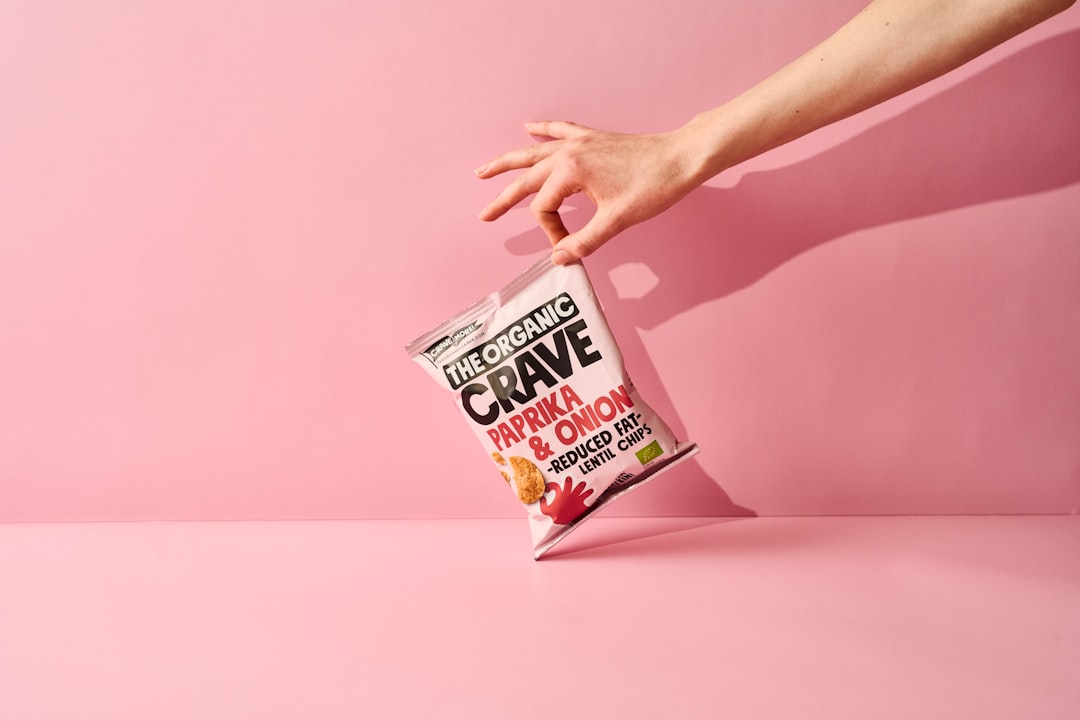
You’ve probably experienced it: that gnawing, insistent desire that whispers in your ear, begging for something specific. Not just any food, but something decidedly low-fat. You might even find yourself reaching for that bag of rice cakes, a carton of skim milk, or a plain yogurt, even if your sweet tooth is typically the dominant force. This isn’t a quirk of your personality; it’s a tango your body is performing with a complex interplay of hormones, perception, and learned behaviors. Understanding the science behind these peculiar cravings can empower you to navigate them with a clearer head and make choices that better align with your health goals.
The prevailing wisdom for decades has been that fat is the enemy, a culinary pariah to be avoided at all costs. This zealous pursuit of “low-fat” has shaped food production and your own dietary habits. However, this singular focus can create a physiological paradox: a constant feeling of not being quite full, leading you down a rabbit hole of seeking satisfaction elsewhere.
The Role of Fat in Satiety Signals
Fat, when consumed, takes a different route through your digestive system than carbohydrates or proteins. It lingers longer in the stomach, acting like a slow-release fuel. This prolonged presence triggers the release of specific satiety hormones, such as cholecystokinin (CCK) and peptide YY (PYY). Think of these hormones as your body’s internal “enough is enough” alarm bells. CCK not only signals the brain that you’re full but also slows down gastric emptying, meaning the food stays in your stomach for a longer duration. PYY, released in response to nutrients in the small intestine, also contributes to feelings of fullness and can suppress appetite.
The Carbohydrate Compensation Mechanism
When you drastically cut down on fat, you remove a significant player in the satiety game. Your body, now missing the slow-release fuel and the potent hormonal signals, often compensates by craving carbohydrates. This is especially true for refined carbohydrates, which are rapidly digested and can lead to a spike and subsequent crash in blood glucose levels. This blood sugar rollercoaster can leave you feeling even hungrier and more prone to cravings, often for that very comfort you’ve tried to strip away. The brain, ever the pragmatist, seeks readily available energy, and carbohydrates are its go-to.
The “Low-Fat” Label as a Psychological Trap
The marketing of “low-fat” foods presents a fascinating psychological dimension. When a food is labeled as such, it often carries an implicit promise of being healthier and less calorically dense. This can lead to a phenomenon known as “health halo” – you feel you can consume more of it without consequence. This can be a dangerous illusion. Many low-fat products achieve their desired texture and flavor by increasing their sugar and refined carbohydrate content, effectively swapping one problem for another. You might be eating fewer grams of fat, but you’re potentially consuming more sugar, which can contribute to inflammation, weight gain, and that persistent craving.
The Texture and Mouthfeel Deficit
Fat contributes significantly to the palatability and mouthfeel of food. It provides richness, creaminess, and a satisfying texture that low-fat alternatives often struggle to replicate. When you remove fat, you often end up with foods that are drier, less satisfying, or have an artificial or “watery” consistency. Your brain, accustomed to the sensory experience of a certain level of richness, might be signaling a desire for that missing textural component, and you might interpret this as a craving for something sweet or starchy to fill that sensory void. It’s like trying to paint a vibrant picture with only shades of gray; something essential is missing.
Recent studies suggest that low-fat snacks may actually lead to increased cravings, as they often contain higher levels of sugar and artificial additives to compensate for the lack of fat. This paradox can leave consumers feeling unsatisfied and reaching for more snacks shortly after consumption. For a deeper understanding of this phenomenon and its implications on our eating habits, you can read a related article that explores the science behind cravings and the impact of low-fat diets on our appetite by visiting this link.
The Hormonal Symphony Orchestrating Your Cravings
Beneath the surface of your conscious decisions, a complex orchestra of hormones is playing a tune that dictates your hunger and satiety cues. Understanding these hormonal players and how they respond to your dietary choices is key to deciphering why those low-fat snack cravings emerge.
Leptin: The Satiety Signal from Fat Cells
Leptin is often dubbed the “starvation hormone” or the “satiety hormone.” It’s produced by your fat cells and signals to your brain, specifically the hypothalamus, to reduce your appetite and increase your metabolism. The more fat you have, the more leptin you produce. Think of leptin as a long-term regulator of energy balance. When you consume a diet rich in fat, your leptin levels are generally higher, indicating to your body that there are ample energy reserves. Conversely, when you drastically reduce fat intake, your fat stores shrink, leading to lower leptin levels.
Leptin Resistance: When the Signal Goes Awry
A significant issue, especially in the context of prolonged high-carbohydrate, low-fat diets, is leptin resistance. This occurs when your brain becomes less responsive to leptin’s signals. Despite having sufficient or even elevated leptin levels, your hypothalamus doesn’t register the “full” signal effectively. This can lead to a constant feeling of hunger and a perceived lack of satiety, pushing you to overeat. It’s as if the messenger is repeatedly shouting, but the recipient has developed earplugs. This resistance can be exacerbated by chronic inflammation, often fueled by diets high in processed carbohydrates and sugars.
Ghrelin: The Hunger Hormone’s Call
Ghrelin, on the other hand, is often called the “hunger hormone.” It’s primarily produced in your stomach and is released when your stomach is empty. Ghrelin signals to your brain to increase your appetite, preparing you to seek out food. Its levels rise before meals and fall after you eat. When you eat less fat, particularly if you’re also consuming a diet low in protein and fiber, your stomach may empty more quickly, leading to a faster rise in ghrelin and an earlier onset of hunger pangs.
The Impact of Meal Composition on Ghrelin Levels
The composition of your meals plays a crucial role in how ghrelin is regulated. Meals high in protein and fat tend to slow down gastric emptying, thus keeping ghrelin levels lower for longer periods, promoting sustained satiety. Conversely, meals primarily composed of refined carbohydrates can lead to a rapid spike and subsequent drop in blood sugar. This rapid decline can trigger a surge in ghrelin, intensifying hunger and leading to cravings for quick energy sources. In a low-fat scenario, you might find yourself relying more on carbohydrates for energy, which can create this ghrelin roller coaster.
Insulin: The Blood Sugar Regulator and Its Indirect Influence
While not directly a hunger hormone in the same way as ghrelin or leptin, insulin plays a critical indirect role in regulating appetite and influencing cravings. Insulin is released by the pancreas in response to rising blood glucose levels, primarily after consuming carbohydrates. Its main job is to help your cells absorb glucose from your bloodstream for energy or storage.
Insulin Spikes and the Subsequent Crash
When you consume a diet high in refined carbohydrates, particularly in the absence of sufficient fat and protein, you experience rapid spikes in blood glucose, followed by significant insulin releases. While intended to manage blood sugar, these large insulin surges can sometimes overshoot, causing your blood glucose levels to drop too low – a state known as reactive hypoglycemia. This drop in blood sugar can trigger a strong urge to eat, often for something sweet and quickly digestible to bring your glucose levels back up. This is a primary driver of cravings, and in a low-fat context, refined carbohydrates become the convenient solution.
The Gut-Brain Axis: A Two-Way Street of Communication
The intricate communication network between your gut and your brain, known as the gut-brain axis, is another crucial factor in managing cravings. The gut is not just a digestive tube; it’s a complex ecosystem teeming with trillions of microorganisms (your gut microbiome) that play a vital role in your health, including influencing your mood, immune system, and even your food preferences.
Microbiome and Cravings: A Symbiotic Relationship
Your gut microbes can produce various signaling molecules that communicate with your brain. Certain types of bacteria may even produce compounds that can influence your mood and appetite, potentially driving cravings for specific foods that nourish them. A Western diet, often characterized by low fiber and high processed foods (which can include many low-fat, high-sugar items), can negatively impact the diversity and health of your gut microbiome. This imbalance might lead to an increase in microbes that promote cravings for sugary or starchy foods, as these provide readily available energy for them. Your gut microbes can become like insistent, tiny tenants demanding their preferred rent payment.
The Sensory Deprivation of Low-Fat Foods
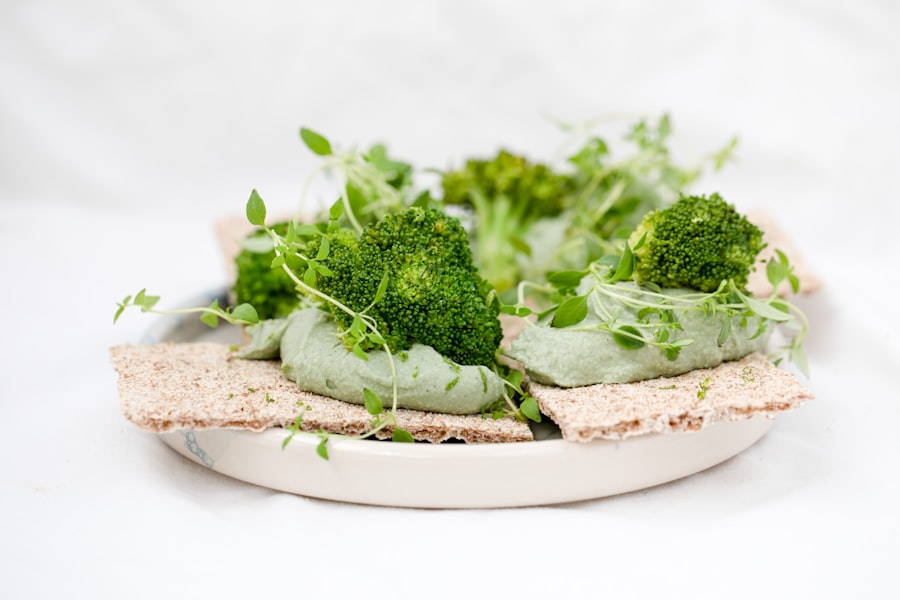
Beyond hormones and gut health, the very sensory experience of eating plays a profound role in our satisfaction and subsequent cravings. Fat is a major contributor to the taste, texture, and aroma of food, and its absence can leave a void that the brain attempts to fill.
The Richness and Palatability Provider: Fat’s Sensory Contribution
Fat is a superb carrier of flavor. Many of the aromatic compounds in food are fat-soluble, meaning they dissolve in fat and are released when we eat. This is why foods rich in healthy fats often taste more intensely flavorful and satisfying. Fat also contributes to a smooth, creamy, and rich mouthfeel. Think of the luxurious texture of full-fat yogurt or a decadent slice of avocado. This sensory richness is a key component of what makes food enjoyable and contributes to feelings of satisfaction.
The Texture and Mouthfeel Deficit in Low-Fat Alternatives
When fat is removed, food manufacturers often struggle to replicate the desirable textures and mouthfeel that fat provides. Low-fat products can sometimes be watery, gritty, or have an artificial, plasticky consistency. This sensory deficit can leave you feeling unsatisfied, even if you’ve consumed a sufficient number of calories. Your brain registers the lack of that satisfying mouthfeel and can interpret this as a sign that you haven’t truly eaten.
The Role of Thickeners and Emulsifiers
To compensate for the missing fat, low-fat foods frequently rely on a cocktail of thickeners, emulsifiers, and stabilizers. Ingredients like starches, gums, and artificial fats are used to create a more appealing texture. While these can mimic some of the textural qualities of fat, they often don’t provide the same depth of flavor or the same satiety signals. Furthermore, some individuals may be sensitive to these additives, leading to digestive discomfort.
The Aroma Factor: How Smell Influences Appetite
Our sense of smell is inextricably linked to our sense of taste and appetite. The aroma of food can trigger the release of digestive enzymes and prime our bodies for eating. Fat is exceptionally good at carrying volatile aroma compounds. When fat is removed from food, its aroma can be significantly diminished, making it less enticing and less likely to trigger feelings of fullness or satisfaction.
The Brain’s Interpretation of Sensory Input
The brain receives a constant stream of sensory information from our food: taste, texture, smell, and even temperature. It integrates this information to create a holistic perception of the meal. When a low-fat food lacks the expected sensory richness, the brain may interpret this as an incomplete or unsatisfying experience. This can lead to a lingering desire for something more – often something that has the sensory qualities that fat provides, such as sweetness or richness.
Psychological Drivers: Beyond the Biological Urge

While the biological and hormonal mechanisms are fundamental, your psychological state and learned behaviors also play a significant role in the emergence of low-fat snack cravings. Your mind, coupled with your experiences, can be a powerful conductor in this symphony of desire.
Learned Associations and Conditioning
You might have been conditioned from a young age to associate certain low-fat foods with specific contexts or emotions. For example, if you grew up in a household where low-fat yogurt was a staple for breakfast or as a “healthy” snack, you may have developed a learned association between that food and a feeling of well-being or a perceived nutritional benefit. This can lead to cravings for these foods even when your body doesn’t biologically require them.
The “Reward” Associated with “Healthy” Food
The concept of “reward” in eating is complex. While fat and sugar are potent natural rewards, the psychological reward of eating what you perceive as “healthy” can also be powerful. When you choose a low-fat option, you might experience a sense of accomplishment or self-efficacy. However, if this choice doesn’t provide adequate satiety, the brain may still seek out a more intrinsically rewarding food experience, leading to cravings for something more palatable, even if it’s less “healthy.”
The All-or-Nothing Mindset and Dietary Restriction
An all-or-nothing approach to dieting can inadvertently fuel cravings. If you’ve embarked on an extremely restrictive low-fat diet, your brain might perceive this deprivation as a threat. This can lead to increased preoccupation with food and a heightened sensitivity to hunger cues. When you restrict a macronutrient, your body and mind can become acutely focused on what’s missing, making you more susceptible to cravings for even small amounts of the forbidden item, or for any food that promises a quick fix.
The “Forbidden Fruit” Effect of Fat
Ironically, the very act of labeling fat as “bad” or “forbidden” can make it more desirable. When you tell yourself you absolutely cannot have fat, your mind can become fixated on it. This can create a psychological craving that is independent of actual physiological hunger. This “forbidden fruit” effect can lead you to seek out foods that, while low in fat, might still trigger compensatory behaviors like overeating other components of the meal or seeking out subsequent treats to feel satisfied.
Stress, Emotions, and the Comfort of Familiar Foods
Your emotional state is a significant influencer of your food choices. When you are stressed, anxious, or sad, you may seek out comfort foods. For many, these comfort foods are those that are high in fat and sugar, as they can activate reward pathways in the brain and provide a temporary mood boost. However, if you are on a low-fat diet and experiencing emotional distress, your body might still signal a need for comfort. Since overt high-fat options are off the table, you might find yourself craving low-fat versions of these comfort foods, or even seeking out high-carbohydrate, low-fat options that offer a readily available energy source and a quick, albeit temporary, mood lift.
Many people turn to low-fat snacks in an attempt to maintain a healthier diet, but these options can sometimes lead to increased cravings for more food. This phenomenon occurs because low-fat snacks often contain added sugars and artificial ingredients to enhance flavor, which can trigger hunger signals in the brain. For a deeper understanding of this topic, you can explore a related article that discusses the science behind cravings and the impact of low-fat diets on our eating habits. Check it out here for more insights.
Navigating Low-Fat Cravings: Strategies for Sustained Satisfaction
| Factor | Description | Impact on Cravings | Supporting Evidence |
|---|---|---|---|
| Reduced Satiety | Low fat snacks often lack fats that promote fullness. | Increases hunger shortly after consumption, leading to cravings. | Studies show fat delays gastric emptying, enhancing satiety. |
| Higher Sugar Content | To compensate for flavor loss, low fat snacks often have added sugars. | Causes rapid blood sugar spikes and drops, triggering cravings. | Research links high sugar intake to increased appetite and cravings. |
| Altered Hormonal Response | Low fat intake can reduce release of satiety hormones like leptin. | Leads to impaired appetite regulation and increased desire to eat. | Hormonal studies indicate fat influences leptin and ghrelin levels. |
| Palatability and Reward | Low fat snacks may be less satisfying, prompting repeated consumption. | Triggers reward-seeking behavior and cravings for more food. | Neuroscience research shows fat contributes to food reward pathways. |
| Glycemic Index | Low fat snacks often have higher glycemic index due to carbs. | Leads to quick energy crashes and subsequent cravings. | High GI foods are associated with increased hunger and snacking. |
Understanding the science behind your low-fat snack cravings is only half the battle. The other half is equipping yourself with practical strategies to manage and overcome them, allowing you to enjoy food without feeling deprived or constantly battling urges.
Prioritize Whole, Unprocessed Foods
The most effective strategy to combat these cravings is to build your diet around whole, unprocessed foods. These foods are naturally rich in the nutrients that promote satiety: fiber, protein, and healthy fats. Think fruits, vegetables, lean proteins, and whole grains. By focusing on these nutrient-dense options, you provide your body with the building blocks for sustained energy and satisfaction, reducing the reliance on processed, often imbalanced, low-fat alternatives.
The Power of Fiber in Promoting Fullness
Fiber, found abundantly in fruits, vegetables, legumes, and whole grains, plays a crucial role in satiety. It adds bulk to your meals, slows down digestion, and helps to stabilize blood sugar levels. By incorporating a variety of high-fiber foods into your diet, you can extend the feeling of fullness, making it less likely that you’ll experience intense cravings between meals. Fiber acts like a gentle, steadying hand on the reins of your appetite.
Protein: The Satiety Superstar
Protein is another powerful tool for managing cravings. It takes longer to digest than carbohydrates, promotes the release of satiety hormones like CCK and PYY, and can help to reduce ghrelin levels. Including a source of lean protein at each meal and snack can significantly enhance feelings of fullness and reduce the urge to graze.
Embracing Healthy Fats in Moderation
Rather than fearing fat, embrace healthy fats in moderation. Sources like avocados, nuts, seeds, olive oil, and fatty fish provide essential fatty acids, contribute to satiety, and are crucial for nutrient absorption. When fat is part of a balanced meal, it helps to slow digestion, stabilize blood sugar, and enhance the palatability and satisfaction of your food. Think of healthy fats as the smooth jazz that completes the melody of your meal.
Mindful Eating Practices to Enhance Satisfaction
The way you eat is just as important as what you eat. Mindful eating can transform your relationship with food and reduce the likelihood of cravings.
Slow Down and Savor Each Bite
Make a conscious effort to slow down your eating pace. Put your fork down between bites, chew your food thoroughly, and pay attention to the tastes, textures, and aromas of your meal. This allows your brain ample time to register the signals of fullness, preventing you from overeating and subsequently craving more.
Listen to Your Body’s Hunger and Fullness Cues
Learn to distinguish between true physical hunger and emotional hunger or boredom. Pay attention to the subtle signals your body sends. Are you genuinely hungry, or are you reaching for food out of habit, stress, or a desire for distraction? Similarly, learn to recognize when you are comfortably full, rather than stuffed. This internal awareness is a powerful tool for managing portion sizes and preventing post-meal regret and subsequent cravings.
Strategize Your Snacks: Fueling for Sustained Energy
If you do need to snack, choose wisely. Opt for snacks that provide a balance of protein, fiber, and healthy fats to keep you feeling full and satisfied until your next meal.
Smart Snack Combinations
Instead of a handful of dry rice cakes, consider pairing them with a source of protein and healthy fat, such as a small portion of nut butter or avocado. Other excellent options include Greek yogurt with berries and a sprinkle of nuts, a hard-boiled egg, a piece of fruit with a small handful of almonds, or vegetable sticks with hummus. These combinations offer a more complete nutritional profile and are much more effective at curbing hunger.
Planning for Potential Cravings
Anticipate moments when cravings are likely to strike – such as during stressful periods or late at night – and have healthy, satisfying options readily available. This proactive approach can prevent you from reaching for less nutritious choices when willpower is low.
By understanding the intricate science behind low-fat snack cravings, you can move beyond the notion of simple willpower and instead implement informed strategies. It’s not about deprivation, but about intelligent nourishment that your body and mind will thank you for.
FAQs
Why do low fat snacks often lead to increased cravings?
Low fat snacks can cause cravings because fat contributes to satiety and flavor. When fat is removed or reduced, these snacks may be less satisfying, leading the brain to signal for more food to compensate for the lack of fullness.
Does removing fat from snacks affect their taste and satisfaction?
Yes, fat enhances the taste and texture of foods, making them more enjoyable and satisfying. Low fat versions may taste less rich and satisfying, which can trigger cravings as the body seeks the missing sensory experience.
Are low fat snacks typically higher in sugar or carbohydrates?
Often, yes. To maintain flavor and texture, manufacturers may add extra sugar or refined carbohydrates to low fat snacks. These added ingredients can cause blood sugar spikes and subsequent drops, which may increase hunger and cravings.
Can eating low fat snacks impact blood sugar levels?
Low fat snacks that are high in sugars or refined carbs can cause rapid increases in blood sugar followed by quick drops. These fluctuations can stimulate hunger and cravings, making it harder to control food intake.
What strategies can help reduce cravings when choosing low fat snacks?
Choosing snacks with balanced macronutrients, including protein and fiber, can help increase satiety. Reading labels to avoid added sugars and opting for whole food snacks like fruits, nuts, or yogurt can also reduce cravings associated with low fat processed snacks.