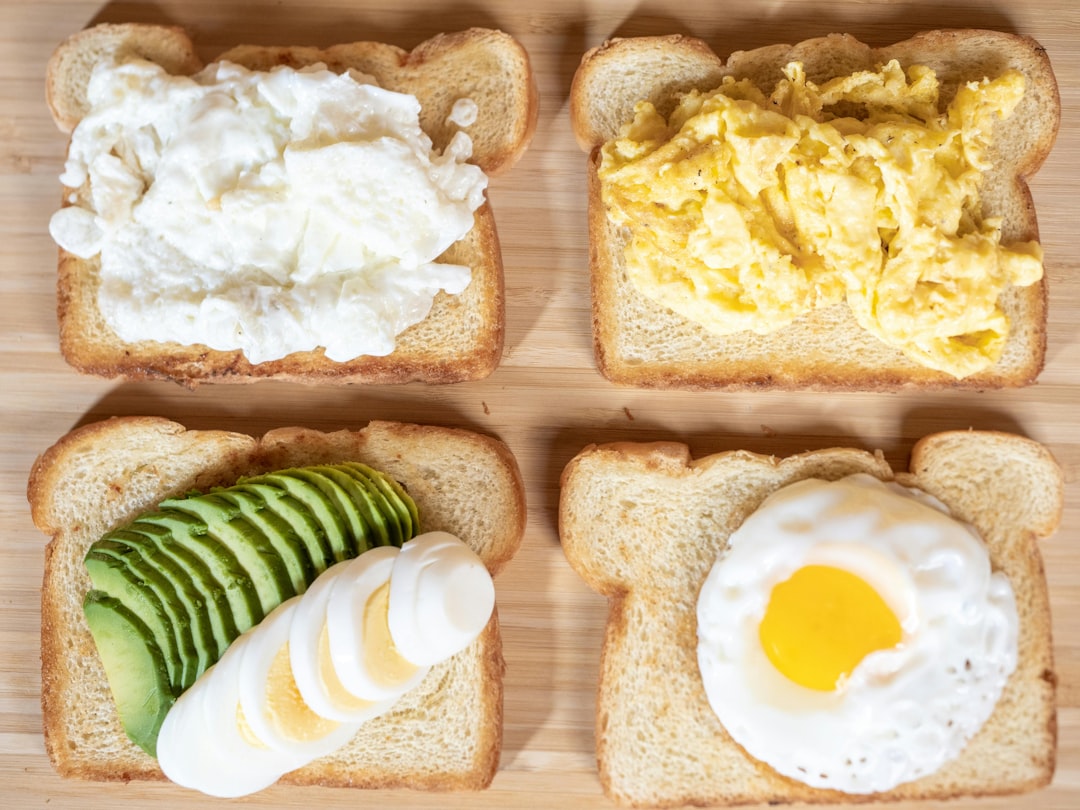
You stand at the precipice of a culinary mystery, a chasm in the annals of food history where two unassuming staples, butter and eggs, once reigned supreme, only to be cast into the shadows of dietary fear. For decades, perhaps even generations, you were told these were the cornerstones of a healthy diet, the very essence of flavor and sustenance. Then, almost imperceptibly at first, a whisper became a roar, and the narrative shifted, painting them as villains in the ongoing drama of human health. This isn’t a fairy tale; it’s a stark examination of how scientific understanding intersects with public perception, and how you, the consumer, found yourself caught in the crossfire.
Journey back in time, and you’ll find butter and eggs deeply embedded in the fabric of human civilization. Their ubiquity was not merely a matter of taste but of necessity, offering dense calories and vital nutrients in an era when food security was a far more pressing concern.
Butter: The Ubiquitous Fat of Yesteryear
Before the era of mass-produced vegetable oils, butter occupied an unassailable position in your ancestors’ kitchens. It was the fat of choice for sautéing, the richness in baked goods, and the luxurious spread on a slice of bread.
- Historical Significance: From ancient Roman feasts to medieval European staples, butter was a symbol of prosperity and a source of concentrated energy. You can picture it, a golden block, the product of countless hours of churning, representing a valuable commodity.
- Nutritional Perception: For centuries, butter was seen as a wholesome food. It was believed to impart strength and vitality, a belief not entirely unfounded given its caloric density. The idea that it could be detrimental to your health was largely unfathomable.
Eggs: The Perfect Protein Parcel
Consider the egg, a naturally packaged marvel. Its versatility is legendary, its nutritional profile impressive. For millennia, you and your ancestors relied on it as a readily available and complete food source.
- A Staple Across Cultures: From Asian stir-fries to European omelets, the egg transcends cultural boundaries. Its ability to bind, leaven, and emulsify made it an indispensable tool in the kitchen. You likely grew up with eggs for breakfast, a quick and satisfying meal.
- Early Nutritional Understanding: Early dietary advice lauded eggs for their protein content and affordability. They were a go-to for growing children and a source of sustained energy for manual laborers. The thought of limiting your egg intake would have seemed absurd to previous generations.
The fear surrounding butter and eggs can be traced back to various health campaigns and studies that have influenced public perception over the years. For a deeper understanding of this phenomenon, you can explore the article titled “The Rise and Fall of Butter and Eggs: A Nutritional Perspective” which discusses the changing attitudes towards these foods and the impact of dietary guidelines. To read more about this topic, visit here.
The Scientific Scrutiny: Seeds of Doubt Sow
As the 20th century progressed, the nascent field of nutritional science began its meticulous examination of food’s components. With the development of new analytical techniques, scientists could meticulously dissect the very molecules that comprised your diet, laying the groundwork for both profound advancements and unforeseen anxieties.
The Cholesterol Conundrum: A Red Flag Raised
The 1950s marked a pivotal turning point. Research on cardiovascular disease intensified, and a spotlight landed squarely on cholesterol, a waxy substance found in both your body and in certain foods.
- Ancel Keys and the Diet-Heart Hypothesis: You can trace a significant portion of this narrative back to the work of physiologist Ancel Keys. His “Seven Countries Study,” while influential, posited a strong correlation between dietary fat, particularly saturated fat, and heart disease. While the study itself has since faced considerable scrutiny regarding its methodology and interpretation, its initial impact on public health recommendations was immense.
- The Link to Saturated Fat: Butter, being rich in saturated fat, became a prime suspect. The prevailing scientific consensus began to suggest that consuming saturated fats raised levels of low-density lipoprotein (LDL) cholesterol, often dubbed “bad” cholesterol, which was then directly linked to atherosclerosis and heart attacks. This was the first seismic crack in the foundations of butter’s reputation.
Egg Yolks Under the Microscope: A Cholesterol Bomb?
Eggs, specifically their yolks, found themselves caught in the same crosshairs as butter due to their significant cholesterol content. The simple, elegant egg was now viewed with suspicion.
- Dietary Cholesterol Concerns: Despite the fact that the vast majority of cholesterol in your body is synthesized by your liver, and dietary cholesterol has a relatively minor impact on blood cholesterol levels for most individuals, the initial scientific pronouncements did not make this nuanced distinction clear. You were effectively told that if a food contained cholesterol, it directly contributed to your blood cholesterol.
- The “Limit Your Egg Intake” Mandate: Public health organizations, seeking to combat the rising tide of heart disease, began issuing recommendations to limit the consumption of eggs. For many years, you were advised to consume no more than three or four eggs per week, a seemingly arbitrary number that became gospel.
The Public Panic: A Golden Age Ends

The scientific findings, often amplified and simplified by the media, cascaded into a wave of public apprehension. You witnessed a tangible shift in how these once-revered foods were perceived, leading to widespread dietary changes and the rise of new industries.
The Butter Ban and the Margarine Movement
With butter demonized as a heart attack waiting to happen, you saw an exodus from the dairy aisle. Consumers, eager to protect their health, actively sought out alternatives.
- The Rise of Margarine: Margarine, often made from hydrogenated vegetable oils, was aggressively marketed as a “heart-healthy” alternative to butter. Despite containing trans fats, which would later be identified as far more detrimental than saturated fats, margarine was hailed as a savior. You were encouraged to swap your butter for this processed substitute, believing you were making a responsible choice.
- Cultural Shift in the Kitchen: Recipes were reformulated, cooking habits altered. The rich, unctuous flavor of butter became a guilty pleasure, replaced by the often less flavorful, more processed alternatives. This marked the end of butter’s unassailable reign in the average household.
The Egg Edict and the Breakfast Battle
The recommendations to limit egg consumption created a dietary dilemma, particularly for breakfast, a meal where eggs had long been a staple.
- The Cereal Revolution: Cereal companies seized the opportunity, marketing their often sugar-laden products as convenient and cholesterol-free breakfast options. You were presented with a stark choice: a cholesterol-laden egg or a “healthy” bowl of flakes.
- Egg White Enthusiasm: An entirely new market emerged for egg whites, with consumers discarding the “problematic” yolk and embracing the protein-rich, cholesterol-free white. This created a new culinary waste stream and a perception that only a fraction of the egg was truly beneficial.
The Paradigm Shift: Revisiting the Villains

Science, like a living organism, continually evolves. New research, refined methodologies, and a deeper understanding of human physiology began to challenge the long-held beliefs about butter and eggs. You are now witnessing a powerful counter-narrative emerge.
The Saturated Fat Scrutiny: A More Nuanced View
As the decades wore on, the initial, simplistic view of saturated fat began to unravel under the weight of more complex research.
- The Role of Context: You are now informed that not all saturated fats are created equal, and their effects are highly dependent on the dietary matrix in which they are consumed. The idea that a single nutrient, in isolation, dictates health outcomes has been largely debunked.
- Beyond LDL: HDL and Triglycerides: Scientists began to recognize the importance of high-density lipoprotein (HDL) cholesterol (“good” cholesterol) and triglycerides in assessing cardiovascular risk. Some saturated fats, particularly those found in dairy, have been shown to have a neutral or even beneficial effect on these markers. The simple “LDL bad, HDL good” narrative itself evolved.
- The Sugar Connection: Perhaps the most significant pivot has been the growing understanding of the role of refined carbohydrates and sugar in cardiovascular disease and metabolic syndrome. Many researchers now argue that the focus on saturated fat arguably distracted from the far more insidious impact of processed sugars and inflammatory vegetable oils on public health. You endured a misplaced blame for decades.
The Egg Redemption: A Nutritional Comeback
The long-maligned egg has undergone a remarkable scientific rehabilitation, shedding its villainous cloak and re-emerging as a nutritional powerhouse.
- Dietary Cholesterol Re-Evaluated: Groundbreaking research unequivocally demonstrated that for the vast majority of people, dietary cholesterol has a minimal impact on blood cholesterol levels. Your body, the ultimate regulator, adjusts its own cholesterol production based on intake. The rigid limits on egg consumption have been largely rescinded by major health organizations.
- A Nutrient-Dense Superfood: You are now actively encouraged to consume the whole egg, yolks and all. The yolk, once discarded, is now celebrated for its rich concentration of vitamins (A, D, E, B12), minerals (selenium, choline), and antioxidants (lutein, zeaxanthin). These nutrients are crucial for brain health, eye health, and overall well-being. The egg is no longer a “cholesterol bomb” but a “nutrient treasure chest.”
In recent years, the perception of butter and eggs has shifted dramatically, leading many to fear these once-beloved staples. This change can be traced back to various health studies and dietary trends that have painted these foods in a negative light. For a deeper understanding of this phenomenon, you can explore an insightful article that discusses the historical context and evolving attitudes toward these ingredients. Check out the article here to learn more about why we started fearing butter and eggs and how these perceptions have influenced our dietary choices.
The Economic and Cultural Aftermath: Picking Up the Pieces
| Metric | Data/Value | Explanation |
|---|---|---|
| Saturated Fat Content in Butter | 51 grams per 100 grams | High saturated fat was linked to increased cholesterol levels, leading to fear of butter consumption. |
| Cholesterol Content in Eggs | 186 mg per large egg | Eggs contain significant cholesterol, which was believed to raise blood cholesterol and heart disease risk. |
| Heart Disease Rates (mid-20th century) | Increased by 50% in Western countries | Rising heart disease rates led to scrutiny of dietary fats, including butter and eggs. |
| Dietary Guidelines Issued | 1977 US Dietary Goals | Recommended reducing saturated fat and cholesterol intake, contributing to fear of butter and eggs. |
| Public Perception Survey (1980s) | 70% believed butter and eggs were unhealthy | Widespread belief that these foods contributed to heart disease and obesity. |
The pendulum swing of dietary advice has left an indelible mark on food industries, consumer habits, and even culinary traditions. You, the consumer, have been subjected to a confusing and often contradictory stream of information.
Industry Adaptations and Innovations
Food manufacturers, ever responsive to consumer demand and scientific consensus, have had to adapt, sometimes in dramatic fashion.
- The Return of Butter (and Premium Varieties): Butter sales have rebounded dramatically, with consumers increasingly seeking out grass-fed and artisanal varieties, appreciating its natural, wholesome qualities. The market for high-quality butter is flourishing, a testament to its renewed popularity.
- The Egg Industry’s Rebirth: The egg industry has seen a resurgence, with an emphasis on animal welfare (cage-free, free-range) and the nutritional benefits of the whole egg. Marketing campaigns now highlight the egg’s nutrient density, a stark contrast to the fear-mongering of previous decades.
The Confused Consumer: Navigating the Nutritional Maze
Perhaps the most significant legacy of this dietary saga is the pervasive skepticism and confusion among consumers like yourself.
- Trust in Institutions Eroded: The dramatic shift in advice regarding fundamental food items has, for many, eroded trust in public health institutions and even scientific consensus. You might find yourself questioning the next dietary recommendation, wondering if it, too, will be overturned in a few years.
- The Quest for “Clean” Eating: This confusion has fueled various “clean eating” movements and a general distrust of processed foods, leading many to seek out whole, unprocessed ingredients. This, ironically, is a return to the very foods that were once demonized.
Lessons Learned: A Perilous Path to Dietary Wisdom
The story of butter and eggs is a cautionary tale, a powerful metaphor for the complexities of scientific discovery, public health communication, and the human propensity for both fear and resilience. What can you, as an informed individual, glean from this journey?
The Danger of Oversimplification
The inclination to distill complex scientific findings into easily digestible sound bites, while understandable for mass communication, often strips away vital nuance. You’ve experienced the consequences firsthand: a food, fundamentally good, was condemned through oversimplification.
- The “Good Food/Bad Food” Dichotomy: This binary thinking, where foods are either unequivocally good or unequivocally bad, often ignores the context of a balanced diet and individual physiological responses.
- The Halo vs. Horns Effect: Once a food is labeled “bad,” it’s incredibly difficult to reverse that perception, even in the face of compelling new evidence. The “horns” remain long after their scientific justification has vanished.
The Evolving Nature of Scientific Truth
Science is not static; it’s a dynamic pursuit of understanding, constantly refining its hypotheses and conclusions. What is accepted as truth today may be challenged and revised tomorrow.
- Embracing Nuance and Skepticism: You are encouraged to approach dietary advice with a healthy dose of critical thinking, understanding that scientific understanding is rarely absolute. Seek out information from multiple reputable sources and be wary of definitive statements that lack supporting evidence or nuance.
- The Importance of Longitudinal Research: The limitations of early epidemiological studies, which often focused on correlation rather than causation, have highlighted the need for more robust, long-term interventions and mechanistic research to truly understand the complex interplay between diet and health.
The Enduring Value of Whole, Unprocessed Foods
Perhaps the most enduring lesson is the wisdom of returning to basics. Before the advent of processed foods and the intricacies of nutritional science, your ancestors thrived on butter, eggs, and other whole foods.
- Back to the Roots: The rehabilitation of butter and eggs underscores the fundamental principle that whole, unprocessed foods, consumed in moderation and as part of a varied diet, are generally the healthiest choices.
- Individualized Nutrition: Ultimately, you are reminded that diet is not a one-size-fits-all proposition. What might be optimal for one individual may not be for another, highlighting the importance of listening to your own body and, where necessary, consulting with qualified health professionals.
You stand now in an era where the fear surrounding butter and eggs has largely dissipated, replaced by a renewed appreciation for their nutritional value. The journey to this point has been a circuitous one, fraught with scientific missteps, media sensationalism, and public anxiety. Yet, it offers a crucial lesson in the ever-unfolding narrative of food, health, and the continuous quest for dietary wisdom. The golden block and the perfect parcel have found their way back to your table, not as objects of fear, but as pillars of nourishing sustenance.
FAQs
1. Why did people start fearing butter and eggs?
People began fearing butter and eggs primarily due to concerns about their saturated fat and cholesterol content. In the mid-20th century, studies linked high intake of saturated fats and cholesterol to heart disease, leading to widespread dietary recommendations to limit these foods.
2. Were butter and eggs always considered unhealthy?
No, butter and eggs were traditionally staple foods and valued for their nutritional benefits. The fear surrounding them emerged mainly in the 1950s and 1960s when health authorities began associating saturated fats and cholesterol with cardiovascular risks.
3. What scientific evidence contributed to the fear of butter and eggs?
Early research, such as the Seven Countries Study, suggested a correlation between saturated fat intake and heart disease. Additionally, dietary guidelines recommended reducing cholesterol intake, which is high in eggs, contributing to their negative reputation.
4. Has recent research changed the perception of butter and eggs?
Yes, more recent studies have challenged earlier views, showing that moderate consumption of butter and eggs may not significantly increase heart disease risk for most people. Current guidelines often emphasize overall dietary patterns rather than focusing solely on individual foods.
5. What is the current advice regarding butter and egg consumption?
Current dietary advice encourages consuming butter and eggs in moderation as part of a balanced diet. Emphasis is placed on whole foods, healthy fats, and overall lifestyle rather than strictly avoiding these foods due to outdated fears.