The insidious phenomenon of labor trafficking casts a long shadow across Southeast Asia, an intricate web spun from economic disparities, systemic vulnerabilities, and often, a chilling disregard for human rights. This article delves into the complexities of this modern form of slavery, examining its prevalence, mechanisms, and the multifaceted challenges in its eradication. To fully grasp the gravity of this issue, one must peel back layers of seemingly legitimate economic activities to reveal the exploitation festering beneath.
Southeast Asia, a region characterized by rapid economic growth alongside persistent poverty, presents a fertile ground for labor trafficking. The interplay of several factors creates a unique environment where individuals, often desperately seeking opportunity, become susceptible prey for traffickers. You can learn more about the issue of shrimp slavery in this informative video.
Economic Disparities and the Lure of Opportunity
Within Southeast Asian nations, significant economic disparities exist between rural and urban areas, and between developing and more affluent states. This imbalance fuels a constant flow of internal and cross-border migration. Individuals from impoverished communities, lacking access to education and stable livelihoods, are often promised well-paying jobs in urban centers or neighboring countries. These promises, however, frequently turn into a mirage, leading them into situations of forced labor. The allure of a better life, a chance to escape the cycle of poverty, acts as a powerful motivator, clouding judgment and making individuals more susceptible to deceptive recruitment tactics.
Gaps in Legal and Regulatory Frameworks
Despite growing international awareness, the legal and regulatory frameworks addressing labor trafficking in many Southeast Asian countries remain inadequate or inconsistently enforced. Loopholes in labor laws, weak border controls, and a lack of specific legislation criminalizing various forms of exploitation create an environment where traffickers can operate with relative impunity. Even where laws exist, their implementation is often hampered by corruption, lack of resources, and insufficient training for law enforcement officials. This bureaucratic labyrinth provides a secure corridor for traffickers to move their victims undetected.
Social and Cultural Factors
Certain social and cultural norms can inadvertently contribute to vulnerabilities. For instance, the practice of informal recruitment through personal networks, while often benign, can be exploited by traffickers who leverage trust to ensnare victims. Gender inequality also plays a significant role, with women and girls disproportionately targeted for exploitation in industries such as domestic work, hospitality, and forced marriage, sometimes disguised as labor. Cultural beliefs around obedience or societal pressure to provide for one’s family can also be manipulated by traffickers to maintain control over their victims.
Labor trafficking remains a pressing issue in Southeast Asia, where vulnerable populations are often exploited for cheap labor in various industries. A related article that delves deeper into the complexities of this issue can be found at Hey Did You Know This. This resource provides insights into the factors contributing to labor trafficking and highlights the efforts being made to combat this human rights violation in the region.
Deceptive Recruitment and Exploitation Tactics
The methods employed by traffickers are diverse and constantly evolving, adapting to the vulnerabilities of their targets and the regulatory environment. Understanding these tactics is crucial for effective prevention and intervention.
The Promises of a Better Life: A False Horizon
Traffickers often initiate contact through seemingly legitimate channels, such as recruitment agencies, social media platforms, or trusted community members. They paint a vivid picture of high wages, excellent working conditions, and opportunities for personal growth. These promises are crafted to resonate with the specific needs and aspirations of the victims. For instance, those with limited education might be promised simple, lucrative jobs, while skilled workers might be enticed with positions matching their expertise but at significantly inflated salaries. The promises are the bait, skillfully designed to hook individuals who are desperate for upward mobility.
Debt Bondage and Psychological Manipulation
Once victims are lured, traffickers often employ debt bondage as a primary means of control. Exorbitant recruitment fees, travel costs, and
documentation expenses are levied, creating an inescapable financial burden. Victims are told they must work to repay these debts, which often
inflate over time, trapping them in a cycle of continuous labor. This financial leverage is frequently coupled with psychological manipulation.
Threats against the victim’s family, confiscation of passports and identity documents, isolation from external contact, and constant surveillance
are common tactics. These methods erode the victim’s self-worth and ability to resist, effectively creating a cage without bars.
Physical and Sexual Abuse
In many instances, the exploitation escalates to physical and sexual abuse. Victims, particularly women and children, often endure forced labor
under extremely harsh and hazardous conditions, sometimes without adequate food, rest, or medical care. The threat of violence, both against
themselves and their loved ones, is a constant companion. Sexual exploitation is particularly prevalent in certain sectors, where victims are
coerced into prostitution or sexually explicit acts, their bodies becoming commodities in a brutal market. This layer of abuse magnifies the
trauma and makes escape even more perilous.
Key Industries and Sectors Affected
Labor trafficking is not confined to a single industry but permeates various sectors across Southeast Asia, adapting its form to the demands of
the market.
Fishing and Seafood Industry
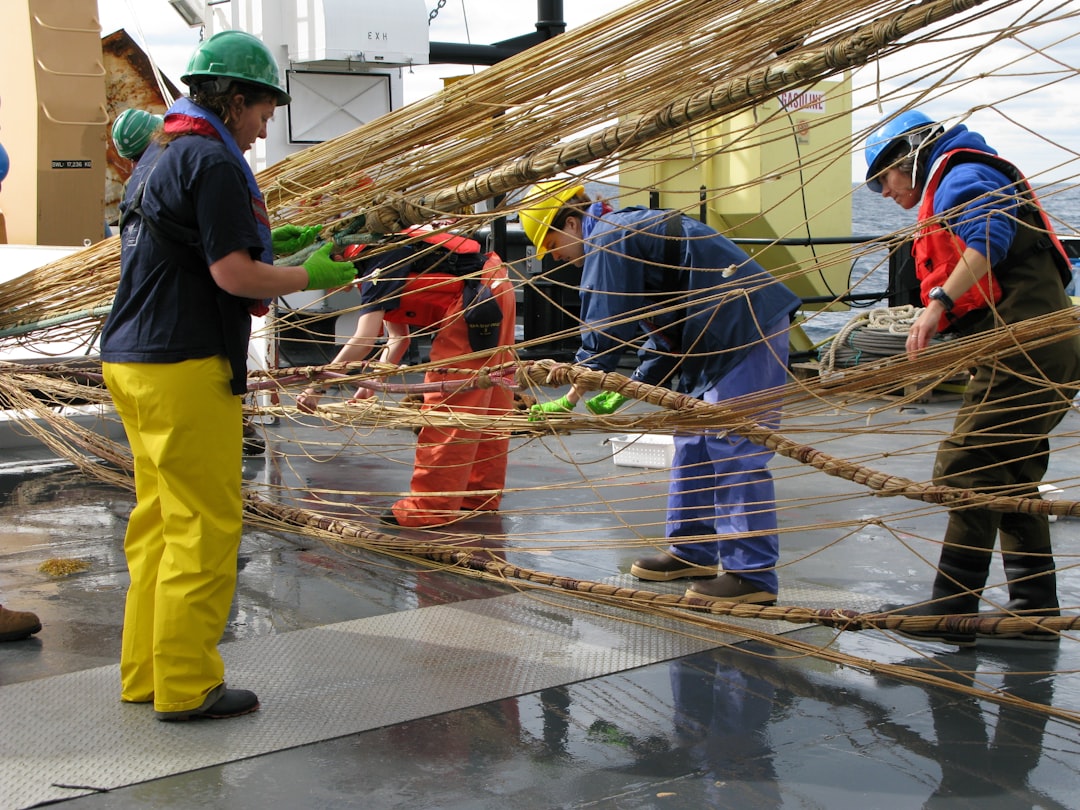
The fishing industry, particularly in countries like Thailand, Indonesia, and Myanmar, is notoriously susceptible to forced labor. Migrant
workers, often from impoverished communities, are recruited with false promises and then forced to work on fishing vessels for extended periods
at sea, sometimes for months or even years, without pay, proper food, or medical attention. They endure grueling hours, dangerous conditions, and
brutal treatment by captains and crew members. The isolation at sea makes escape virtually impossible, turning these vessels into floating
prisons. The seafood they catch often ends up in global supply chains, implicating consumers far beyond the region.
Construction and Manufacturing
The booming construction and manufacturing sectors in Southeast Asia also rely heavily on migrant labor, making them vulnerable to trafficking.
Workers are often recruited under false pretenses, facing deceptive contracts, withheld wages, and unsafe working environments. In construction,
the transient nature of projects and the demand for cheap labor create opportunities for traffickers. In manufacturing, particularly in garment
factories, workers may be subjected to excessive hours, abysmal living conditions, and exploitation under the guise of meeting production
targets. The demand for inexpensive goods often drives these exploitative practices.
Domestic Work and Hospitality
Domestic work, often considered informal and unregulated, is another significant sector where labor trafficking is rampant. Migrant domestic
workers, predominantly women, are often isolated in private homes, making them extremely vulnerable to abuse, long working hours, lack of rest,
and non-payment of wages. The private nature of the workplace makes oversight and intervention challenging. Similarly, the hospitality sector,
including hotels, restaurants, and entertainment venues, can be a front for forced labor, with workers coerced into servitude under the pretense
of legitimate employment.
Challenges in Eradicating Labor Trafficking
The fight against labor trafficking is fraught with challenges, requiring a multi-pronged approach and sustained commitment from all stakeholders.
Identification and Rescue
One of the primary challenges lies in identifying victims. Trafficked individuals are often too afraid to come forward due to threats, fear of
deportation, shame, or a lack of trust in authorities. They may not even recognize themselves as victims of trafficking, believing they are
simply enduring difficult employment conditions. The clandestine nature of trafficking, coupled with a lack of training for border officials, law
enforcement, and social service providers, further complicates identification efforts. It’s like finding a single drop of poison in a vast ocean.
Prosecution and Justice
Bringing traffickers to justice is a complex and often protracted process. Weak legal frameworks, corrupt officials, insufficient evidence, and
a lack of resources for investigations and prosecutions are significant hurdles. Victims, often traumatized and unable to provide consistent
testimony, may also be reluctant to participate in legal proceedings. Even when convictions are secured, the penalties may not be commensurate
with the severity of the crime, failing to act as a sufficient deterrent. This allows the architects of human misery to often evade meaningful accountability.
Victim Support and Reintegration
Beyond rescue, providing comprehensive support to victims is crucial. This includes safe shelter, medical and psychological care, legal
assistance, and vocational training to facilitate their reintegration into society. However, resources for such support are often limited, and
victims may face stigma, discrimination, and difficulties in rebuilding their lives. Without adequate support, victims are at high risk of re-trafficking, completing a cruel cycle of exploitation. The journey from victim to survivor is long and arduous, requiring constant care and understanding.
Labor trafficking remains a critical issue in Southeast Asia, where vulnerable populations are often exploited for cheap labor in various industries. A recent article highlights the alarming rise of such practices and the urgent need for comprehensive measures to combat this form of modern slavery. For more insights on this pressing topic, you can read the article here: labor trafficking in Southeast Asia. Understanding the complexities of this issue is essential for fostering awareness and promoting effective solutions.
Regional and International Responses
| Country | Estimated Number of Labor Trafficking Victims | Common Sectors Affected | Key Vulnerabilities | Government Response |
|---|---|---|---|---|
| Thailand | 10,000+ | Fishing, Construction, Agriculture | Migrant workers, Lack of legal protections | Anti-trafficking laws, victim support programs |
| Malaysia | 8,000+ | Plantations, Manufacturing, Domestic Work | Foreign migrant labor, Recruitment fees | Law enforcement crackdowns, awareness campaigns |
| Indonesia | 12,000+ | Fishing, Palm oil plantations, Domestic work | Debt bondage, Informal recruitment | Legislation updates, victim rehabilitation |
| Philippines | 7,000+ | Overseas domestic work, Construction | Economic hardship, Lack of regulation | Pre-departure orientation, bilateral agreements |
| Vietnam | 5,000+ | Manufacturing, Fishing, Construction | Rural poverty, Limited labor rights | Policy reforms, victim assistance |
Addressing labor trafficking effectively necessitates a concerted effort at both regional and international levels, recognizing that no
single nation can tackle this pervasive issue in isolation.
ASEAN’s Role and Initiatives
The Association of Southeast Asian Nations (ASEAN) has recognized the severity of labor trafficking and has taken steps to address it. Key
initiatives include the ASEAN Convention Against Trafficking in Persons, Especially Women and Children (ACTIP), which aims to provide a regional
legal framework for cooperation. ASEAN also facilitates dialogues and capacity-building programs among member states to enhance their ability to
combat trafficking. However, implementation across diverse national contexts remains a challenge, and the effectiveness of these initiatives
varies.
International Cooperation and Partnerships
International organizations such as the International Labour Organization (ILO), the United Nations Office on Drugs and Crime (UNODC), and
various non-governmental organizations (NGOs) play a vital role in combating labor trafficking in Southeast Asia. They provide technical
assistance, conduct research, raise awareness, and support victim protection programs. Bilateral and multilateral agreements between origin and
destination countries are also crucial for information sharing, coordinated law enforcement operations, and safe migration pathways. These partnerships are the bedrock upon which effective counter-trafficking strategies are built.
Supply Chain Due Diligence and Consumer Awareness
Increasingly, there is a global recognition that consumers and businesses have a role to play. Supply chain due diligence, requiring companies
to assess and mitigate risks of forced labor in their operations and supply chains, is gaining traction. Legislation in some Western countries
mandates such transparency. Consumers also have a powerful voice; by demanding ethically sourced products and supporting companies with robust
anti-slavery policies, they can collectively pressure industries to clean up their supply chains. This collective vigilance acts as a spotlight,
illuminating hidden corners where exploitation thrives.
In conclusion, labor trafficking in Southeast Asia is a multifaceted challenge, deeply rooted in economic imbalances, systemic vulnerabilities,
and complex social dynamics. While significant strides have been made in understanding and addressing the issue, the path to eradication remains
long and arduous. It demands sustained political will, stronger legal frameworks, enhanced law enforcement capacity, comprehensive victim
support, and robust international cooperation. Only through a collaborative and relentless effort can humanity hope to dismantle the chains of
modern slavery and ensure that no individual is ever again forced to trade their dignity for survival. The fight against labor trafficking is
not merely a legal or economic battle; it is a moral imperative, a commitment to upholding the fundamental human right to freedom and dignity.
FAQs
What is labor trafficking in Southeast Asia?
Labor trafficking in Southeast Asia involves the illegal recruitment, transportation, and exploitation of individuals through force, fraud, or coercion for labor purposes. Victims are often subjected to poor working conditions, unpaid wages, and restricted freedom.
Which countries in Southeast Asia are most affected by labor trafficking?
Countries such as Thailand, Malaysia, Indonesia, Cambodia, and Myanmar are among those most affected by labor trafficking due to factors like poverty, lack of education, and high demand for cheap labor in industries like fishing, agriculture, and construction.
What industries are commonly linked to labor trafficking in Southeast Asia?
Common industries linked to labor trafficking in Southeast Asia include fishing, agriculture, manufacturing, construction, domestic work, and hospitality. These sectors often rely on vulnerable migrant workers who may be exploited.
What are the main factors contributing to labor trafficking in Southeast Asia?
Key factors include poverty, lack of employment opportunities, weak law enforcement, corruption, and high demand for cheap labor. Additionally, migrants seeking better livelihoods are vulnerable to deceptive recruitment practices.
What measures are being taken to combat labor trafficking in Southeast Asia?
Governments and international organizations are working to strengthen laws, improve victim protection, increase awareness, and enhance cross-border cooperation. Efforts also include training law enforcement and providing support services to survivors.