
Improving Labor Standards in the Seafood Industry
The seafood industry, a vast and global enterprise, underpins the livelihoods of millions and provides a vital source of protein for populations worldwide. However, beneath the surface of this critical sector, a stark reality often exists: a prevalent disregard for fundamental labor standards. From fishing vessels navigating perilous waters to processing plants churning out products for consumers, the journey of seafood is frequently marred by exploitation, dangerous working conditions, and inadequate compensation. Addressing these deeply entrenched issues is not merely a matter of ethical concern; it is a necessity for the long-term sustainability and integrity of the industry, and for ensuring the human dignity of its workforce. This article explores the multifaceted challenges of improving labor standards in the seafood industry and examines potential solutions and strategies for creating a more equitable and just environment for its workers. You can learn more about the issue of shrimp slavery in this informative video.
The global seafood supply chain is a complex tapestry, intricately woven with countless threads stretching across continents and oceans. Within this intricate web, specific vulnerabilities have allowed exploitative labor practices to blossom, often shielded from public scrutiny. These practices are not isolated incidents but rather systemic issues that have become normalized in certain segments of the industry.
Low Wages and Excessive Working Hours
One of the most pervasive problems is the persistently low wage structure. Many seafood workers, particularly those at the most vulnerable points of the supply chain, earn wages that fall far below local living costs or international labor benchmarks. This economic precarity makes them susceptible to debt bondage and reliant on employers for basic necessities, creating a powerful leverage for exploitation. Coupled with low wages are often exorbitant working hours. Long days and weeks at sea, or in processing facilities, are frequently the norm, leaving workers exhausted and with little time for rest, personal well-being, or family life. The demanding nature of fishing, in particular, often necessitates continuous operation, blurring the lines between a workday and a life of constant toil. It is as if the clock on these workers’ lives is perpetually ticking, without punctuation for rest or rejuvenation.
Debt Bondage and Predatory Recruitment
Debt bondage is a particularly insidious form of exploitation that traps workers in cycles of servitude. Fishermen and processing plant employees may be lured into jobs with promises of fair wages and good conditions, only to find themselves burdened with exorbitant recruitment fees, inflated travel costs, or fabricated debts for food and accommodation. These debts, often impossible to repay from meager earnings, become a cage, binding them to their employers. Recruitment agents, operating in a largely unregulated space, often act as predators, preying on the economic desperation of individuals seeking employment. They may charge exorbitant fees for job placement, or worse, sell workers into situations of forced labor. This system creates a perpetual loop of dependence, where escape seems an insurmountable obstacle.
Dangerous and Unsafe Working Conditions
The inherent dangers of the fishing industry are well-documented. Working at sea exposes individuals to the unpredictable fury of nature, with risks of drowning, severe injuries from machinery, slips and falls, and exposure to harsh weather conditions. Many vessels are inadequately maintained, lacking proper safety equipment, and operated by captains who prioritize catch quotas over the well-being of their crew. In processing plants, workers face risks of repetitive strain injuries, exposure to hazardous chemicals, and injuries from fast-moving machinery. The lack of adequate training, protective gear, and regulatory oversight further amplifies these dangers, turning workplaces into potential minefields for unsuspecting workers.
Lack of Basic Rights and Protections
In many instances, seafood workers are denied fundamental rights that are considered standard in other industries. This includes the right to organize and collectively bargain for better conditions, the right to fair dismissal procedures, and access to grievance mechanisms. Many workers are employed informally, without written contracts, leaving them with little recourse when their rights are violated. This absence of a safety net transforms them into stateless individuals within the economic landscape, easily marginalized and overlooked.
The seafood industry faces ongoing challenges regarding labor standards, particularly in ensuring fair treatment and safe working conditions for its workforce. A related article that delves into these issues can be found at this link, where it explores the complexities of labor practices in seafood production and highlights the importance of ethical sourcing. By raising awareness about these labor standards, we can contribute to a more sustainable and equitable seafood industry.
Legislative and Regulatory Challenges
The global and often clandestine nature of the seafood industry presents significant hurdles for effective legislation and regulation. Ensuring that laws designed to protect workers are not just ink on paper but are actively enforced across diverse jurisdictions is a monumental task.
Jurisdictional Ambiguities and Flag of Convenience Vessels
A primary challenge lies in the jurisdictional ambiguities that plague international waters. Fishing vessels often operate under “flags of convenience,” registering in countries with lax labor laws and minimal oversight. This allows them to circumvent the regulations of the countries where their catch is landed or consumed. Identifying responsible parties and enforcing labor standards becomes incredibly complex when a vessel can sail under one nation’s flag, be owned by a company in another, and its crew composed of individuals from a third. This creates a legal labyrinth, where accountability can easily be lost. The flag of convenience becomes a shimmering mirage, obscuring the true location of responsibility and accountability.
Inadequate Enforcement Mechanisms
Even where legislation exists, enforcement is often weak. Many countries lack the resources, trained personnel, or political will to effectively monitor fishing fleets and processing plants. Inspections can be infrequent, superficial, and easily circumvented. Corrupt practices can further undermine enforcement efforts, with officials sometimes turning a blind eye to violations in exchange for bribes. Without robust and consistent oversight, labor laws become toothless, unable to protect the vulnerable.
The Global Supply Chain’s Opacity
The long and fragmented nature of the global seafood supply chain makes it challenging to track labor practices at every stage. From the initial catch to processing, distribution, and retail, multiple intermediaries are involved. Each has its own interests and obligations, and transparency is often sacrificed in favor of speed and cost-effectiveness. This opacity allows exploitative practices to thrive in the shadows, shielded from the light of consumer awareness and regulatory scrutiny. Tracing the origin of seafood becomes akin to untangling a spider’s web, with each strand representing a different actor and potential for hidden dangers.
The Influence of Industry Lobbying
Powerful industry lobbies can exert significant influence on legislative processes. Their considerable financial resources can be used to lobby governments against reforms that would impose stricter labor standards, arguing that such measures would increase costs and harm competitiveness. This political maneuvering can often stymie progress and perpetuate the status quo, even when the need for reform is evident.
Strategies for Improvement

Despite the formidable challenges, a range of strategies can be implemented to improve labor standards in the seafood industry. These require a multi-pronged approach involving governments, industry stakeholders, consumers, and non-governmental organizations (NGOs).
Strengthening Legislation and International Cooperation
Governments must enact and strengthen national legislation that aligns with international labor standards, such as those set by the International Labour Organization (ILO). This includes comprehensive regulations on working hours, wages, safety, and the prohibition of forced labor and child labor. Crucially, international cooperation is essential. Harmonizing regulations across borders and establishing mechanisms for mutual legal assistance will help to close loopholes exploited by flag of convenience vessels and facilitate the prosecution of offenders. This international collaboration is like building a bridge across treacherous waters, connecting disparate legal systems to create a unified front against exploitation.
Enhancing Transparency and Traceability
Implementing robust traceability systems throughout the supply chain is vital. Consumers have a right to know where their seafood comes from and under what conditions it was produced. Technologies such as blockchain can provide an immutable record of a seafood product’s journey, from catch to plate, allowing for greater accountability. This transparency acts as a powerful deterrent against illicit practices, shining an interrogative light on every step of the process. Mandating that all seafood products be accompanied by detailed information about their origin, fishing method, and labor conditions would empower consumers to make informed choices and exert pressure on the industry.
Empowering Workers and Unions
Supporting the formation and strengthening of independent trade unions is a critical strategy for empowering workers. Unions can act as a collective voice for workers, negotiating for better wages, working conditions, and safety standards. Governments and industry should actively facilitate unionization and protect workers from retaliation. Providing accessible and confidential channels for workers to report grievances without fear of reprisal is also essential. Imagine a choir where each voice is amplified by the collective sound, capable of reaching those in power with a unified message.
Promoting Responsible Business Practices and Certifications
Industry players have a significant role to play in driving positive change. Companies should adopt voluntary codes of conduct that explicitly outline their commitment to fair labor practices and human rights. This commitment must be backed by meaningful due diligence processes to identify and address risks within their supply chains. Responsible business practices can be further encouraged through credible third-party certification schemes. While not a panacea, certifications that rigorously assess labor standards can provide a market advantage for companies committed to ethical sourcing and signal responsible choices to consumers. However, these certifications must be robust and independently audited, avoiding the pitfalls of mere greenwashing.
The Role of Consumers and Civil Society
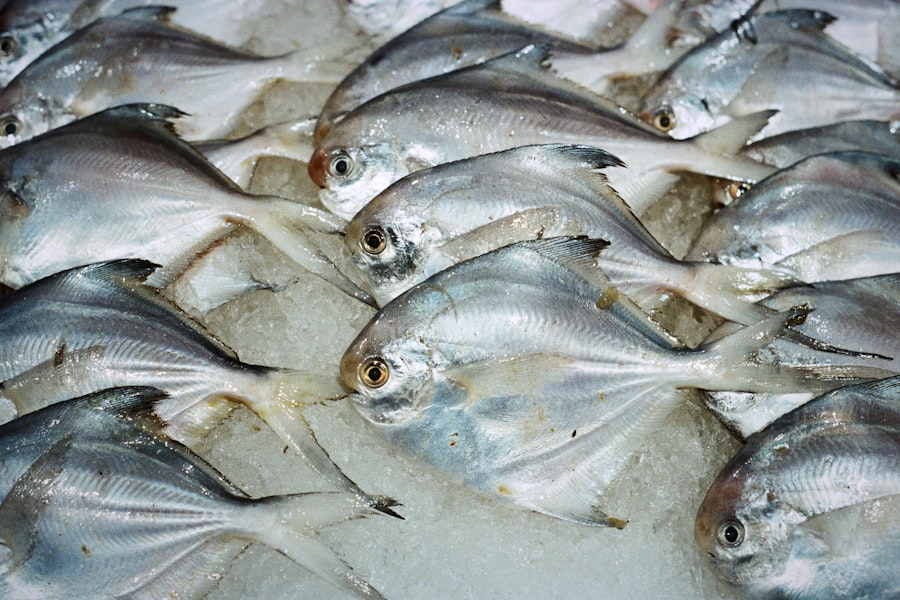
The purchasing power of consumers, coupled with the advocacy of civil society organizations, can be a potent force for change in the seafood industry. By making informed choices and demanding accountability, individuals and groups can exert significant pressure on both businesses and governments.
Educated Consumer Choices
Consumers are increasingly aware of the social and environmental impact of their purchasing decisions. Providing accessible and reliable information about the labor practices associated with different seafood products empowers consumers to make choices that align with their values. This includes understanding “best before” dates, but extends to understanding the human stories behind the food on their plates. Campaigns that educate consumers about the realities of labor exploitation in the seafood industry, and highlight companies with strong ethical sourcing policies, can drive demand for responsibly produced seafood. This informed consumerism acts as a silent but powerful auditor.
Supporting Advocacy Groups and NGOs
Non-governmental organizations (NGOs) play a crucial role in investigating labor abuses, raising public awareness, and advocating for policy reforms. Supporting these organizations through donations or volunteering amplifies their impact and provides them with the resources to continue their vital work. These groups often act as the eyes and ears on the ground, uncovering abuses that might otherwise remain hidden. Their relentless pursuit of justice can be the spark that ignites broader reform.
Boycotts and Public Pressure Campaigns
In cases of persistent and egregious labor abuses, consumer boycotts and public pressure campaigns can be effective tools for forcing companies to change their practices. When consumers collectively withdraw their purchasing power and publicly call out unethical behavior, businesses are often compelled to respond to protect their brand reputation and market share. This collective action can be a powerful lever for change, demonstrating that consumers will not tolerate the exploitation of workers.
In recent discussions about labor standards in the seafood industry, it’s crucial to consider the broader implications of working conditions for those involved in this sector. A related article highlights the ongoing challenges faced by workers and the need for improved regulations to ensure fair treatment and safety. For more insights into this pressing issue, you can read the article here: labor standards in the seafood industry. Addressing these concerns is essential for promoting ethical practices and sustainability within the industry.
The Future of Sustainable and Ethical Seafood
| Metric | Description | Typical Value / Range | Source / Standard |
|---|---|---|---|
| Maximum Working Hours per Week | Maximum allowable working hours including overtime | 48-60 hours | ILO Convention No. 175 |
| Minimum Rest Period | Minimum rest hours between shifts | 11 consecutive hours per 24-hour period | ILO Maritime Labour Convention |
| Minimum Age for Employment | Minimum legal age to work in seafood processing or fishing | 15-18 years | ILO Convention No. 138 |
| Wages and Compensation | Fair wage standards and timely payment | Varies by country; must meet living wage criteria | Fair Labor Association, Seafood Watch |
| Health and Safety Incidents | Reported injuries or accidents per 100 workers annually | 5-15 incidents | OSHA, Seafood Industry Reports |
| Freedom of Association | Workers’ right to join unions and bargain collectively | Recognized in compliant operations | ILO Convention No. 87 & 98 |
| Forced Labor Incidents | Reported cases of forced or bonded labor | 0 in compliant supply chains | Global Slavery Index, NGO Reports |
| Child Labor Incidents | Reported cases of child labor in seafood industry | 0 in compliant supply chains | ILO, UNICEF |
The pursuit of improved labor standards in the seafood industry is inextricably linked to the broader goal of sustainability. A truly sustainable seafood industry must not only protect marine ecosystems but also uphold the human dignity and fair treatment of all those who work within it.
The Interconnectedness of Environmental and Labor Sustainability
Poor labor conditions can often be a symptom of broader systemic issues within the industry, including unsustainable fishing practices and a lack of respect for regulations. When workers are underpaid and exploited, there is less incentive to adhere to environmental quotas or invest in sustainable fishing gear. Conversely, environments where workers are well-treated, fairly compensated, and have a voice in their workplaces are more likely to foster a culture of responsibility that extends to environmental stewardship. It is a symbiotic relationship, where the well-being of one is a precursor to the health of the other.
Innovation and Technology for Ethical Practices
Technological advancements offer promising avenues for improving labor conditions. Innovations in vessel design can enhance safety, while improved processing technologies can reduce the risk of injuries. Furthermore, digital platforms are emerging that connect producers directly with consumers, potentially cutting out exploitative intermediaries and ensuring fairer prices for both. The responsible application of technology can act as a beacon, guiding the industry towards a more ethical future.
A Call to Action for a Just Industry
Ultimately, creating a seafood industry that upholds strong labor standards requires a sustained and collective commitment from all stakeholders. It demands vigilance from regulatory bodies, responsibility from businesses, awareness from consumers, and advocacy from civil society. The journey towards a truly ethical and sustainable seafood industry is a long one, but it is a journey worth undertaking. By ensuring that every worker in this vital sector is treated with dignity and fairness, we not only improve lives but also strengthen the very foundations of the global food system. The future of seafood depends on our willingness to look beyond the plate and address the human cost involved in bringing it to our tables.
FAQs
What are labor standards in the seafood industry?
Labor standards in the seafood industry refer to the set of regulations and practices designed to ensure fair treatment, safe working conditions, and adequate wages for workers involved in seafood harvesting, processing, and distribution.
Why are labor standards important in the seafood industry?
Labor standards are important because they protect workers from exploitation, hazardous conditions, and unfair pay. They also promote ethical sourcing and help consumers make informed choices about the seafood they purchase.
What are common labor issues faced by workers in the seafood industry?
Common labor issues include forced labor, child labor, unsafe working environments, excessive working hours, lack of proper safety equipment, and inadequate wages.
How are labor standards enforced in the seafood industry?
Labor standards are enforced through a combination of national labor laws, international agreements, industry certifications, third-party audits, and monitoring by non-governmental organizations.
What role do certifications play in promoting labor standards in seafood?
Certifications such as the Fair Trade Seafood label or the Responsible Fisheries Management certification help ensure that seafood products are sourced from operations that comply with established labor standards, promoting transparency and accountability in the supply chain.