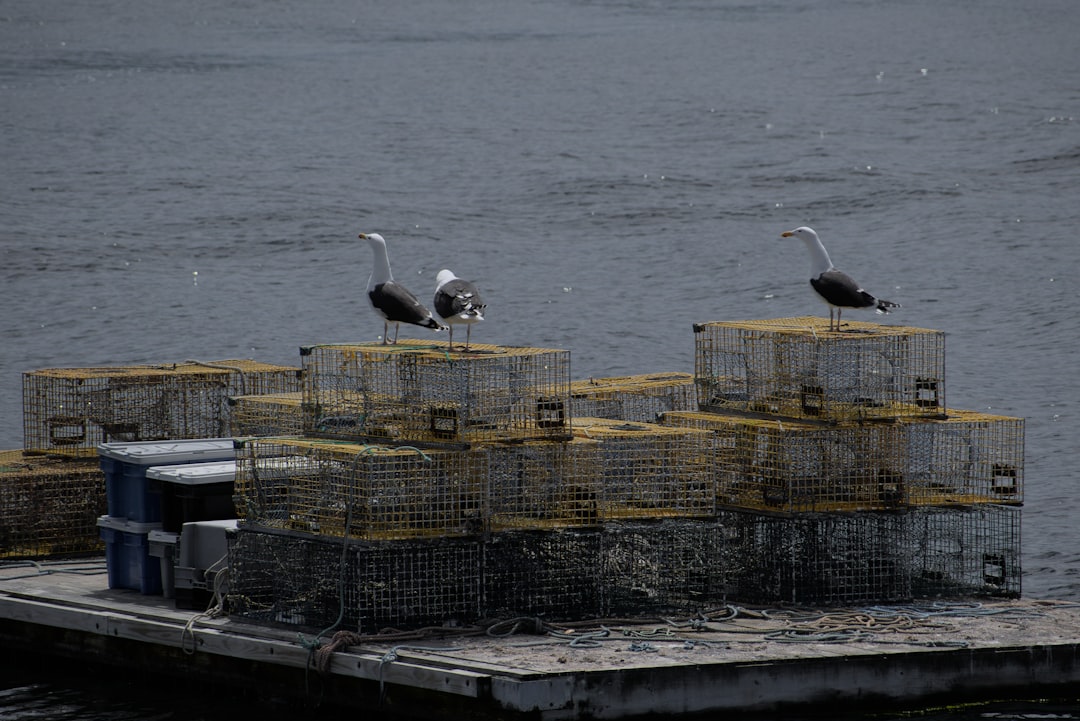
The intricate web of the global seafood industry, a leviathan of commercial enterprise, often casts a long and shadowy wake, revealing disturbing patterns of corporate complicity in unethical and illegal practices. This complicity, a silent partner to environmental degradation and human rights abuses, manifests in various forms, from overt involvement to passive acquiescence, and its ramifications ripple across ecosystems and communities worldwide. Understanding this complex phenomenon requires a forensic examination of its multiple facets, much like dissecting a tangled fishing net to identify the snags and tears.
Illicit, unreported, and unregulated (IUU) fishing, a pervasive and destructive force, represents a significant proportion of global fisheries catches, estimated to be between 11 and 26 million tons annually. This illegal enterprise, a relentless plunder of marine resources, is often facilitated by or directly linked to corporate entities, ranging from multinational seafood processors to smaller, but equally culpable, trading companies. The financial incentives for such practices are immense, but the true cost is borne by the oceans and the vulnerable populations caught in this relentless pursuit of profit. You can learn more about the issue of shrimp slavery in this informative video.
Deceptive Practices in Supply Chains
One of the primary mechanisms through which corporations become complicit in IUU fishing is through opaque and deliberately nebulous supply chains. These chains, often sprawling across continents, act as a veil, obscuring the origins of fish and effectively laundering illegally caught seafood into legitimate markets. Imagine trying to trace a single drop of water in a vast ocean; such is the challenge of verifying the provenance of many seafood products. This opacity allows companies to turn a blind eye to the source of their raw materials, conveniently absolving themselves of responsibility while reaping the financial rewards of cheaper, illegally sourced products.
- Ghost Fleets and Flag State Evasion: Corporations may operate or finance “ghost fleets” – vessels that intentionally obscure their identity, flag, or fishing activities, often operating under flags of convenience that offer minimal oversight. This practice is akin to a car thief altering license plates to evade detection, making it exceedingly difficult for enforcement agencies to track and apprehend them.
- Transshipment at Sea: The practice of transshipping catch from fishing vessels to refrigerated cargo vessels at sea further complicates traceability. This act, often occurring far from watchful eyes, effectively blurs the lines between legal and illegal hauls, offering an ideal conduit for illicitly caught fish to enter legitimate supply chains unnoticed.
- Document Forgery and Mislabeling: The deliberate falsification of landing declarations, catch certificates, and other official documents is a common tactic. This culinary deception misrepresents species, origin, and even weight, allowing illegally caught or under-regulated fish to masquerade as legal products.
Human Rights Violations as a Byproduct
The pursuit of illicit profits in the seafood industry often comes at a devastating human cost. Forced labor, human trafficking, and perilous working conditions are disturbingly prevalent, particularly in segments of the industry linked to IUU fishing. These abuses, a dark undercurrent to the sleek veneer of global seafood markets, are not merely incidental but are often systemic within operations seeking to minimize costs at any expense.
- Debt Bondage and Trafficking: Migrant workers, often from impoverished regions, are lured with false promises, only to find themselves trapped in debt bondage, subjected to exploitation, and denied basic human rights. Their passports are confiscated, wages withheld, and they are frequently subjected to physical and psychological abuse, effectively becoming modern-day slaves in a floating prison.
- Dangerous Working Conditions: Life aboard fishing vessels can be inherently hazardous, but in unregulated and illicit operations, safety protocols are often nonexistent. Overworked crews, dilapidated vessels, and inadequate safety equipment contribute to a high incidence of accidents, injuries, and fatalities. For many, the ocean, a source of livelihood, becomes a watery grave.
- Lack of Recourse: Victims of such abuses often face insurmountable barriers to seeking justice. Isolated at sea for extended periods, without access to communication or legal aid, their voices are effectively silenced, their pleas unheard by the wider world.
The issue of corporate complicity in the seafood industry has garnered significant attention, particularly in relation to sustainability and ethical practices. A related article that delves into this topic can be found at Hey Did You Know This, which explores how major corporations often turn a blind eye to the environmental and social impacts of their supply chains. This article highlights the urgent need for transparency and accountability in the seafood sector, urging consumers to be more informed about the origins of their seafood choices.
The Erosion of Environmental Integrity
Beyond the human toll, corporate complicity in the seafood industry inflicts profound and often irreversible damage on marine ecosystems. The relentless pursuit of profit, unconstrained by ethical considerations or legal boundaries, acts as a corrosive agent, slowly dissolving the delicate balance of ocean life.
Overfishing and Stock Depletion
IUU fishing, often driven by corporate demand for specific species, is a primary driver of overfishing. This insatiable appetite for marine protein acts like a relentless vacuum cleaner, stripping the oceans of their biological wealth, pushing many fish stocks to the brink of collapse.
- Targeting Endangered Species: The profitability of lucrative, but often endangered, species like bluefin tuna or certain shark species fuels illegal fishing operations. Corporations, either directly or through intermediaries, create the demand that incentivizes these destructive practices, acting as the ultimate market for these depleted resources.
- Destruction of Critical Habitats: Illegal fishing methods often employ destructive gear, such as bottom trawls in sensitive areas or dynamite fishing, which indiscriminately obliterate entire marine ecosystems, including coral reefs and seagrass beds, the nurseries of the sea.
- Bycatch and Discard: Unregulated fishing operations often have high rates of bycatch – the unintentional capture of non-target species. A significant portion of this bycatch, which can include marine mammals, seabirds, and juvenile fish, is discarded back into the ocean, often dead or dying, representing a colossal waste of marine life.
Pollution and Ecosystem Degradation
The environmental cost of corporate complicity extends beyond the depletion of fish stocks. Unregulated fishing often goes hand-in-hand with environmental neglect, turning parts of the ocean into open dumping grounds.
- Plastic Pollution from Gear: Lost or discarded fishing gear, often referred to as “ghost gear,” constitutes a significant source of marine plastic pollution. These nets, lines, and traps continue to indiscriminately catch and kill marine life long after they are abandoned, acting as silent predators in the deep.
- Fuel Dumping and Oil Spills: Vessels operating illegally often disregard environmental regulations, leading to practices such as the illegal dumping of fuel, lubricants, and other hazardous waste at sea, polluting vital marine habitats and impacting marine organisms.
- Impact on Biodiversity: The combined effects of overfishing, habitat destruction, and pollution significantly reduce overall marine biodiversity, weakening the resilience of ecosystems and making them more susceptible to further shocks, such as climate change.
The Role of Consumers and Responsible Sourcing
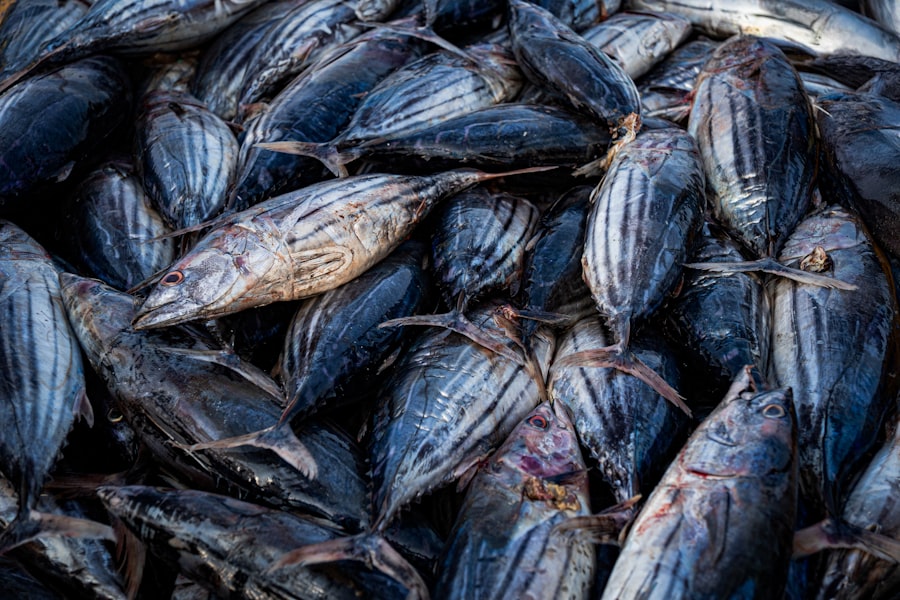
As the final link in the seafood supply chain, consumers hold a surprisingly potent, yet often underestimated, power. The choices made at the supermarket or restaurant can send ripples through the industry, creating demand for ethically and sustainably sourced products, much like a single vote contributing to a political shift.
Demanding Traceability and Transparency
A critical step in combating corporate complicity is to demand complete traceability from catch to plate. Consumers should look for clear labeling that indicates the species, origin, fishing method, and relevant certifications.
- Certification Schemes: Independent certification schemes, such as those offered by the Marine Stewardship Council (MSC) or the Aquaculture Stewardship Council (ASC), provide a degree of assurance that seafood has been sustainably and responsibly sourced. While not without their limitations, these schemes offer a starting point for informed consumer choices.
- Blockchain Technology: Emerging technologies like blockchain hold immense promise in enhancing traceability throughout the supply chain. By creating an immutable and transparent ledger of transactions, blockchain could provide consumers with unprecedented assurance about the origin and journey of their seafood, much like a digital fingerprint for every fish.
- Asking Critical Questions: Consumers should not hesitate to ask retailers and restaurants about the provenance of their seafood. Simple questions about where and how the fish was caught can put pressure on businesses to be more transparent and accountable.
Supporting Ethical Businesses
Actively seeking out and supporting businesses that demonstrate a genuine commitment to ethical sourcing and sustainability can create a market incentive for responsible practices. This conscious consumerism, a quiet rebellion against unethical practices, rewards those who do good while sending a clear message to those who do not.
- Local and Sustainable Options: Prioritizing local, sustainably caught seafood, where available, can reduce the length and complexity of supply chains, making it easier to verify ethical practices. Supporting local artisanal fisheries can also empower communities that often bear the brunt of industrial-scale exploitation.
- Avoiding “Red List” Species: Familiarizing oneself with seafood “red lists” – species that are overfished, caught using destructive methods, or subject to widespread illegal fishing – and consciously avoiding them can significantly reduce demand for problematic products.
- Advocacy and Awareness: Engaging in advocacy, supporting NGOs working on seafood ethics, and raising awareness among friends and family can amplify the collective voice for change, pushing for stronger regulations and corporate accountability.
Addressing Corporate Accountability and Governance
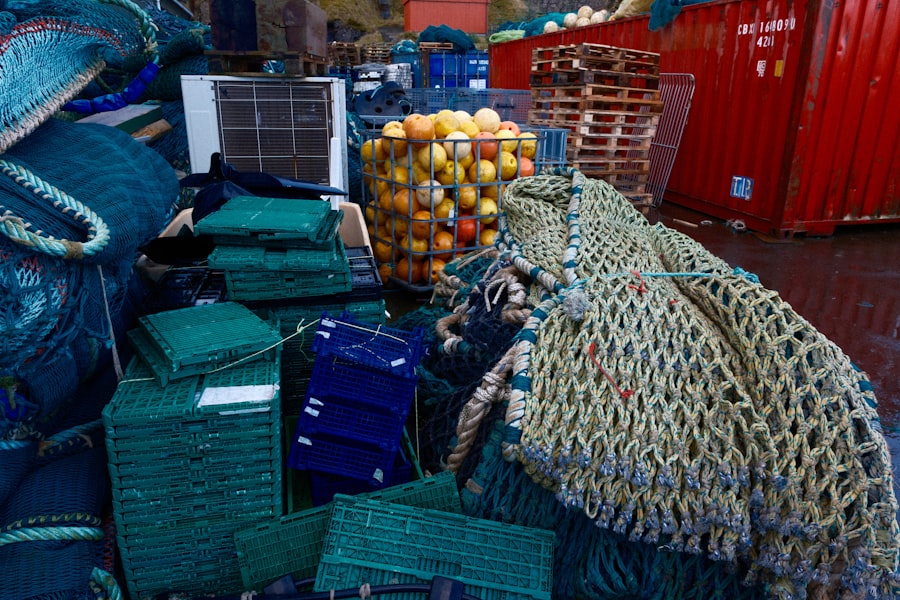
Ultimately, systemic change requires a robust framework of corporate accountability and effective governance at both national and international levels. Without such safeguards, the pursuit of profit will continue to trump ethical considerations, much like a runaway train derailing from its tracks.
Stronger Regulations and Enforcement
Governments play a pivotal role in creating and enforcing robust regulations that deter IUU fishing and human rights abuses. This involves strengthening national laws, increasing surveillance capabilities, and imposing meaningful penalties on violators.
- Port State Measures Agreement (PSMA): The PSMA, an international treaty, aims to prevent IUU fishing products from entering legal markets by denying entry to, or inspecting, vessels suspected of illegal activities at designated ports. Universal ratification and rigorous enforcement of this agreement are crucial.
- Enhanced Surveillance Technologies: Utilizing satellite monitoring, drones, and other advanced technologies can significantly improve the ability to detect and track illegal fishing vessels, transforming the vastness of the ocean into a more transparent domain.
- Cross-Border Cooperation: Given the transnational nature of IUU fishing, international cooperation between law enforcement agencies, customs officials, and fisheries management bodies is essential for effective prosecution and deterrence.
Corporate Due Diligence and Transparency Laws
Legislation requiring companies to conduct thorough due diligence throughout their supply chains and to publicly disclose their sourcing practices is a powerful tool for driving corporate accountability.
- Mandatory Human Rights Due Diligence: Laws requiring companies to assess and address human rights risks within their supply chains, with consequences for non-compliance, can help to tackle forced labor and other abuses. This shifts the burden of proof onto corporations, compelling them to police their own operations.
- Supply Chain Transparency Acts: Legislation that mandates the disclosure of information about a company’s supply chain partners and the origin of their products can shine a spotlight on hidden complicity, much like illuminating a dark corner in a vast warehouse.
- Whistleblower Protection: Robust protections for whistleblowers – individuals who expose illegal or unethical practices within corporations – are crucial for bringing hidden abuses to light without fear of reprisal.
International Cooperation and Governance
The global nature of the seafood industry necessitates coordinated international efforts to combat corporate complicity. No single nation can tackle this issue alone; it requires a symphony of collaborative action.
- Regional Fisheries Management Organizations (RFMOs): These international bodies are responsible for managing fish stocks in specific regions of the high seas. Strengthening their mandates, increasing their enforcement powers, and ensuring transparent decision-making are vital for sustainable fisheries management.
- Multilateral Agreements and Conventions: International conventions, such as the UN Convention on the Law of the Sea (UNCLOS), provide the legal framework for ocean governance. Upholding and enforcing these agreements is fundamental to addressing violations.
- Capacity Building: Providing technical assistance and financial support to developing nations, particularly those with limited resources for fisheries management and enforcement, is essential for creating a level playing field in the fight against IUU fishing and corporate complicity.
In conclusion, corporate complicity in the seafood industry represents a multifaceted global issue, a complex Gordian knot of environmental degradation and human rights abuses intertwined with intricate supply chains and pervasive financial incentives. Addressing this challenge demands a comprehensive and collaborative approach, involving heightened consumer awareness, reinforced government regulations, and a profound shift in corporate ethics towards genuine accountability and transparency. The ocean, a vital life source, and the vulnerable communities dependent on it, deserve nothing less than our unwavering commitment to sustainable and ethical practices. The future of marine ecosystems and the livelihoods of millions hang in the balance, a precarious equilibrium threatened by continued corporate indifference and inaction.
FAQs
What does corporate complicity in the seafood industry mean?
Corporate complicity in the seafood industry refers to the involvement or indirect support of companies in unethical or illegal practices, such as labor abuses, environmental harm, or illegal fishing, through their supply chains or business operations.
Which unethical practices are commonly associated with the seafood industry?
Common unethical practices include forced labor, human trafficking, overfishing, habitat destruction, illegal, unreported, and unregulated (IUU) fishing, and lack of transparency in supply chains.
How do corporations become complicit in these unethical practices?
Corporations may become complicit by sourcing seafood from suppliers who engage in illegal or unethical activities, failing to conduct proper due diligence, or ignoring warning signs within their supply chains.
What are the consequences of corporate complicity in the seafood industry?
Consequences include damage to company reputation, legal penalties, loss of consumer trust, negative environmental impacts, and perpetuation of human rights abuses.
What measures can companies take to avoid complicity in unethical seafood practices?
Companies can implement strict supply chain audits, adopt transparent sourcing policies, collaborate with certification programs, engage in third-party monitoring, and commit to ethical labor and environmental standards.