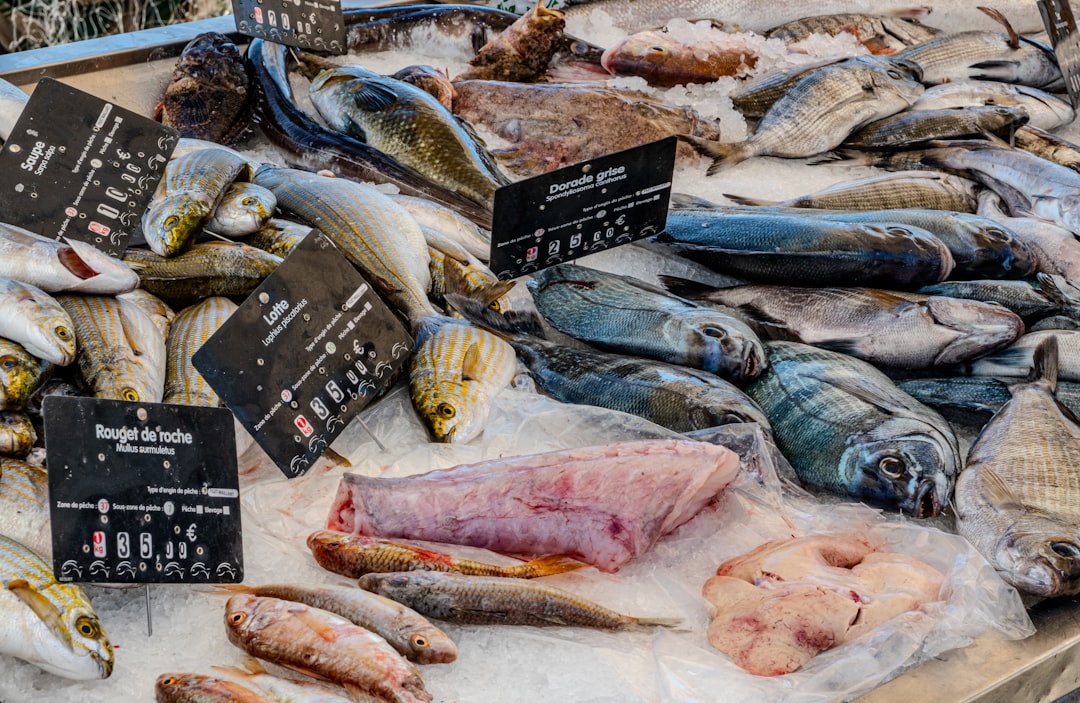
The allure of a “sustainable” seafood label on a restaurant menu or grocery store shelf promises more than just a meal; it suggests a conscious choice, a vote for the health of our oceans and the longevity of marine ecosystems. For years, consumers have placed their trust in these certifications, believing them to be vigilant guardians of responsible fishing practices. However, recent investigations and mounting evidence reveal a disturbing reality: the very systems designed to ensure sustainability are being exploited, creating a façade of integrity that masks widespread fraud. This exposé delves into the intricate web of deceit that has infiltrated sustainable seafood certification, undermining consumer confidence and leaving the marine environment vulnerable.
The Promise and the Peril of Certification
Sustainable seafood certification schemes, such as the Marine Stewardship Council (MSC) and Aquaculture Stewardship Council (ASC), emerged as vital tools in the fight against overfishing, habitat destruction, and unsustainable bycatch. They offered a beacon of hope, allowing consumers to navigate the complex seafood market and make informed choices that aligned with their values. The core principle was simple: fishers and aquaculture operations would undergo rigorous assessments to meet stringent environmental criteria. Successful participants could then proudly display the recognized certification logos, signaling their commitment to responsible practices. You can learn more about the issue of shrimp slavery in this informative video.
The Genesis of Trust: How Certifications Were Meant to Work
The foundational premise of these certifications was built on independent auditing. Accredited third-party auditors were tasked with evaluating fishing fleets and aquaculture farms against pre-defined sustainability standards. These standards typically covered aspects such as the health of fish stocks, the impact on marine habitats, and the effectiveness of management systems. A successful audit would lead to the granting of a certification, allowing the certified product to carry the coveted eco-label. This trust was the bedrock upon which consumer confidence was built. The labels acted as a shorthand, a powerful communication tool that bypassed the need for consumers to become marine biologists themselves.
Cracks in the Foundation: The Exploitation of the System
However, like a meticulously built dam that eventually succumbs to a multitude of unseen fissures, the certification systems have shown vulnerabilities. The ambition of scaling up sustainable seafood to meet growing global demand, coupled with the inherent complexities of auditing vast and often remote marine operations, has created fertile ground for exploitation. The pursuit of certifications, often driven by market access and premium pricing, has, in some instances, incentivized a culture of compliance over genuine commitment to sustainability. This has led to a range of fraudulent activities, from misrepresenting data to outright bribery, all designed to secure and maintain certifications without adhering to their spirit or letter.
The Mechanisms of Deception: How Fraud Takes Root
The journey from a fraudulent claim to a certified product on a supermarket shelf is often a convoluted one, involving multiple actors and intricate methods of deception. These schemes rarely operate in a single, overt act of dishonesty. Instead, they are often characterized by a slow erosion of integrity, a subtle manipulation of processes that, over time, allows unsustainable practices to wear the mantle of sustainability. Understanding these mechanisms is crucial to appreciating the depth of the problem.
Data Manipulation: The Art of the Falsified Report
One of the most insidious forms of fraud involves the manipulation of data. Certification audits rely heavily on the information provided by the fishing operators themselves. This can include catch volumes, fishing effort, bycatch rates, and environmental monitoring data. In cases of fraud, this data can be doctored, selectively reported, or outright fabricated. For example, fishing logs might be altered to underreport catches of non-target species (bycatch) or to disguise the use of destructive fishing gear. Similarly, data on the health of fish stocks might be presented in a way that exaggerates their resilience or downplays the impact of fishing. This is akin to a student presenting a doctored report card; the outward appearance is one of success, but the underlying reality is one of academic failure.
The Role of Auditors and Certifiers: Compromises and Conflicts
The integrity of any certification system hinges on the impartiality and diligence of its auditors and the certifiers who grant the seals of approval. Unfortunately, revelations have emerged that point to compromised auditing processes and inherent conflicts of interest within the certification bodies themselves, creating blind spots or, in more egregious cases, active complicity. These are the very gatekeepers whose job it is to ensure authenticity, and their failures are critical to the breakdown of trust.
Conflicts of Interest: The Tainted Scales of Justice
A significant concern revolves around potential conflicts of interest. Auditors are often contracted by the very companies they are supposed to be assessing. This economic dependency can create an environment where auditors may feel pressure, overt or subtle, to overlook minor infractions or to present findings in a more favorable light to secure future contracts. The certifiers, in turn, rely on the audit reports. If these reports are compromised, the entire certification process is tainted. The adage of “the fox guarding the henhouse” takes on a chilling new meaning in this context. Some argue that the business model of certification itself, where auditees pay for the audits, creates an inherent conflict that is difficult to overcome, even with the best intentions.
The Ghost in the Audit: Inadequate Fieldwork and Reporting
Beyond direct conflicts of interest, there have been documented instances of auditors failing to conduct thorough fieldwork or to adequately scrutinize the provided data. This can manifest as superficial site visits, reliance on readily available information without independent verification, or a perfunctory review of documentation. The result is a certification granted based on a flawed or incomplete assessment. This is like inspecting a building by merely looking at its blueprints and refusing to step inside to check for structural integrity. The visible façade may appear sound, but the underlying foundations could be crumbling. Furthermore, reporting mechanisms within some certification bodies have been criticized for lacking transparency and for being slow to address allegations of misconduct.
The Economic and Environmental Fallout: A Steep Price to Pay
The consequences of sustainable seafood certification fraud extend far beyond misleading labels. They have tangible and devastating impacts on both the global economy and the delicate balance of marine ecosystems, creating ripples of damage that spread widely.
Undermining Legitimate Businesses: The Unfair Playing Field
Companies that genuinely invest in sustainable practices face an unfair disadvantage when fraudulent operations can achieve certification through deceptive means. These legitimate businesses incur higher operational costs associated with sustainable fishing methods, responsible sourcing, and rigorous monitoring. When fraudulent products enter the market with the same or similar eco-labels, they can be sold at lower prices, undercutting honest producers. This creates a distorted market, where the reward for integrity is economic hardship, while deception leads to greater market share and profit. It’s an outcome that punishes virtue and rewards vice.
Exposing the Rot: Investigations and Whistleblowers
The unraveling of this complex fraud has not been a singular event but rather a cumulative effort, driven by the persistent work of investigative journalists, dedicated researchers, and courageous whistleblowers who dared to shine a light on the darkness. These individuals have acted as the ocean’s internal alarm system, detecting the malfunctions and sounding the warning. Their efforts are crucial for any hope of restoring integrity to the system.
The Unseen Heroes: The Role of Whistleblowers
Often operating in the shadows, whistleblowers – individuals with inside knowledge of the fraudulent operations – have played a critical role in exposing the truth. These individuals, often risking their careers and reputations, have provided crucial documentation, testimonies, and insights that have cracked open the façade of legitimacy. Their bravery is an essential antidote to the silence that often shrouds corruption. They are the lighthouse keepers who, despite the prevailing fog, stubbornly keep their beam cutting through the darkness.
Rebuilding Trust: Towards a More Robust Future for Sustainable Seafood
The exposure of sustainable seafood certification fraud is a stark reminder that no system is infallible and that vigilance is a continuous requirement. However, the revelations, while disheartening, also present an opportunity for significant reform, offering a pathway towards a more transparent and accountable future for sustainable seafood.
Strengthening Oversight: Independent Scrutiny and Robust Enforcement
A fundamental step towards rebuilding trust lies in strengthening the oversight mechanisms of certification bodies. This includes enhancing the independence of auditors, implementing stricter conflict-of-interest policies, and increasing the frequency and rigor of audits. Independent bodies should be empowered to conduct unannounced checks and to investigate allegations of fraud without undue influence. Furthermore, stronger enforcement mechanisms are needed, with clear penalties for fraudulent operators and for any auditors or certifiers found to be complicit. This is akin to reinforcing the sea walls after a breach; the immediate concern is to prevent further loss, but the long-term goal is to build a more resilient structure.
The journey towards truly sustainable seafood is a marathon, not a sprint. The latest revelations serve as a crucial, if painful, waypoint. By confronting the reality of fraud head-on and committing to systemic reform, the industry, consumers, and environmental advocates can work together to ensure that the labels we trust are indeed a reflection of genuine stewardship of our precious marine resources. The future of our oceans, and the livelihoods that depend on them, demand nothing less.
FAQs
What is sustainable seafood certification?
Sustainable seafood certification is a process by which seafood products are evaluated and labeled to ensure they come from fisheries or farms that follow environmentally responsible practices. These certifications aim to promote the conservation of marine ecosystems and support sustainable fishing and aquaculture.
What types of fraud are associated with sustainable seafood certification?
Fraud related to sustainable seafood certification can include mislabeling of seafood species, false claims about certification status, use of counterfeit certification labels, and manipulation of documentation to make non-certified seafood appear certified.
How does sustainable seafood certification fraud impact consumers and the environment?
Fraud undermines consumer trust, leads to the purchase of seafood that may not be sustainably sourced, and can contribute to overfishing and environmental degradation. It also disadvantages honest producers who follow sustainable practices.
What measures are in place to prevent sustainable seafood certification fraud?
Measures include rigorous auditing and verification processes by certification bodies, use of traceability technologies such as blockchain, regular market surveillance, and legal penalties for fraudulent activities. Consumer awareness and third-party monitoring also play important roles.
How can consumers verify if seafood is genuinely sustainably certified?
Consumers can check for recognized certification labels from reputable organizations, verify certification numbers or codes on official websites, purchase from trusted retailers, and stay informed about common fraud practices to make informed choices.