
The ceaseless rhythm of the ocean, a vast and often mysterious expanse, has long been a source of sustenance and livelihood for humanity. Yet, beneath the surface of its bounty, a dark current runs, carrying with it the chilling reality of human trafficking within the seafood industry. This is not merely a matter of exploitation; it is a sophisticated web of coercion, deception, and brutality that ensnares individuals, turning them into modern-day slaves.
The allure of the sea, its promise of reward for hard work, has, for some, become a siren song leading them to ruin. In the quest for cheap labor, unscrupulous actors have weaponized the desperation of vulnerable populations, weaving a narrative of opportunity that quickly unravels into a nightmare. The global demand for seafood, a staple on tables worldwide, fuels this insatiable appetite for cheap labor, making the fight against trafficking in this sector a complex and multifaceted challenge. You can learn more about the issue of shrimp slavery in this informative video.
Human trafficking, at its core, is the recruitment, transportation, transfer, harboring, or receipt of persons, through the use of force, fraud, or coercion, for the purpose of exploitation. In the context of the seafood industry, this exploitation often manifests as forced labor, a relentless grind of long hours, dangerous conditions, and minimal or no pay.
Defining the Scope of the Problem
The sheer scale of the global seafood industry, a multi-billion dollar enterprise, makes it fertile ground for illicit activities. Millions of individuals are employed in harvesting, processing, and distribution, a sprawling network that stretches across continents. Within this colossal machinery, the voices of the exploited are often drowned out by the clamor of commerce and the roar of the waves. The lines between legitimate business and criminal enterprise can become blurred, allowing traffickers to operate with a chilling degree of impunity.
The Vulnerable Harvest: Who Becomes a Victim?
The individuals ensnared in this illicit trade are rarely chosen at random. Traffickers prey on those who are most susceptible: individuals facing extreme poverty, those from marginalized communities, migrants seeking economic opportunity, and sometimes even children. Their desperation, their yearning for a better life, becomes the bait that lures them into the trap. Debt bondage, a pernicious form of control, often begins as a seemingly legitimate loan for travel or passage, which then balloons into an unpayable sum, chaining the worker to their employer indefinitely.
The Mechanics of Deception: How Traffickers Operate
Traffickers employ a variety of insidious tactics to ensnare their victims. Promises of well-paying jobs at sea, often in distant lands, lure individuals away from their homes. These promises are frequently fabricated, designed to induce migration to remote locations where oversight is minimal and the chances of escape are slim. Once at sea or in isolated processing facilities, the reality of the situation dawns: the grueling labor, the exorbitant ‘debts,’ the constant fear.
Human trafficking is a pervasive issue that extends into various industries, including the seafood sector, where vulnerable populations are often exploited for labor. A related article that sheds light on this critical topic can be found at this link. It discusses the alarming practices within the seafood industry and highlights the need for greater awareness and action to combat human trafficking in this field.
Voyages into Darkness: The Maritime Frontlines
The vastness of the ocean offers a cloak of invisibility for some of the most egregious human trafficking operations. Ships can become floating prisons, where abuse and exploitation can occur far from the prying eyes of law enforcement or aid organizations. The isolation of working at sea, often for months at a time, makes escape virtually impossible and complicates any efforts to expose the injustices occurring onboard.
The Ghost Ships: Vessels of Exploitation
These are not your romanticized fishing trawlers. These are vessels where the crew’s lives are dictated by the whims of a captain or owner intent on maximizing profit at any human cost. Workers might be forced to endure 20-hour workdays, sleep in cramped and unsanitary conditions, and face physical and sexual violence. The very tools of their trade – fishing nets, anchors, the immense power of the sea – can be turned into instruments of their subjugation.
The Debt Trap at Sea
As mentioned, debt bondage is a common and brutal method of control. Workers may be charged exorbitant amounts for their passage, food, or even the very ropes and nets they use. These fabricated debts are designed to be unpayable, ensuring the worker remains bound to the vessel indefinitely. Any attempt to question the debt, to demand fair wages, is met with threats, violence, or further debt accumulation.
The Silent Suffering: Lack of Accountability
The transnational nature of the seafood industry, with vessels flying flags of convenience and operating in international waters, creates a labyrinth of legal jurisdictions. This complexity allows traffickers to evade accountability, moving their operations across borders and obscuring the true ownership of vessels. When abuses are reported, the question of which nation’s laws apply can render justice elusive, and the victims are left adrift in a sea of indifference.
From Ocean to Plate: The Processing and Distribution Links
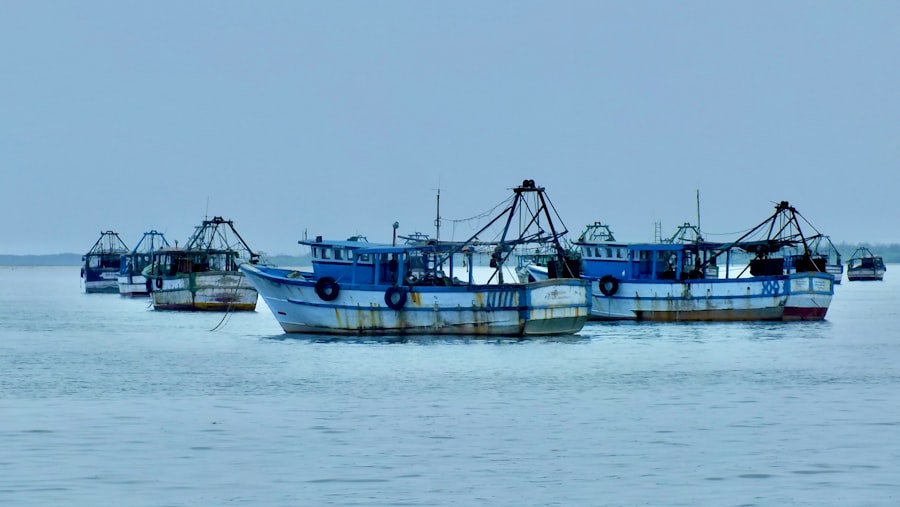
The journey of seafood does not end when it is brought ashore. The processing and distribution stages, though seemingly more grounded, can also be sites of significant human trafficking. Vulnerable workers, often in low-wage factory settings or distribution centers, can fall prey to similar coercive tactics.
The Factory Floor of Fear
In processing plants, workers might be subjected to harsh conditions, long hours, and hazardous machinery, all without adequate safety measures or fair compensation. Traffickers may control their movement, confiscate their identification documents, and threaten them or their families if they attempt to seek help. The anonymity of large industrial settings can provide a shield for those who exploit.
The Supply Chain’s Dark Underbelly
The complex global supply chains of the seafood industry mean that what ultimately ends up on a consumer’s plate can have a history steeped in exploitation. Tracing the origin of seafood has become increasingly difficult, creating opportunities for traffickers to insert their illicit activities into seemingly legitimate channels. Consumer demand, an insatiable appetite for convenience and low prices, can inadvertently fuel this darker side of the industry.
The Human Cost: Psychological and Physical Scars
The impact of human trafficking extends far beyond the immediate physical labor. The psychological trauma inflicted upon victims can be profound and long-lasting, leaving indelible scars that require years of healing.
The Erosion of Dignity and Hope
The constant fear, the physical abuse, the complete loss of autonomy – these experiences strip individuals of their dignity and extinguish the spark of hope. Victims are often subjected to dehumanizing treatment, their worth reduced to a commodity. This psychological toll can manifest as depression, anxiety, post-traumatic stress disorder, and a profound sense of alienation.
The Physical Toll of Exploitation
The grueling labor, the lack of adequate rest and nutrition, the exposure to dangerous conditions – all take a severe toll on the physical health of trafficked individuals. Infectious diseases can spread rapidly in overcrowded and unsanitary living quarters. Injuries from machinery or harsh working environments often go untreated, leading to chronic pain and disability. The very act of surviving day-to-day can become a battle for physical well-being.
Human trafficking is a pervasive issue that extends into various industries, including the seafood sector, where vulnerable populations are often exploited for labor. A recent article highlights the alarming realities of this exploitation and sheds light on the need for greater awareness and action. For more insights on this pressing topic, you can read the article here. By understanding the complexities of human trafficking in the seafood industry, we can work towards more ethical practices and support those affected.
Navigating the Tide: Combating Human Trafficking in Seafood
| Metric | Value | Source/Notes |
|---|---|---|
| Estimated number of forced laborers in seafood industry | Over 25 million | International Labour Organization (ILO) global estimate for forced labor in fishing and seafood processing |
| Percentage of seafood products linked to forced labor | Up to 20% | Various NGO investigations and reports |
| Countries with highest reported cases | Thailand, Indonesia, Myanmar, Philippines | Reported by multiple human rights organizations |
| Average age of trafficked workers | 18-35 years | Based on victim interviews and case studies |
| Common forms of exploitation | Debt bondage, physical abuse, withholding wages | Documented in multiple reports |
| Percentage of victims who are migrants | Approximately 70% | ILO and NGO data |
| Reported cases of human trafficking in seafood industry (annual) | Thousands globally | Underreported due to hidden nature of crime |
| International initiatives addressing issue | Global Seafood Task Force, ILO conventions, UN protocols | Ongoing efforts to combat trafficking |
Addressing human trafficking in the seafood industry requires a multifaceted and collaborative approach, involving governments, industry stakeholders, non-governmental organizations, and consumers. It is a battle against entrenched systems and deeply ingrained exploitation that demands unwavering commitment.
Strengthening Legal Frameworks and Enforcement
Governments have a crucial role to play in enacting and enforcing robust anti-trafficking laws. This includes prosecuting traffickers, ensuring accountability for companies that benefit from forced labor, and providing adequate protection and support services for victims. International cooperation is paramount, as trafficking networks often operate across borders. The establishment of clear reporting mechanisms and accessible legal recourse for victims is essential.
Industry Responsibility and Transparency
The seafood industry itself must take ownership of its role in combating trafficking. This involves implementing ethical sourcing policies, conducting due diligence throughout the supply chain, and fostering transparency. Companies that actively identify and address risks of forced labor within their operations are not just fulfilling a moral obligation but also mitigating significant reputational and legal risks. Certifications and independent audits can play a role in signaling a commitment to ethical practices.
Empowering Consumers: The Power of Informed Choices
Consumers, through their purchasing decisions, hold a surprising amount of power. By choosing to support businesses with transparent and ethical supply chains, and by demanding greater accountability from seafood producers, consumers can send a clear message that exploitation will not be tolerated. Educating oneself about the origins of the seafood consumed and supporting organizations working to combat trafficking are vital steps. The market, after all, responds to demand.
FAQs
What is human trafficking in the seafood industry?
Human trafficking in the seafood industry involves the exploitation of workers through force, fraud, or coercion to perform labor on fishing vessels, processing plants, or related operations. Victims often face poor working conditions, withheld wages, and restricted freedom.
Which regions are most affected by human trafficking in the seafood industry?
Human trafficking in the seafood industry is most prevalent in parts of Southeast Asia, including countries like Thailand, Indonesia, and Myanmar. However, it can occur globally wherever seafood is harvested or processed.
What types of labor abuses are common in the seafood industry?
Common labor abuses include forced labor, debt bondage, physical and verbal abuse, excessive working hours without rest, unsafe working conditions, and withholding of identity documents or wages to prevent workers from leaving.
How does human trafficking impact the seafood supply chain?
Human trafficking undermines ethical sourcing and can lead to illegal, unreported, and unregulated fishing practices. It also damages the reputation of seafood companies and affects consumer trust in seafood products.
What measures are being taken to combat human trafficking in the seafood industry?
Efforts include stricter regulations and enforcement, supply chain transparency initiatives, certification programs for ethical seafood, increased awareness campaigns, and collaboration between governments, NGOs, and industry stakeholders to identify and support victims.