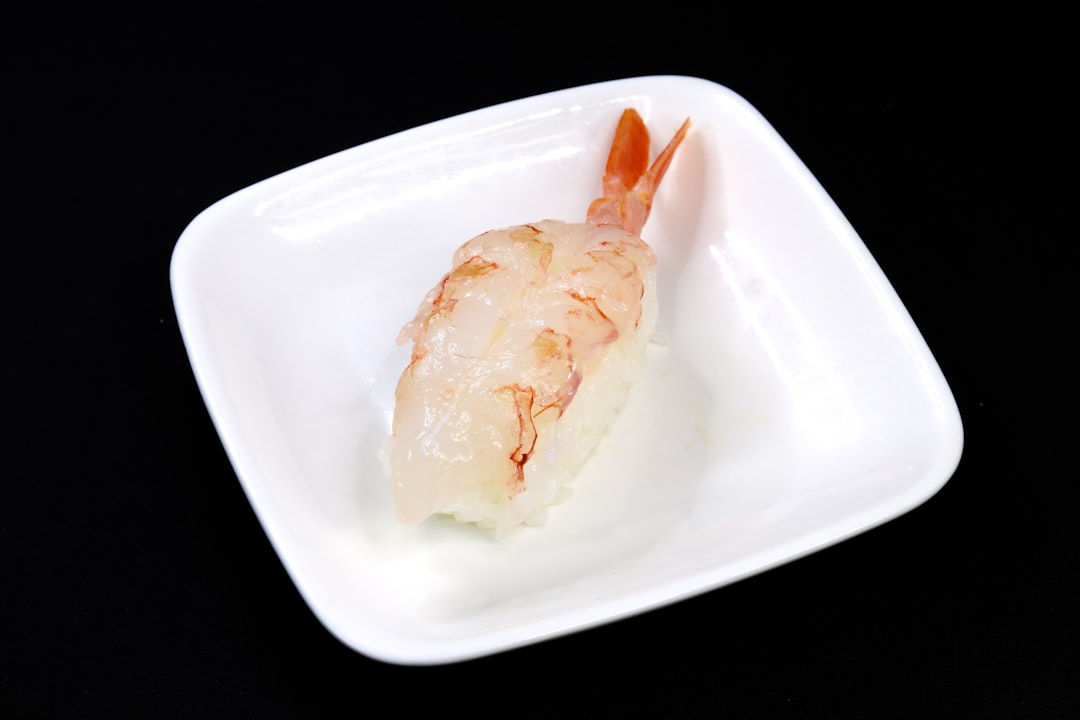
The phenomenon of consistently low shrimp prices in global markets often sparks curiosity among consumers and industry observers alike. This accessible cost, seemingly at odds with the perceived exoticism and labor-intensive nature of seafood production, is not an accidental occurrence but rather the product of deliberate advancements in aquaculture and an intricate web of international trade. To truly understand this economic marvel, one must delve into the foundational pillars of modern shrimp farming efficiency and the pervasive influence of global supply chains.
For centuries, shrimp were primarily a wild-caught delicacy, subject to the inherent limitations of natural populations and the vagaries of ocean conditions. This paradigm, however, began to shift dramatically in the latter half of the 20th century with the burgeoning rise of aquaculture. This controlled cultivation of aquatic organisms, particularly shrimp, proved to be the linchpin in transforming shrimp from a luxury item to an everyday accessible protein. You can learn more about the issue of shrimp slavery in this informative video.
The Genesis of Modern Shrimp Farming
The earliest forms of shrimp aquaculture were often extensive, relying on natural tidal flows and low-density stocking in large ponds. While effective to a degree, these methods were susceptible to environmental fluctuations and offered limited control over output. The true revolution began with the development of more intensive and semi-intensive farming practices.
- Semi-intensive Farming: This approach involves higher stocking densities than extensive methods, coupled with some level of active management, including supplemental feeding and aeration. It represents a crucial stepping stone towards greater productivity.
- Intensive Farming: Here, stocking densities are significantly elevated, and environmental parameters such as water quality, temperature, and dissolved oxygen are meticulously controlled. This often takes place in smaller pond systems or even recirculating aquaculture systems (RAS). The ability to pack more biomass into a smaller footprint dramatically increases yield per unit area.
- Super-intensive Farming: This is the cutting edge, characterized by extremely high stocking densities and sophisticated technological control. Biofloc technology, for instance, where microorganisms consume waste products and serve as an additional food source for the shrimp, is a hallmark of super-intensive systems. This minimizes water exchange and creates a highly productive, environmentally controlled environment.
Species Selection and Genetic Improvement
The choice of shrimp species plays a critical role in farming success and economic viability. While numerous species of shrimp exist, a few have risen to prominence in aquaculture due to their rapid growth rates, disease resistance, and adaptability to farming conditions.
- Pacific White Shrimp (Litopenaeus vannamei): This species is the undisputed king of global shrimp aquaculture. Its robust nature, fast growth, and ability to tolerate a wide range of salinities and temperatures make it ideal for intensive farming. Its dominance is a key driver of the global supply.
- Giant Tiger Prawn (Penaeus monodon): While once a dominant farmed species, the tiger prawn has largely been supplanted by L. vannamei due to its slower growth and greater susceptibility to certain diseases. However, it still holds a niche market, particularly in some Asian countries.
Beyond species selection, genetic improvement programs are akin to agricultural breeding efforts for terrestrial livestock. Scientists continually work to selectively breed shrimp for desirable traits such as:
- Faster Growth Rates: Shorter grow-out periods mean more cycles per year and increased overall production.
- Enhanced Disease Resistance: Minimizing disease outbreaks reduces mortality and the need for costly treatments.
- Improved Feed Conversion Ratios (FCR): A lower FCR means less feed is required to produce a kilogram of shrimp, directly impacting input costs.
- Tolerance to Environmental Stressors: Shrimp that can better withstand fluctuations in water quality or temperature are more resilient and require less stringent environmental control.
Shrimp has become increasingly affordable due to a combination of factors, including advancements in aquaculture, global supply chain efficiencies, and the rise of farmed shrimp production. For a deeper understanding of the economic dynamics behind the pricing of shrimp, you can read a related article that explores these aspects in detail. Check it out here: Why Shrimp is So Cheap.
The Pillars of Productivity: Feed, Health, and Environment
Efficient shrimp farming is a delicate balance of managing several critical input factors. Just as a factory optimizes its production line, shrimp farms relentlessly pursue improvements in these areas to drive down the per-unit cost of production.
Optimized Feed Formulations
Feed constitutes a significant portion, often 40-60%, of the operating costs in shrimp aquaculture. Therefore, even marginal improvements in feed efficiency can have a profound impact on profitability.
- High-Quality, Balanced Diets: Modern shrimp feeds are scientifically formulated to provide all the necessary proteins, lipids, carbohydrates, vitamins, and minerals for optimal growth and health. These formulations are tailored to the specific life stage of the shrimp and the farming environment.
- Feed Conversion Ratio (FCR): This metric is paramount. A FCR of 1.2:1 means that 1.2 kg of feed is required to produce 1 kg of shrimp biomass. Continuous research aims to lower the FCR, translating directly into reduced feed costs per unit of shrimp.
- Sustainable Ingredients: There’s a growing push to find sustainable alternatives to traditional fishmeal and fish oil in shrimp feeds, which can be costly and environmentally controversial. Ingredients like soy protein, insect meal, and algal products are being actively explored and integrated.
Disease Prevention and Management
Disease outbreaks are the bane of any aquaculture operation, capable of wiping out entire crops and incurring massive financial losses. Robust biosecurity and proactive health management are thus non-negotiable.
- Biosecurity Protocols: Strict measures are implemented to prevent the introduction and spread of pathogens. This includes disinfection of equipment, control of entry/exit points for personnel, and careful screening of nauplii (larvae) and post-larvae from hatcheries.
- Water Quality Management: Maintaining optimal water parameters (pH, dissolved oxygen, ammonia, nitrite, nitrate) is critical as poor water quality stresses shrimp and makes them more susceptible to disease. Advanced filtration systems, aeration, and regular testing are standard practices.
- Disease Surveillance and Early Detection: Regular monitoring of shrimp health and rapid diagnostic tools allow for early detection of potential disease outbreaks, enabling prompt intervention and minimizing spread.
- Vaccination and Probiotics: While shrimp don’t respond to traditional vaccines in the same way as vertebrates, research is ongoing into immunostimulants and novel approaches. Probiotics are increasingly used to improve gut health and enhance disease resistance.
Environmental Control and Monitoring
The ability to control the farming environment is a key differentiator between aquaculture and wild capture. This control is not just about survival but about optimizing growth and minimizing stress.
- Temperature Regulation: Shrimp are cold-blooded, and their metabolic rates are highly dependent on water temperature. Maintaining optimal temperatures ensures consistent growth.
- Aeration Systems: Especially in intensive systems, oxygen depletion is a constant threat. Aerators (paddlewheel, blowers, air stones) are ubiquitously employed to maintain adequate dissolved oxygen levels.
- Waste Management: Intensive farming generates significant waste (uneaten food, feces). Efficient waste removal and bioremediation systems are crucial for maintaining water quality and preventing the accumulation of toxic compounds. Biofloc systems, for example, leverage microbial communities to process waste.
Global Supply Chains: Connecting Farms to Forks at Scale
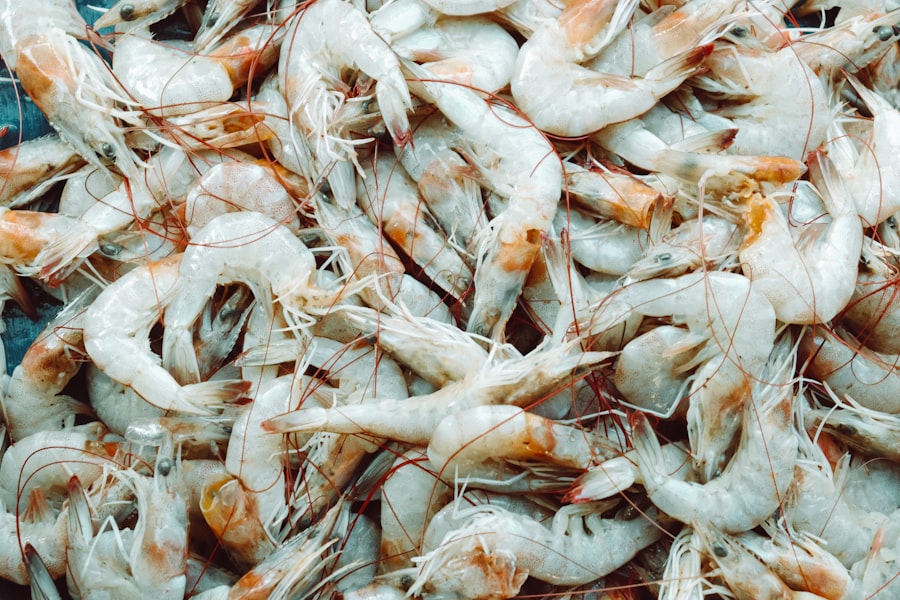
The journey of farmed shrimp from a pond in Southeast Asia or Latin America to a consumer’s plate in Europe or North America is a marvel of logistical coordination and global trade. These intricate supply chains are designed for efficiency, scale, and speed, all of which contribute to cost reduction.
The Production Powerhouses
Certain regions of the world have emerged as dominant forces in shrimp production due to their favorable climates, established infrastructure, and competitive labor costs.
- Southeast Asia (e.g., Vietnam, Thailand, Indonesia, India): This region is a historical and ongoing powerhouse. Factors like warm climates, extensive coastlines, and a skilled aquaculture workforce converge to create ideal conditions.
- Latin America (e.g., Ecuador, Mexico): Ecuador, in particular, has become a major player, known for its consistent quality and efficient production. Mexico also contributes significantly to the global supply.
These countries benefit from economies of scale. Massive production volumes allow for lower per-unit processing and shipping costs.
Processing and Value Addition
Once harvested, shrimp undergo a series of processing steps that prepare them for market and often add value. This processing is frequently undertaken in the producing countries themselves, leveraging lower labor costs.
- Harvesting and Initial Sorting: Shrimp are harvested, quickly chilled, and transported to processing facilities.
- Washing, Grading, and Peeling/Deveining: Shrimp are washed, sorted by size (grading), and often peeled and deveined to meet consumer convenience demands. These steps are highly labor-intensive and benefit from automation where feasible.
- Freezing: Rapid freezing, usually individually quick frozen (IQF), is critical for preserving quality and freshness during long-distance transportation.
- Packaging: Shrimp are packaged in various formats (blocks, bags, trays) according to market requirements.
The ability to perform these labor-intensive steps in countries with lower wages significantly reduces the overall cost structure.
Logistics and Distribution Networks
The final leg of the journey involves moving massive quantities of frozen shrimp across continents, a logistical ballet that relies on efficient shipping and cold chain management.
- Reefer Containers: Specialized refrigerated shipping containers maintain strict temperature control, ensuring the shrimp remain frozen throughout their journey, often spanning weeks at sea.
- Economies of Scale in Shipping: Large volumes of shrimp are shipped at once, allowing for lower per-unit freight costs. This is not dissimilar to how a single large ship can transport thousands of cars more cheaply than hundreds of small trucks.
- Global Distribution Centers: Upon arrival in importing countries, shrimp are often channeled through large distribution centers, which then supply wholesalers, retailers, and food service providers.
The Economic Equation: Scale, Automation, and Competition
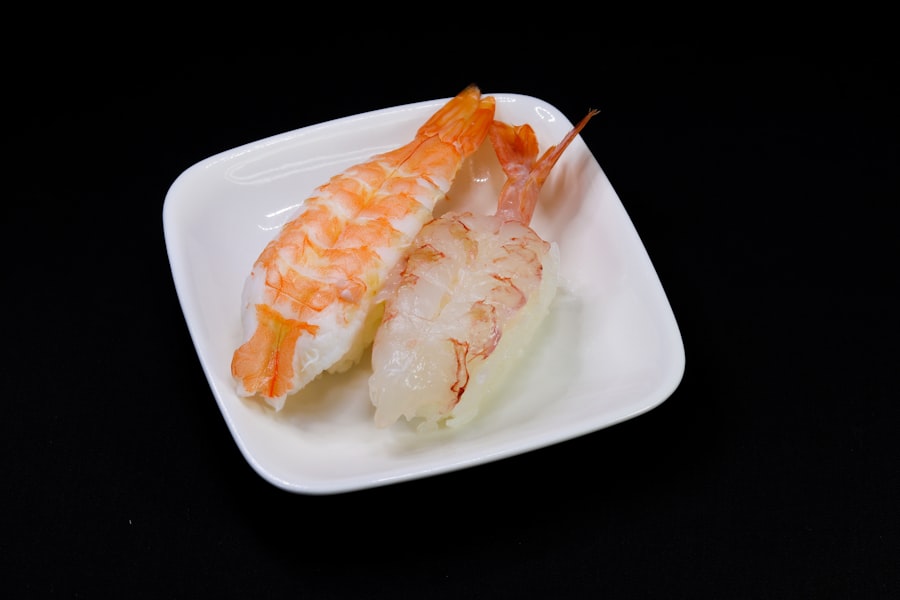
The interplay of technological advancement, strategic location, and relentless competition forms the bedrock of cheap shrimp prices. It’s a relentless pursuit of marginal gains that collectively create a substantial impact.
Economies of Scale in Action
One of the most potent forces driving down prices is economies of scale. Imagine a single craftsman making one chair versus a factory producing thousands. The factory can procure raw materials in bulk, streamline processes, and amortize the cost of machinery over a much larger output.
- Large-scale Farm Operations: Mega-farms, often spanning hundreds or thousands of hectares, are common in major producing countries. These operations benefit from bulk purchasing of feed, post-larvae, and equipment, negotiating better prices.
- Automated Processing Lines: While peeling and deveining often remain labor-intensive, other aspects of processing, such as grading, weighing, and packaging, are increasingly automated, reducing labor costs and increasing throughput.
- Centralized Infrastructure: Developing countries often invest in infrastructure that supports large-scale aquaculture, such as strategically located processing plants, specialized ports, and cold storage facilities that cater to the industry.
Intense Competition in the Global Market
The global shrimp market is highly competitive, with numerous producers vying for market share. This fierce competition, while sometimes leading to price volatility, generally keeps prices in check.
- Price Discovery: Buyers constantly compare prices from different suppliers and countries, forcing producers to remain competitive or risk losing business.
- Technological Diffusion: Successful farming innovations and processing technologies rapidly disseminate throughout the industry. Farmers who don’t adopt similar efficiencies risk being undercut by competitors.
- Consolidation and Efficiency Drives: To remain competitive, some smaller farms consolidate, or larger operations ceaselessly seek ways to improve internal efficiencies, whether through new feed formulations, better disease management, or more streamlined logistics.
Research, Development, and Continuous Improvement
The aquaculture industry is not stagnant. Continuous research and development (R&D) efforts are critical in sustaining and enhancing efficiency. This is not just about high-tech laboratories but also about practical, on-farm innovation.
- Feed Research: Development of more efficient and sustainable feed ingredients.
- Genetics and Breeding: Ongoing programs to improve shrimp strains for key traits.
- Disease Diagnostics and Therapeutics: Novel methods for early disease detection and treatment.
- Sustainable Practices: Research into reducing environmental impact and improving resource efficiency is becoming increasingly important, driven by market demand and regulatory pressures.
Shrimp has become increasingly affordable in recent years, and this trend can be attributed to several factors including advancements in aquaculture and global trade practices. For a deeper understanding of the economic dynamics behind the pricing of shrimp, you can explore a related article that discusses these influences in detail. The article highlights how farming techniques and international demand have contributed to making shrimp a staple in many households. To learn more about this topic, check out the insightful piece here.
The Future Trajectory: Sustainability and Innovation
| Factor | Description | Impact on Price |
|---|---|---|
| High Production Volume | Shrimp farming and wild catch produce large quantities globally. | Increases supply, lowering prices. |
| Efficient Farming Techniques | Use of intensive aquaculture methods reduces costs. | Reduces production costs, making shrimp cheaper. |
| Low Labor Costs | Many shrimp farms are located in countries with lower wages. | Decreases overall production expenses. |
| Global Supply Chain | Efficient transportation and distribution networks. | Reduces shipping costs and time. |
| Technological Advances | Improved breeding, feeding, and disease control methods. | Enhances yield and quality, lowering costs. |
| Market Competition | Numerous producers compete globally. | Drives prices down to attract buyers. |
| Bycatch and Wild Catch | Wild shrimp caught as bycatch in other fisheries. | Increases supply without additional cost. |
While the current drivers of low shrimp prices are robust, the industry is not without its challenges and future considerations. The pursuit of even greater efficiency must be balanced with environmental stewardship and social responsibility.
Addressing Environmental Concerns
The rapid expansion of shrimp aquaculture has, at times, led to environmental degradation, including mangrove destruction, water pollution, and the spread of diseases. However, the industry is increasingly aware of these issues.
- Responsible Aquaculture Practices: Certifications like the Aquaculture Stewardship Council (ASC) promote environmentally and socially responsible farming practices, encouraging reduced antibiotic use, better water management, and community engagement.
- Closed-Loop Systems and Recirculating Aquaculture Systems (RAS): These highly controlled systems minimize water usage and discharge, reducing environmental impact, though they require higher capital investment.
- Mangrove Restoration and Conservation: Efforts are underway to restore degraded mangrove areas and integrate aquaculture operations in a manner that protects these vital ecosystems.
Innovation in Farming Methods
The quest for cheaper and more sustainable shrimp continues to drive innovation. Emerging technologies hold the potential for further cost reductions and improved environmental performance.
- Land-Based Aquaculture: Moving shrimp farms inland to controlled environments could mitigate coastal environmental impacts, reduce disease risks, and allow for farming in non-traditional regions.
- AI and IoT in Farm Management: Artificial intelligence and the Internet of Things (IoT) can enable predictive analytics for water quality, automated feeding systems, and real-time disease monitoring, leading to more precise and efficient farm management.
- Novel Feed Ingredients: The search for alternatives to fishmeal and fish oil will intensify, potentially leading to more cost-effective and environmentally friendly feeds.
In conclusion, the seemingly impossible feat of consistently providing affordable shrimp to a global market is a testament to the power of human ingenuity, scientific advancement, and sophisticated logistical planning. It is a story of how an industry, through genetic selection, optimized feed, stringent disease control, massive economies of scale, and an interconnected global supply chain, has transformed a once-exclusive delicacy into a widely accessible protein. As consumers, you benefit from this relentless pursuit of efficiency, a well-oiled machine that works tirelessly to bring this versatile seafood to your table at prices that often surprise and delight. However, understanding this complex web also empowers you to consider the ongoing efforts towards ensuring that this abundance is also sustainable and responsible for the long term.
FAQs
Why is shrimp generally cheaper compared to other seafood?
Shrimp is often cheaper because it is farmed extensively in many parts of the world, allowing for large-scale production. This high supply, combined with efficient farming techniques, helps keep prices low compared to wild-caught seafood.
How does shrimp farming affect the price of shrimp?
Shrimp farming, or aquaculture, allows producers to control the environment and harvest shrimp year-round. This consistent supply reduces scarcity and stabilizes prices, making shrimp more affordable than many wild-caught fish species.
Does the size or type of shrimp influence its price?
Yes, larger shrimp and certain species like tiger shrimp or wild-caught varieties tend to be more expensive due to higher demand and more limited supply. Smaller, farmed shrimp are usually cheaper because they are produced in greater quantities.
Are imported shrimp products cheaper than locally sourced shrimp?
Imported shrimp can be cheaper due to lower labor and production costs in exporting countries. However, transportation and import tariffs can affect the final price. Many countries rely on imports to meet demand, which helps keep prices competitive.
Do environmental and sustainability factors impact shrimp prices?
Sustainability practices can increase production costs, potentially raising prices. However, unsustainable farming or fishing methods may temporarily lower prices but can lead to long-term environmental damage and supply issues, which could increase costs in the future.