When you stand before a bakery display case, whether in a quaint European boulangerie or a bustling American supermarket, you might notice subtle, yet profound, differences in the loaves presented. You pick up a baguette, feeling its crisp crust and slight weight, then compare it to a squishy, pre-sliced American sandwich bread. The disparity is evident, not just in texture and appearance, but in the entire gastronomic experience. This divergence in bread is not accidental; it’s a culmination of distinct historical paths, ingredient availability, cultural priorities, and deeply ingrained baking philosophies. To truly understand why American bread is, in many respects, a world apart from its European counterparts, you must delve into the very foundations of bread-making.
The journey of bread begins, invariably, with flour. You might assume all wheat flour is created equal, but this is a fundamental misconception that underpins many of the differences you encounter. Learn about American foods banned overseas and the reasons behind their restrictions.
Wheat Varieties and Gluten Content
The type of wheat grown and milled significantly impacts the final bread product. In Europe, especially in countries renowned for their artisanal bread like France and Italy, bakers often utilize flours derived from soft winter wheat. This wheat typically has a lower protein content, often ranging from 9% to 11%. This lower protein translates to less gluten development during kneading. When you knead dough made from such flour, you’re building a more delicate gluten network, which contributes to an open, irregular crumb structure, characteristic of many European breads. Think of it as a finely woven silk scarf – strong enough to hold its shape, but with a supple drape.
Conversely, in the United States, especially for mass-produced breads, flours from hard red spring wheat are prevalent. These wheats boast higher protein levels, often between 12% and 14%, and sometimes even higher for bread flours marketed specifically to home bakers. This higher protein content yields a more robust gluten network. When you knead dough with high-protein flour, you’re essentially constructing a sturdy scaffolding. This strong gluten structure allows the dough to capture more carbon dioxide during fermentation, resulting in a bread with a chewier texture and often a finer, more uniform crumb. This is particularly advantageous for sandwich breads, which need to be sliced thinly without crumbling and remain resilient enough to hold various fillings.
Milling Practices and Additives
Beyond the wheat itself, the milling process plays a crucial role. In Europe, traditional stone milling or slow roller milling is still common for artisanal flours. These methods often retain more of the wheat germ and bran, contributing to a more complex flavor profile and a slightly denser crumb. When you taste a European country loaf, you’re often tasting the nuances imparted by these subtle additions.
In the United States, especially for the industrial production of bleached all-purpose and bread flours, a highly refined roller milling process is the standard. This process efficiently separates the germ and bran from the endosperm, resulting in a very white, shelf-stable flour with a consistent texture. While this ensures product uniformity for large-scale bakeries, it also strips the flour of much of its inherent flavor and nutritional value. To compensate for this, and to improve dough handling and loaf volume, various additives are frequently incorporated into commercial American flours. These can include:
- Ascorbic acid (Vitamin C): Acts as a dough conditioner, strengthening gluten and improving loaf volume.
- Enzymes (e.g., amylase): Help convert starches into sugars, providing food for yeast and contributing to crust browning.
- Azodicarbonamide (ADA) or potassium bromate: Chemical oxidizing agents that strengthen gluten and improve dough elasticity, though potassium bromate is banned in many countries due to health concerns.
- Enrichment: American flours are often “enriched” with synthetic iron and B vitamins (thiamine, riboflavin, niacin, folic acid) to replace nutrients lost during processing. While beneficial from a public health perspective, this is a post-processing addition rather than an inherent quality of the original grain.
You may find that European flours, particularly those designated “Type 65” or “Type 55” in France, are less heavily processed and typically devoid of such strong chemical dough conditioners. This difference in processing contributes to the natural variability you often see in European artisanal breads compared to the often standardized product of American bakeries.
American bread differs from European bread in several key aspects, including ingredients, texture, and flavor profiles. One reason for these differences is the use of additives and preservatives in American bread, which are less common in traditional European recipes. Additionally, the types of flour used and the fermentation processes can vary significantly, leading to distinct characteristics in the final product. For a deeper understanding of these differences, you can read more in this related article: Why is American Bread Different than European?.
The Alchemy of Leavening: Yeast, Starters, and Fermentation
The method by which bread rises is perhaps one of the most defining characteristics separating European and American bread traditions. Think of it as the engine powering the vehicle; while both use fermentation, the type of engine and fuel used greatly influences the journey and the destination.
Commercial Yeast vs. Sourdough Starters
Throughout Europe, especially in countries with a long bread-making heritage, sourdough (levain or natural yeast starter) remains a cornerstone of artisanal baking. A sourdough starter is a living culture of wild yeasts and lactic acid bacteria, patiently nurtured over time. These microbial colonies feast on flour and water, producing carbon dioxide to leaven the bread, along with a complex array of organic acids (lactic and acetic acid) and other flavor compounds. When you bite into a true European sourdough, you’re experiencing the subtle tanginess and layered flavors that only prolonged, slow fermentation can create. It’s a taste profile that speaks of time and tradition.
In the United States, while artisanal sourdough has seen a resurgence, the vast majority of commercial and home baking relies on commercial baker’s yeast (Saccharomyces cerevisiae). This domesticated yeast is a powerhouse, providing rapid and consistent leavening. Its efficiency is unparalleled, allowing bakers to produce loaves quickly and reliably. The trade-off, however, is a less complex flavor profile. Commercial yeast primarily produces ethanol and carbon dioxide, contributing little in the way of the nuanced acidity and depth that wild yeasts and bacteria offer.
Fermentation Times and Temperatures
The choice of leavening agent directly influences fermentation schedules. European sourdough breads typically undergo long, slow fermentation periods, often spanning 12 to 24 hours, sometimes incorporating cold proofing (retarding the dough in the refrigerator) to further develop flavor. This extended fermentation allows enzymes to break down starches, creating more complex sugars, and gives the microorganisms ample time to produce those desirable flavor compounds. It’s a slow dance, where every step contributes to the ultimate harmony.
In contrast, American breads made with commercial yeast often employ shorter, warmer fermentation times. Industrial bakeries, driven by efficiency and output, utilize high-speed mixers and carefully controlled environments to optimize yeast activity, often producing a risen loaf within a few hours. Even in home baking, many recipes for conventional sandwich bread or dinner rolls prioritize quick turnaround times with proofing periods often measured in minutes rather than hours. This speed, while convenient, limits the depth of flavor development, resulting in a bread that is often perceived as “blander” by those accustomed to European loaves.
The Role of Fat and Sweeteners: Richness vs. Simplicity
Another significant differentiator lies in the inclusion, or exclusion, of fats and sweeteners, creating distinct textural and flavor profiles that cater to different palates and purposes.
The European Lean Dough Tradition
Traditionally, many classic European breads, such as baguettes, ciabatta, and rustic country loaves, are “lean doughs.” This means their primary ingredients are simply flour, water, salt, and yeast (or sourdough starter). They contain little to no added fat or sugar. The character of these breads comes solely from the quality of the flour, the skill of the baker, and the long fermentation process. When you break open a baguette, you’re experiencing a minimalist masterpiece, where the interplay of crunch, chew, and open crumb reigns supreme, unmasked by additional richness. This purity allows the subtle, nutty flavors of the grain and the tangy notes of fermentation to shine through.
Even richer European breads, like brioche or challah, while containing fat (butter or oil) and sometimes sugar, are often considered special occasion breads rather than daily staples. Their richness is a deliberate indulgence, not a universal standard.
The American Embrace of Enriched Doughs
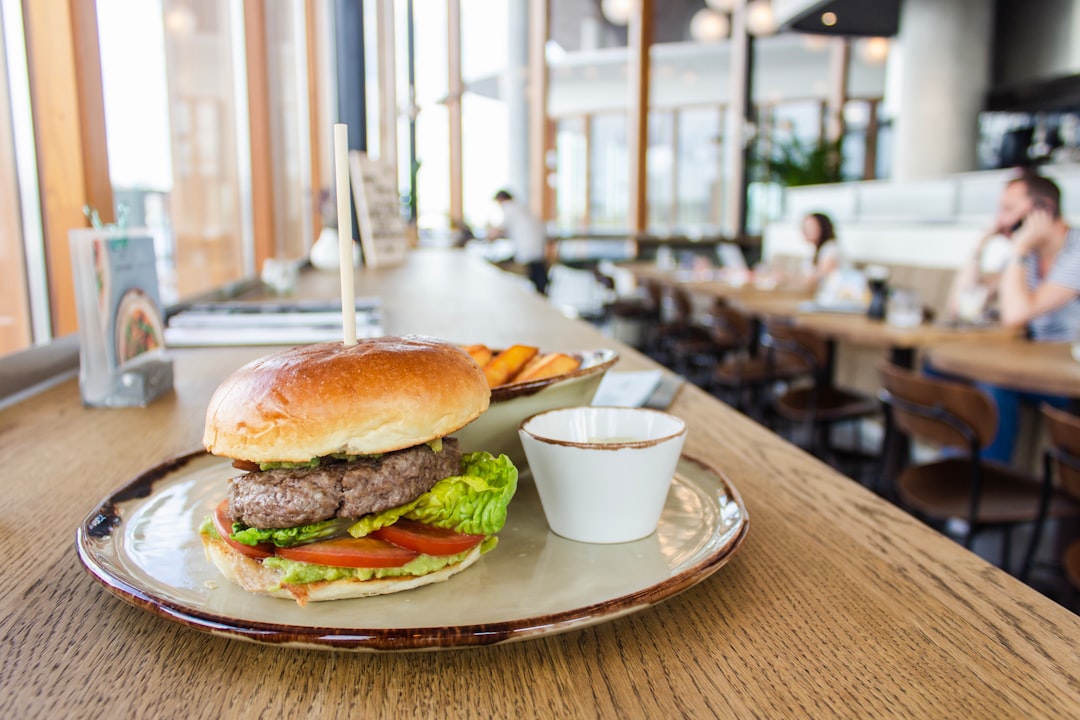
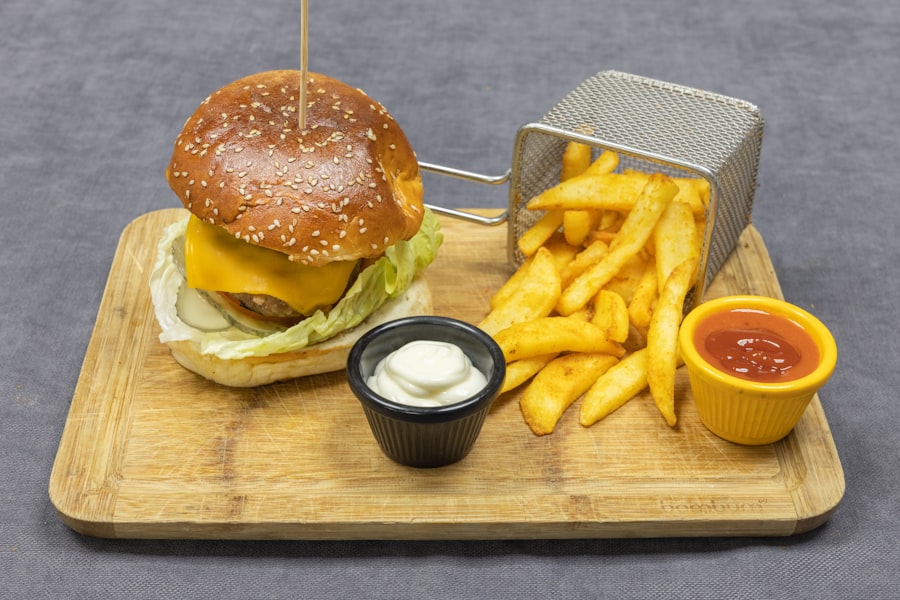
In contrast, a vast segment of American bread, particularly the ubiquitous sandwich bread, hot dog buns, hamburger buns, and dinner rolls, falls squarely into the “enriched dough” category. These breads frequently contain:
- Sugar: Ranging from a small amount for yeast activation and crust browning to a significant quantity for sweetness. High-fructose corn syrup is a common sweetener in commercially produced breads due to its low cost and humectant properties (keeping bread soft).
- Fat: Often in the form of butter, vegetable oil, or shortening. Fat contributes to a soft, tender crumb, improves shelf life, and adds richness to the flavor.
- Milk or milk powder: Adds richness, flavor, and helps to tenderize the crumb.
- Eggs: Contribute to richness, color, and structure.
These additions fundamentally alter the bread’s texture and flavor. The fat and sugar contribute to a super-soft crumb, a hallmark of American sandwich bread. The sweetness makes it more palatable for many consumers, especially children, and complements the sweet and savory fillings often found in American diets. Imagine a fluffy pillow – that’s the desired texture for many American enriched breads, a far cry from the sturdy, crusty European loaf. This softness also makes these breads ideal for slicing and toasting, providing durability without significant firmness.
Baking Techniques and Crust Development: From Hearth to Enclosed Pan

The way bread is baked, from the oven environment to the shaping techniques, profoundly influences its crust, crumb, and overall character. It’s the final flourish, the act that transmutes dough into bread.
European Artisanal Baking: High Heat and Steam
You’ll find that traditional European baking emphasizes high heat and steam within the oven. Artisan bakeries often utilize stone hearth ovens, which maintain incredibly high, consistent temperatures and impart a characteristic browning to the crust. The introduction of steam, either by injecting it into the oven or by placing a pan of water, is critical. Steam prevents the crust from setting too quickly, allowing the dough to expand fully before hardening. It also gelatinizes the starches on the surface, contributing to a deeply caramelized, crisp, and robust crust with an alluring sheen. Think of a perfect French baguette – its crackling, shattering crust is a direct result of this high-heat, high-steam environment. The oven spring (the final burst of rising in the oven) is also maximized by these conditions, leading to those irregular, airy holes in the crumb.
Shaping techniques are also critical. European breads often rely on free-form shaping, where the dough is placed directly on the hearth or a baking stone. This allows for a more rustic, organic appearance and maximizes crust development on all sides of the loaf.
American Commercial Baking: Uniformity and Softness
In the United States, particularly for mass-produced breads, the baking philosophy leans towards consistency, efficiency, and a softer crust. Many commercial bakeries use tunnel ovens, where thousands of loaves pass through a carefully controlled temperature gradient. While steam is sometimes used, it is often less intense than in artisanal European settings, as the goal is usually a less aggressively crusted loaf.
Crucially, American sandwich bread and similar products are almost always baked in enclosed pans. This pan baking serves several purposes:
- Uniform Shape: Ensures a consistent, square or rectangular loaf, ideal for slicing and packaging.
- Supports Weak Doughs: Enriched doughs, high in fat and sugar, often have a softer gluten structure. The pan provides crucial support, preventing the loaf from spreading excessively.
- Soft Crust: The pan walls and lid (in some cases) restrict crust development, resulting in a thinner, softer crust that is easy to bite through. This preference for a soft or even minimal crust is a hallmark of many American breads.
- Automation: Pan baking is highly amenable to automated production lines, which is essential for large-scale baking operations.
When you hold a slice of American sandwich bread, its lack of a formidable crust and its uniform shape are direct results of pan baking, designed for convenience and the American preference for softness.
The differences between American and European bread can be quite fascinating, as they stem from various cultural, historical, and ingredient-related factors. For instance, American bread often contains higher levels of sugar and preservatives, which contribute to its softer texture and longer shelf life. In contrast, European bread tends to focus on traditional methods and simpler ingredients, resulting in a denser and crustier loaf. If you’re interested in exploring this topic further, you can read more about it in this insightful article on the subject. Check it out here.
Cultural Preferences and Culinary Applications: Bread as a Canvas
| Aspect | American Bread | European Bread |
|---|---|---|
| Flour Type | Often uses softer wheat with lower protein content | Typically uses harder wheat with higher protein content |
| Ingredients | Includes additives like preservatives, dough conditioners, and sweeteners | Usually made with simple ingredients: flour, water, yeast, salt |
| Texture | Soft, fluffy, and often uniform crumb | Denser, chewier, and more varied crumb structure |
| Flavor | Milder, sometimes slightly sweet | More complex, often tangy due to sourdough or longer fermentation |
| Preservation | Longer shelf life due to preservatives | Shorter shelf life, often consumed fresh |
| Baking Methods | Mass-produced, often baked in large ovens with steam injection | Artisanal or traditional methods, including wood-fired ovens |
| Common Types | White sandwich bread, soft rolls | Baguettes, sourdough, rye bread, ciabatta |
Beyond the technical aspects, the divergence between American and European bread can ultimately be traced to cultural preferences and how bread is integrated into daily meals. Bread is not just food; it’s a cultural artifact, shaped by centuries of tradition and evolving tastes.
Bread as a Staple for Savory Pairings in Europe
In many European cultures, bread is considered a fundamental component of almost every meal. It acts as a companion, a vehicle, and a palate cleanser. You’ll find it served alongside cheese, cold cuts, olives, or used to sop up sauces from stews and gravies. The bread itself often has a prominent flavor profile – a yeasty tang from sourdough, a hearty earthiness from whole grains – that stands up to, and even complements, the rich flavors of main dishes. The crust is valued for its texture and flavor, adding another layer to the eating experience.
European bread is typically purchased fresh, often daily, and is expected to be consumed relatively quickly. Its natural crust and robust structure mean it doesn’t need to stay soft for days on end; a stale baguette can be repurposed into croutons or breadcrumbs, but its primary purpose is fresh consumption.
Bread as a Soft Canvas in America
The American bread landscape, particularly for its most ubiquitous forms, often sees bread serving a different role. The soft, enriched sandwich loaf is designed to be a pliable canvas for a multitude of fillings, both savory and sweet. Its mild flavor and tender texture are intended to complement, rather than dominate, the flavors of deli meats, cheeses, peanut butter, jelly, or eggs. The lack of a strong crust means it won’t detract from the smoothness of a sandwich filling.
Convenience and shelf life are also paramount in American bread culture. The addition of fats, sugars, and dough conditioners to commercial breads contributes to an extended shelf life, allowing loaves to remain soft and palatable for many days. This is a practical consideration for a society that often purchases groceries weekly and values ready-to-eat convenience. While artisanal bakeries have flourished in recent decades, offering European-style loaves, the staple American bread remains a product optimized for softness, sweetness, and shelf stability, reflecting a distinct culinary approach to this ancient food.
Conclusion: A Matter of Terroir, Technique, and Taste
The variations you observe between American and European bread are not simply random occurrences; they are deeply ingrained. They stem from the specific wheat varieties cultivated in each region (a form of “flour terroir”), the milling practices employed, the preferred leavening methods, the inclusion of enriching ingredients, and the distinct baking techniques that have evolved over centuries. Ultimately, these differences reflect divergent cultural priorities and culinary uses.
When you choose a crusty European sourdough, you are often selecting a bread that celebrates the grain, the slow process of fermentation, and a robust texture designed to complement other foods. When you opt for a soft, pillowy American sandwich bread, you are choosing a product engineered for convenience, extended freshness, and a mild taste profile that serves as a versatile foundation for a vast array of toppings and fillings.
Neither approach is inherently “better”; they are simply different, each perfectly suited to its intended purpose and the cultural palate it serves. Understanding these variations allows you to appreciate the rich and diverse world of bread, empowering you to seek out the specific qualities that best satisfy your own cravings, whether you yearn for the crunchy resistance of an artisanal European loaf or the comforting softness of an American classic. The next time you encounter a loaf of bread, remember that you’re not just looking at a baked good, but a tangible representation of history, technology, and culture.
WATCH THIS! 🤯 33 AMERICAN FOODS BANNED OVERSEAS!
FAQs
Why does American bread taste different from European bread?
American bread often tastes different due to variations in ingredients, baking methods, and regulations. American bread typically contains more sugar, preservatives, and dough conditioners, which can affect flavor and texture. European bread often uses traditional recipes with fewer additives and longer fermentation times, resulting in a different taste and crumb structure.
What are the main ingredient differences between American and European bread?
American bread commonly includes enriched flour, added sugars, and preservatives to extend shelf life. European bread usually relies on basic ingredients like flour, water, salt, and natural yeast or sourdough starters, with fewer additives. The type of flour used can also differ, with European flours often having higher protein content.
How do baking techniques differ between American and European bread?
European bakers often use longer fermentation and proofing times, sometimes employing sourdough starters, which develop more complex flavors. American bread production tends to be faster and more industrialized, focusing on consistency and shelf life, which can result in softer, sweeter bread.
Why is American bread often softer and sweeter than European bread?
American bread is typically made with added sugars, fats, and dough conditioners that create a softer texture and sweeter taste. In contrast, European bread usually has a denser crumb and a more robust flavor due to traditional baking methods and fewer additives.
Are there legal or regulatory differences affecting bread recipes in the US and Europe?
Yes, food regulations differ between the US and Europe. The US allows certain additives and preservatives in bread that may be restricted or less commonly used in Europe. Additionally, labeling and ingredient standards vary, influencing how bread is produced and marketed.
Does the type of flour used impact the difference between American and European bread?
Yes, flour types vary by region. European flours often have higher protein content, which affects gluten development and bread texture. American flours may be more refined and enriched, contributing to differences in bread structure and taste.
Is sourdough more common in European bread than in American bread?
Traditionally, yes. Sourdough and naturally fermented breads have a long history in Europe and are still widely consumed. While sourdough has gained popularity in the US recently, many American breads are still made with commercial yeast and faster fermentation processes.
How does shelf life affect the differences between American and European bread?
American bread often contains preservatives and additives to extend shelf life, making it softer and longer-lasting. European bread is usually fresher, with fewer preservatives, and is often consumed within a shorter time frame, which can affect texture and flavor.