You are about to embark on an exploration of one of the most enigmatic and contentious chapters in wildlife conservation: the ban on Beluga caviar. This isn’t merely a tale of luxury food; it’s a stark illustration of human consumption confronting ecological fragility. As you delve into this topic, you’ll encounter a complex web of scientific data, economic repercussions, and ethical considerations. Prepare to examine the mechanisms behind such a ban, its intended and unintended consequences, and the enduring struggle to safeguard biodiversity in the face of dwindling resources and insatiable demand.
You must first understand the creature at the heart of this discussion: Huso huso, the Beluga sturgeon, a magnificent and ancient fish. This species, often referred to as a “living fossil,” has roamed the Earth’s waters for millions of years, predating dinosaurs. Its longevity, enormous size, and slow reproductive cycle have, paradoxically, made it exceptionally vulnerable to human exploitation. Discover the surprising reasons why some foreign foods illegal in the United States are banned from being imported.
Defining Huso huso
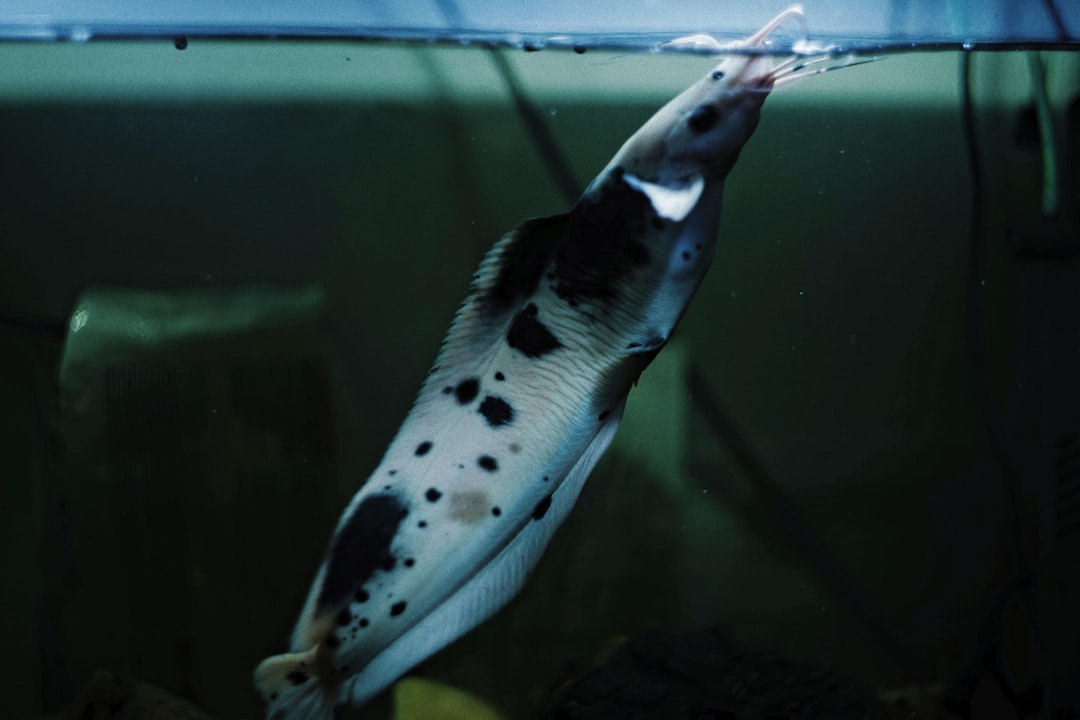
The Beluga sturgeon is the largest freshwater fish and one of the largest bony fishes in the world. Imagine a leviathan of the deep, often exceeding 5 meters (16 feet) in length and weighing over 1,000 kilograms (2,200 pounds). This immense scale is not achieved quickly; individuals can live for over 100 years. Their bodies are covered in five rows of bony plates called scutes, a testament to their primeval lineage.
Habitat and Distribution
Historically, Beluga sturgeon traversed vast stretches of the Black, Azov, and Caspian Seas, and their associated rivers, including the Volga, Ural, Kura, and Danube. These ancient migratory pathways allowed them to spawn upstream in freshwater environments before returning to the brackish waters of the seas. However, their range has been severely fragmented and reduced due to human interference, a topic you will explore further.
Reproductive Biology: A Double-Edged Sword
You must grasp the unique reproductive strategy of the Beluga sturgeon, for it is a critical factor in their vulnerability. They are iteroparous, meaning they reproduce multiple times throughout their lives, but their sexual maturity is delayed significantly. Males typically reach maturity between 10 and 15 years of age, while females often take 15 to 25 years. This slow maturation rate means that a substantial number of individuals must survive for decades before contributing to the next generation. Furthermore, females do not spawn every year, taking multiple years to recover and develop their roe, which is the very product that precipitated their crisis. This protracted life history makes them incredibly slow to recover from population declines, akin to trying to refill a vast reservoir with a trickling tap.
The recent ban on beluga caviar has sparked significant discussions regarding the conservation of endangered species and the impact of luxury food markets on biodiversity. For those interested in exploring this topic further, an insightful article can be found at Hey Did You Know This, which delves into the complexities surrounding the trade of caviar and its implications for the beluga sturgeon population. This resource provides valuable information on the efforts being made to protect these majestic creatures and the challenges faced in balancing consumer demand with conservation needs.
The Lure of Black Gold: Caviar Demand
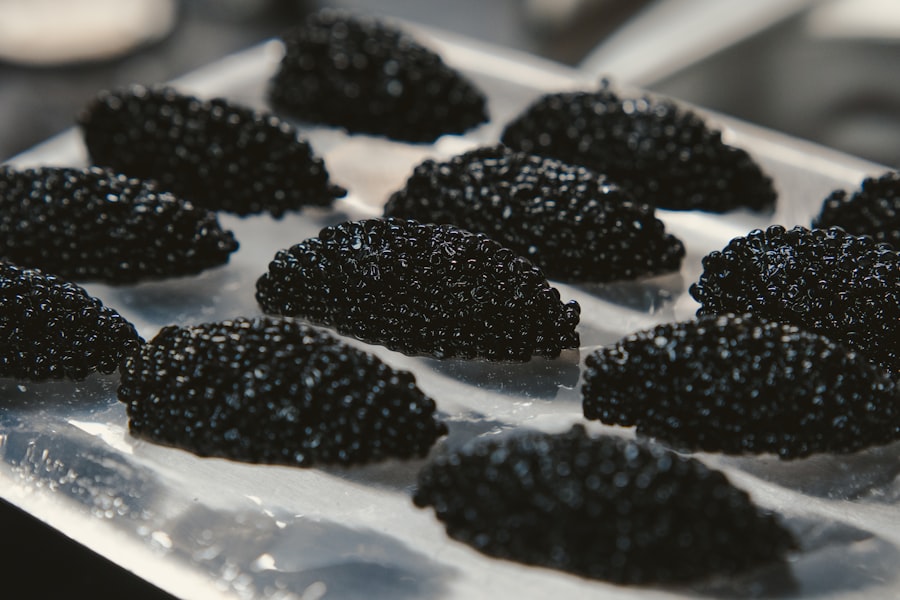
Now, turn your attention to the irresistible allure that brought the Beluga sturgeon to the precipice of extinction: its roe, or caviar. For centuries, Beluga caviar has been synonymous with opulence and refinement, a culinary jewel commanding exorbitant prices.
A History of Luxury
Caviar, particularly Beluga, has historically been a delicacy reserved for royalty and the wealthy elite. Its delicate texture, nuanced flavor, and scarcity cemented its status as a symbol of prestige. As global wealth expanded, so too did access to luxury goods, leading to a surge in demand that the natural populations of Beluga sturgeon simply could not sustain. You must consider this growing demand as a relentless pressure, gradually eroding the foundations of a species.
The Economic Engine
The trade in Beluga caviar generated immense profits, creating a powerful economic incentive for overfishing. This profit margin, acting as a potent siren song, encouraged unsustainable fishing practices, often skirting or outright defying regulations. The sheer financial value of a single female sturgeon laden with roe was a temptation too great for many to resist, leading to a “gold rush” mentality in the caviar industry.
Unregulated Fishing and Poaching
In the absence of robust international agreements and enforcement, the lucrative caviar trade fostered widespread unregulated fishing and poaching. Picture uncontrolled fleets descending upon spawning grounds, depleting fish stocks at an alarming rate. Poaching operations, often clandestine and brutal, further exacerbated the problem, circumventing any attempts at sustainable management. The sheer scale of exploitation was a voracious machine, consuming faster than nature could replenish.
International Intervention: CITES and the Ban
The dire state of Beluga sturgeon populations did not go unnoticed. As scientific evidence mounted, demonstrating precipitous declines, the international community was compelled to act. Your understanding of the ban must begin with the critical role of the Convention on International Trade in Endangered Species of Wild Fauna and Flora (CITES).
CITES: A Global Sentinel
CITES is a multilateral treaty designed to ensure that international trade in specimens of wild animals and plants does not threaten their survival. It operates through a system of permits and certificates, regulating trade according to species vulnerability. Appendix I lists species threatened with extinction which are afforded the highest level of protection, prohibiting international commercial trade. Appendix II includes species not necessarily threatened with extinction but for which trade must be controlled to avoid utilization incompatible with their survival.
Listing Huso huso on Appendix II
In 1998, the Beluga sturgeon was listed on CITES Appendix II. This listing recognized the species’ vulnerability and mandated that international trade in Beluga caviar required CITES permits, ensuring that trade was legal and not detrimental to wild populations. However, this initial listing, while a step in the right direction, proved insufficient to stem the tide of decline. The legal loopholes and challenges in enforcement were significant.
The 2005 Ban: A Drastic Measure
Despite the Appendix II listing, the condition of Beluga sturgeon continued to deteriorate. In 2005, CITES imposed a ban on the international trade of wild Beluga caviar from the Caspian Sea region, affecting several key producing countries, including Azerbaijan, Iran, Kazakhstan, Russia, and Turkmenistan. This was not a pre-emptive measure but a reactive one, a desperate attempt to pull the species back from the brink. You should view this ban as a medical intervention for a critically ill patient, an emergency measure when gentler treatments have failed.
Rationale and Objectives
The primary rationale behind the ban was to halt the overexploitation and provide a window for wild populations to recover. The objectives were clear: to reduce market demand for wild-caught caviar, to remove the economic incentive for poaching, and to allow fragmented populations the chance to rebuild their numbers. It was a recognition that without such drastic intervention, the Beluga sturgeon would likely follow the path of other extinct megafauna.
The Aftermath of the Ban: Ripple Effects
The imposition of the Beluga caviar ban sent reverberations through the global seafood industry, impacting both conservation efforts and the luxury market. You will now examine the multifaceted consequences that unfurled in its wake.
Conservation Gains and Continuing Challenges
The ban did yield some positive outcomes for Beluga sturgeon populations, primarily by reducing the pressure on wild stocks. With the primary legal avenue for international trade closed, the immediate incentive for large-scale commercial fishing diminished. This provided a much-needed reprieve, allowing some recovery in certain localized populations. However, imagine a slowly healing wound still prone to infection. The challenges presented by habitat degradation, pollution, and the persistent specter of illegal trade remain formidable hurdles.
Habitat Destruction and Pollution
Your focus must extend beyond fishing pressure. The historical range of the Beluga sturgeon is bisected by dams, which obstruct migratory routes essential for spawning. These concrete barriers act as impenetrable walls, isolating populations and preventing them from reaching their natural breeding grounds. Furthermore, the Caspian Sea, a critical habitat, faces significant pollution from industrial runoff, agricultural chemicals, and oil exploration, impacting water quality and ecosystem health. These factors continue to exert immense pressure on sturgeon survival, even without direct fishing.
The Enduring Threat of Poaching
Despite the ban, a black market for Beluga caviar persists. The immense value of the product continues to fuel illegal fishing and smuggling operations. Poaching, often carried out by organized crime syndicates, employs sophisticated methods to evade detection, making enforcement a constant battle. This illegal trade acts as a constant drain, undermining the conservation benefits of the ban. It’s a hydra-headed problem, where cutting off one source often leads to another emerging.
The Rise of Aquaculture and Farmed Caviar
One of the most significant and arguably positive ripple effects of the ban has been the massive growth of the aquaculture industry for sturgeon. With wild Beluga caviar largely inaccessible, the market pivoted towards farmed alternatives.
Investment in Sturgeon Farming
The scarcity of wild caviar provided a powerful economic incentive for investment in sturgeon aquaculture. Globally, farms emerged, raising various sturgeon species, including purebred Beluga and hybrid crosses. These operations now produce a significant portion of the world’s caviar supply. You should see this as an adaptive response, where demand, blocked from its traditional source, found new avenues.
Ethical and Economic Considerations of Farmed Caviar
While farmed caviar alleviates pressure on wild stocks, it introduces its own set of ethical and economic considerations. The conditions under which farm-raised sturgeon are kept vary widely, raising questions about animal welfare. The environmental footprint of large-scale aquaculture, including feed efficiency and waste management, is also a subject of ongoing scrutiny. However, from an economic standpoint, farmed caviar has democratized access to what was once an exclusive luxury, making it more widely available, albeit at a still considerable price. It has effectively created an alternative reality for caviar consumption.
Shifting Market Dynamics
The ban fundamentally altered the landscape of the global caviar market. You can visualize this as a major earthquake, causing the ground beneath a thriving industry to shift dramatically.
Price Fluctuations and Brand Repositioning
Initially, the price of legally available, CITES-permitted caviar skyrocketed due to scarcity. However, as farmed production increased, prices began to stabilize, though still remaining high for premium products. Brands that once exclusively dealt in wild Beluga had to reposition themselves, focusing on other sturgeon species and sustainable aquaculture practices. This forced adaptation spurred innovation within the industry.
Consumer Awareness and Education
The ban, and the extensive media coverage surrounding it, significantly raised consumer awareness regarding the plight of endangered species and the importance of sustainable sourcing. You, as a consumer, are now more likely to encounter discussions about the origins and sustainability of your food choices, a direct consequence of such high-profile conservation efforts. This heightened awareness is a crucial element in driving responsible consumption.
The recent ban on beluga caviar has sparked significant discussions about the conservation of endangered species and the impact of luxury goods on biodiversity. As consumers become more aware of the environmental implications of their choices, it is essential to understand the broader context of such bans. For a deeper insight into the complexities surrounding this issue, you can read a related article that explores the challenges faced by various endangered species and the efforts being made to protect them. To learn more, visit this informative article.
The Future of Beluga Sturgeon and Caviar
| Metric | Value | Notes |
|---|---|---|
| Beluga Sturgeon Population Decline | Over 90% | Population has declined by more than 90% in the last century |
| CITES Listing | Appendix II | Beluga sturgeon listed under CITES Appendix II to regulate trade |
| Year of International Trade Ban | 2005 | International ban on beluga caviar trade implemented |
| Endangered Species Status | Critically Endangered | According to IUCN Red List |
| Illegal Poaching Increase | Up to 30% | Estimated increase in illegal poaching despite bans |
| Annual Legal Caviar Quota | Less than 1 ton | Strict quotas set to limit legal harvest |
| Recovery Efforts | Ongoing | Includes breeding programs and habitat restoration |
As you look forward, the trajectory of the Beluga sturgeon and the caviar market remains uncertain, a complex tapestry woven with threads of hope and ongoing challenges. Predicting the future requires careful consideration of current trends and potential interventions.
Reintroduction Programs and Habitat Restoration
Conservation efforts continue to focus on active intervention strategies for wild Beluga sturgeon. Reintroduction programs, where captive-bred sturgeon are released into suitable habitats, are being explored and implemented in some regions. These are challenging endeavors, requiring careful genetic management and intensive monitoring to ensure survival. Simultaneously, habitat restoration projects, such as dam removal or the creation of fish bypasses, aim to reconnect fragmented spawning grounds. These efforts are akin to rebuilding a shattered vase, piece by fragile piece.
Evolving CITES Regulations and Enforcement
CITES’ role remains critical. The organization continuously reviews species listings and adjusts trade regulations based on scientific data and population trends. Future decisions regarding Beluga sturgeon will depend on the success of conservation efforts and the ability of producing nations to demonstrate sustainable management practices. You should recognize that the efficacy of these regulations hinges on robust enforcement at national and international levels, a perpetual challenge.
The Role of Responsible Consumption
Ultimately, the long-term survival of the Beluga sturgeon will depend, in part, on you and other consumers. Choosing sustainably sourced caviar from reputable aquaculture operations, understanding certifications, and boycotting products with dubious origins are all critical acts of responsible consumption. Your informed choices send a powerful signal to the market, urging a shift towards ethical and environmentally sound practices. This is not a passive role; it is an active contribution to conservation.
The Long Road to Recovery
The Beluga sturgeon stands as a powerful symbol of the broader biodiversity crisis. Its story is a microcosm of the challenges facing countless other species around the globe. The ban on Beluga caviar, while a drastic measure, highlights the desperate steps sometimes required to protect endangered wildlife from the pressures of human demand. The road to full recovery for the Beluga sturgeon is long and arduous, fraught with ecological and socio-economic complexities. Your continued awareness and support for conservation efforts are vital in ensuring that this magnificent creature endures for generations to come, a testament to the power of collective action in safeguarding our planet’s invaluable natural heritage. The fate of this ancient fish is a mirror reflecting our own capacity for both destruction and rehabilitation.
WATCH THIS 🚫🚨 30 FOREIGN FOODS BANNED IN THE USA!
FAQs
What is beluga caviar?
Beluga caviar is the roe (eggs) of the beluga sturgeon, a large fish native to the Caspian Sea, Black Sea, and surrounding rivers. It is considered a luxury delicacy due to its large, delicate eggs and rich flavor.
Why is beluga caviar banned in some places?
Beluga caviar is banned or heavily regulated in many countries because the beluga sturgeon is an endangered species. Overfishing, habitat loss, and pollution have drastically reduced their populations, leading to international efforts to protect them.
Is the beluga sturgeon an endangered species?
Yes, the beluga sturgeon (Huso huso) is classified as critically endangered by the International Union for Conservation of Nature (IUCN) due to severe population declines caused by overharvesting and environmental threats.
What international regulations protect beluga sturgeon and its caviar?
The beluga sturgeon is listed under Appendix II of the Convention on International Trade in Endangered Species of Wild Fauna and Flora (CITES), which regulates and restricts international trade to prevent exploitation that could threaten the species’ survival.
Can beluga caviar be legally purchased?
Legal purchase of beluga caviar depends on the country and whether the caviar comes from sustainable, certified sources. Some countries allow trade only if the caviar is farmed or harvested under strict regulations, while others have complete bans.
What are the alternatives to beluga caviar?
Alternatives include caviar from other sturgeon species that are less endangered or farmed sustainably, as well as plant-based or synthetic caviar substitutes designed to mimic the taste and texture without harming wild populations.
How does the ban on beluga caviar help conserve the species?
Banning or restricting the trade of beluga caviar reduces illegal fishing and overharvesting, allowing wild beluga sturgeon populations to recover and maintain ecological balance in their natural habitats.
What can consumers do to support beluga sturgeon conservation?
Consumers can avoid purchasing wild-caught beluga caviar, choose sustainably farmed or certified products, support conservation organizations, and raise awareness about the species’ endangered status and the importance of protecting aquatic ecosystems.