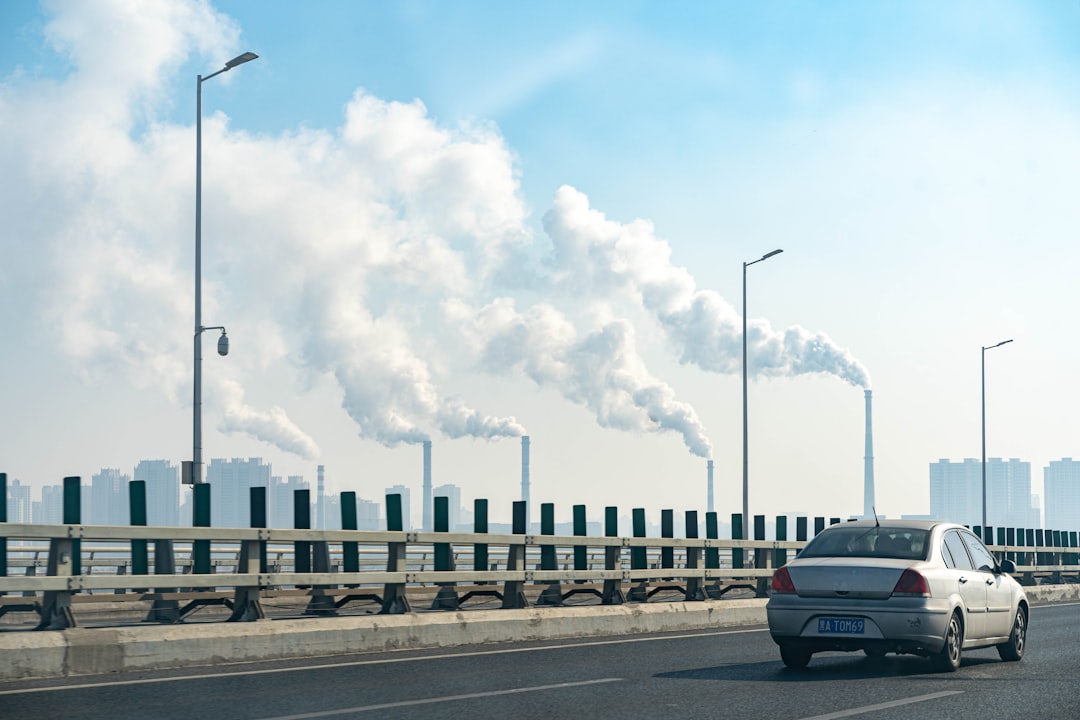
You’re facing a significant shift in the automotive landscape. The year 2026 isn’t just another date on the calendar; it represents a pivotal point for vehicular emissions regulations, specifically concerning what’s often termed “non-exhaust emissions.” While tailpipe emissions have been the primary focus for decades, regulatory bodies worldwide are increasingly turning their attention to the particulate matter and pollutants generated by sources other than the engine’s combustion process. This article will delve into the emerging trends you need to understand to navigate this evolving regulatory environment.
You might initially think of “emissions” as what comes out of a tailpipe. However, the reality is far more complex. Non-exhaust emissions encompass a broad range of particulate matter and chemical compounds released into the atmosphere that are not a direct product of fuel combustion in the internal combustion engine (ICE) or fuel cell. The focus is shifting towards these sources because, even as tailpipe emissions from ICE vehicles have drastically reduced over the years due to stringent regulations like Euro 6/VI and EPA Tier standards, non-exhaust sources are becoming a proportionally larger contributor to overall air pollution in urban environments.
Tire Wear Particles
This is perhaps the most prominent and well-researched area of non-exhaust emissions. As your vehicle’s tires roll, friction between the rubber and the road surface causes them to wear down. This wear process generates microscopic particles that are released into the air and can be inhaled by humans and animals, or carried into waterways. The composition of these tire wear particles (TWPs) is complex, containing rubber polymers, reinforcing fillers like carbon black, and various additives.
Factors Influencing Tire Wear Particle Generation
- Tire Design and Material: Different tread patterns, rubber compounds, and tire constructions will inherently have varying rates of wear. You’ll find that softer, stickier compounds designed for performance may wear faster than harder, more durable compounds.
- Driving Style: Aggressive acceleration, braking, and cornering significantly increase the forces applied to the tires, leading to accelerated wear. Your driving habits have a direct impact on particle generation.
- Road Surface Conditions: The texture and abrasiveness of the road surface play a crucial role. Rougher pavements will abrade tires more quickly than smoother ones. You’ll notice differences between asphalt, concrete, and even studded tire tracks in icy conditions.
- Vehicle Weight and Load: Heavier vehicles, or vehicles carrying significant loads, exert greater pressure on their tires, contributing to increased wear. This is particularly relevant for commercial vehicles and SUVs.
- Tire Pressure: Under-inflated or over-inflated tires can lead to uneven wear patterns and potentially increased particle generation. Maintaining proper tire pressure is essential for both safety and emission control.
- Environmental Factors: Temperature and humidity can also influence rubber properties and wear rates, though their impact is generally less pronounced than other factors.
Brake Wear Particles
Similar to tire wear, the friction generated during braking also produces particulate matter. When you apply the brakes, the brake pads and rotors rub against each other, shedding small particles into the environment. These particles can be a mixture of materials from the brake pads (e.g., metallic components, resins, fibers) and the brake rotors (primarily iron or steel).
Components of Brake Wear Particles
- Brake Pad Composition: Modern brake pads are complex composite materials. You’ll find a variety of formulations, including semi-metallic, low-metallic, and non-asbestos organic (NAO) types, each with a different impact on particle generation.
- Brake Rotor Material: The material and surface finish of brake rotors also influence the wear process and the resulting particles.
- Braking Intensity and Frequency: Frequent and harsh braking events will naturally lead to more brake pad and rotor wear, and thus, greater particle emissions. This is a significant factor in stop-and-go urban traffic.
- Braking System Design: The overall design and efficiency of the braking system, including the type of braking mechanism (e.g., disc, drum), can influence wear rates.
Road Surface Wear Particles
While the term “non-exhaust emissions” often focuses on wear from tires and brakes, the interaction between tires and road surfaces also contributes to road surface wear itself. This wear generates dust and particulate matter from the road material, which can be a significant source of airborne particles, particularly in dry conditions. This is often categorized alongside tire wear but represents the shedding of the road material itself.
Types of Road Surface Material and Their Impact
- Asphalt: Common in many urban and rural areas, asphalt is a composite material made from aggregate (stone, sand) bound together by bitumen. Its wear characteristics depend on the aggregate type and bitumen quality.
- Concrete: Another prevalent road surface, concrete is a mixture of cement, aggregate, and water. Its wear can involve chipping and abrasion of the aggregate and cementitious binder.
- Gravel/Unpaved Roads: These surfaces are inherently more prone to dust generation through tire action and wind erosion.
Clutch and Drivetrain Wear Particles
Less commonly discussed but still relevant are particles generated from the wear of clutches and other drivetrain components. For manual transmission vehicles, clutch wear involves the friction material of the clutch disc abrading against the flywheel and pressure plate. In automatic transmissions and other drivetrain components, wear can occur in gears, bearings, and other moving parts, though often at lower rates than tires or brakes.
Drivetrain Components Contributing to Wear
- Clutch Discs: The primary source of wear in manual transmissions.
- Gears and Bearings: While typically lubricated, some wear and particle generation can occur over time.
- CV Joints: Components in the drivetrain that can experience wear, particularly under high stress.
Other Sources of Non-Exhaust Emissions
Beyond the primary wear-related sources, other less significant, but still regulated, non-exhaust emissions can include:
- Resuspension of Road Dust: Existing dust and debris on the road surface can be kicked up by passing vehicles, especially in dry, windy conditions. While not directly emitted by the vehicle, it’s a direct consequence of vehicle presence.
- Corrosion Products: Wear and tear on vehicle components, along with exposure to the elements, can lead to the formation of particulate matter from corroded metals.
As the world moves towards stricter environmental standards, the regulation of non-exhaust emissions is becoming increasingly critical. A related article discussing the anticipated trends in non-exhaust emissions regulation for 2026 can be found at this link. This article provides insights into the expected changes in legislation and their potential impact on various industries, highlighting the importance of proactive measures to mitigate pollution from sources such as tire wear and brake dust.
Regulatory Trends for 2026 and Beyond
The recognition of non-exhaust emissions as a significant pollutant is driving a new wave of regulations. You’ll see a move towards quantifying, monitoring, and eventually limiting these emissions. This is a departure from the historical focus on tailpipe exhaust.
Increasing Focus on Particulate Matter (PM) Standards
Regulatory bodies are no longer solely concerned with the mass of PM. The focus is increasingly on particle number (PN) and the size distribution of these particles. Smaller particles, particularly those in the ultrafine range (less than 0.1 micrometers), are considered more harmful because they can penetrate deeper into the respiratory system and even enter the bloodstream.
Evolution of PM Measurement and Regulation
- Total Mass vs. Particle Number: Early regulations focused on the total mass of PM. Newer regulations are increasingly adopting particle number counts, as this better reflects the potential health impact of numerous tiny particles.
- Particle Size Distribution: Understanding the range of particle sizes emitted is becoming critical. Regulations are starting to consider the impact of ultrafine particles specifically.
- Regional Variations: You’ll observe different approaches and timelines for these regulations depending on the region. Europe, for example, has been at the forefront of addressing non-exhaust emissions.
Introduction of Specific Non-Exhaust Emission Standards
The most significant trend is the move towards explicit, quantifiable standards for non-exhaust emissions. This means manufacturers will need to demonstrate compliance not just with tailpipe emissions but also with limits on particles from tire, brake, and road wear.
Key aspects of emerging standards
- Tire Wear Performance Standards: You’ll see initiatives to categorize tires based on their wear rates, similar to how fuel efficiency or wet grip are rated. This will likely involve standardized testing procedures to measure PM generation. The Eco-labeling of tires in Europe, for instance, already incorporates rolling resistance, noise, and wet grip, and the inclusion of wear is a logical next step.
- Brake Wear Emission Standards: Similar to tire standards, brake system components (pads, rotors) will likely face stricter limits on particulate matter emissions. This will drive innovation in brake materials and designs that produce fewer or less harmful particles.
- Road User Charges and Low-Emission Zones: While not direct “emission standards” for manufacturers, the concepts of road user charges and expanded low-emission zones often incorporate factors related to tire wear and braking, indirectly influencing vehicle design and usage.
Integration with Electric Vehicles (EVs)
The transition to electric vehicles, while eliminating tailpipe emissions, introduces new considerations for non-exhaust emissions. EVs are often heavier due to their battery packs, potentially increasing tire wear. Furthermore, the regenerative braking systems in EVs can reduce the reliance on friction brakes, altering the type and amount of brake wear particles produced, but not eliminating them entirely, and potentially shifting the burden to wear on the regenerative system itself.
EVs and the Non-Exhaust Emission Equation
- Increased Vehicle Mass: The significant weight of EV batteries can lead to higher tire wear rates compared to equivalent internal combustion engine vehicles. This is a key area of research and development for tire manufacturers.
- Shifting Brake Wear Patterns: Regenerative braking reduces the need for friction braking, which can lead to less brake pad wear. However, friction brakes are still essential for emergency stops and light braking. This may result in less frequent but potentially more severe wear events when friction brakes are used, requiring careful material selection.
- Potential for New Particle Sources: The strong acceleration of EVs, coupled with their higher torque, can also contribute to increased tire wear. Understanding these unique dynamics is crucial.
Standardized Testing and Measurement Methodologies
A major hurdle in regulating non-exhaust emissions has been the lack of standardized, reliable, and cost-effective testing methodologies. You’ll see significant development and adoption in this area.
Advancements in Testing Methods
- Laboratory-Based Testing: Development of controlled laboratory environments to simulate real-world driving conditions for tire and brake wear. This allows for reproducible measurements under specific parameters.
- On-Road Measurement Technologies: Deployment of advanced sensors and monitoring systems to collect data on particle emissions in real-world driving scenarios. This includes mobile labs and eddy covariance techniques.
- Simulation and Modeling: Greater reliance on sophisticated computer models to predict particle generation based on vehicle characteristics, driving conditions, and material properties. This can help in the design and development phase.
- Harmonization of Test Cycles: Efforts to standardize test cycles across different regions to ensure global comparability and facilitate compliance for manufacturers.
Increased Data Transparency and Reporting Requirements
You should anticipate increased demands for transparency regarding non-exhaust emission performance. Manufacturers will likely need to report on these emissions as part of their product lifecycle assessments and regulatory compliance.
Implications for Manufacturers
- Product Development Lifecycle: Non-exhaust emission considerations will need to be integrated earlier in the vehicle and component design process.
- Supply Chain Management: Manufacturers will need to work closely with suppliers of tires, brakes, and other components to ensure compliance with evolving standards.
- Consumer Information: You may see labeling or information provided to consumers about the non-exhaust emission characteristics of vehicles and components.
Technological Innovations and Solutions
The regulatory push is a powerful catalyst for technological innovation. You’ll see a surge in new materials, designs, and systems aimed at reducing non-exhaust emissions.
Advanced Tire Materials and Design
The tire industry is a key player in addressing non-exhaust emissions. Innovations focus on materials that are more durable and less prone to shedding particles.
Promising Tire Technologies
- Modified Rubber Compounds: Development of new rubber formulations with improved abrasion resistance and reduced leeching of chemical additives.
- Reinforcement Materials: Exploration of alternative reinforcing agents to carbon black that may have lower environmental impact or generate fewer fine particles.
- Tread Pattern Optimization: Designing tread patterns that minimize slip and abrasion, even under various driving conditions.
- “Low-Wear” Tires: The emergence of tire categories specifically marketed and certified for their reduced wear rates.
Low-Particulate Brake Systems
The brake system sector is also undergoing a transformation, focusing on reducing the particulate matter shed during operation.
Innovations in Braking Technology
- Advanced Pad Materials: Development of brake pads with formulations that generate fewer and larger particles, or that bind particles more effectively.
- Rotor Surface Treatments and Materials: Exploring new materials and surface treatments for brake rotors that reduce wear and particle generation.
- Enclosed Brake Systems: Some research is exploring enclosed brake systems that capture or mitigate particle release, though widespread adoption faces significant engineering challenges.
- Integration with Regenerative Braking: Further refinement of hybrid braking systems that optimize the balance between regenerative and friction braking to minimize wear particle generation.
Road Surface Technologies
While not directly controlled by vehicle manufacturers, innovations in road surface materials and maintenance can also play a role in reducing overall non-exhaust emissions, particularly dust resuspension.
Contributing Road Surface Innovations
- Dust Suppressants: The use of binding agents or treatments for road surfaces to reduce dust generation.
- Durable Paving Materials: Development of road materials that are more resistant to abrasion and wear from vehicle traffic.
- Improved Maintenance Practices: Strategic road maintenance that minimizes disruption and dust creation.
Vehicle Design and Integration
Beyond individual components, you’ll see vehicle manufacturers taking a more holistic approach to non-exhaust emissions, considering how different systems interact.
Integrated Vehicle Emission Control
- Aerodynamic Optimization: While primarily for fuel efficiency, aerodynamic designs can influence how much road dust is disturbed and resuspended.
- Vehicle Weight Management: Continued efforts to reduce overall vehicle weight, even with EVs, can help mitigate tire wear.
- Drivetrain Efficiency: Improvements in drivetrain efficiency can reduce the stress on components, potentially leading to less wear.
Challenges and Opportunities for Stakeholders
Navigating these evolving regulations presents both significant challenges and substantial opportunities for various stakeholders in the automotive industry and beyond.
Challenges for Manufacturers
- Increased Research and Development Costs: Developing and testing new materials and technologies to meet non-exhaust emission standards requires substantial investment.
- Supply Chain Complexity: Ensuring that all suppliers meet the new standards will be a complex undertaking, requiring robust quality control and auditing processes.
- Retrofitting and Aftermarket: Addressing non-exhaust emissions from the existing vehicle fleet, particularly through aftermarket parts, will be a long-term challenge.
- Standardization and Global Harmonization: The lack of globally harmonized standards can create compliance complexities for manufacturers operating on an international scale.
Opportunities for Innovation and Growth
- Market Leadership: Companies that proactively innovate and develop compliant technologies can gain a competitive advantage and establish themselves as leaders in sustainable mobility.
- New Product Development: The need for new solutions creates opportunities for the development of novel tires, brake systems, and related technologies.
- Consulting and Testing Services: The demand for expertise in non-exhaust emission measurement, testing, and compliance will create a growing market for specialized consulting and testing services.
- Consumer Demand: As awareness grows, consumers may increasingly seek out vehicles and components with lower non-exhaust emission footprints, driving market demand for these solutions.
Role of Policymakers and Regulators
- Clear and Consistent Frameworks: Policymakers have a crucial role in establishing clear, science-based, and harmonized regulatory frameworks that provide certainty for industry.
- Incentives and Support: Governments can foster innovation through targeted incentives, research funding, and supportive policies for the adoption of cleaner technologies.
- Public Awareness and Education: Raising public awareness about the significance of non-exhaust emissions is vital for garnering support and driving behavioral change.
Implications for Consumers
- Higher Initial Vehicle Costs: The integration of new technologies may initially lead to higher upfront costs for new vehicles.
- Maintenance Considerations: You may see changes in recommended maintenance schedules or the types of replacement parts needed.
- Informed Purchasing Decisions: The availability of clearer labeling and information will empower you to make more informed decisions about the environmental impact of your vehicle choices.
- Cleaner Urban Environments: Ultimately, the successful implementation of these regulations will contribute to improved air quality in urban areas, benefiting public health.
As the world moves towards stricter environmental standards, the regulation of non-exhaust emissions is becoming increasingly significant. In 2026, we can expect to see a variety of new policies aimed at reducing particulate matter from sources such as tire wear and brake dust. For a deeper understanding of these trends and their implications, you can read a related article that explores the evolving landscape of emissions regulations. This insightful piece highlights the challenges and opportunities that lie ahead, making it essential for industry stakeholders to stay informed. To learn more, visit this article.
The Road Ahead: A Paradigm Shift
| Year | Regulation Type | Scope | Impact |
|---|---|---|---|
| 2021 | Euro 7 Standards | Europe | Tighter limits on non-exhaust emissions |
| 2023 | California LEV III | California, USA | Stricter regulations on non-exhaust emissions from vehicles |
| 2025 | China VI Standards | China | Implementation of new standards to control non-exhaust emissions |
| 2026 | Global Harmonization | Worldwide | Efforts to align regulations across countries for non-exhaust emissions |
The trend towards regulating non-exhaust emissions signifies a fundamental shift in how we approach vehicular environmental impact. You are moving beyond the tailpipe to a more comprehensive understanding of how vehicles interact with their environment throughout their lifecycle.
Beyond Tailpipe Emissions: A Holistic View
The focus on non-exhaust emissions forces a reassessment of the entire vehicle system. It’s no longer just about the engine; it’s about the tires, the brakes, the road, and how they all contribute to the air we breathe. You are entering an era where the “circular economy” principles will become increasingly relevant in automotive design and operation.
Key elements of this new paradigm
- Life Cycle Assessment: A more thorough consideration of a vehicle’s environmental impact from raw material extraction through manufacturing, use, and end-of-life.
- Durability and Longevity: A greater emphasis on designing components for longevity and reduced wear to minimize ongoing emissions.
- Material Innovation: A drive to develop materials that are not only performant but also environmentally benign and less prone to producing harmful particulates.
- Systemic Approach: Recognizing that solutions often lie in the integrated design and interaction of multiple vehicle systems and even infrastructure.
The Future of Transportation and Air Quality
By 2026, you’ll see these regulations begin to solidify, setting the stage for further advancements. This is not merely about meeting compliance targets; it’s about creating a more sustainable and healthier future for urban environments and beyond. The challenges are real, but the potential benefits for air quality and public health are substantial. You are witnessing the evolution of automotive regulations, and understanding these trends is crucial for anyone involved in the automotive ecosystem. The journey towards cleaner mobility is multifaceted, and non-exhaust emissions are no longer an afterthought but a critical frontier.
FAQs
What are non-exhaust emissions?
Non-exhaust emissions refer to particulate matter and other pollutants emitted from vehicles that are not related to the engine exhaust. These emissions can come from sources such as tire wear, brake wear, road surface wear, and resuspension of road dust.
Why is there a need for regulation of non-exhaust emissions?
Regulation of non-exhaust emissions is necessary to address the environmental and public health impacts of these pollutants. Non-exhaust emissions contribute to air pollution and can have adverse effects on air quality, human health, and the environment.
What are the current trends in non-exhaust emissions regulation?
Current trends in non-exhaust emissions regulation focus on developing standards and policies to control and reduce these emissions. This includes measures to address tire and brake wear, promote the use of low-emission road surfaces, and encourage the development of cleaner vehicle technologies.
How are non-exhaust emissions regulated globally?
Non-exhaust emissions are regulated globally through a combination of vehicle emissions standards, road infrastructure policies, and air quality regulations. Different countries and regions may have specific regulations and initiatives to address non-exhaust emissions.
What are the expected changes in non-exhaust emissions regulation by 2026?
By 2026, it is expected that there will be an increased focus on non-exhaust emissions regulation, with more stringent standards and policies aimed at reducing the environmental impact of these pollutants. This may include the introduction of new technologies and measures to control non-exhaust emissions from vehicles and roadways.