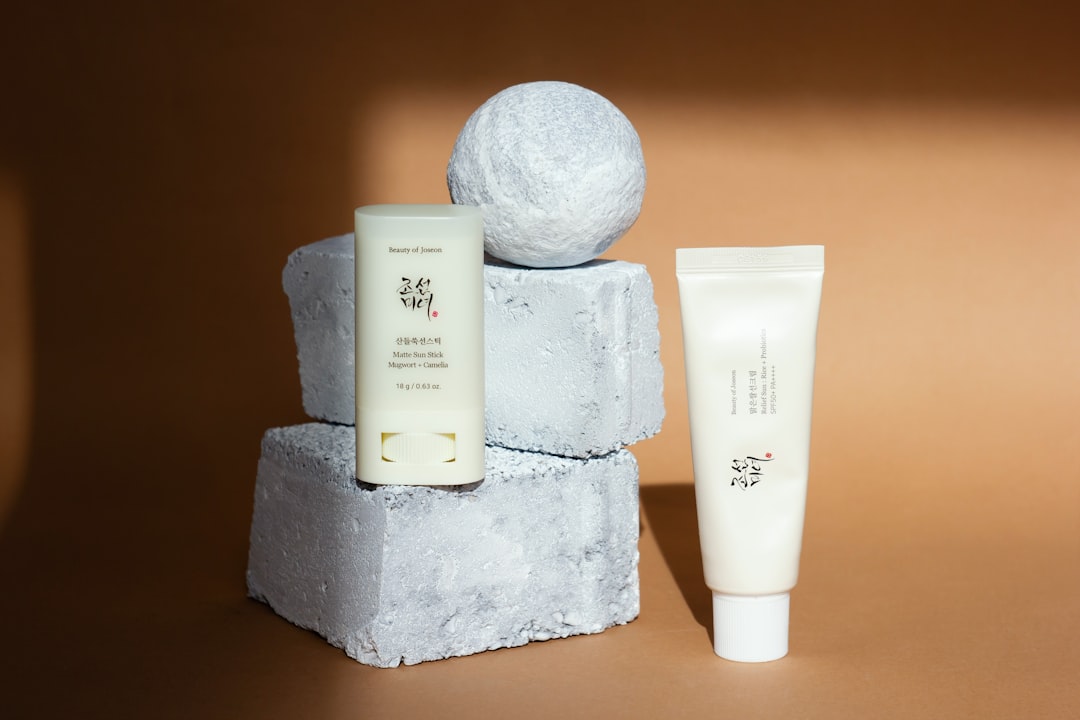
In recent years, product safety has become a central concern for consumers, especially regarding personal care products. Valisure, an independent laboratory, has established itself as a significant entity in this field by conducting thorough testing of consumer goods to verify their safety and effectiveness. Valisure has gained recognition for identifying harmful substances in common products, initiating important public discussions about the safety of widely used items.
Their dedication to transparency and consumer health has established their credibility in the industry, and their research frequently prompts critical conversations about ingredients in skincare products. Valisure employs thorough testing protocols designed to detect potentially dangerous contaminants that may present health hazards. Through sophisticated analytical methods, they provide consumers with essential data that can guide purchasing decisions.
For consumers selecting personal care products in stores or online, understanding the function of testing organizations like Valisure offers valuable context for making informed choices about skincare products. Their research underscores both the necessity of stringent testing procedures and the obligation of manufacturers to ensure product safety for consumers.
Key Takeaways
- Valisure conducts independent testing to detect harmful contaminants like benzene in consumer products.
- Benzene is a toxic chemical linked to serious health risks, including cancer.
- Some sunscreens have been found to contain benzene contamination, raising safety concerns.
- Several popular sunscreen brands were identified with benzene contamination, prompting FDA involvement.
- Consumers are advised to check product safety, avoid contaminated sunscreens, and follow guidance for safer choices.
What is Benzene?
Benzene is a colorless, flammable liquid that is widely recognized for its sweet odor and is commonly used in various industrial applications. It is a natural constituent of crude oil and is also produced through various chemical processes. You may encounter benzene in products such as gasoline, solvents, and even some household items.
While it serves important functions in manufacturing and industry, its presence in consumer products raises significant health concerns that warrant your attention. Understanding benzene’s chemical properties is crucial for grasping its potential risks. It is classified as a volatile organic compound (VOC), which means it can easily evaporate into the air and be inhaled.
This characteristic makes it particularly concerning when found in products that you might use daily, such as sunscreens or lotions. The fact that benzene can be absorbed through the skin adds another layer of risk, making it essential for you to be aware of its presence in personal care items.
The Dangers of Benzene

The dangers associated with benzene exposure are well-documented and should not be taken lightly. Prolonged exposure to benzene can lead to serious health issues, including blood disorders and an increased risk of cancer. You may be surprised to learn that even short-term exposure can result in symptoms such as dizziness, headaches, and respiratory problems.
The cumulative effects of benzene exposure can be particularly concerning, especially if you are using products that contain this harmful substance regularly. One of the most alarming aspects of benzene is its classification as a known human carcinogen by organizations such as the International Agency for Research on Cancer (IARC). This means that there is substantial evidence linking benzene exposure to various forms of cancer, including leukemia.
As you consider the products you use on your skin, it is vital to recognize that even small amounts of benzene can pose significant health risks over time. Being informed about these dangers empowers you to make safer choices for yourself and your loved ones.
Sunscreen and Benzene Contamination
Sunscreen is an essential product for protecting your skin from harmful UV rays, but recent findings have raised concerns about the safety of certain sunscreen formulations. You may assume that all sunscreens are safe and effective, but the reality is more complex. The potential for benzene contamination in sunscreens has become a pressing issue, prompting consumers to reevaluate their choices when it comes to sun protection.
The presence of benzene in sunscreen products is particularly troubling because these products are designed for regular application on your skin. Unlike other items that may be used less frequently, sunscreen is often applied daily during the warmer months or when spending time outdoors. This frequent use increases the likelihood of exposure to harmful substances like benzene, making it crucial for you to stay informed about which products may contain this contaminant.
Valisure’s Findings on Sunscreen Benzene Contamination
| Brand | Product Name | SPF | Benzene Detected (ppm) | Test Result | Notes |
|---|---|---|---|---|---|
| Coppertone | Sport Sunscreen Lotion SPF 50 | 50 | 0.5 | Fail | Benzene detected above FDA recommended limits |
| Banana Boat | Ultra Sport Sunscreen Lotion SPF 50 | 50 | 0.3 | Fail | Trace benzene found |
| Neutrogena | Beach Defense Sunscreen SPF 70 | 70 | ND | Pass | No benzene detected |
| Equate | Sport Sunscreen SPF 50 | 50 | 0.4 | Fail | Benzene detected |
| Hawaiian Tropic | Island Sport Sunscreen SPF 30 | 30 | ND | Pass | No benzene detected |
Valisure’s testing revealed alarming levels of benzene contamination in several popular sunscreen brands, sparking widespread concern among consumers. Their findings indicated that some sunscreens contained levels of benzene that exceeded acceptable limits set by regulatory agencies. As you consider your own sunscreen choices, it’s essential to understand the implications of these findings and how they may affect your health.
The results from Valisure’s testing prompted immediate action from both consumers and manufacturers alike. Many individuals began scrutinizing their sunscreen products more closely, seeking out information about potential contaminants. Valisure’s commitment to transparency has empowered you to take charge of your health by providing access to critical data regarding the safety of personal care items.
This newfound awareness has led to increased demand for safer formulations and greater accountability from manufacturers.
Brands Impacted by Sunscreen Benzene Contamination

Several well-known sunscreen brands were identified in Valisure’s testing as having concerning levels of benzene contamination. You may be surprised to learn that some products you might have trusted for years were found to contain this harmful substance. The revelation has led many consumers to question their loyalty to these brands and seek alternatives that prioritize safety.
As a result of Valisure’s findings, some brands have taken proactive steps to address the issue by reformulating their products or increasing transparency about their ingredients. This shift reflects a growing awareness among consumers about the importance of product safety and the need for manufacturers to prioritize health over profit. If you’ve been using any of the impacted brands, it may be time for you to reassess your choices and consider switching to safer options that align with your health priorities.
FDA Response to Sunscreen Benzene Contamination
In light of Valisure’s findings, the FDA has faced pressure to respond to the issue of benzene contamination in sunscreens. While the agency has long been responsible for regulating personal care products, the emergence of this specific concern has prompted calls for more stringent oversight and testing protocols. As a consumer, you may be wondering how effectively the FDA can protect you from harmful substances in everyday products.
The FDA’s response has included increased scrutiny of sunscreen formulations and a commitment to investigating the presence of benzene in these products. However, some critics argue that more immediate action is necessary to ensure consumer safety. As you follow developments in this area, it’s essential to stay informed about any changes in regulations or guidelines that may impact the safety of sunscreens and other personal care items.
Consumer Concerns and Reactions
The revelation of benzene contamination in sunscreens has sparked widespread concern among consumers who rely on these products for sun protection. Many individuals have expressed feelings of betrayal upon learning that trusted brands may have exposed them to harmful substances. As you navigate this landscape, it’s natural to feel apprehensive about the safety of personal care items you use regularly.
Social media platforms have become a hub for discussions surrounding sunscreen safety, with consumers sharing their experiences and seeking recommendations for safer alternatives. This collective response highlights a growing awareness about product safety and a desire for greater transparency from manufacturers. As a consumer, your voice matters; engaging in these conversations can help drive change within the industry and encourage brands to prioritize your health.
Steps to Take if You Have Used Contaminated Sunscreen
If you’ve used sunscreen that has been identified as contaminated with benzene, it’s important not to panic but rather take informed steps moving forward. First and foremost, consider discontinuing use of any affected products immediately. You should also monitor your health for any unusual symptoms or reactions that may arise from exposure.
If you experience any concerning symptoms, consulting with a healthcare professional is advisable. Additionally, keeping abreast of updates from organizations like Valisure and regulatory agencies can help you stay informed about which products are safe moving forward. You might also want to consider reporting any adverse reactions or concerns directly to the FDA or other relevant authorities.
By taking these proactive steps, you can better protect yourself and contribute to broader efforts aimed at improving product safety.
How to Choose Safe Sunscreen Products
Choosing safe sunscreen products requires diligence and an understanding of what ingredients to look for or avoid. When shopping for sunscreen, consider looking for brands that prioritize transparency in their formulations and provide clear information about their testing processes. You should also seek out products that are free from harmful contaminants like benzene and other known toxins.
Reading labels carefully is essential; look for sunscreens labeled as “free from harmful chemicals” or those that have been tested by independent laboratories like Valisure. Additionally, consider opting for mineral-based sunscreens containing zinc oxide or titanium dioxide, as these ingredients are generally regarded as safer alternatives compared to chemical sunscreens that may contain harmful additives. By being proactive in your selection process, you can ensure that you’re choosing sunscreens that align with your health priorities.
Conclusion and Future of Sunscreen Safety
As awareness surrounding benzene contamination in sunscreens continues to grow, it is clear that consumer demand for safer products will shape the future landscape of personal care items. Organizations like Valisure play a crucial role in holding manufacturers accountable and ensuring transparency within the industry. Your voice as a consumer matters; advocating for safer formulations can lead to meaningful changes that prioritize health over profit.
Looking ahead, it is essential for both consumers and manufacturers to remain vigilant about product safety. By staying informed about potential contaminants and supporting brands committed to transparency and safety, you can contribute to a healthier future for yourself and others. The ongoing dialogue surrounding sunscreen safety serves as a reminder that informed choices can lead to positive change within the industry—empowering you to protect not only your skin but also your overall well-being.
In 2021, Valisure conducted testing that revealed the presence of benzene in several sunscreen products, raising significant concerns about the safety of these widely used items. This alarming discovery prompted discussions about the regulatory standards for personal care products and the potential health risks associated with benzene exposure. For more information on this topic, you can read a related article [here](https://www.heydidyouknowthis.com/sample-page/).
FAQs
What is benzene and why is it a concern in sunscreens?
Benzene is a chemical known to be a carcinogen, meaning it can cause cancer. Its presence in sunscreens is concerning because these products are applied directly to the skin, potentially leading to harmful exposure.
What did Valisure’s 2021 testing reveal about benzene in sunscreens?
In 2021, Valisure, an independent laboratory, tested various sunscreen products and found that some contained benzene, even though it is not an approved ingredient in sunscreens. This discovery raised safety concerns about certain products on the market.
How does benzene get into sunscreen products?
Benzene can contaminate sunscreens through manufacturing processes, such as the use of contaminated raw materials or solvents. It is not intentionally added but can be a byproduct of chemical reactions or impurities.
Are all sunscreens contaminated with benzene?
No, not all sunscreens contain benzene. Valisure’s testing identified specific brands and batches with contamination, but many sunscreens are free from benzene. Consumers should check for product recalls or safety notices.
What actions were taken after Valisure’s findings?
Following the findings, some manufacturers voluntarily recalled affected products. Regulatory agencies and retailers also issued warnings and removed contaminated products from shelves to protect consumers.
How can consumers protect themselves from benzene-contaminated sunscreens?
Consumers should stay informed about product recalls and safety alerts, purchase sunscreens from reputable brands, and consider checking independent lab test results when available. Using sunscreens that have been tested and verified can reduce risk.
Is benzene contamination limited to sunscreens only?
No, benzene contamination has been found in other personal care products and medications as well. It is important for manufacturers to maintain strict quality control to prevent contamination across all products.
What regulations exist regarding benzene in sunscreens?
Benzene is not an approved ingredient in sunscreens and is generally prohibited due to its toxicity. Regulatory agencies like the FDA monitor and regulate contaminants in cosmetic products to ensure consumer safety.
Can benzene exposure from sunscreen cause immediate health effects?
Short-term exposure to low levels of benzene in sunscreen is unlikely to cause immediate health effects. However, long-term exposure to benzene is associated with serious health risks, including cancer.
Where can I find more information about sunscreen safety and benzene contamination?
Information can be found through regulatory agencies such as the U.S. Food and Drug Administration (FDA), independent testing laboratories like Valisure, and consumer safety organizations. Checking official websites and trusted news sources is recommended.