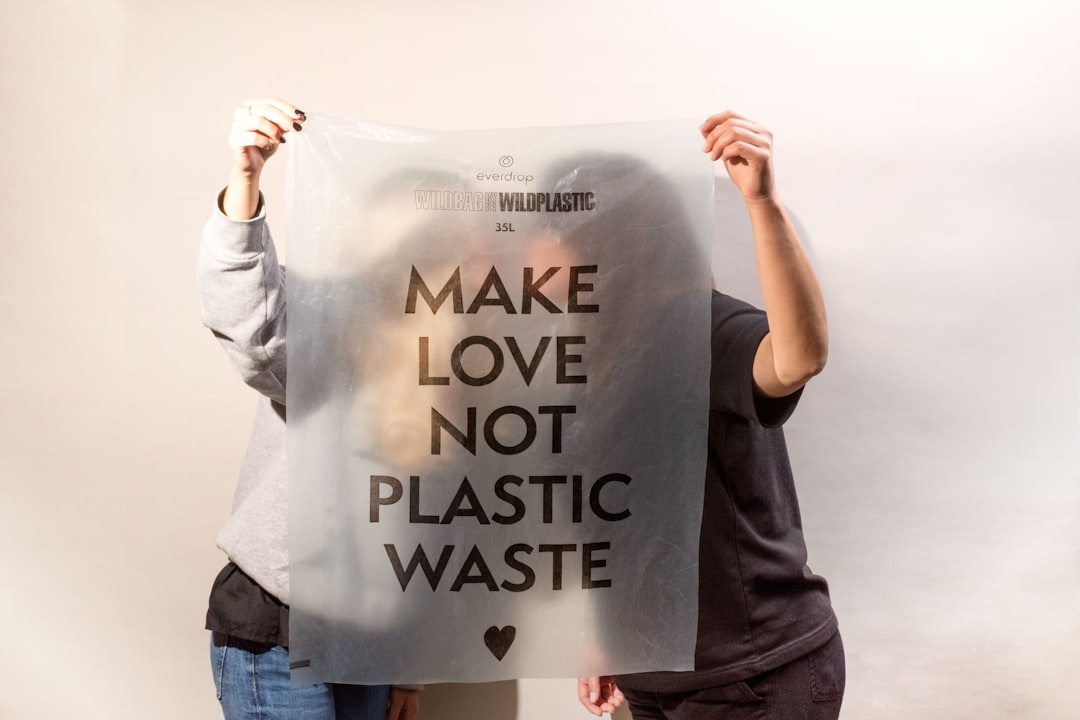
You’re likely aware of the pervasive nature of single-use plastic. It’s in your takeout containers, your grocery bags, your water bottles, and a myriad of other everyday items. While the scale of the problem can feel overwhelming, the good news is that you can make a tangible difference by implementing simple changes in your own home. This article outlines ten straightforward strategies to reduce your reliance on single-use plastics, helping you to contribute to a more sustainable lifestyle.
Your kitchen is often the epicenter of single-use plastic consumption in your home. From food packaging to cleaning supplies, there are numerous opportunities to make impactful changes. By being mindful of your purchasing decisions and adopting new routines, you can significantly decrease the amount of plastic entering your waste stream.
Embrace Reusable Food Storage
The cling film and plastic baggie drawer can be a significant source of waste. Consider these alternatives:
Swap Cling Film for Beeswax Wraps
Beeswax wraps are a fantastic, natural alternative to plastic wrap. Made from cotton infused with beeswax, jojoba oil, and tree resin, they are pliable and can be molded to cover bowls, wrap sandwiches, or encase produce. After use, they can be washed with cool water and mild soap and reused multiple times. While they require a slightly different approach than cling film, the environmental benefit is substantial. You can purchase them ready-made or even try making your own for a more personalized experience.
Invest in Glass or Stainless Steel Containers
These durable alternatives to plastic food containers are excellent for storing leftovers, packing lunches, and transporting food. Glass containers are non-reactive and don’t impart flavors, ensuring your food tastes as it should. Stainless steel containers are lightweight and virtually indestructible, making them ideal for on-the-go meals. Look for sets that come with airtight lids to keep food fresh. Many brands offer stackable designs, optimizing storage space in your cabinets.
Utilize Silicone Bags for Various Purposes
Silicone bags are a versatile and long-lasting option for storing food, marinating, or even sous vide cooking. Unlike plastic bags, they are food-grade, BPA-free, and can withstand both high and low temperatures. They offer a secure seal and can be washed and reused indefinitely. Consider different sizes for various needs, from small snack bags to larger bags for storing produce or meats.
Reduce Your Reliance on Disposable Wraps and Bags
Beyond food storage, many other single-use plastic items serve primarily as wrappings or bags. Addressing these directly can lead to immediate reductions.
Ditch the Plastic Produce Bags
A seemingly small item, but over time, the accumulation of plastic produce bags from grocery shopping is notable. Many stores now offer reusable produce bags made from mesh or cloth. You can also use small cloth bags for loose items like mushrooms or berries. For items like leafy greens that benefit from being contained, a simple reusable cloth bag works well. Alternatively, you can simply place fruits and vegetables directly into your shopping cart – many items are sturdy enough to handle this.
Opt for Reusable Shopping Bags
This is perhaps one of the most commonly advocated changes, and for good reason. Bring your own reusable shopping bags every time you go to the grocery store, the farmer’s market, or any other retail establishment. Keep a few strategically placed: in your car, by your front door, or folded in your purse or backpack. The habit builds quickly, and you’ll soon find yourself reaching for them by default.
To effectively reduce single-use plastic at home, you might find it helpful to explore related strategies and tips in this informative article. It offers practical advice on how to make sustainable choices in your daily life, from using reusable bags to opting for bulk purchases. For more insights, check out this article on reducing single-use plastic: Hey Did You Know This.
Consciously Choose Your Beverages
The beverage industry is a significant contributor to single-use plastic waste, particularly through the proliferation of bottled water and single-serving drinks. By making informed choices about what you drink and how you drink it, you can significantly reduce your plastic footprint.
Stay Hydrated with Reusable Water Bottles
The convenience of disposable plastic water bottles is undeniable, but their environmental cost is substantial. Investing in a good quality reusable water bottle is one of the simplest and most effective ways to cut down on plastic.
Explore Different Reusable Water Bottle Materials
There are several excellent materials to choose from. Stainless steel bottles are durable, insulated (keeping drinks hot or cold for extended periods), and don’t retain odors or flavors. Glass bottles offer a pure taste and are often aesthetically pleasing, though they can be more fragile. Tritan plastic bottles are a BPA-free and durable alternative to traditional plastics. Consider your lifestyle and preferences when selecting the best material for you.
Make Refilling a Habit
The key to a reusable water bottle is, of course, refilling it. Make it a habit to fill your bottle before you leave home, at work, or at a public water fountain. Many public spaces and businesses now offer water refill stations, making it easier than ever to stay hydrated sustainably.
Rethink Your Coffee and Tea Habits
Your daily caffeine ritual can also be a source of single-use plastic.
Bring Your Own Reusable Coffee Cup
Many coffee shops offer discounts for customers who bring their own reusable cups. These cups come in various materials, including stainless steel, ceramic, and bamboo. They are designed to keep your beverage warm and prevent spills. Make it a point to carry your reusable cup with you, especially if you frequently purchase coffee or tea on the go.
Consider Loose Leaf Tea
Tea bags, while convenient, often contain plastic microfibers. Opting for loose leaf tea, brewed with a reusable infuser, eliminates this source of plastic waste. You can find a wide variety of loose leaf teas to suit your taste preferences, and the brewing process can be a more mindful and enjoyable experience.
Streamline Your Cleaning Routine
Many household cleaning products are packaged in single-use plastic bottles, and some cleaning tools themselves are made from disposable plastic. Identifying and replacing these items can have a noticeable impact.
Switch to Concentrated or Refillable Cleaning Products
The vast majority of cleaning products are sold as ready-to-use liquids, meaning you’re paying for and transporting a lot of water.
Embrace Refillable Cleaning Systems
Several companies now offer refillable cleaning systems where you purchase a durable dispenser bottle and then buy concentrated cleaning solutions in smaller, often recyclable or compostable packaging. You simply add water to the dispenser, add the concentrate, and you’re ready to clean. This dramatically reduces the amount of plastic packaging you bring into your home.
Explore DIY Cleaning Solutions
Many effective cleaning agents can be made at home using simple ingredients like vinegar, baking soda, and lemon juice. These ingredients are not only natural and environmentally friendly but also significantly cheaper than commercial cleaning products. You can store these DIY cleaners in reusable spray bottles, further reducing your plastic consumption. Recipes for all-purpose cleaners, window cleaners, and even dish soap are readily available online.
Choose Sustainable Cleaning Tools
Beyond the cleaning liquids themselves, consider the tools you use.
Opt for Natural Fiber Brushes and Sponges
Many conventional kitchen sponges and cleaning brushes are made from plastic and are designed to be disposable. Look for alternatives made from natural materials like bamboo, wood, or plant fibers. Scrub brushes with wooden handles and natural bristles are effective for tackling tough grime. Sponges made from loofah or cellulose are biodegradable and compostable when they reach the end of their life.
Invest in Reusable Cleaning Cloths
Paper towels are a significant source of household waste, and many are made with plastics in their production. Invest in a set of microfiber cleaning cloths or old cotton t-shirts cut into rags. These can be used for all your cleaning tasks, from dusting to wiping down surfaces. They are machine washable and can be reused countless times, eliminating the need for disposable paper products.
Rethink Your Personal Care Products
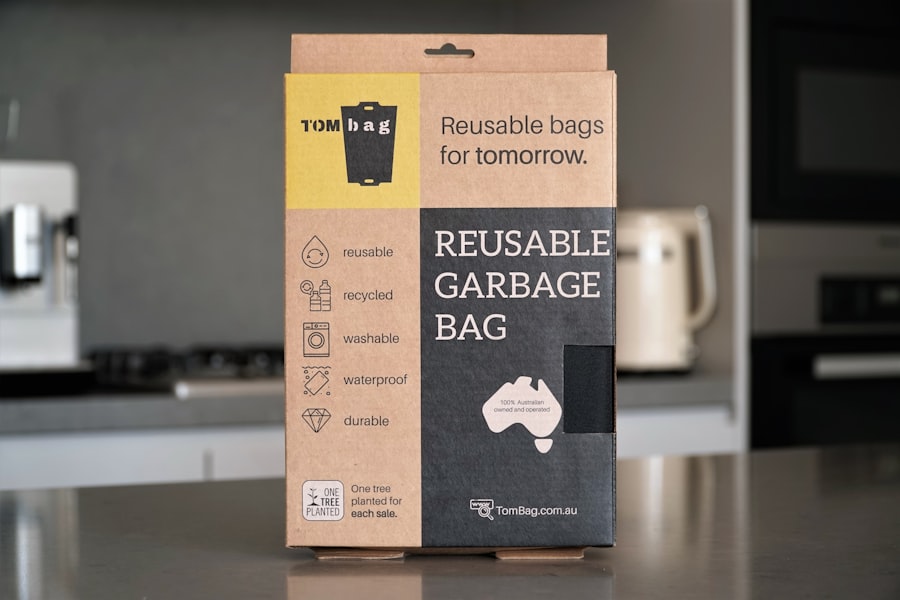
The beauty and personal care industry is another area where single-use plastic is ubiquitous. From shampoo bottles to toothbrushes, there are many opportunities for improvement.
Embrace Zero-Waste Toiletries
Many common bathroom products offer plastic-free alternatives.
Switch to Bar Soap and Shampoo Bars
The ubiquitous plastic bottles for liquid soap and shampoo can be easily replaced with solid bar alternatives. Bar soap for your body is a classic choice that often comes in cardboard packaging. Shampoo and conditioner bars are gaining popularity, offering the same benefits as their liquid counterparts without the plastic bottle. They are concentrated and last a long time, making them an economical and eco-friendly option.
Consider Bamboo Toothbrushes
Plastic toothbrushes are a major contributor to landfill waste. Bamboo toothbrushes offer a sustainable alternative. The handle is made from biodegradable bamboo, and the bristles are typically nylon, though some brands are exploring compostable bristle options. When the bristles are worn out, you can remove them and compost the bamboo handle.
Look for Refillable Deodorant and Other Cosmetics
Some brands are now offering deodorants, lotions, and even makeup in refillable packaging. You purchase a durable outer casing, and then buy refills for the product inside. This significantly reduces the amount of plastic packaging that ends up in your waste bin.
Be Mindful of Packaging in Other Personal Care Items
Beyond the core toiletries, many other personal care items come in plastic.
Avoid Individually Wrapped Items
When purchasing items like cotton swabs or facial tissues, opt for bulk packaging or brands that use cardboard over plastic. Many cotton swabs now come in cardboard boxes, and facial tissues are often available in larger cardboard dispenser boxes.
Choose Reusable Menstrual Products
For individuals who menstruate, disposable pads and tampons are a significant source of plastic waste, often containing plastic applicators and wrappers. Reusable menstrual cups, made from medical-grade silicone, or cloth menstrual pads offer a sustainable and cost-effective alternative. While they require an initial investment and a period of adjustment, their long-term benefits for both your wallet and the planet are substantial.
Reducing single-use plastic at home is an essential step towards a more sustainable lifestyle. Simple changes, such as using reusable bags and containers, can significantly decrease plastic waste. For more tips on how to make your home more eco-friendly, you can check out this informative article that offers practical advice and insights on the topic. By incorporating these strategies, you can contribute to a healthier planet while also inspiring others to follow suit. To explore more, visit this article.
Make Sustainable Choices for On-the-Go
| Tip | Impact |
|---|---|
| Use reusable water bottles | Reduces plastic bottle waste |
| Bring your own shopping bags | Reduces plastic bag usage |
| Avoid single-use plastic utensils | Reduces plastic utensil waste |
| Choose products with minimal packaging | Reduces overall plastic waste |
| Opt for reusable food storage containers | Reduces plastic wrap and bag usage |
Many of our single-use plastic habits are formed when we are away from home, relying on convenience. By preparing ahead, you can significantly reduce your plastic consumption during these times.
Equip Yourself for a Plastic-Free Lifestyle on the Move
A few simple items can make a big difference.
Carry a Reusable Cutlery Set
When you’re eating out, at a picnic, or grabbing takeout, you often receive disposable plastic cutlery. Carry a reusable cutlery set in your bag or lunchbox. These can be made from stainless steel, bamboo, or even durable plastic. Many sets come in a compact pouch for easy portability.
Pack a Reusable Straw
If you enjoy using straws with your drinks, opt for reusable ones made from stainless steel, bamboo, glass, or silicone. These are easily cleaned and can be stored in a small pouch. Be aware of local or national bans on single-use plastic straws; carrying your own makes you compliant and eco-conscious.
Keep a Reusable Snack Container Handy
Instead of relying on plastic snack bags, invest in a small, reusable snack container. This is perfect for carrying nuts, fruit, or other snacks when you’re out and about. It’s healthier, more economical, and significantly reduces plastic waste.
Be Prepared for Takeout and Leftovers
Eating out or receiving food from others often involves plastic.
Bring Your Own Containers for Takeout
If you plan to get takeout, call ahead and ask if they can put your food directly into your own reusable containers. Some restaurants are happy to accommodate this request. It saves them the cost of packaging and ensures your food isn’t placed in unnecessary plastic.
Decline Unnecessary Packaging
When ordering food or receiving items, be mindful of what you’re being given. Politely decline plastic cutlery, straws, napkins, and extra condiment packets if you don’t need them. The less packaging that is handed to you, the less waste you generate.
Educate Yourself and Others
Understanding the impact of single-use plastics and sharing that knowledge is a powerful tool for change.
Stay Informed About Plastic Consumption
The more you learn about the issue, the more motivated you will be to make changes.
Follow Environmental Organizations and News Sources
Many reputable organizations and news outlets provide information on plastic pollution, its effects on the environment and wildlife, and solutions. Staying informed can inspire you to take further action and discover new ways to reduce your plastic footprint.
Research Sustainable Alternatives
As you encounter single-use plastic items, take the time to research sustainable alternatives. There are constantly new and innovative products and solutions emerging, so staying curious can lead you to discover even more effective ways to cut down on plastic.
Share Your Knowledge and Encourage Others
Your actions can influence those around you.
Talk to Friends and Family
Casually mention the changes you’re making and why. Share tips and tricks you’ve learned. You might be surprised by how many people are looking for ways to reduce their own plastic consumption but don’t know where to start. Positivity and a non-judgmental approach are key.
Lead by Example
The most effective way to encourage others is to demonstrate your commitment to a plastic-free lifestyle through your own actions. When people see you consistently using reusable items and making conscious choices, they are more likely to consider doing the same. Your everyday habits can become a quiet but powerful form of advocacy.
By implementing these ten simple strategies, you can significantly reduce your household’s reliance on single-use plastics. Each small change contributes to a larger collective impact, helping to protect our environment for future generations. It’s a journey, and every step, no matter how small, matters.
FAQs
1. Why is it important to reduce single use plastic at home?
It is important to reduce single use plastic at home because plastic pollution is a major environmental issue. Single use plastics contribute to the pollution of oceans and landfills, harm wildlife, and take hundreds of years to decompose.
2. What are some alternatives to single use plastic at home?
There are several alternatives to single use plastic at home, including using reusable water bottles, shopping bags, and food containers. Additionally, choosing products with minimal or recyclable packaging can help reduce single use plastic consumption.
3. How can I reduce single use plastic in my daily routine?
You can reduce single use plastic in your daily routine by making simple changes such as using a refillable coffee cup, bringing your own utensils, and purchasing products in bulk to minimize packaging waste.
4. What are some tips for reducing single use plastic in the kitchen?
In the kitchen, you can reduce single use plastic by opting for glass or stainless steel food storage containers, using beeswax wraps instead of plastic wrap, and choosing reusable silicone food storage bags.
5. How can I encourage others to reduce single use plastic at home?
You can encourage others to reduce single use plastic at home by leading by example, sharing information about the environmental impact of single use plastics, and providing practical tips and alternatives for reducing plastic consumption.